Gardening can be frustrating when your plants don’t thrive, whether it’s due to weather conditions, lack of time, or limited expertise. Watching them wither away can be disheartening. But fear not; we’re here to help. In this article, we’ll explore 15 plants that are nearly impossible to kill.
Caladium
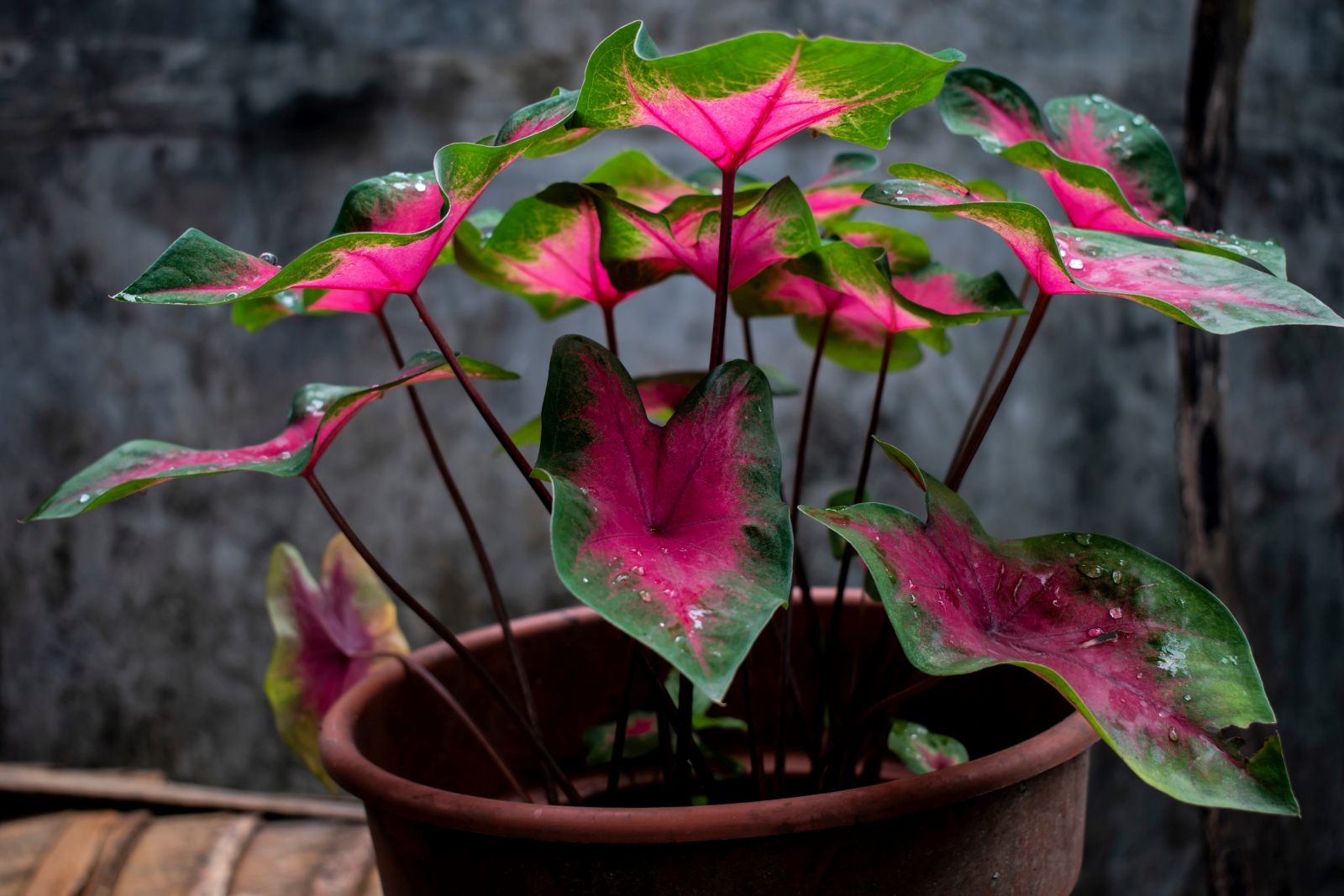
Caladiums are a fantastic pick if you have a garden with shaded spots. This plant’s arrow-shaped leaves come in stunning shades of white, red, and pink. These easy-to-grow perennials require very little care, which makes them perfect for newbie gardeners. Caladiums add a touch of tropical elegance with their bold foliage, which is ideal for shady backyards. Whether left in the ground as annuals or dug up and stored for winter, caladiums are a hardy option to brighten your garden with minimal effort.
Advertisement
Hosta
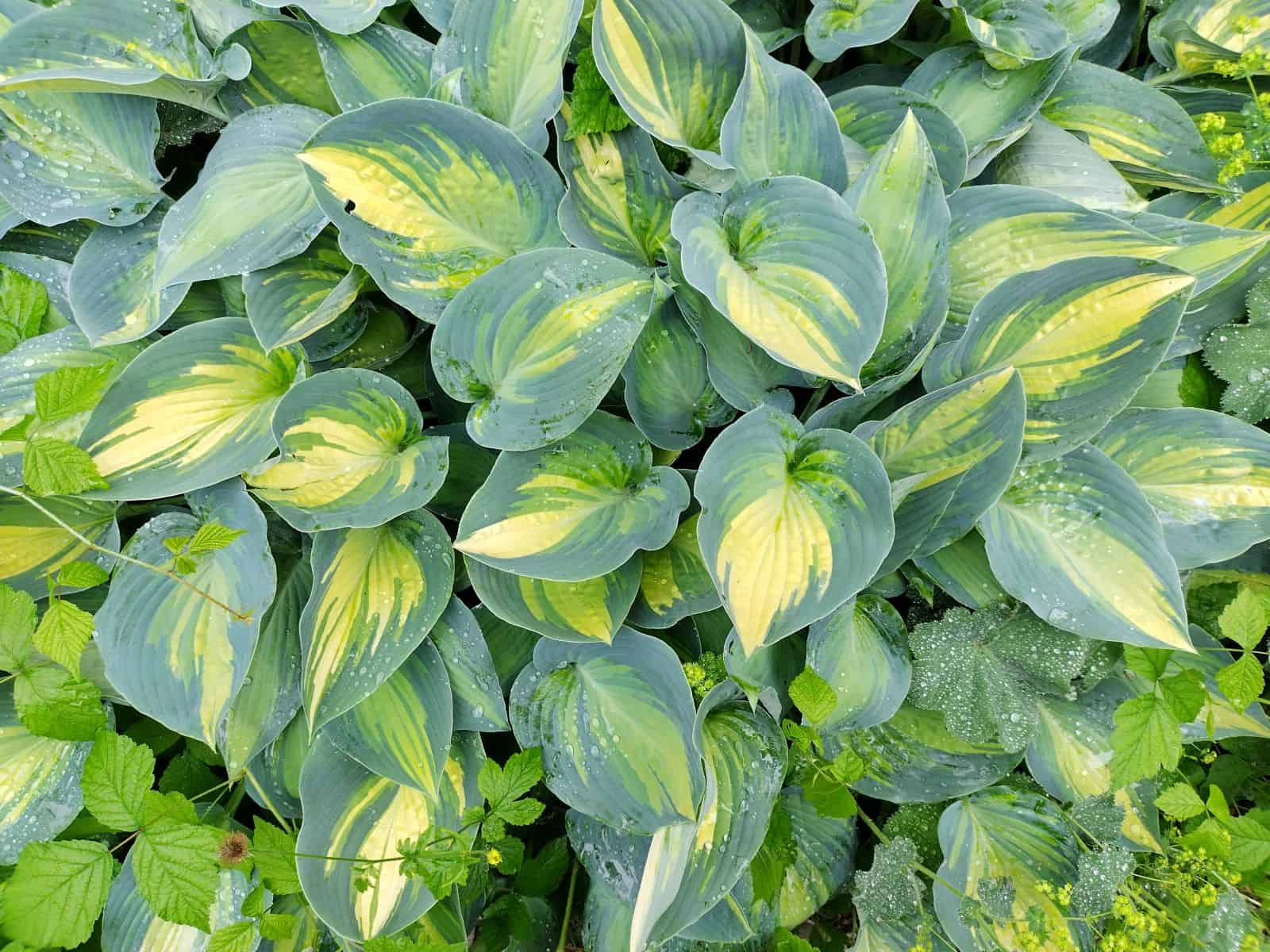
Hostas are well-loved for their lush foliage and resilience. They thrive in shady areas where many other plants struggle. These hardy perennials can withstand drought, heat, and poor soil conditions, making them nearly indestructible. Thanks to their deep root system, hostas recover quickly, even after periods of neglect. Hostas grow to about 16 inches tall and 30 inches wide, filling low-light garden spaces beautifully. Plant hostas in partial shade and water occasionally during dry spells for best results.
Spider Plant
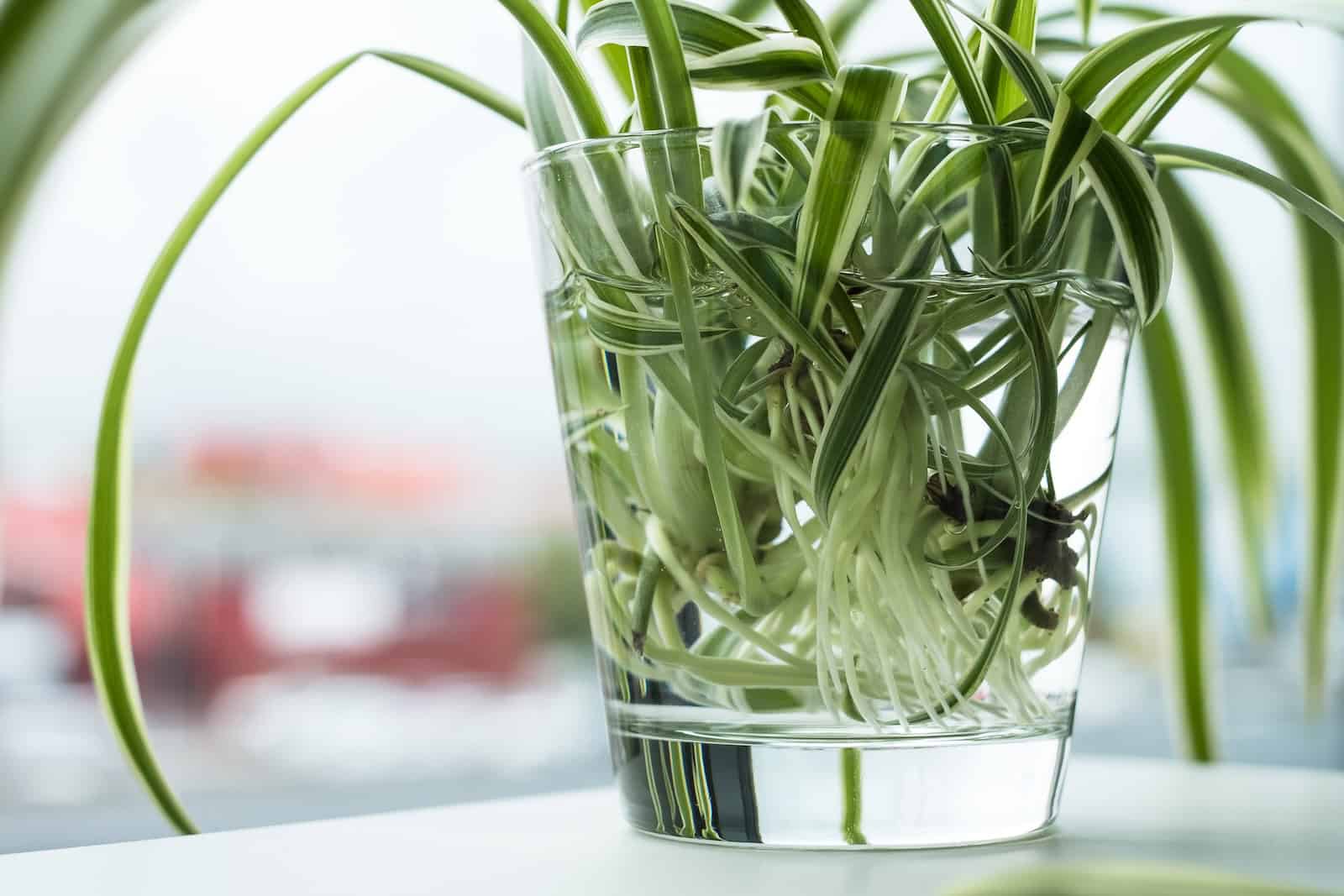
Thanks to their resilience and easy care, spider Plants are perfect for novice gardeners. These sturdy plants are foolproof and can thrive even under challenging conditions, producing babies, or “pups,” that can be planted to multiply. With minimal care, such as watering a few times per month, a happy Spider Plant can live for decades. They prefer bright, indirect light, making them ideal for low-light spaces.
Agave
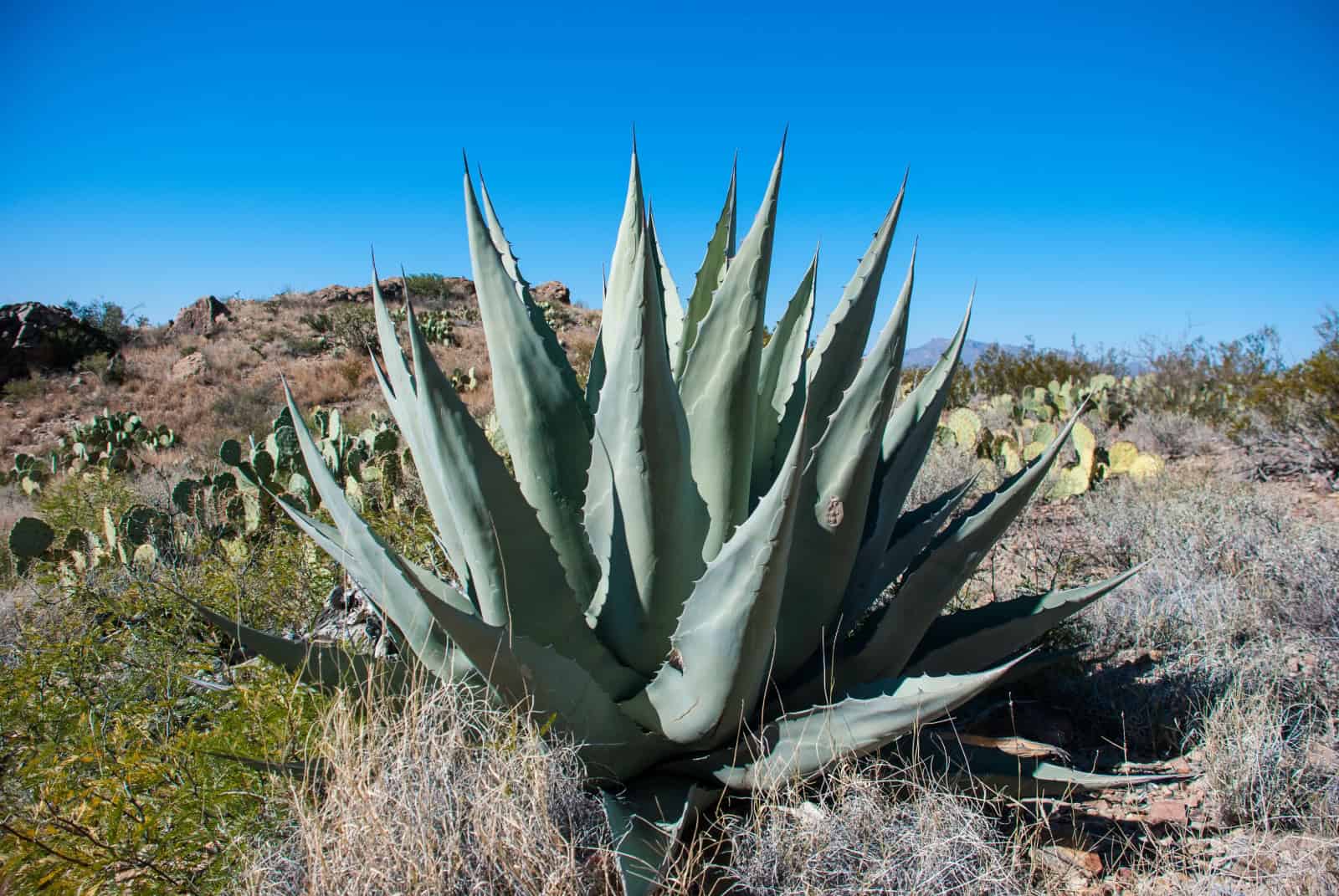
Agave flourishes in dry, sunny areas, making it perfect for gardens that tend to run dry. This hardy succulent comes in various sizes and colors and is known for its large, spiky leaves and distinctive rosette form. It is capable of surviving in poor conditions where other plants fail. Agave blooms come in shades of green, white, and yellow, adding architectural beauty to any landscape.
Sedum
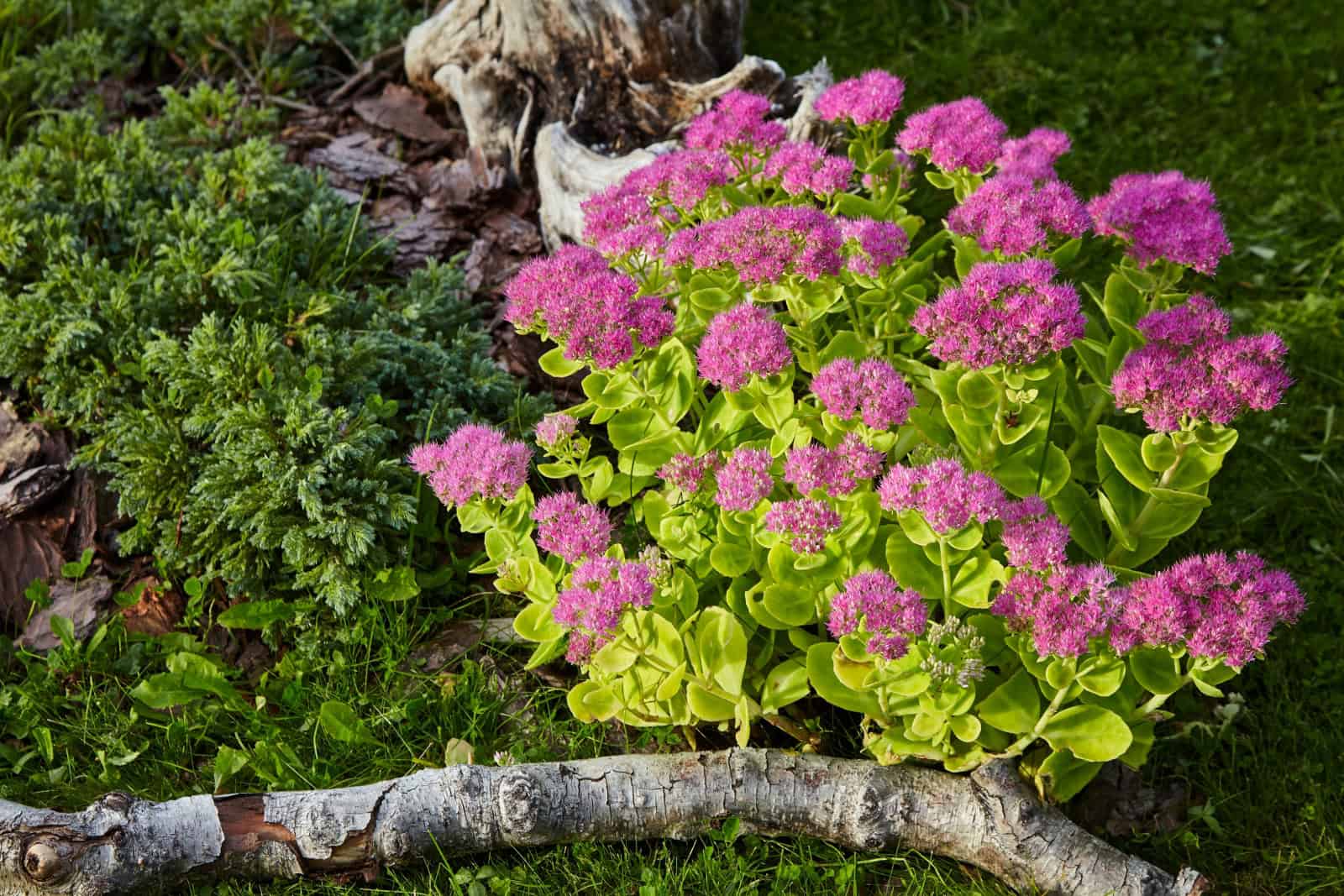
Sedum is a large genus of hardy, drought-tolerant succulents that thrive with minimal care. These versatile plants come in a variety of heights, colors, and forms, making them easy to integrate into any garden. Sedums are incredibly low-maintenance and often look good even into winter. They can grow well in almost any continent and handle poor conditions, making them nearly indestructible. Cut them back after flowering to maintain their shape and encourage bushier growth.
Butterfly Weed

Butterfly Weed grows to one to two feet, with shiny green leaves and bright orange-yellow flowers that bloom after up to three years. As a type of milkweed, it is a crucial host for monarch butterflies, providing a habitat for laying eggs and a sole nutrition source for monarch caterpillars. Butterfly Weed thrives in light or sandy soil and can withstand different weather conditions. It is native to North America.
Snake Plant

The Snake Plant is an incredibly resilient houseplant that is notoriously hard to kill. This beautiful succulent can go without water for weeks, proving to be a low-maintenance companion for any space—indoor or outdoor. It can tolerate low light, low water, and even neglect, which makes it an ideal choice for novice gardeners. Not only does it survive in various conditions, but it also contributes to cleaner air in your home.
Chives

Chives are known for their toughness. These edible perennials flourish in diverse climates. You can cut them back in cooler areas, and they’ll survive the harsher weather, re-sprouting in the spring. In warmer areas, they act as a cut-and-come-again plant, allowing for continuous harvesting without compromising their vitality. Their resilience, coupled with their mild onion-like flavor, makes chives a fantastic addition to any garden.
Lilac Sage
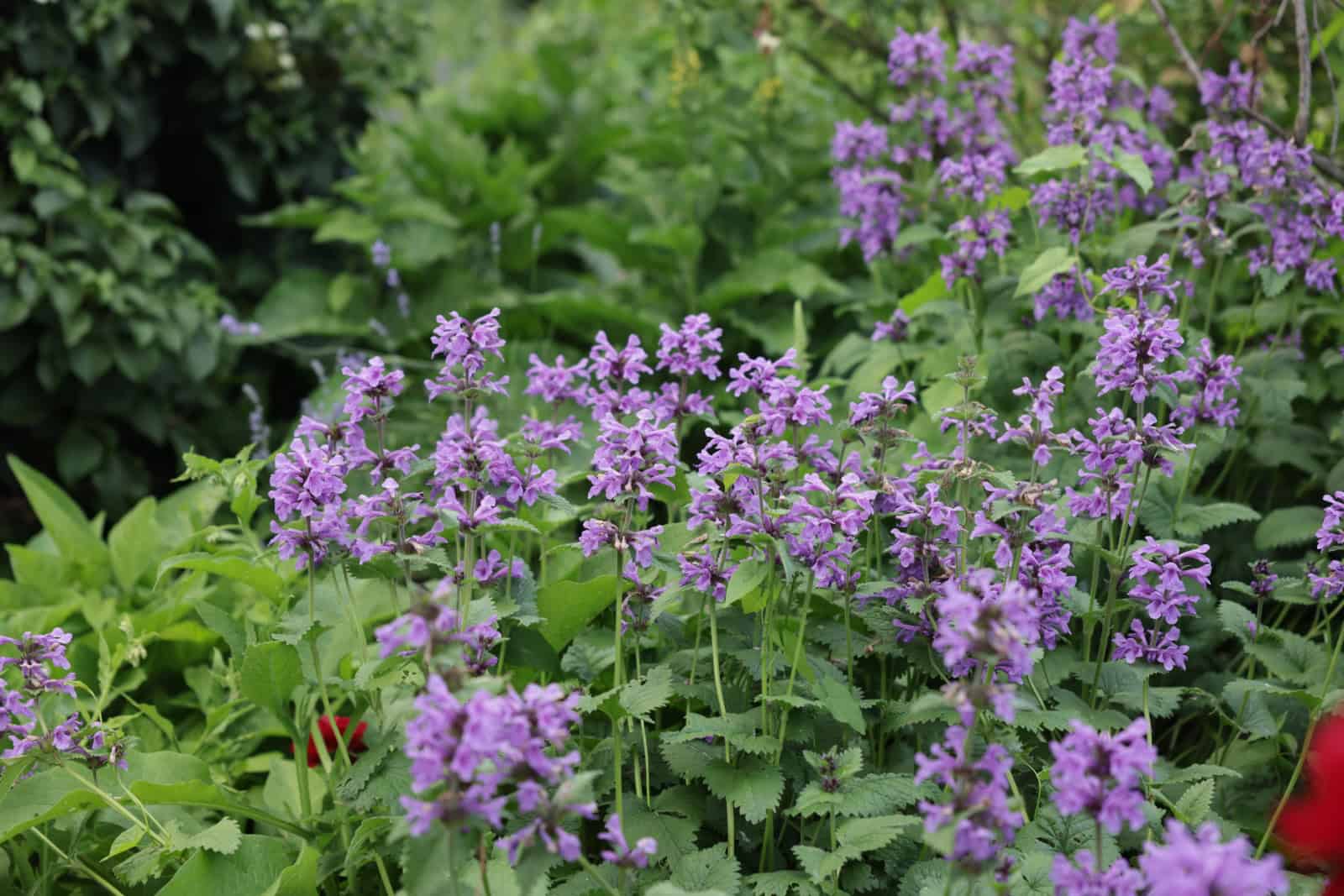
Lilac Sage, commonly known as “Purple Rain,” can withstand a variety of growing conditions. Its stunning purple blooms not only attract butterflies but also enhance your garden’s beauty from July to September. This hardy plant thrives in sandy, well-drained soil under full sunlight but can also adapt to alkaline conditions. Regularly cutting back drooping stalks can rejuvenate the plant, ensuring it continues to brighten your garden for months.
Armeria
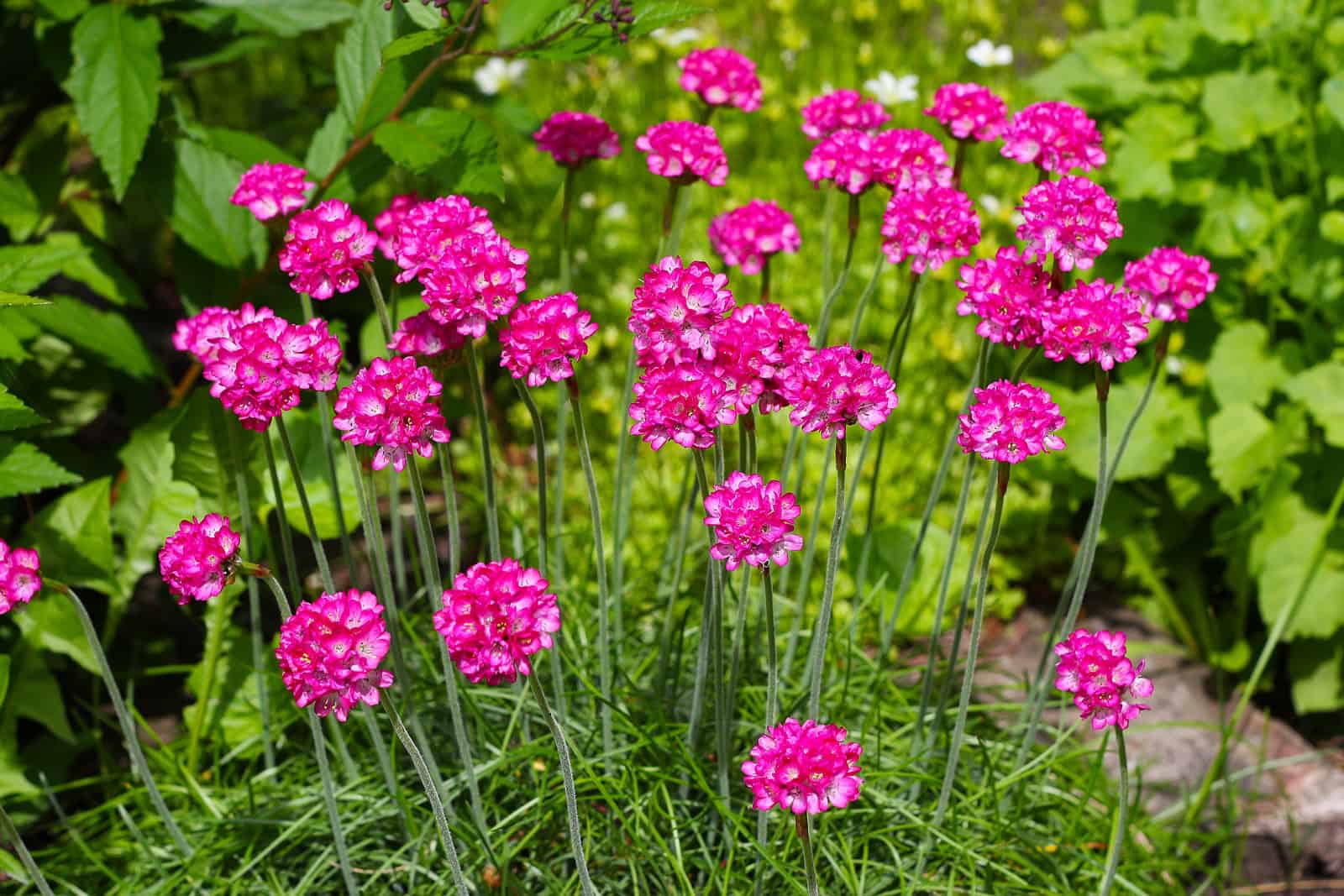
Armeria is perfect for beachside gardens and sandy soil environments. Standing just 6 to 10 inches tall, this compact plant thrives in light, sandy soils and withstands salt sprays and strong seaside breezes. Its charming globe-shaped flowers, available in shades of red, pink, and white, add vibrant color throughout the spring. This ground-hugging plant seems to duck beneath the wind in windy areas, making it an attractive addition to any garden facing the challenges of sandy soil and coastal conditions.
Purple Fountain Grass
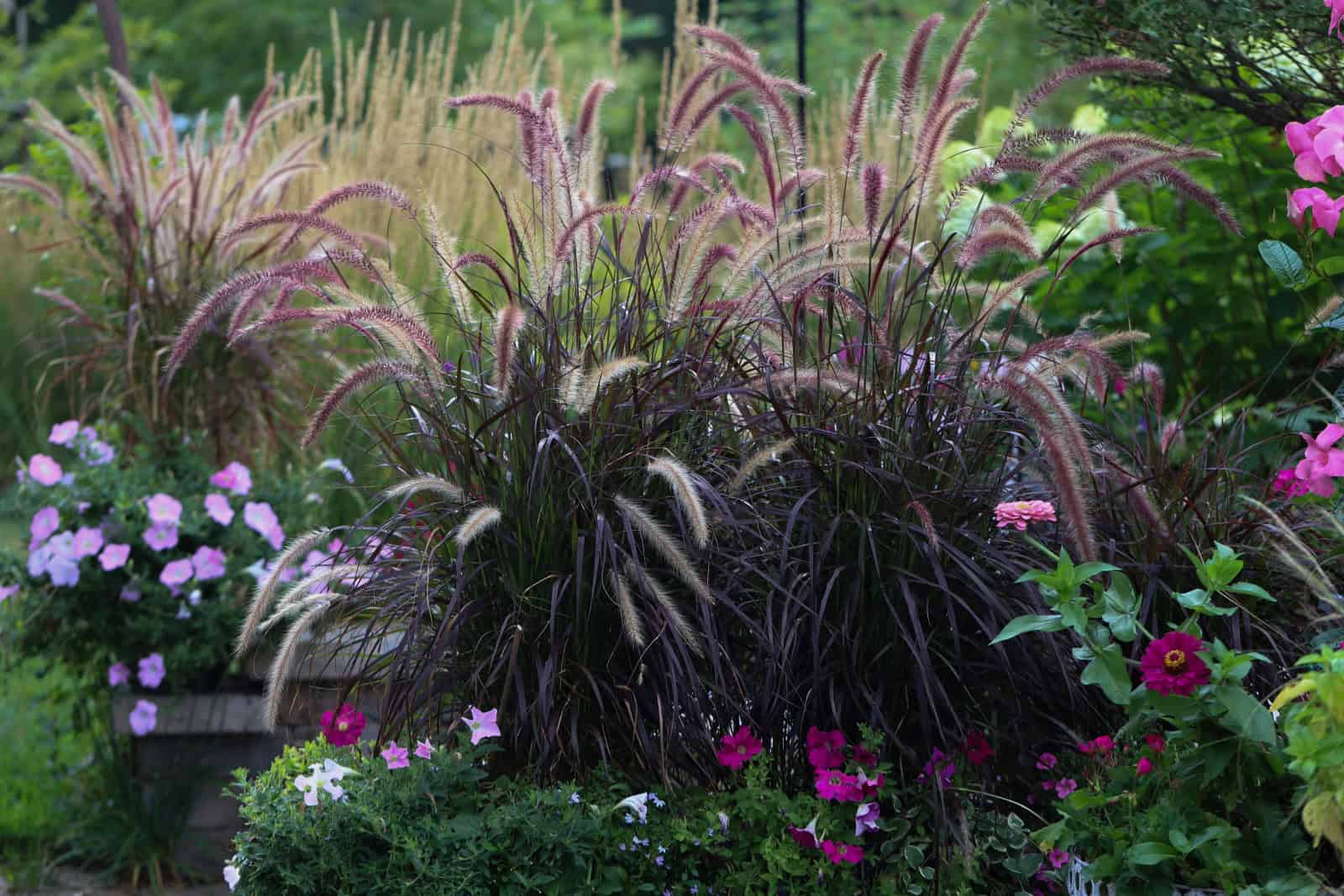
Purple Fountain Grass is an ornamental grass celebrated for its striking purplish-maroon blades and soft, bushy rose-red plumes that sway gracefully in the breeze. It is incredibly easy to grow and thrives in almost any climate, making it a resilient addition to outdoor landscapes. It forms tidy, dense clumps that add height and vibrant color to gardens. Purple Fountain Grass is drought-tolerant and deer-resistant, requiring little water to flourish. While it can handle dry conditions, occasional watering when the soil becomes dry helps it thrive.
Blanket Flowers

Blanket Flowers are the epitome of low-maintenance beauty in the garden. They thrive on neglect, flourishing in sunny, dry, and rocky conditions where other plants might struggle. These resilient flowers are perfect for dry hillsides or porous soils and don’t require special bed preparation or frequent watering. Even in the face of prolonged drought, they can survive with minimal care, although occasional watering during extreme droughts can be beneficial.
Ajuga
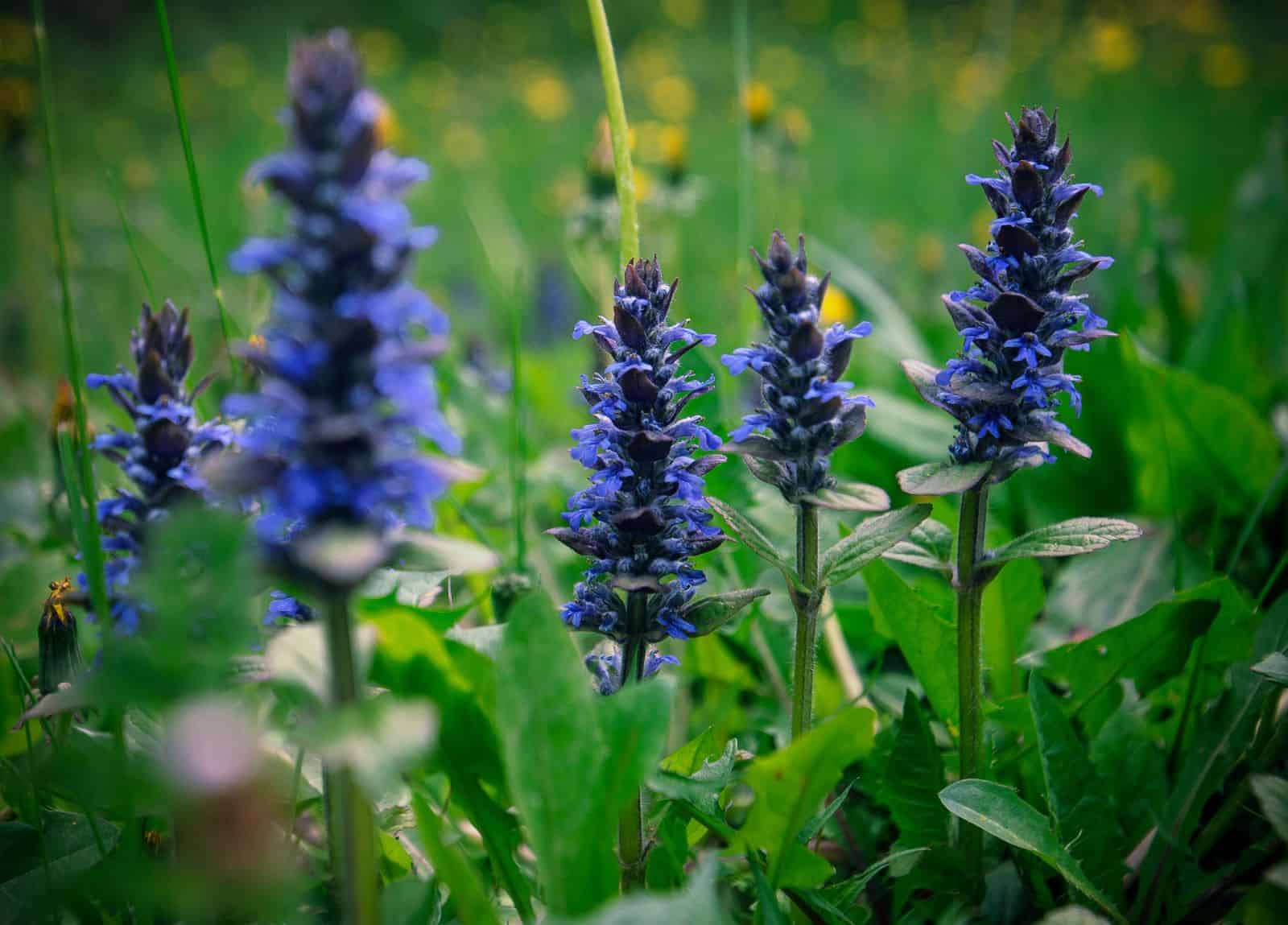
This resilient plant thrives in areas with minimal sunlight, perfect for those shadowy corners of your garden. Ajuga produces charming spikes of blue-purple flowers in the spring, followed by dense foliage throughout the gardening season. It is known for its weed-smothering abilities and low maintenance. Variegated varieties like “Burgundy Glow” add extra visual appeal with pink and silver-tinted leaves. Ajuga returns year after year, ensuring lasting beauty with minimal effort. This hardy and adaptable plant is a must-have for any shaded garden.
Deadnettle
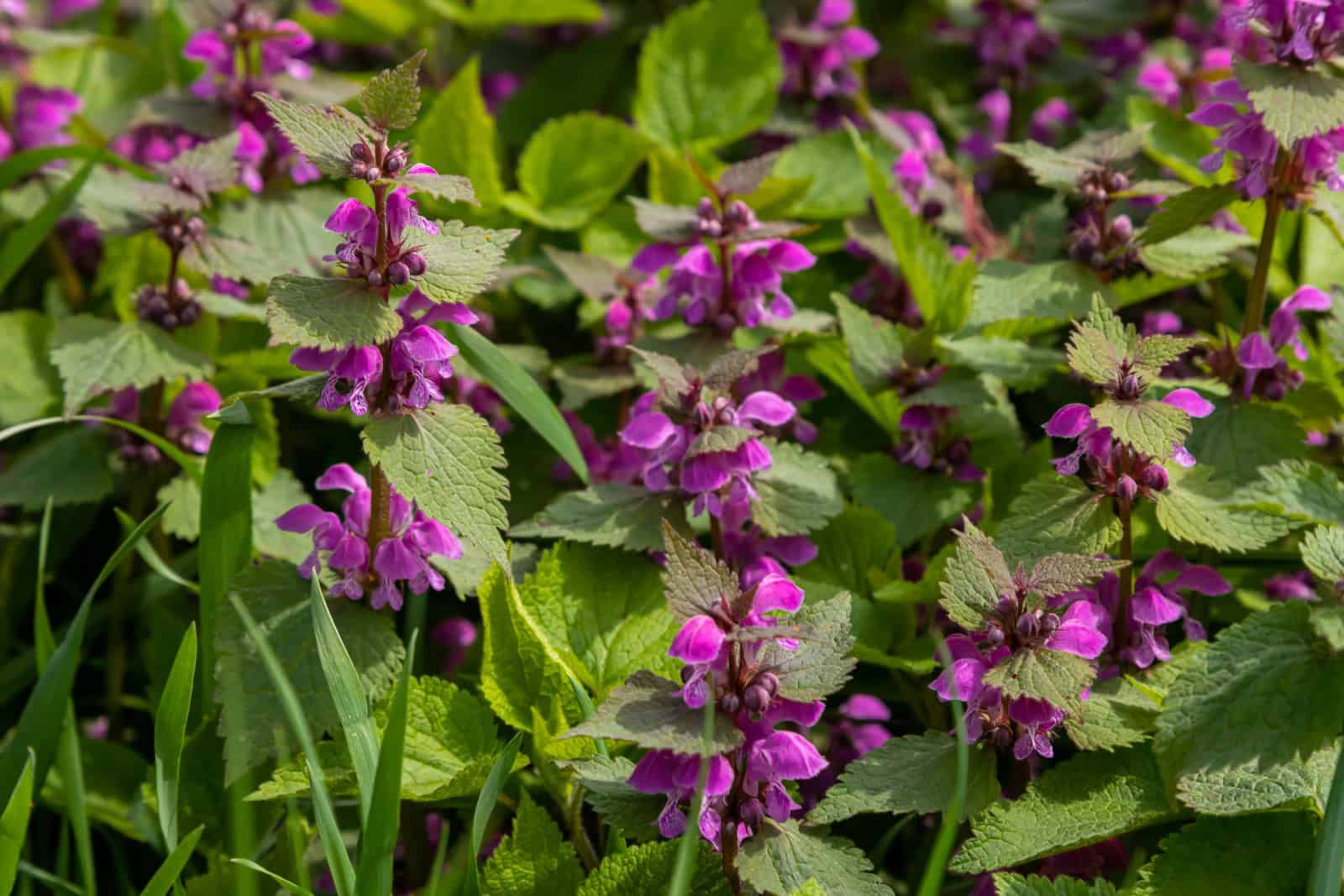
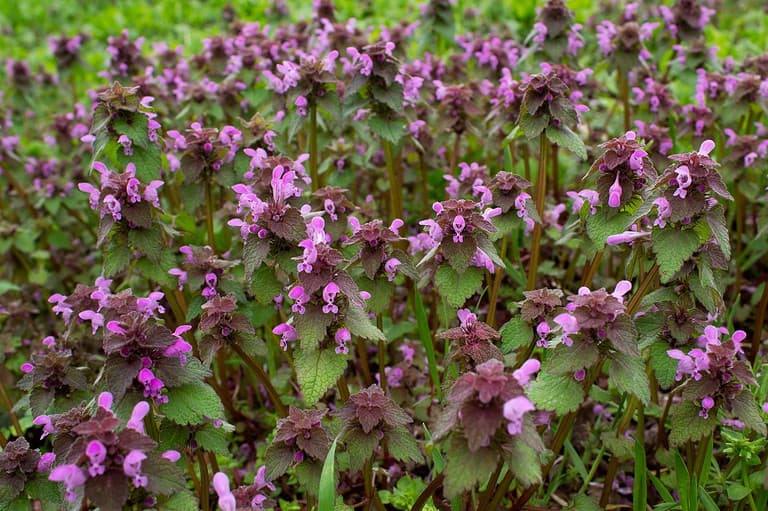
Consider Deadnettle thrives in low-sunlight environments and is drought-tolerant. This small plant features bright green leaves and pink and purple flowers that bloom from spring through fall. It is ideal for filling empty, shaded parts of your yard, but it can be invasive. Spotted dead nettle, a perennial groundcover, grows as an evergreen in warm regions and as a semi-evergreen herbaceous plant elsewhere. This plant tolerates even the driest shady areas with minimal care if planted in full shade.