
Organic gardening is a sustainable approach to cultivating plants without synthetic chemicals. By using natural methods, gardeners can grow healthy vegetables, fruits, and flowers while protecting the environment and promoting biodiversity. Whether you’re a beginner or an experienced gardener, embracing organic practices can improve soil health, reduce pests naturally, and produce nutrient-rich plants. This guide explores practical tips and techniques for successful organic gardening.
Understanding Organic Gardening
Organic gardening focuses on nurturing plants using natural resources. It avoids synthetic fertilizers, pesticides, and herbicides, instead relying on compost, natural pest control, and crop rotation. The goal is to create a balanced ecosystem in which plants can thrive without harmful chemicals. Organic gardening not only improves the quality of your harvest but also supports beneficial insects, soil microorganisms, and wildlife.
Choosing the Right Location
Location is crucial for organic gardening. Most vegetables and flowering plants require six to eight hours of sunlight daily. Select a spot with good drainage and protection from harsh winds. If your garden is in an area with poor soil, raised beds or containers can provide control over soil quality and reduce the risk of waterlogging. Adequate sunlight and airflow encourage healthy plant growth and reduce the likelihood of disease.
Improving Soil Naturally
Healthy soil is the foundation of organic gardening. Start by testing your soil for pH and nutrient levels. Most plants prefer slightly acidic to neutral soil with a pH between 6 and 7. Enrich the soil with organic matter such as compost, well-rotted manure, or leaf mold. These amendments improve soil structure, increase water retention, and provide essential nutrients. Avoid chemical fertilizers, as they can disrupt soil microorganisms and reduce long-term fertility.
Composting: Nature’s Fertilizer
Composting is a key component of organic gardening. By recycling kitchen scraps, yard waste, and plant debris, you create nutrient-rich compost that improves soil fertility. Composting reduces landfill waste and provides plants with slow-release nutrients. To compost effectively, mix green materials (like vegetable scraps) with brown materials (like dried leaves) and keep the pile moist. Turning it regularly speeds up decomposition, producing dark, rich compost in a few months.
Natural Pest Control
Organic gardening relies on natural methods to manage pests. Encourage beneficial insects such as ladybugs, lacewings, and bees, which prey on harmful pests. Companion planting, such as planting marigolds near tomatoes, can deter insects naturally. Neem oil, insecticidal soap, and garlic sprays are safe alternatives to chemical pesticides. Regularly inspecting plants allows early detection and management of infestations before they become severe.
Watering and Mulching
Proper watering is essential for organic gardening. Water plants early in the morning or late in the evening to reduce evaporation. Avoid overhead watering, which can promote fungal diseases; instead, water at the base of plants. Mulching is another effective organic practice. A layer of organic mulch, such as straw, bark, or shredded leaves, helps retain moisture, regulate soil temperature, and suppress weeds. Mulch also decomposes over time, enriching the soil naturally.
Choosing Organic Seeds and Plants
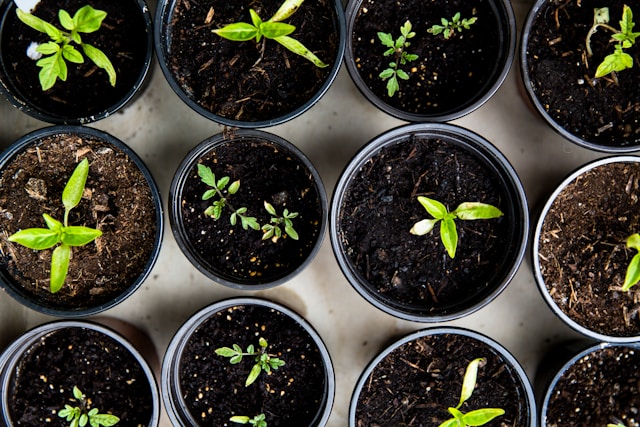
Selecting organic seeds and seedlings ensures your garden starts with chemical-free plants. Organic seeds are grown without synthetic fertilizers or pesticides, promoting healthier growth. Choose varieties adapted to your climate and growing conditions. Starting plants from seeds also allows more control over soil quality and reduces the risk of introducing pests or diseases from nurseries.
Crop Rotation and Companion Planting
Crop rotation is an important organic gardening practice that prevents soil depletion and reduces pests and diseases. Avoid planting the same crop in the same location each season. Rotating plants ensures balanced nutrient use and promotes soil health. Companion planting, such as pairing basil with tomatoes or carrots with onions, can enhance growth, deter pests, and attract beneficial insects. These natural strategies improve overall garden resilience.
Pruning and Plant Care
Regular pruning keeps plants healthy and productive. Remove dead or damaged leaves and stems to prevent disease and encourage airflow. Pruning also helps plants focus energy on fruit and flower production. Support tall or vining plants with stakes or trellises to prevent damage and maximize space. Consistent care, observation, and timely maintenance are essential in organic gardening to ensure plants grow strong and healthy.
Benefits of Organic Gardening
Organic gardening offers numerous benefits. Plants grown organically often have higher nutrient content and better flavor. Avoiding synthetic chemicals protects pollinators and other beneficial wildlife, creating a balanced ecosystem. Organic practices also improve long-term soil fertility, reduce water pollution, and promote sustainable gardening methods. For gardeners, it provides a safer and more satisfying experience, connecting them to nature and the food they grow.
Conclusion
Organic gardening is a sustainable and rewarding way to cultivate plants naturally. By improving soil with compost, practicing crop rotation, using natural pest control, and selecting organic seeds, gardeners can grow healthy, productive plants while protecting the environment. Mulching, proper watering, pruning, and companion planting further support plant growth and resilience.
Whether growing vegetables, herbs, or flowers, organic gardening allows you to enjoy chemical-free produce, vibrant blooms, and a thriving garden ecosystem. By embracing natural methods and consistent care, you can cultivate a garden that is not only productive but also environmentally friendly and enjoyable. Organic gardening connects you to the cycles of nature, offering both nourishment and fulfillment with every harvest.