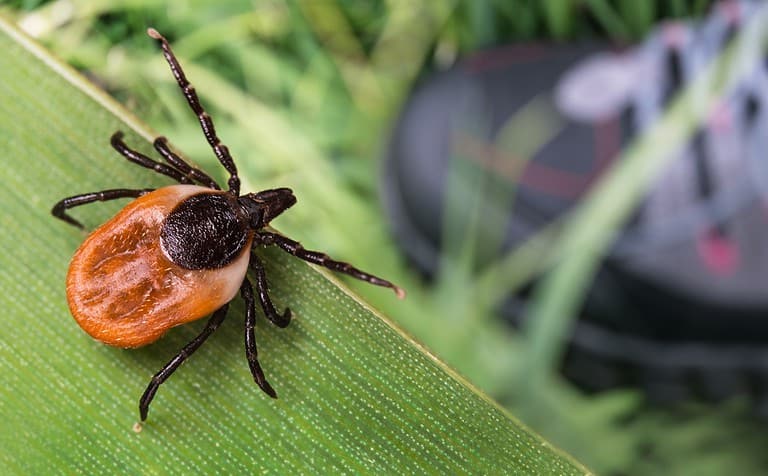
Most flowers are prized for their beauty, but some have looks that only a gardener can love. These “ugly” blooms often have unique shapes, odd colors, or an unconventional appeal. Beneath their lackluster appearances, many serve essential roles in the garden, from supporting wildlife to thriving in harsh conditions.
Here’s a list of these odd beauties and why they deserve a spot in your garden.
Advertisement
Pigface (Carpobrotus spp.)
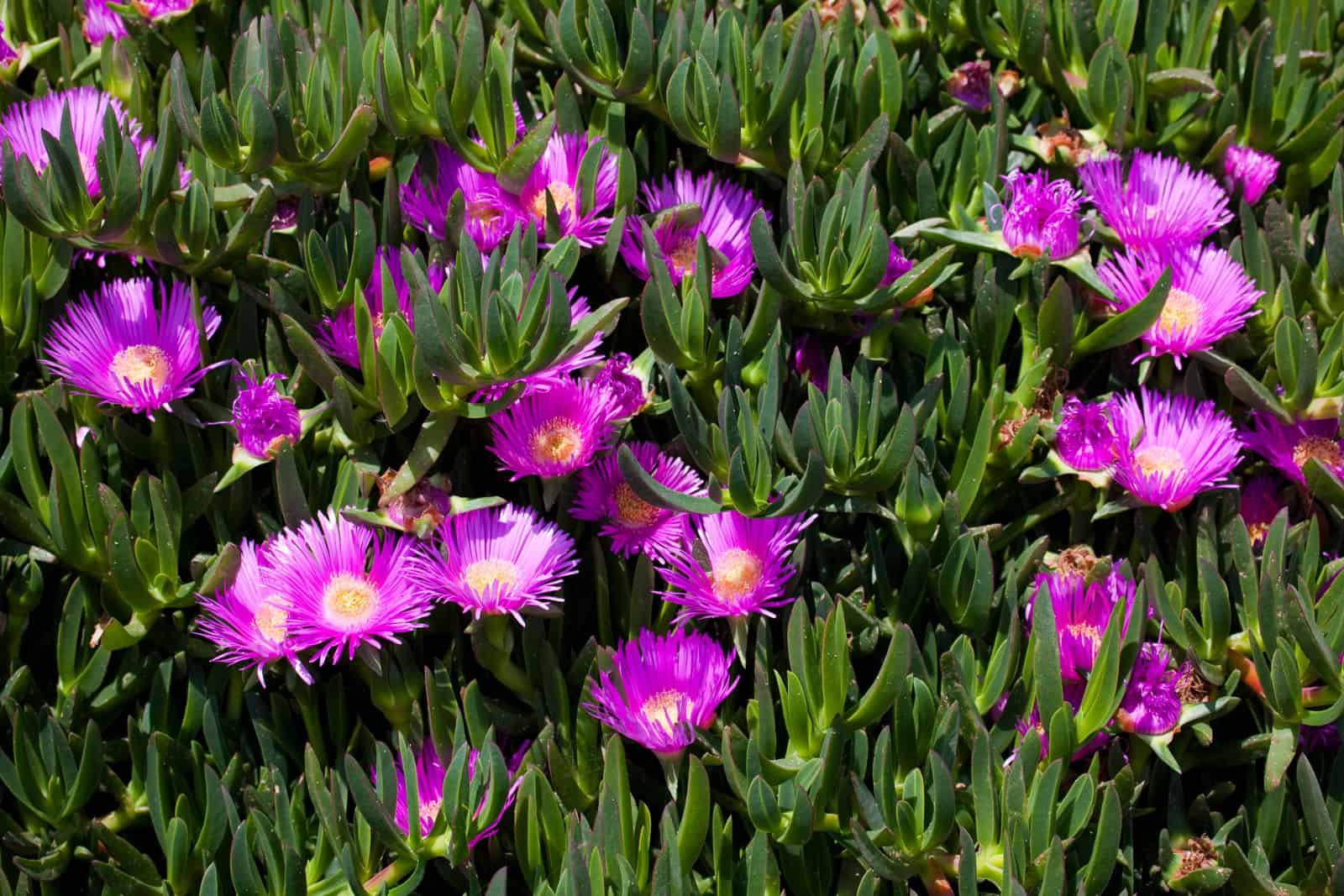
Pigface, with its thick, fleshy leaves and bright but somewhat awkward-looking flowers, may not win a beauty contest. This succulent is tough and can handle sandy soils, drought, and salt, making it a popular choice in coastal gardens. Its resilience and colorful blooms attract pollinators like bees, adding ecological value.
Hardiness Zone: 8-11
Watering Needs: Low water needs, drought-tolerant once established.
Skunk Cabbage (Symplocarpus foetidus)
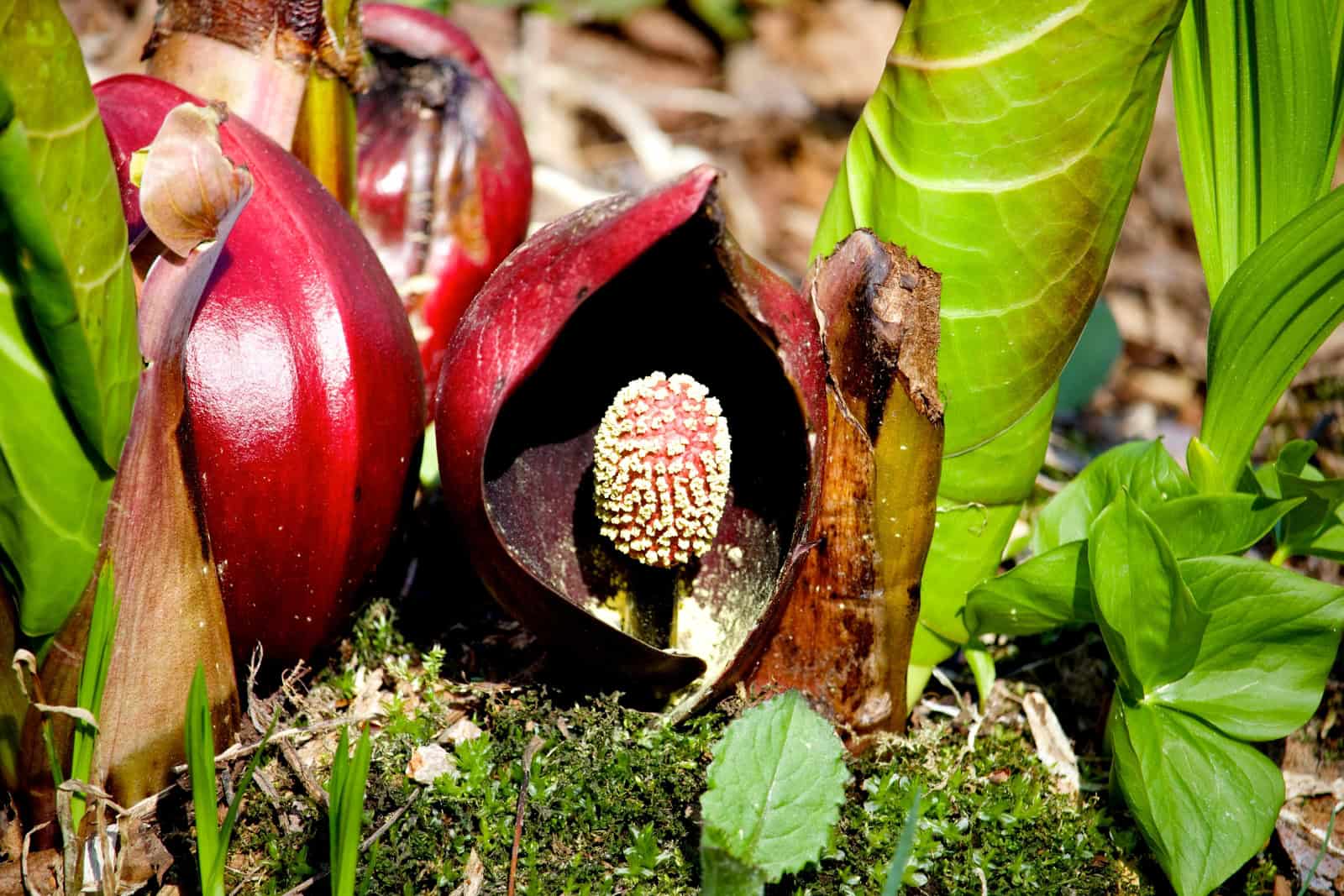
Skunk cabbage features large, glossy leaves that grow directly from the ground, and its bloom is a fleshy, purple flower that resembles something more fitting for a swamp. Its smell, which is comparable to rotten meat, only adds to its unappealing nature. However, this plant is vital for early-season pollinators, especially flies, which it attracts with its foul odor.
Hardiness Zone: 6-8
Watering Needs: Regular watering to keep the soil moist but not soggy.
Corpse Flower (Amorphophallus titanum)

Known for its infamous smell, the corpse flower is notorious for emitting a scent reminiscent of rotting flesh. The giant bloom, which can grow over eight feet tall, is a rare spectacle. Though its foul smell deters many, the corpse flower attracts beetles and flies essential for pollination. Its towering structure and unique life cycle add intrigue to any collection, even if it’s far from the prettiest plant in the garden.
Hardiness Zone: 7-10
Watering Needs: Regular watering to ensure that the soil is consistently moist.
Toad Lily (Tricyrtis hirta)
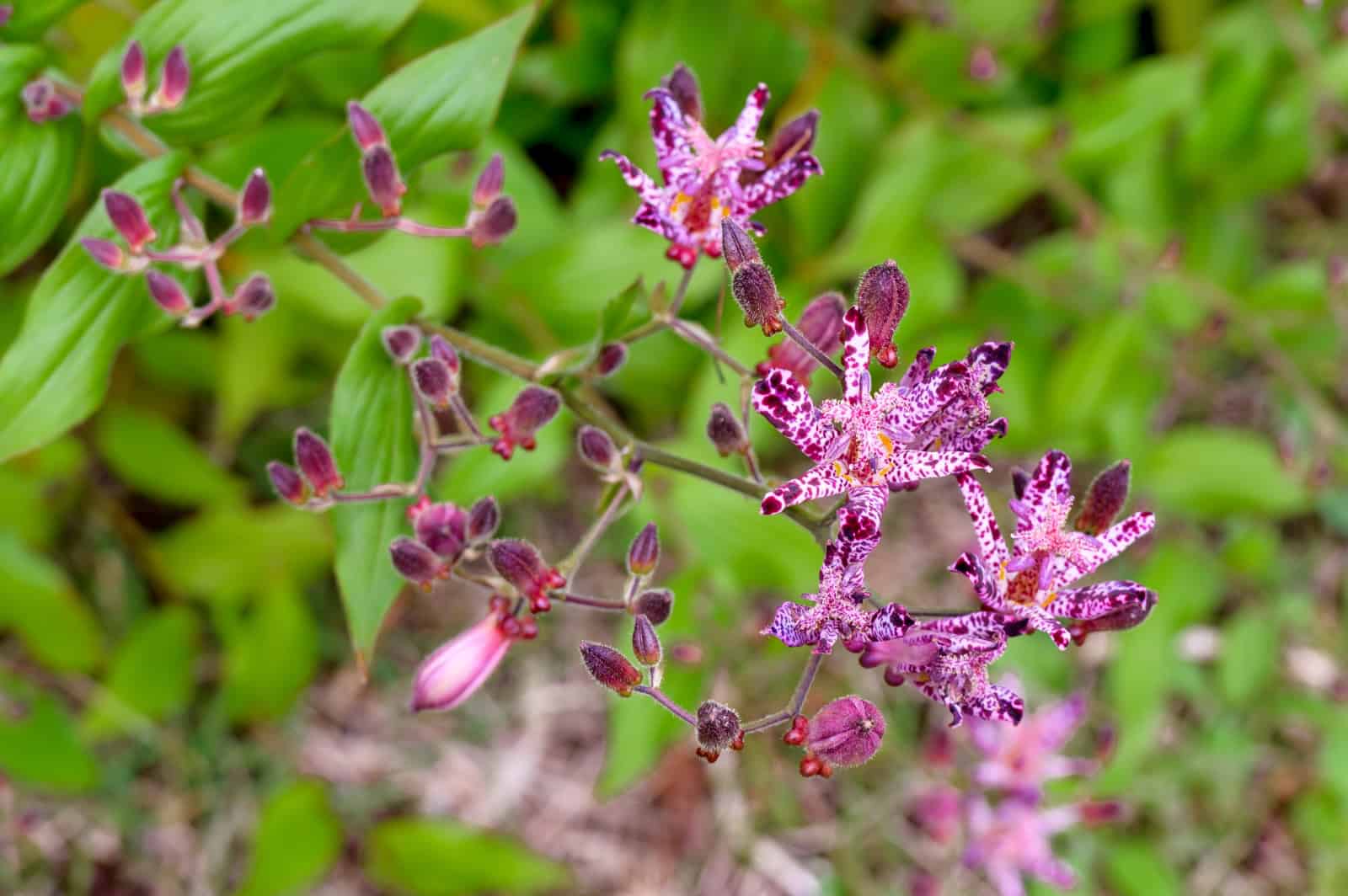
Toad lilies have small, spotted flowers that may look more like amphibians than blooms. Their unusual appearance and speckled petals might not appeal to everyone, yet these hardy plants bloom in late summer and fall, adding color when other flowers fade. Toad lilies thrive in shade, providing beauty in challenging spots and attracting pollinators like bees.
Hardiness Zone: 4-8
Watering Needs: Moderate watering to ensure well-drained, moist soil.
Sneezeweed (Helenium autumnale)
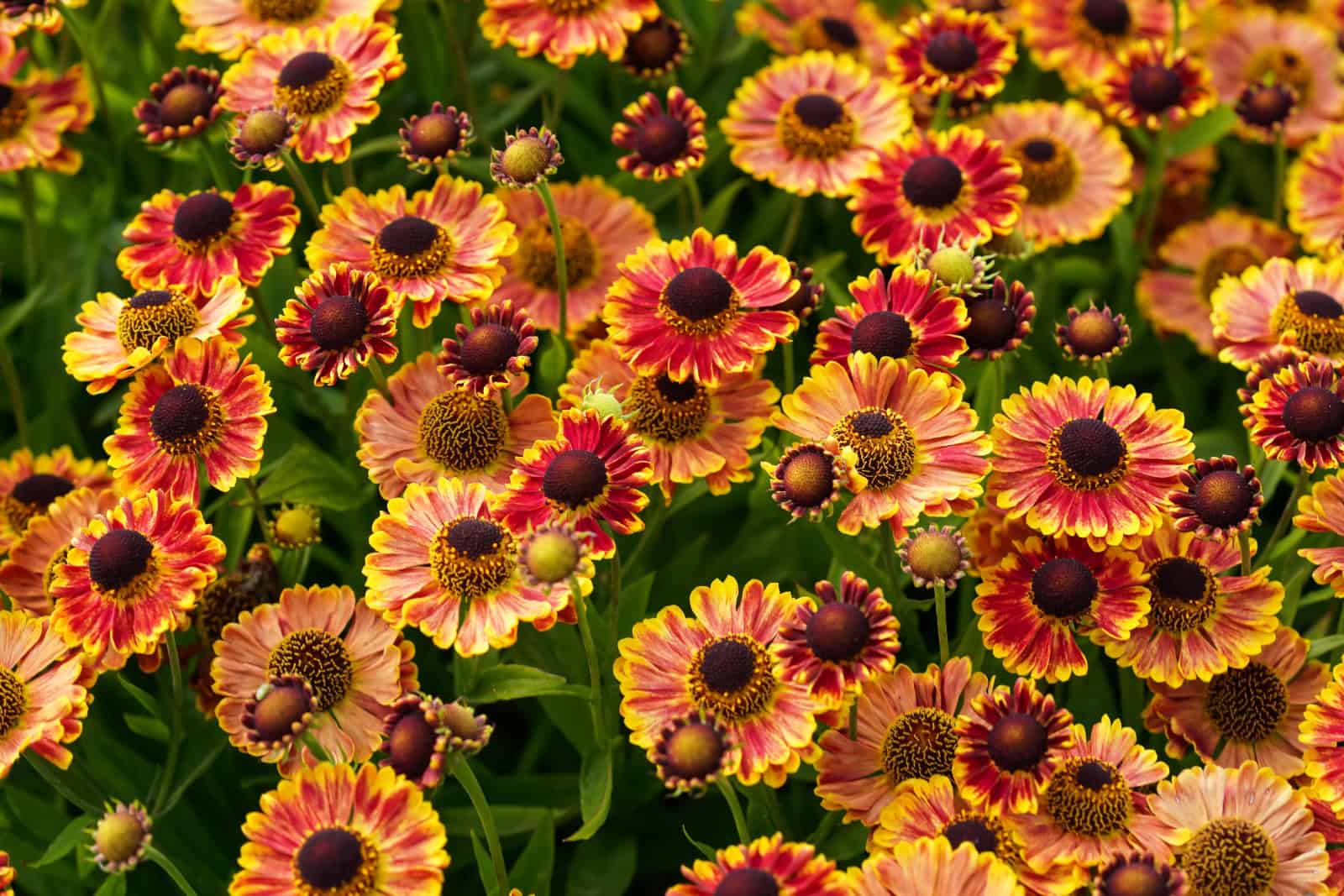
Sneezeweed may not sound attractive, and its yellow, daisy-like flowers with raised centers give it a wild, somewhat scraggly appearance. Despite its looks, sneezeweed has practical uses and a long history in folk medicine. Resistant to most pests, its flowers, which bloom late in the season, attract bees and butterflies, making it a useful addition to pollinator-friendly gardens.
Hardiness Zone: 4-9
Watering Needs: Prefers moist soil, but can tolerate some drought once established.
Carrion Flower (Stapelia gigantea)
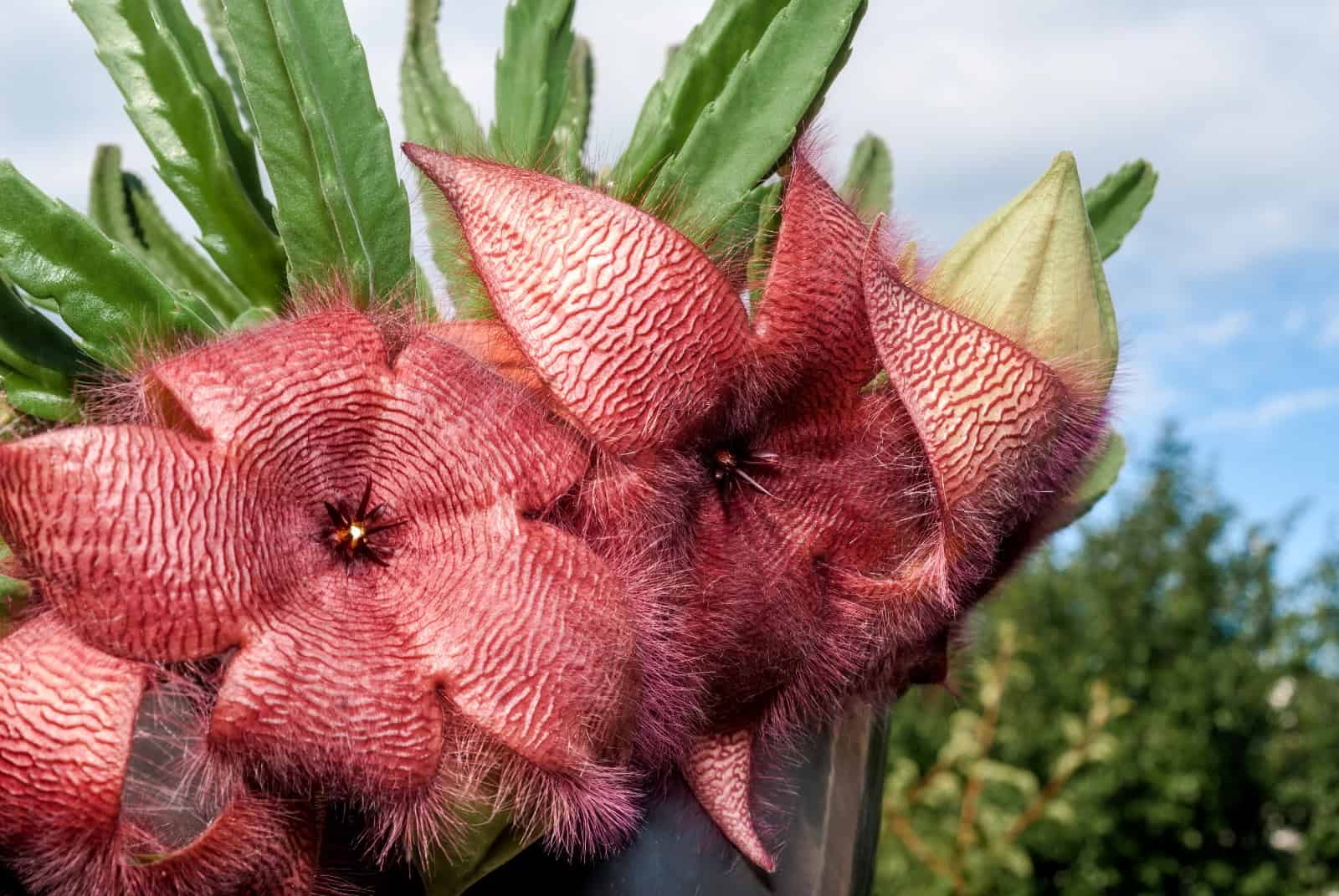
The carrion flower, with its star-shaped blooms and maroon coloration, often resembles a piece of rotting meat. Its primary purpose is to attract flies for pollination, which it does with an unmistakable smell similar to decaying flesh. This succulent, hardy in warm climates, is a unique addition to rock or desert gardens.
Hardiness Zone: 9-11
Watering Needs: Water sparingly, and allow soil to dry out completely between waterings.
Jack-in-the-Pulpit (Arisaema triphyllum)
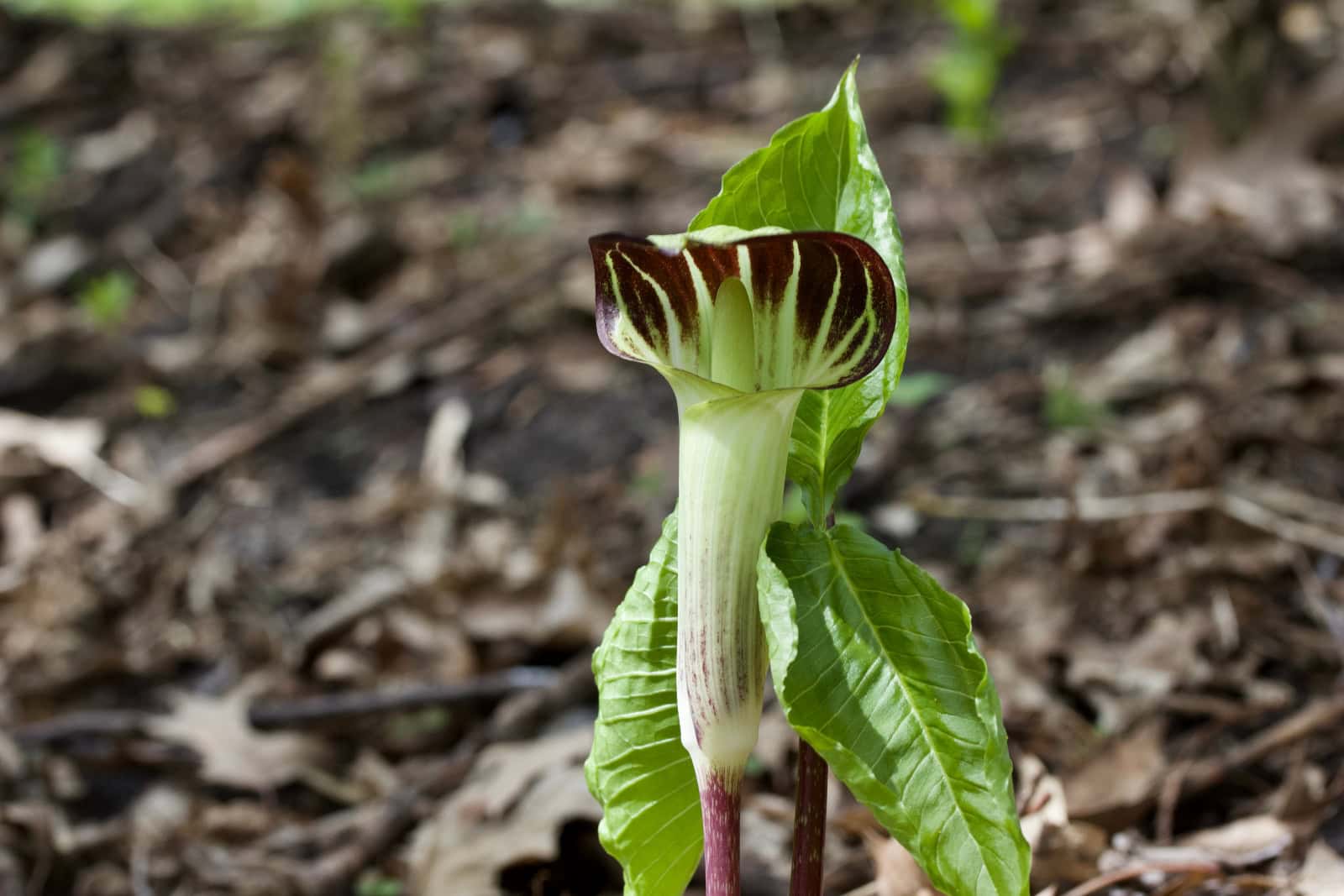
The jack-in-the-pulpit’s bloom is a hood-like structure that encloses a spike, giving it an odd, somewhat awkward appearance. The plant’s unassuming green or purplish color and its resemblance to a preacher in a pulpit might not be the most eye-catching, however, it’s a native woodland plant that thrives in shade and provides food for birds, particularly with its bright red berries in fall.
Hardiness Zone: 4-9
Watering Needs: Keep the soil consistently moist, especially during the growing season.
Dead Nettle (Lamium spp.)
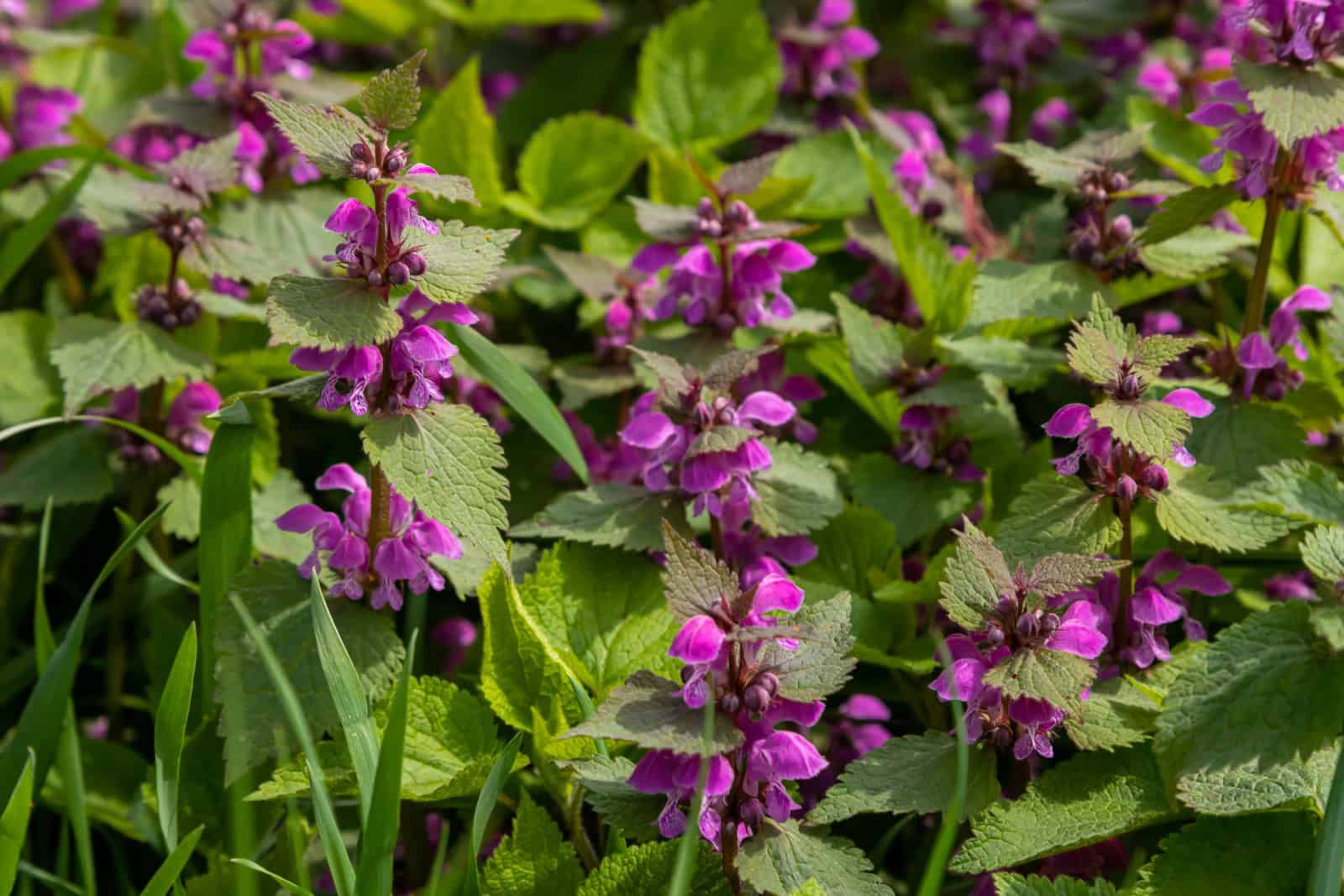
Dead nettle might look like a weed, but it’s a versatile ground cover with fuzzy leaves and small pink or white flowers. Its name and somewhat weedy appearance can be off-putting, yet dead nettle thrives in shady spots where other plants fail. This plant is also helpful for erosion control and attracts bees.
Hardiness Zone: 3-8
Watering Needs: Water regularly but ensure soil is well-drained.
Stinking Hellebore (Helleborus foetidus)
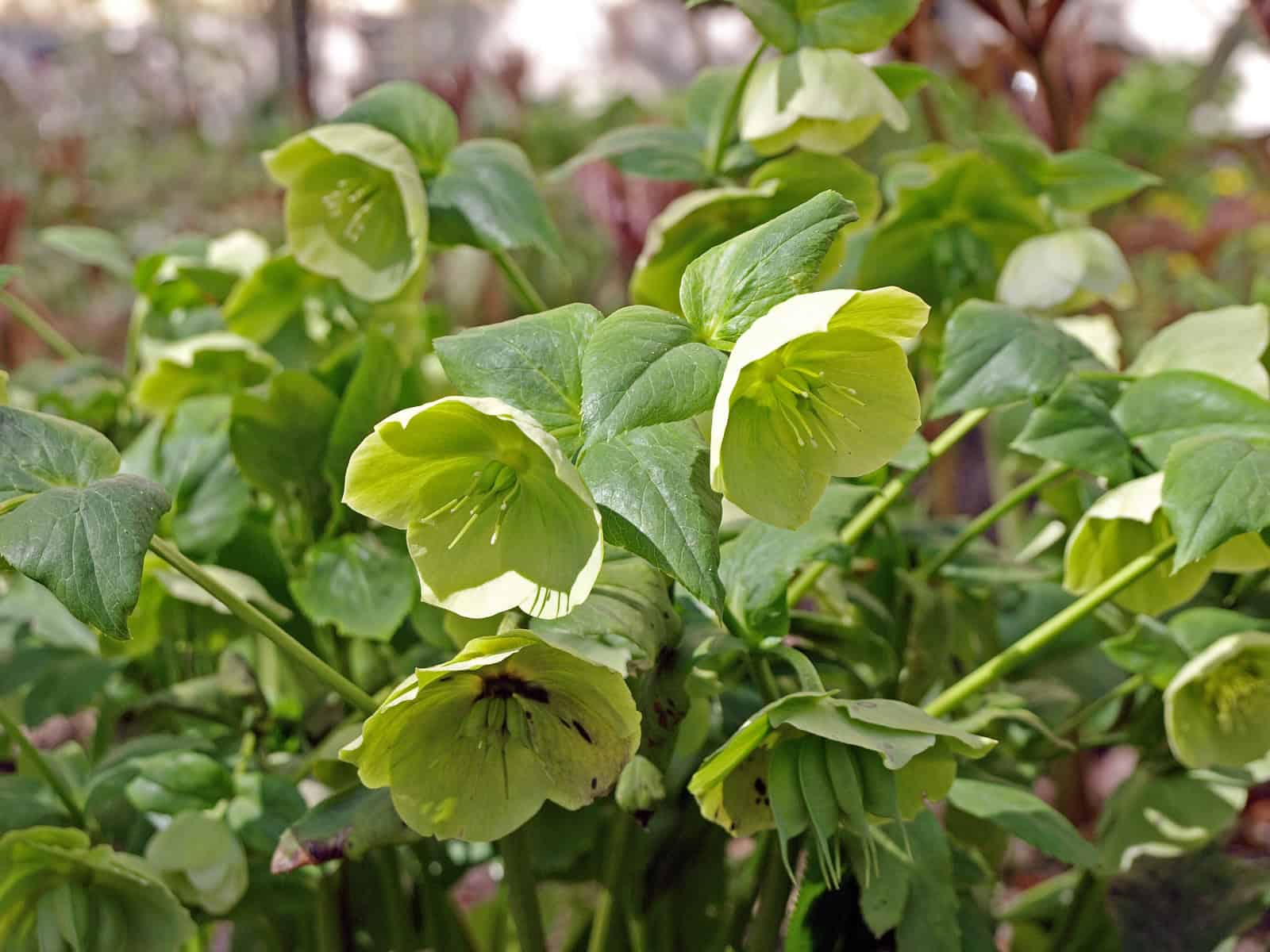
With its small, greenish flowers and leathery, dark leaves, stinking hellebore often fails to capture the imagination. The unpleasant smell that emanates from its blooms adds to its unattractive nature. Still, it blooms in winter, offering much-needed color during a season when most plants are dormant. While they might not charm with their looks, Hellebores are deer-resistant, easy to grow, and support early pollinators.
Hardiness Zone: 5-8
Watering Needs: Moderate watering, prefers well-drained, moist soil.
Lungwort (Pulmonaria spp.)

Lungwort has spotted, silvery leaves that may look like mildew or disease, and its small flowers are subtle in color and size. It often doesn’t catch the eye in the same way as more dramatic blooms. However, its early spring flowers provide essential nectar for bees, and its resilience in shady, moist areas makes it an excellent ground cover, eliminating weeds.
Hardiness Zone: 2-8
Watering Needs: Prefers moist, well-drained soil, regular watering is essential.
Crown Imperial (Fritillaria imperialis)

The crown imperial has a strange, downward-facing bloom that hangs in clusters beneath a crown of green leaves. Its orange or yellow blooms are beautiful in an unconventional way, but the plant emits a musky smell that deters many gardeners. Despite its odd shape and smell, Crown Imperial is hardy, pest-resistant, and can create a dramatic focal point in spring gardens.
Hardiness Zone: 5-8
Watering Needs: Moderate watering, prefers well-drained soil.