Marigolds are popular with gardeners because they add color and can even help protect other plants. But many people struggle to keep them healthy or get them to bloom the way they hope.
The biggest mistake you might be making with marigolds is related to how you care for their space and growth needs. Getting this part right can make a big difference in how well your marigolds thrive.
Advertisement
Planting marigolds too close to tomatoes causing competition for nutrients

When you plant marigolds too close to your tomatoes, they can end up competing for water and nutrients. This can slow down the growth of your tomatoes since they need plenty of resources to produce fruit.
Give each plant enough space to grow. Keeping marigolds a little farther away from tomatoes helps both plants thrive without stealing from each other. For tips on spacing, check out this guide on marigolds and tomatoes.
Using high nitrogen fertilizer leading to lush leaves but few blooms

If you use too much nitrogen, your marigolds will grow big, green leaves but won’t produce many flowers. Nitrogen helps with leafy growth, but it can throw off the balance your plants need.
To get more blooms, switch to a fertilizer higher in phosphorus instead. This encourages flower development instead of just green growth. You’ll find tips about this issue in this article on the fertilizer mistake that could prevent marigolds from flowering.
Ignoring proper spacing which reduces airflow and promotes disease

If you plant marigolds too close together, they won’t get enough airflow. This can lead to damp conditions, which promote disease.
Giving them enough space, usually about 8 inches for most types, helps keep the plants healthy and dry. Check the seed packet or plant tag to know the right spacing for your marigolds. Proper spacing makes a big difference in disease prevention and overall growth.
Not deadheading wilted flowers to prevent pathogen growth

If you don’t deadhead your marigolds, wilted flowers can stick around and invite pathogens. These old blooms can become a breeding ground for diseases that harm your plant.
By regularly removing dead flowers, you keep your marigolds healthy and reduce the risk of infections. It also helps your garden look tidier and encourages new blooms to grow.
Overwatering marigolds causing root rot due to poor drainage
If you keep watering your marigolds too much, their roots can start to rot. This usually happens because the soil doesn’t drain well, leaving the roots sitting in water.
To fix this, make sure your pots or garden beds have good drainage. Let the soil dry out a bit before watering again to keep your marigolds healthy and happy. For more tips, check out care advice on overwatered marigolds.
Adding garden soil to potting mix making it retain too much moisture

If you mix garden soil into potting mix, you might notice your marigolds’ soil stays too soggy. Garden soil is denser and can hold water longer, which reduces drainage in pots.
This can cause root problems because marigolds prefer well-drained soil. To fix this, try loosening the soil with sand or compost to improve airflow and water flow. Use a clean tool to gently break up the mix for better drainage. For more tips, check this explanation about garden soil vs potting mix.
Choosing the wrong marigold variety instead of French marigolds for companions

If you want marigolds to help your garden, picking the right variety matters. French marigolds are usually the best choice for companion planting because they repel pests without using too much water.
Other varieties, like Mexican marigolds, can help too but may not be as reliable. So, stick with French marigolds to get the most benefit for your veggies.
Planting marigolds without considering their sunlight needs

One common mistake is planting marigolds in spots that don’t get enough sun. Your marigolds need at least six to eight hours of direct sunlight to thrive.
If your summers get really hot, try giving them some shade in the afternoons. This helps protect them without cutting back on needed light.
Neglecting to thin out seedlings resulting in overcrowding

If you don’t thin your marigold seedlings, they’ll get crowded quickly. That means less space for each plant to grow strong and healthy.
Overcrowded seedlings compete for light, water, and nutrients, which can stunt their growth. You want to snip weaker seedlings at the soil line instead of pulling to avoid disturbing others. For tips on thinning marigolds, check out this thinning guide.
Forgetting to pick dead flowers which can harbor pests
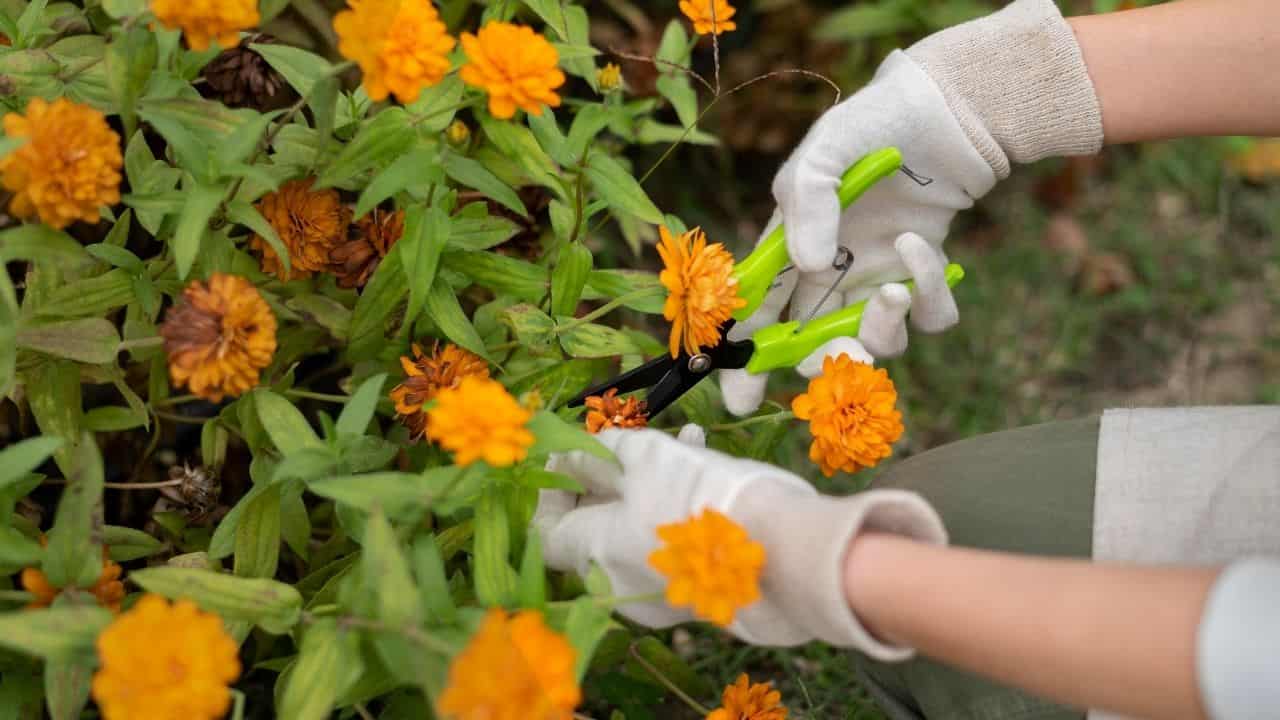
If you leave dead marigold flowers on your plants, they can become a hiding spot for pests. These old blooms create a cozy environment where insects might multiply.
To keep your garden healthy, make it a habit to regularly pinch off or prune spent flowers. This simple step helps reduce the chance of pest problems and keeps your marigolds looking fresh and vibrant.