Knowing when and how to prune your hydrangeas can make a big difference in how well they bloom each season. If you cut them at the wrong time or in the wrong way, you risk losing those beautiful flowers you look forward to.
The key to keeping your hydrangeas healthy and blooming is to understand the right timing and pruning techniques for each type of plant. This guide will help you avoid common pruning mistakes so your hydrangeas stay looking their best without sacrificing blooms.
Advertisement
Identify your hydrangea type to determine pruning timing

First, figure out which type of hydrangea you have. Bigleaf hydrangeas bloom on old wood, so you’ll want to prune them in late summer or early fall. Smooth hydrangeas, on the other hand, flower on new wood, letting you prune them safely in early spring before buds appear.
Knowing your hydrangea’s type helps you avoid cutting off next year’s flowers. For more details, check this guide on how and when to prune different hydrangeas.
Prune hydrangeas that bloom on new wood in late fall or early spring
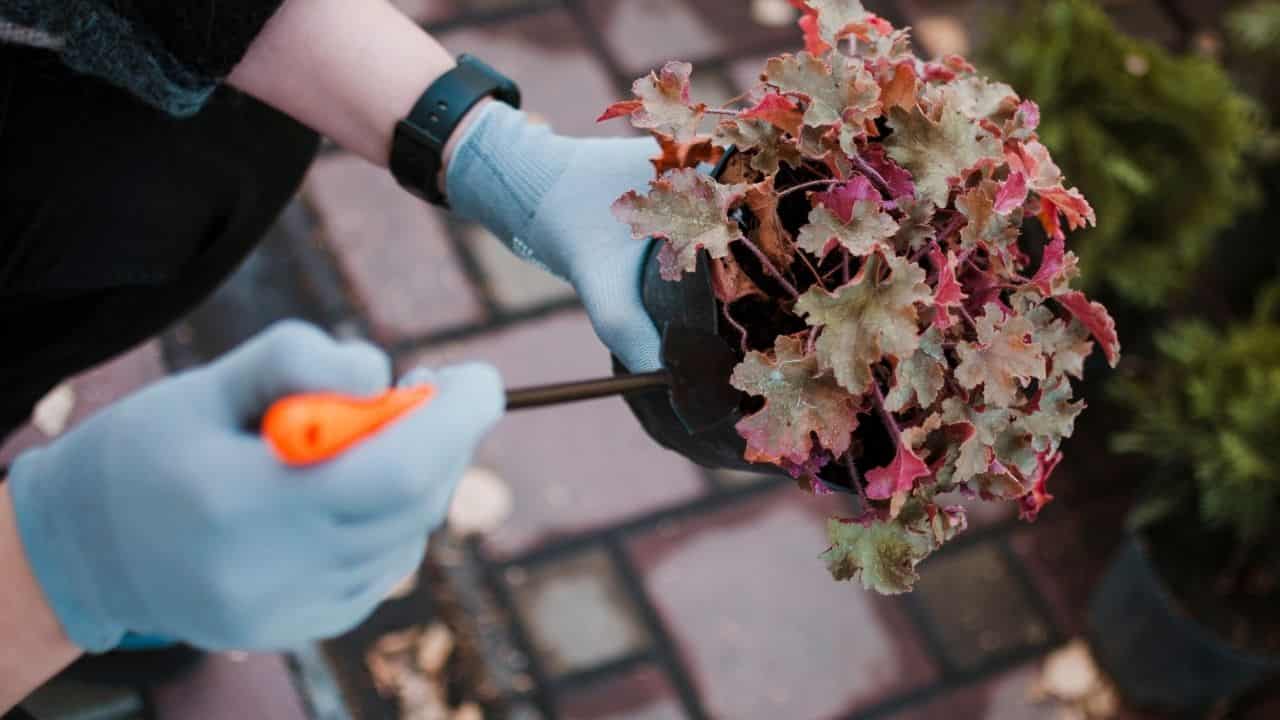
If your hydrangea blooms on new wood, you can prune it in late fall or early spring. These times work because the plant is either dormant or hasn’t started growing yet. You won’t risk cutting off flower buds that form later in spring.
Just wait until all growth has stopped before you start trimming to help your hydrangea bloom well next season.
Trim panicle and smooth hydrangeas just before growth starts in early spring
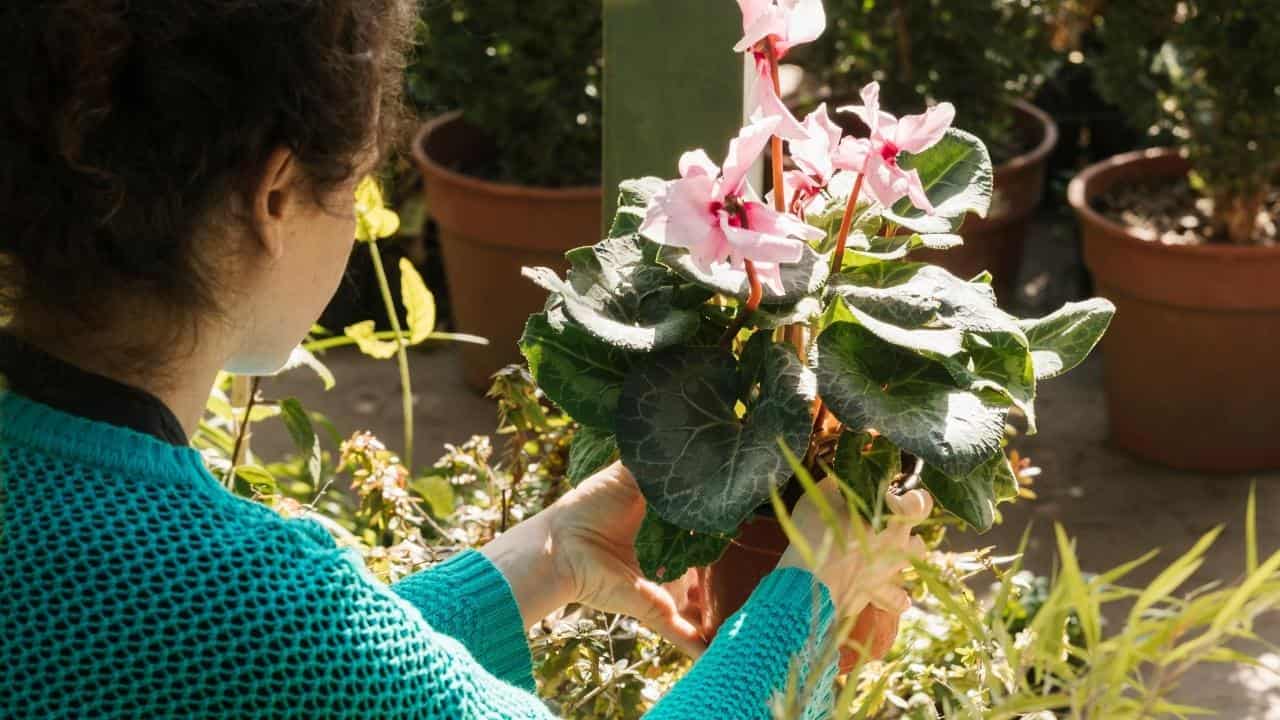
You want to prune panicle and smooth hydrangeas right before new growth begins in early spring. This timing helps you avoid cutting off any flower buds. Cut back stems to just above healthy buds. This encourages strong growth and plenty of blooms.
Waiting until growth starts ensures your hydrangeas stay healthy and bloom well next season. For details, check out how to prune panicle hydrangeas.
Cut back dead or weak stems in late winter or early spring
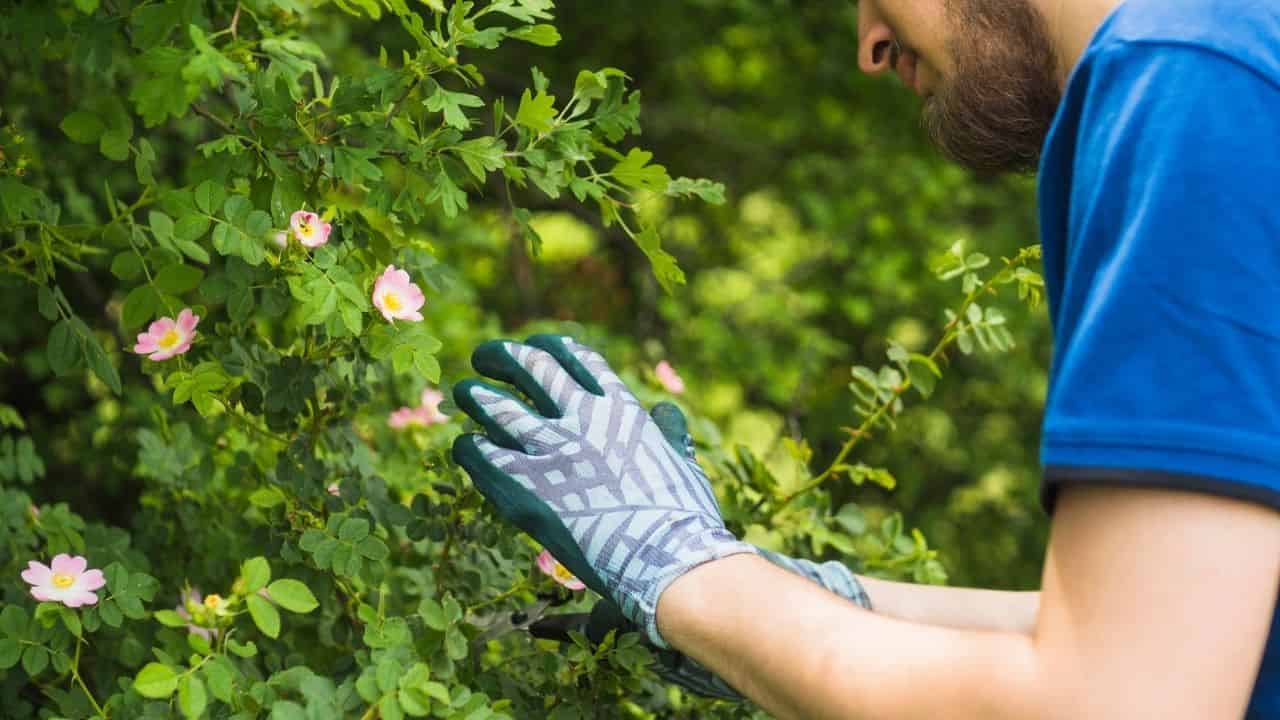
You want to start by removing any dead or weak stems when your hydrangea is still dormant. Check carefully for brown, dry branches before cutting to avoid removing healthy wood.
Doing this clean-up in late winter or early spring helps your plant focus its energy on new growth and better blooms later. Avoid cutting too much to keep the structure strong. For more details, see how to prune hydrangeas in late winter or early spring.
Remove old flowering stems right after blooms fade in summer
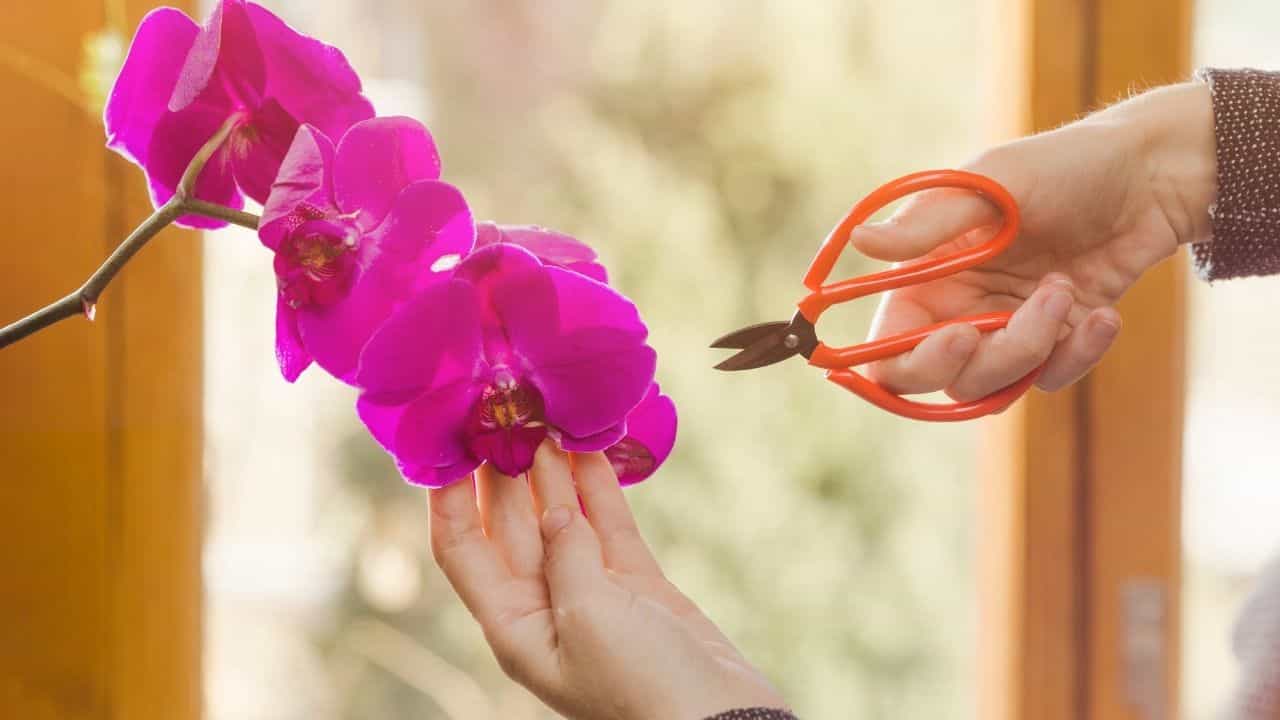
Once your hydrangea flowers start to fade, it’s a good time to cut back those old stems. Removing spent blooms helps your plant focus energy on new growth.
You don’t need to be too precise—just snip off the flower heads and any weak or dead stems. This keeps your hydrangea looking tidy and encourages more blooms next season.
Avoid heavy pruning of old wood bloomers after mid-summer to protect buds
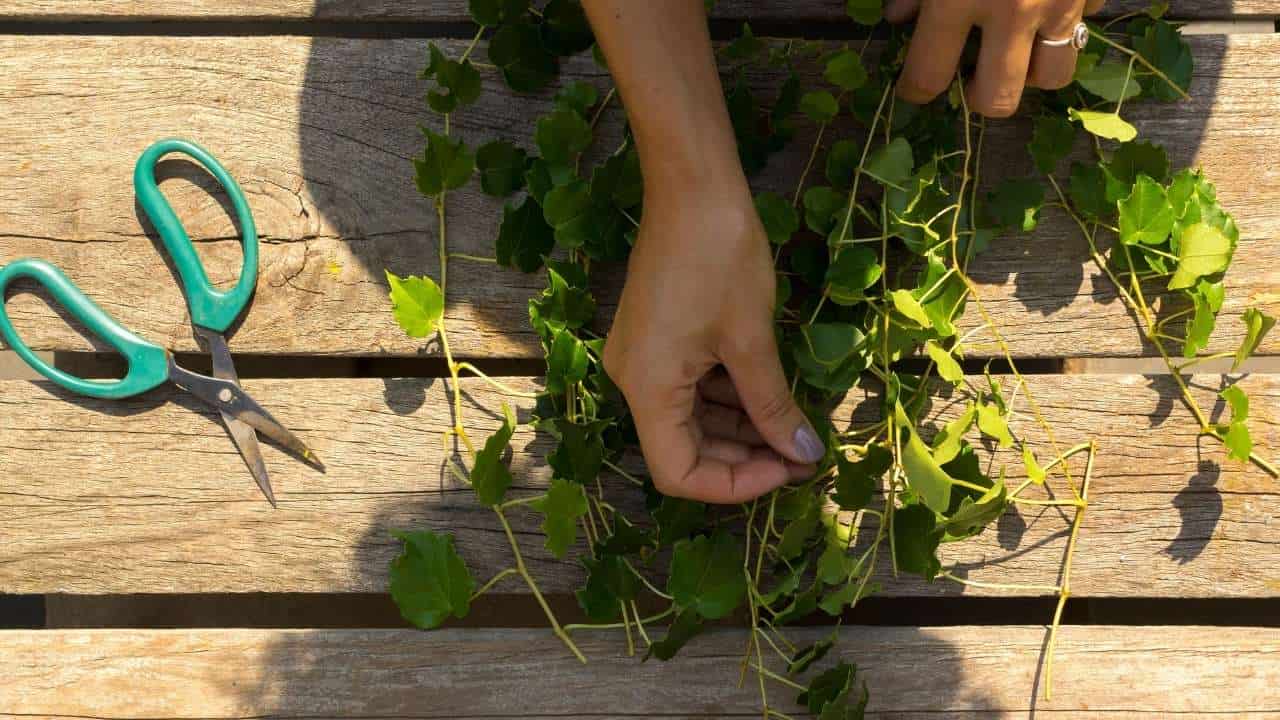
If your hydrangea blooms on old wood, hold off on heavy pruning after mid-summer. Cutting too much can remove the buds that form for next year’s flowers.
Light trimming is fine to tidy up, but major cuts are best done earlier in the season. This helps keep those buds safe and ready to bloom next spring.
Make heading cuts just above a fat bud to encourage healthy growth

When you prune, cut just above a fat bud, also called a heading cut. This helps new stems grow strong and leads to better blooms. Look for plump buds near the stem tips. Cutting too low can hurt the plant’s ability to flower next season.
Doing this in late winter or early spring gives your hydrangea a fresh start without risking those beautiful blooms.
Trim no more than one-third of the stem length to avoid stressing the plant

When you prune your hydrangeas, don’t cut back too much. Trimming no more than one-third of the stem helps keep the plant healthy.
Cutting too far can stress your hydrangea and reduce blooms. Stick to this rule, especially before September, to keep things balanced and growing strong.
Leave spent blooms through winter for architectural interest if you like
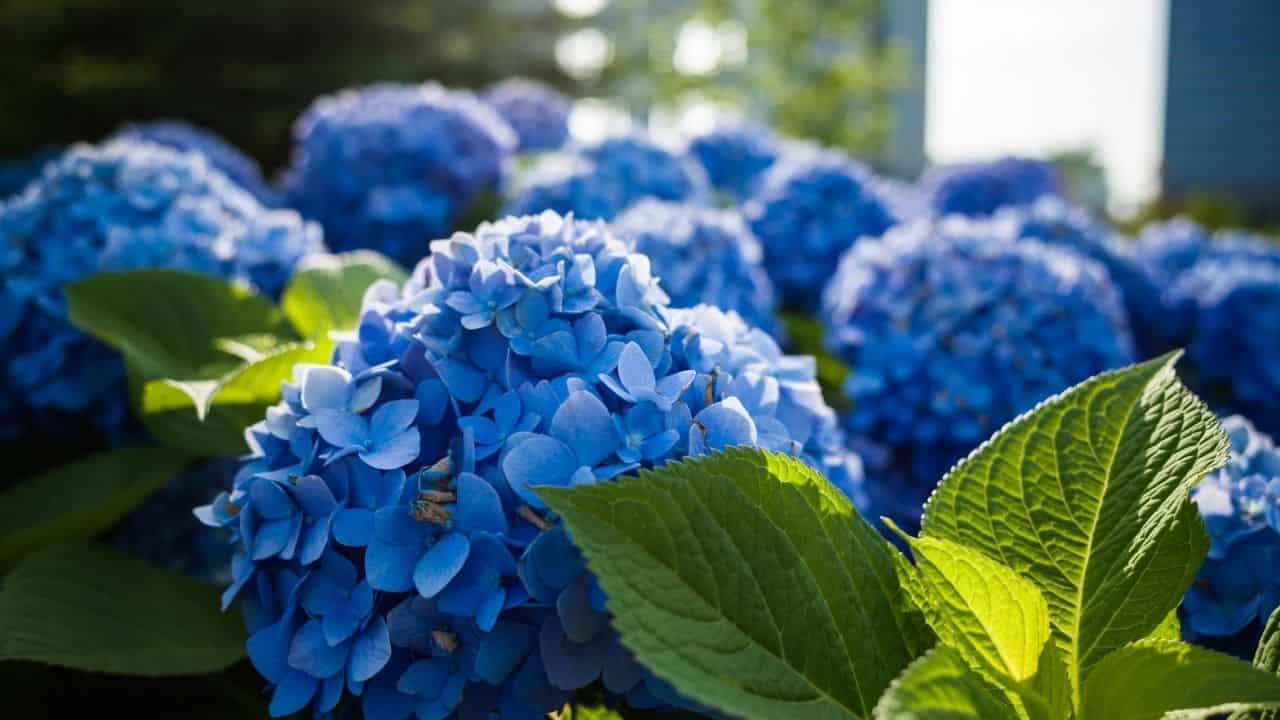
You can leave spent hydrangea blooms on your plant throughout winter. They add texture and shape to your garden during the colder months.
If you enjoy that look, just wait to prune until spring. This way, your plant keeps some visual interest and isn’t cut back too early. For a tidier winter appearance, you might prefer to prune them off before snow arrives, but it’s really up to your style.
Avoid pruning climbing hydrangeas until after summer flowering finishes
You want to wait until your climbing hydrangea finishes blooming in late summer before pruning. Cutting it back too early can remove the buds that will turn into next year’s flowers.
Pruning right after blooming gives new growth time to develop flower buds for the following season. This way, your plant stays healthy and keeps putting on a good show every year.