
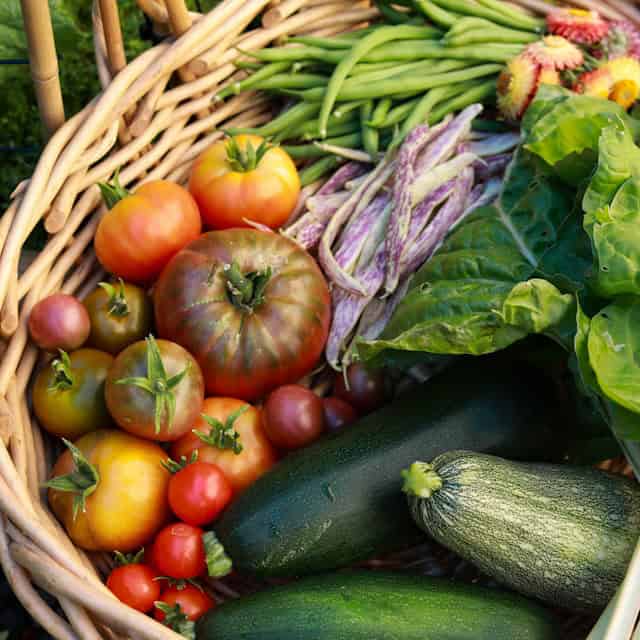
Organic gardening is a sustainable and rewarding way to grow fruits, vegetables, and flowers at home without relying on synthetic chemicals. By focusing on natural soil enrichment, eco-friendly pest control, and environmentally conscious practices, organic gardening promotes healthy plants, delicious produce, and a thriving ecosystem. Whether you have a backyard, balcony, or small indoor space, starting an organic garden at home is achievable with the right approach.
This guide outlines essential steps to begin organic gardening, from preparing your garden space to maintaining soil health and controlling pests naturally.
Why Choose Organic Gardening
Organic gardening offers multiple benefits for your health, environment, and garden productivity:
- Chemical-free produce: Growing your own fruits and vegetables ensures that your food is free from synthetic pesticides and fertilizers.
- Soil health: Organic practices improve soil structure, fertility, and microbial activity.
- Environmental impact: Reduces chemical runoff and supports local biodiversity, including pollinators and beneficial insects.
- Sustainable living: Encourages responsible gardening practices that preserve resources for the future.
By choosing organic gardening, you create a safe and healthy space for both your plants and your family.
Step 1: Choose the Right Location
The success of your organic garden starts with selecting an appropriate location:
- Sunlight: Most vegetables and flowers need at least 6–8 hours of direct sunlight per day. Observe your space and choose a sunny spot for your garden.
- Water access: Ensure easy access to water for irrigation, whether from a hose, rain barrel, or watering can.
- Protection: Choose a location sheltered from strong winds or heavy rain that could damage delicate plants.
Even small spaces like balconies, patios, or window sills can support container-based organic gardens.
Step 2: Prepare the Soil
Healthy soil is the foundation of organic gardening:
- Test your soil: Check pH and nutrient levels to determine what amendments are needed. Most vegetables prefer slightly acidic to neutral soil (pH 6.0–7.0).
- Add organic matter: Incorporate compost, well-rotted manure, or leaf mold to improve soil fertility, structure, and water retention.
- Avoid synthetic fertilizers: Use natural amendments like bone meal, rock phosphate, or kelp meal to provide essential nutrients.
- Mulch: Apply organic mulch to conserve moisture, suppress weeds, and slowly enrich the soil as it decomposes.
Healthy, nutrient-rich soil supports strong, productive plants without chemical inputs.
Step 3: Select Organic Seeds and Plants
Choosing the right seeds or seedlings is critical for an organic garden:
- Certified organic seeds: Purchase seeds labeled as organic to avoid genetically modified or chemically treated varieties.
- Heirloom varieties: These plants often have superior flavor and resilience.
- Disease-resistant plants: Choose varieties suited to your local climate and resistant to common pests and diseases.
Starting with quality organic seeds ensures that your garden remains chemical-free from the beginning.
Step 4: Use Natural Fertilizers
Instead of synthetic fertilizers, organic gardeners rely on natural sources of nutrients:
- Compost tea: Liquid extract from compost provides a nutrient boost and supports beneficial microbes.
- Vermicompost: Worm castings improve soil fertility and structure.
- Green manure: Plant cover crops like clover or legumes to enrich the soil naturally.
- Fish emulsion or seaweed extract: Provides nitrogen, potassium, and trace minerals for healthy growth.
Regular application of natural fertilizers nourishes plants without harming the environment.
Step 5: Implement Eco-Friendly Pest Control
Organic gardening uses natural methods to prevent and manage pests:
- Companion planting: Grow pest-repelling plants like marigolds, basil, and chives alongside crops.
- Beneficial insects: Encourage ladybugs, lacewings, and predatory wasps to control harmful pests.
- Natural sprays: Use neem oil, garlic spray, or mild soap solutions to deter insects.
- Physical barriers: Row covers, netting, or copper tape protect plants from pests like slugs and caterpillars.
Preventing pest problems naturally ensures healthy plants without toxic chemicals.
Step 6: Water Wisely
Proper watering is essential for organic gardening success:
- Deep, infrequent watering: Encourages strong root growth.
- Avoid overhead watering: Water at the soil level to reduce the risk of fungal diseases.
- Mulching: Retains soil moisture and reduces the need for frequent watering.
- Rainwater harvesting: Collecting rainwater for irrigation is sustainable and cost-effective.
Consistent, efficient watering supports plant health and reduces stress.
Step 7: Practice Crop Rotation and Diversity
Crop rotation and plant diversity help maintain soil health and prevent pests:
- Rotate plant families: Avoid planting the same type of crop in the same spot year after year.
- Interplanting: Mix flowers, herbs, and vegetables to attract beneficial insects and reduce pest pressure.
- Seasonal planting: Grow different crops each season to maintain soil fertility and maximize productivity.
These practices prevent soil depletion and naturally control pests and diseases.
Step 8: Harvest Responsibly
Harvesting at the right time ensures maximum flavor and continued plant productivity:
- Pick regularly: Frequent harvesting encourages more blooms and fruit production.
- Use clean tools: Prevent the spread of disease by using sanitized scissors or knives.
- Rotate harvest areas: For leafy greens, pick outer leaves first to allow plants to keep growing.
Proper harvesting supports plant health and ensures bountiful yields.
Conclusion
Starting an organic garden at home is both rewarding and environmentally responsible. By choosing a suitable location, enriching the soil naturally, selecting organic seeds, using eco-friendly fertilizers, implementing natural pest control, and practicing smart watering and crop rotation, you can create a thriving garden without chemicals.
Organic gardening not only produces healthy, delicious fruits and vegetables but also supports local ecosystems, promotes biodiversity, and creates a sustainable lifestyle. With patience, observation, and care, your home organic garden can flourish year after year, providing nourishment, beauty, and satisfaction.