
Growing your own vegetables at home is one of the most rewarding gardening experiences. Fresh, homegrown produce not only tastes better but also allows you to control the quality of your food. Starting a vegetable garden may seem intimidating at first, but with careful planning, the right tools, and a little patience, anyone can cultivate a productive garden right in their backyard, balcony, or even indoors.
This guide will walk you through the essential steps to start a vegetable garden at home, from selecting the location to harvesting your first crops.
Choosing the Right Location
The success of your vegetable garden begins with selecting an appropriate location. Most vegetables require at least six hours of direct sunlight per day. Sunlight is critical for photosynthesis, which fuels growth and encourages healthy fruit and leaf production.
In addition to sunlight, consider the following:
- Soil quality: The soil should be well-drained and rich in organic matter. Avoid areas prone to waterlogging.
- Accessibility: Choose a location that is easy to reach for watering, harvesting, and general maintenance.
- Protection from wind: Strong winds can damage plants and dry out the soil, so consider a sheltered spot or add a barrier if needed.
Even if you have limited space, vegetables can be grown in raised beds, containers, or vertical structures, making gardening possible on patios, balconies, or small yards.
Selecting Vegetables to Grow
When starting a home garden, it’s best to begin with easy-to-grow vegetables. Fast-growing and resilient varieties allow beginners to gain confidence and enjoy early success. Consider planting:
- Leafy greens: Lettuce, spinach, and kale grow quickly and can be harvested multiple times.
- Root vegetables: Radishes, carrots, and beets thrive in loose soil and mature relatively fast.
- Fruit-bearing plants: Cherry tomatoes, peppers, and cucumbers are productive and suitable for small spaces.
- Herbs: Basil, parsley, and chives are compact and versatile in cooking.
Start small with a few types of vegetables, and gradually expand as you gain experience and understand what grows well in your environment.
Preparing the Soil
Healthy soil is the foundation of a productive vegetable garden. Before planting, prepare the soil by:
- Clearing weeds and debris: Remove rocks, sticks, and old plants to create a clean planting area.
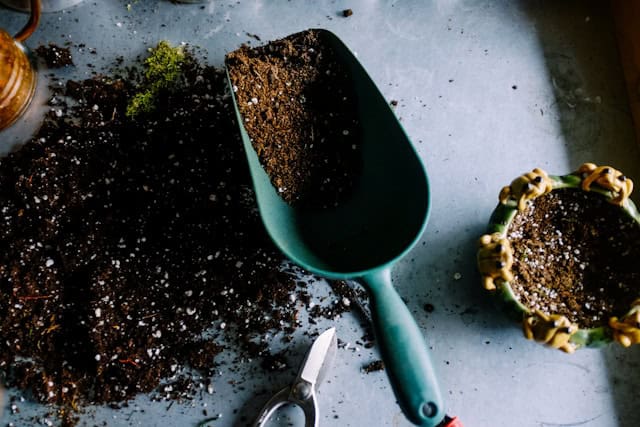
- Loosening the soil: Use a garden fork or spade to break up compacted soil, allowing roots to penetrate easily.
- Adding organic matter: Mix in compost, aged manure, or leaf mulch to improve soil fertility, drainage, and texture.
Testing your soil’s pH and nutrient levels can also be helpful. Most vegetables grow best in slightly acidic to neutral soil (pH 6.0–7.0). Adjust soil with lime or sulfur if necessary.
Planning Your Garden Layout
Proper planning helps maximize space and ensures healthy plant growth. Consider:
- Spacing: Check the recommended spacing on seed packets or plant labels to avoid overcrowding. Crowded plants compete for sunlight, water, and nutrients.
- Companion planting: Some plants benefit each other when grown together, such as basil near tomatoes or carrots near onions.
- Vertical gardening: Use trellises, cages, or stakes to grow climbing plants and save ground space.
Sketching a simple garden plan before planting can help visualize the layout and ensure every plant has enough space to thrive.
Planting Seeds or Seedlings
You can start your vegetable garden from seeds or young plants (seedlings).
- Seeds: Offer more variety and are less expensive. Plant seeds according to depth and spacing instructions on the packet. Water gently to avoid washing away seeds.
- Seedlings: Provide a head start, especially for slow-growing vegetables like tomatoes and peppers. Transplant seedlings carefully, avoiding root damage, and water thoroughly after planting.
Starting seeds indoors a few weeks before the growing season can extend your harvest period and give plants a stronger start.
Watering Your Garden
Consistent and proper watering is crucial for healthy vegetables. Consider the following tips:
- Water deeply but less frequently to encourage strong root development.
- Early morning watering reduces evaporation and allows foliage to dry, minimizing the risk of disease.
- Adjust watering based on weather, soil type, and plant growth stage.
Using a drip irrigation system or soaker hoses can save time and ensure even water distribution.
Mulching for Moisture and Weed Control
Mulching offers multiple benefits in a vegetable garden:
- Retains soil moisture, reducing the frequency of watering.
- Suppresses weed growth, minimizing competition for nutrients.
- Regulates soil temperature, protecting roots from extreme heat or cold.
Organic mulches, such as straw, shredded leaves, or grass clippings, enrich the soil as they decompose. Apply a 2–3 inch layer around plants, keeping mulch slightly away from plant stems to prevent rot.
Fertilizing Your Vegetables
Vegetables require nutrients to grow vigorously and produce abundant harvests. Fertilize based on the needs of your plants:
- Use balanced fertilizers or organic options like compost tea or fish emulsion.
- Follow label instructions to avoid over-fertilization, which can damage plants.
- Apply fertilizer at planting time and periodically during the growing season to maintain soil fertility.
Regular feeding ensures your vegetables have the energy needed for robust growth and high yields.
Pest and Disease Management
Protecting your garden from pests and diseases is essential for healthy vegetables.
- Inspect plants regularly for signs of damage or infestation.
- Encourage beneficial insects such as ladybugs, lacewings, and pollinators.
- Remove diseased leaves or infected plants promptly to prevent spread.
- Use organic or natural pest control methods when necessary, avoiding harsh chemicals that can harm beneficial insects.
Maintaining a healthy garden with strong plants is the best defense against pests and diseases.
Harvesting Your Vegetables
Harvesting vegetables at the right time ensures optimal flavor and encourages continuous production.
- Pick leafy greens regularly to promote new growth.
- Harvest fruits like tomatoes, cucumbers, and peppers when they reach full color and size.
- Root vegetables can be dug up once they have reached maturity.
Timely harvesting not only provides fresh produce but also keeps plants productive throughout the season.
Tips for a Thriving Home Vegetable Garden
- Start small and expand gradually to avoid feeling overwhelmed.
- Keep a gardening journal to track planting dates, watering, and harvests.
- Rotate crops each season to prevent soil depletion and reduce pest problems.
- Stay consistent with care routines to maintain healthy plants year-round.
Enjoying the Rewards of Home Gardening
Starting a vegetable garden at home is a fulfilling way to enjoy fresh, nutritious food while connecting with nature. With proper planning, careful plant selection, and consistent care, even small gardens can provide abundant harvests.
By following these steps, you can build a thriving vegetable garden that brings beauty, flavor, and satisfaction to your home. Gardening is a journey, and each season offers opportunities to learn, experiment, and enjoy the fruits of your labor.