As our understanding of the environmental benefits of native plant gardening grows, so does the popularity of this sustainable practice. Native plants are not only adapted to local climate and soil conditions making them low-maintenance, but they also provide food and habitat for local wildlife, contributing to biodiversity.
Starting a native plant garden from scratch may seem daunting, but with some research and careful planning, it can be a rewarding endeavor. In this post, we will guide you through the process, offering ten practical steps to help you create your own native plant haven.
Advertisement
1. Research Native Plants in Your Area
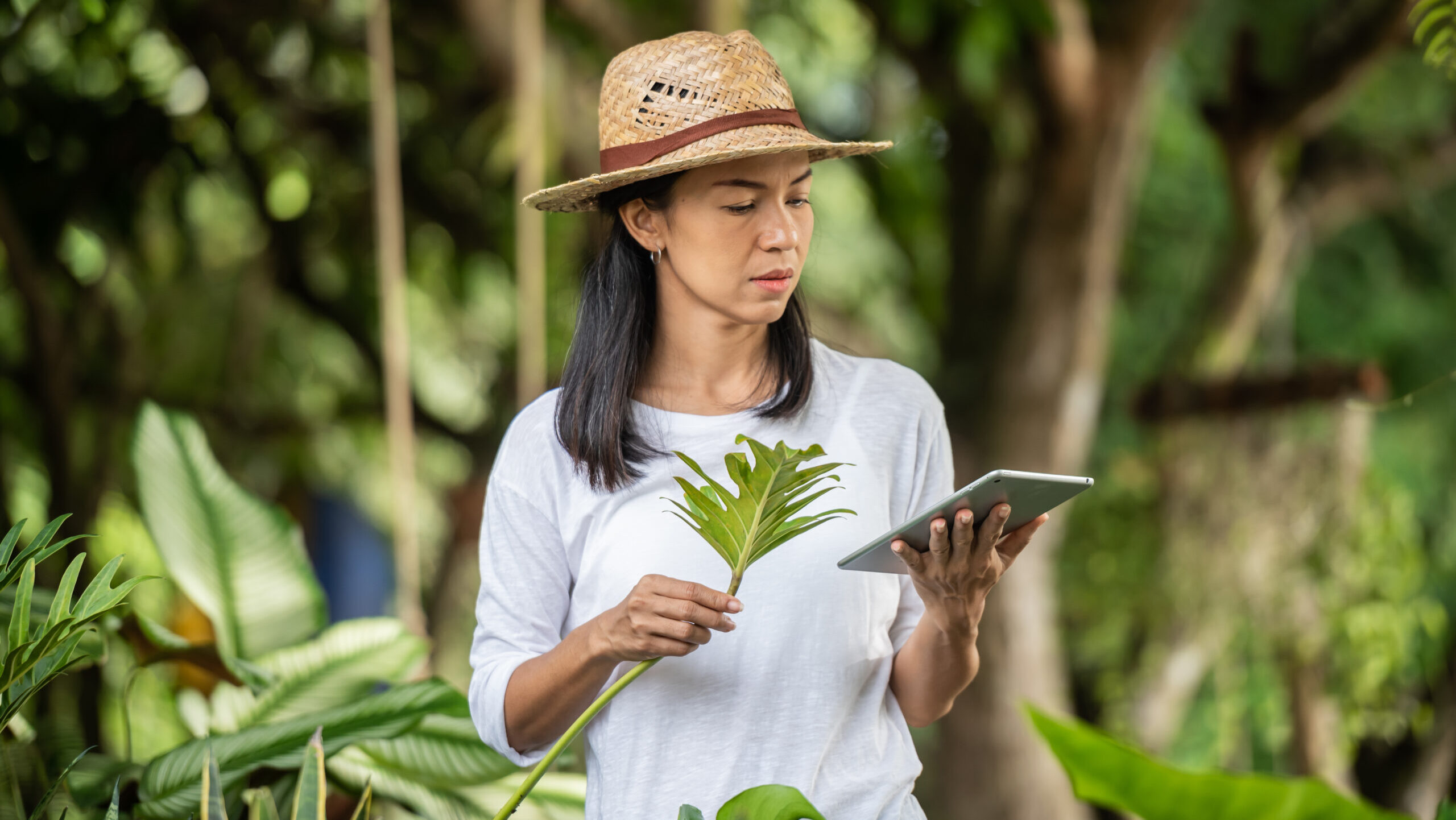
Before you start, take the time to research which plants are native to your region. Check with local university extension offices, nature preserves, or online databases. Native plants have evolved over thousands of years in specific regions and are adapted to local soils, rainfall levels, and climate conditions.
For example, if you live in the Pacific Northwest, consider plants like the Western Columbine or the Red Flowering Currant, both of which are accustomed to the region’s wet winters and dry summers. Not only will they thrive with minimal upkeep, but they’ll also attract local pollinators like bees and hummingbirds.
2. Assess Your Site

Before choosing your plants, you need to understand the conditions of your site. This includes checking the soil type, sunlight exposure, and available space. This will help you pick the right plants for your garden.
If your garden is mostly shaded, consider plants like Ferns or Salal, which thrive under the canopy of larger trees. Conversely, if your site is mostly sun-drenched, native grasses and wildflowers are generally a good choice. Understanding your site’s conditions is critical to the success of your garden.
3. Start Small
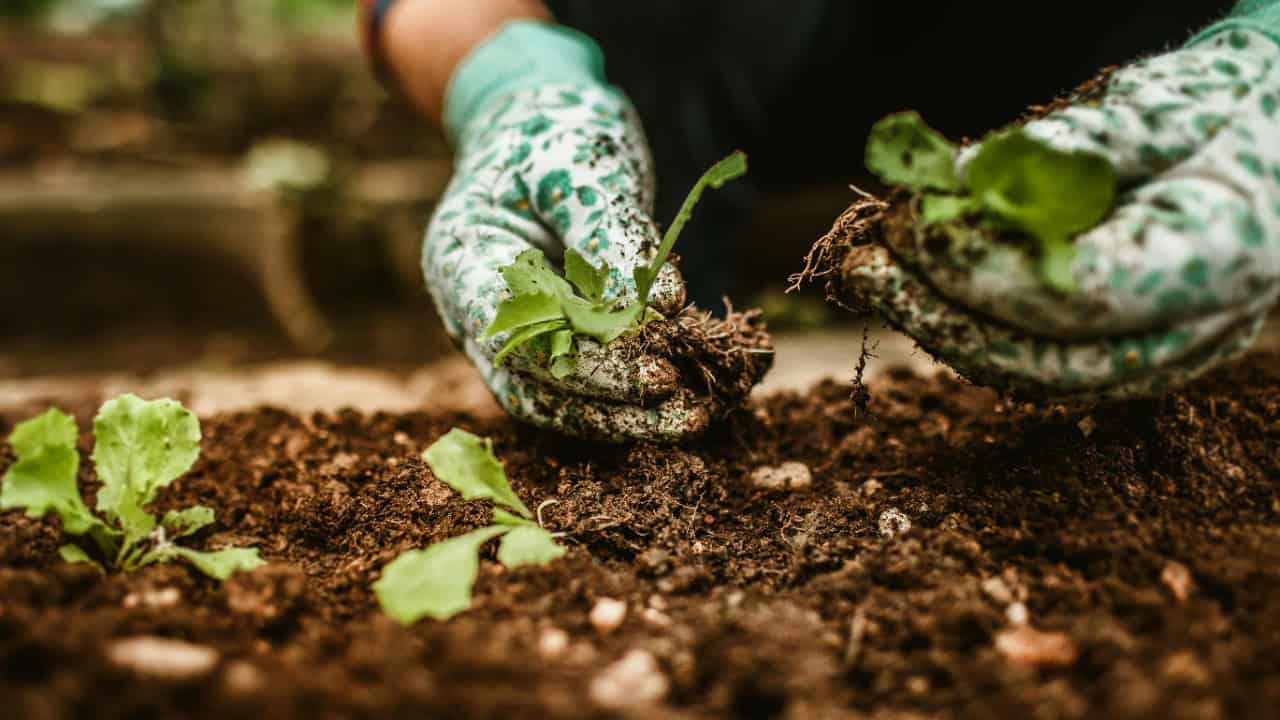
Starting small gives you a chance to understand what works best for your garden. It’s easier to manage, and you can gradually introduce more native plants as you gain confidence and experience.
A good way to start is by creating a small flower bed or border with a few native species. This will also give you an opportunity to see how different plants look together and how they change throughout the seasons.
4. Choose a Variety of Plants
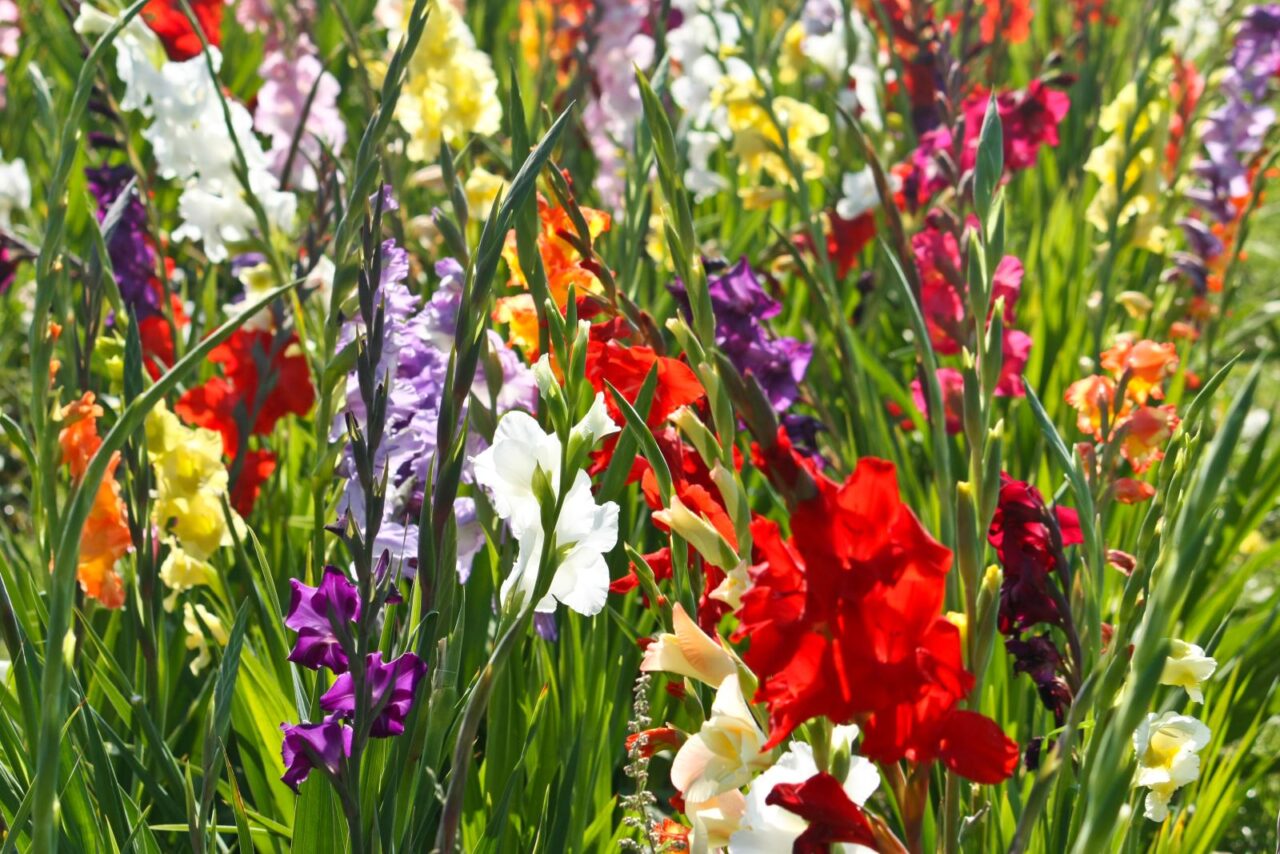
Aim for a mix of trees, shrubs, grasses, and flowers. This will not only create a visually appealing garden but will also mimic natural ecosystems, providing varied habitats for local wildlife.
For example, a garden in the Midwest might include Bur Oak trees, Wild Bergamot flowers, Little Bluestem grass, and New Jersey Tea shrubs. This combination of plants offers a range of heights, flowering times, and food sources, attracting a variety of birds, bees, and butterflies.
5. Purchase from Reputable Nurseries
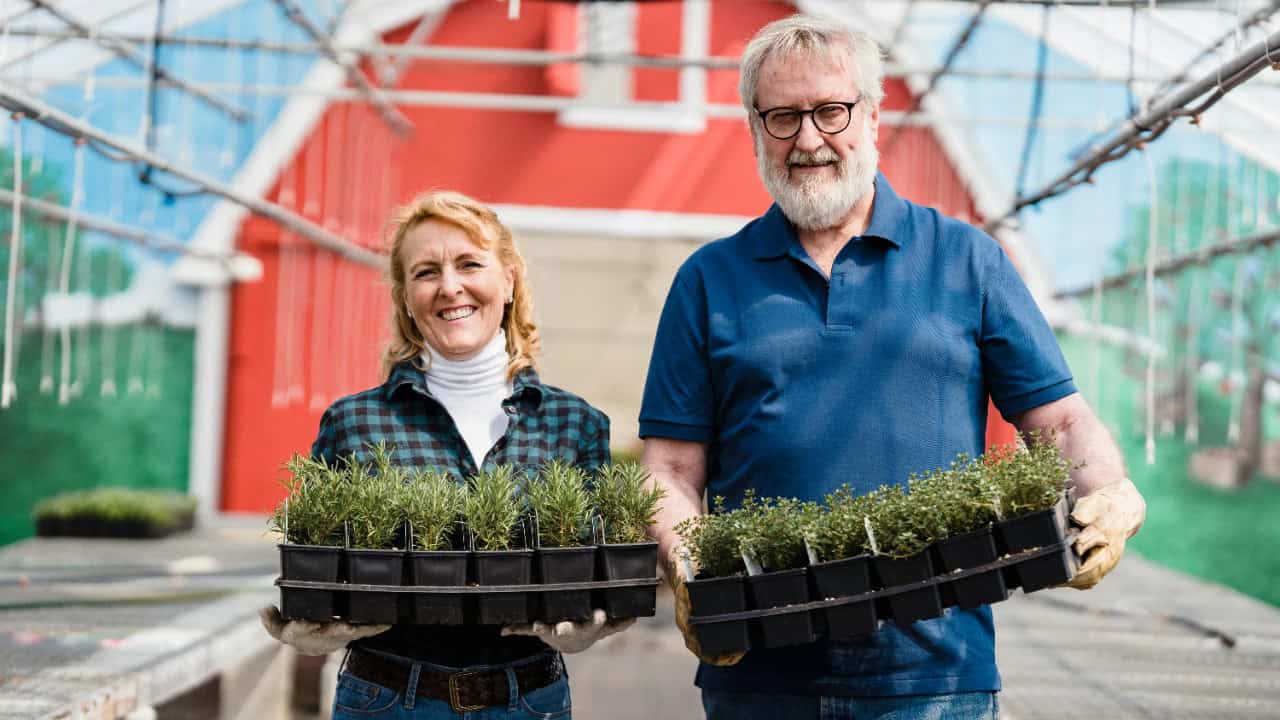
Ensure you’re purchasing native plants from reputable nurseries. Some nurseries may sell invasive species that look similar to native plants. Always check the Latin name to ensure you’re getting the right plant.
In addition, purchasing from local nurseries ensures that the plants are well adapted to your local climate and conditions. They can also provide valuable advice on plant care and maintenance.
6. Prepare Your Soil
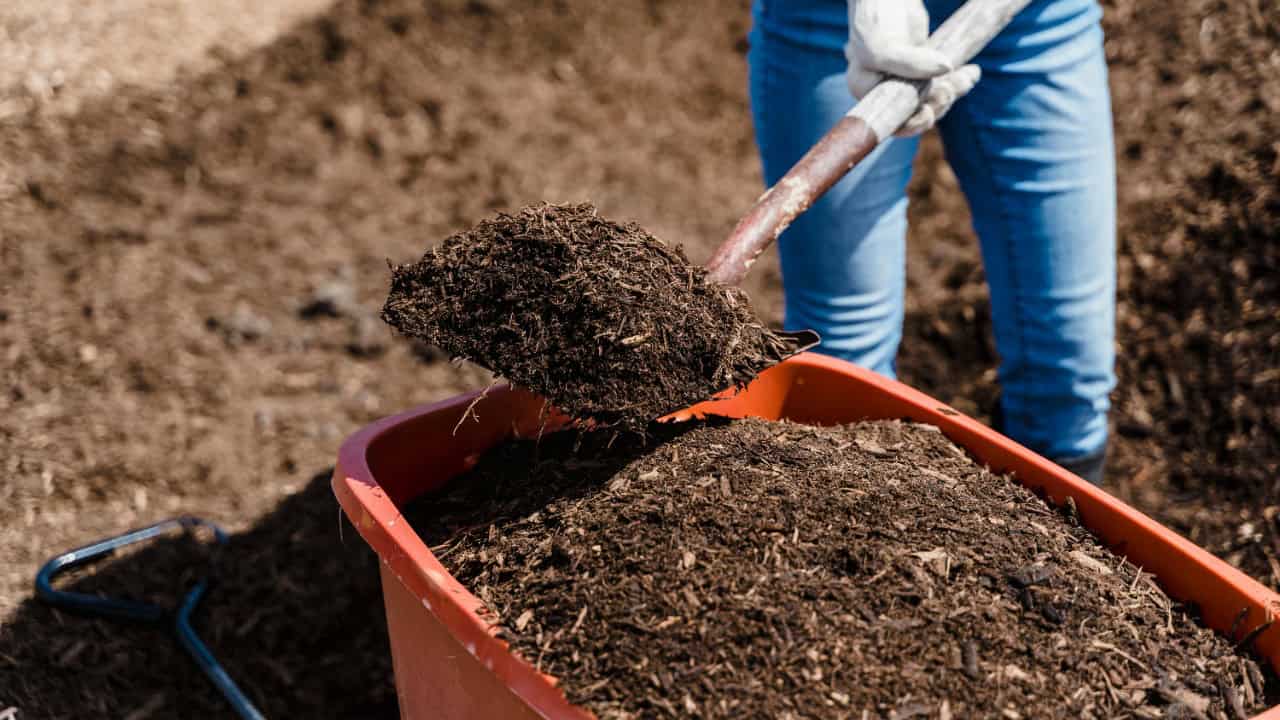
Native plants are generally adapted to local soil conditions, so they don’t usually require amending soils. However, you may need to prepare your soil by removing weeds and other unwanted plants.
Use a garden fork or spade to dig up the soil and remove any weeds, making sure to get the roots. This will give your native plants the best start, without competition from non-native species.
7. Planting
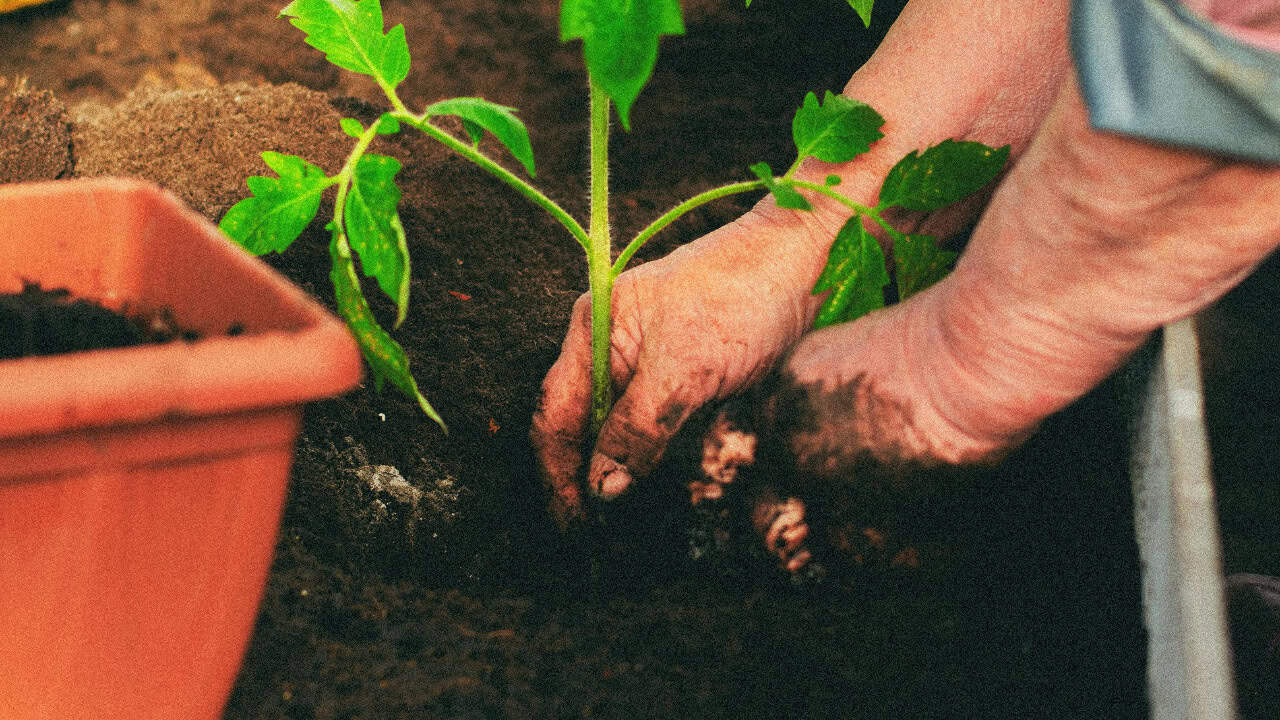
The best time to plant natives is during the cooler months of fall or early spring. This gives the plants plenty of time to establish their roots before the hot, dry summer months.
Dig a hole twice the width and the same depth as the root ball. Place the plant in the hole, ensuring the top of the root ball is level with the surrounding soil. Backfill the hole, firm the soil gently around the base of the plant, and water it well.
8. Mulching
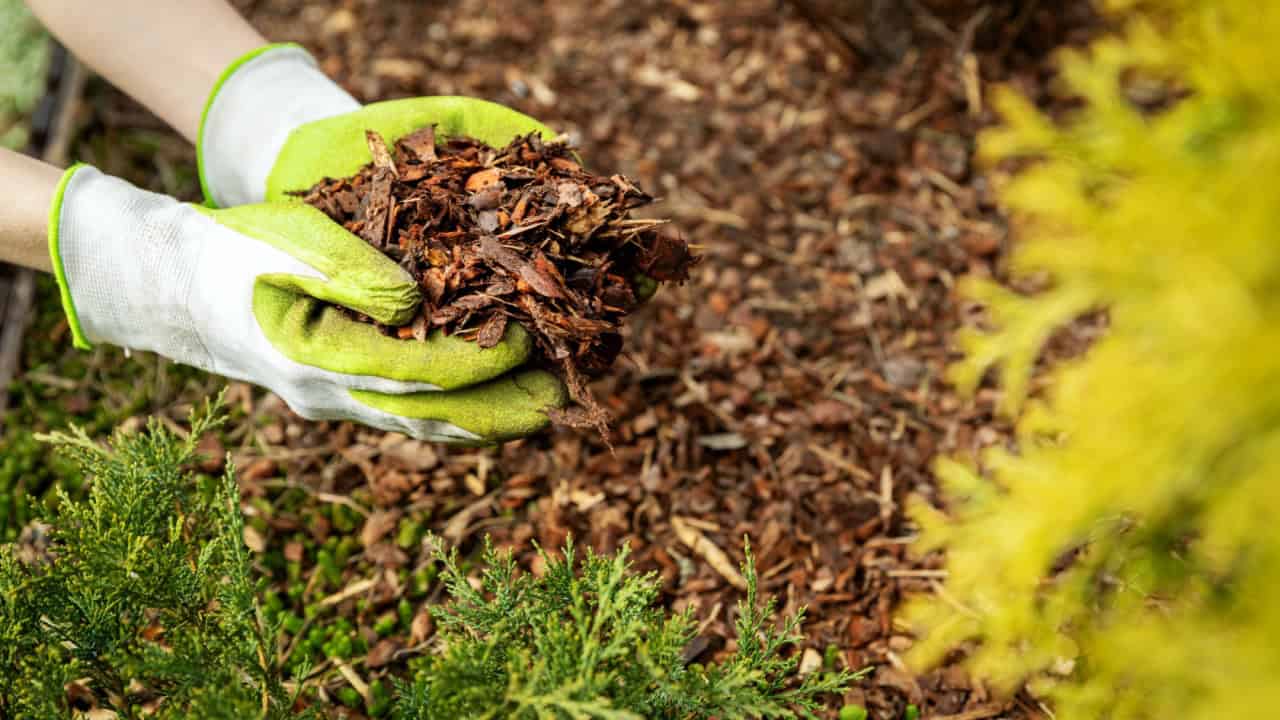
Mulching helps conserve water, suppress weeds, and regulate soil temperature. Organic mulches, such as bark or compost, can also improve soil structure and nutrient content as they decompose.
Apply a 2-3 inch layer of mulch around your plants, leaving a small gap around the stem to prevent rot. Remember to top up the mulch as it decomposes.
9. Watering
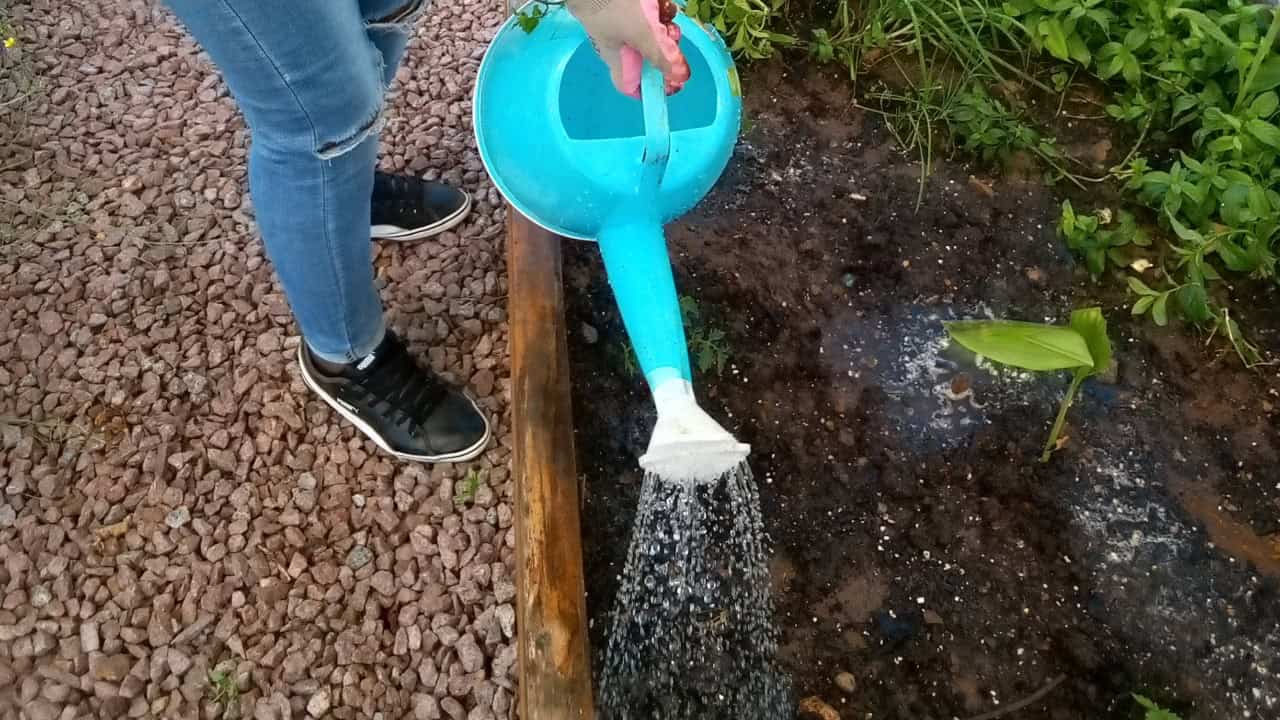
While established native plants usually require little to no irrigation, they will need regular watering during their first year or two, until their root systems are fully established.
Water deeply and infrequently, rather than little and often, to encourage deep root growth. However, remember the watering needs will vary depending on your local climate and soil conditions.
10. Ongoing Maintenance
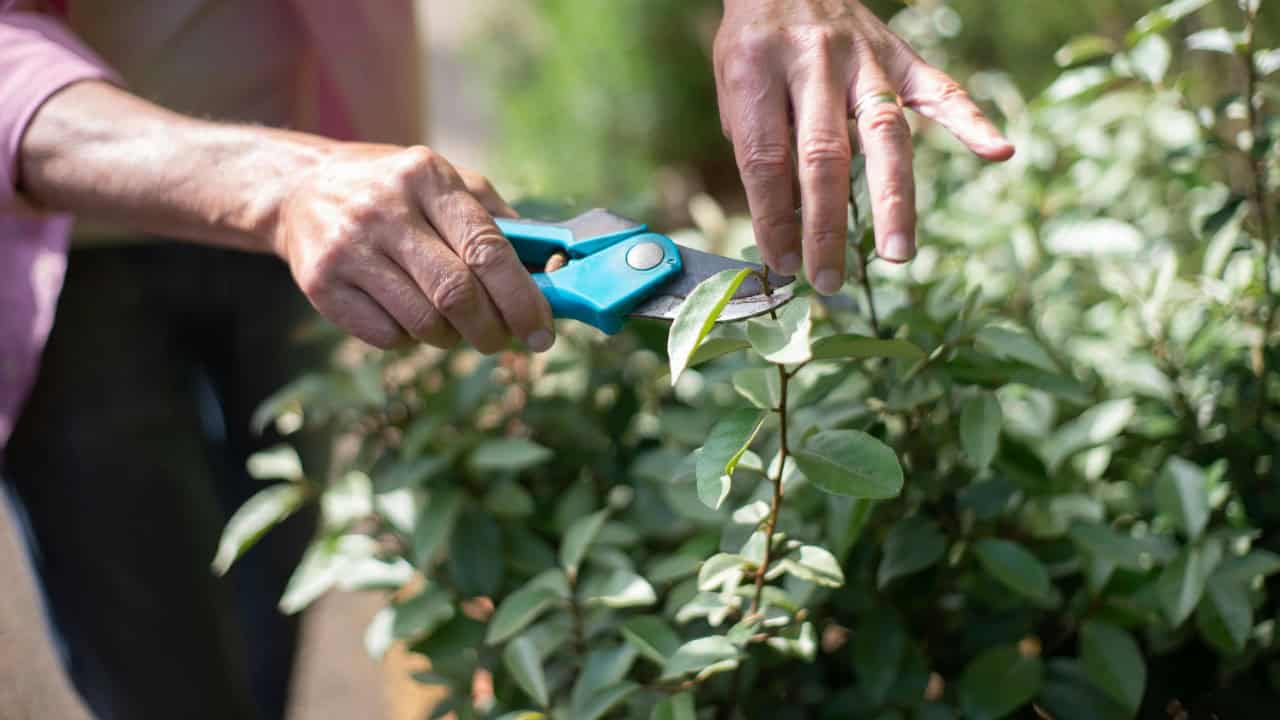
Even though native plants generally require less maintenance than non-natives, they will still benefit from some care. This might include pruning to maintain shape and size, removing dead or diseased material, or dividing overcrowded perennials.
Remember, the goal is not to create a manicured garden, but a living, breathing ecosystem. So relax, enjoy the process, and take pride in knowing you’re contributing to the conservation of your local flora and fauna.