If you want to grow new rose plants without buying seeds or full-grown bushes, propagating roses from cuttings is a great way to do it. It’s a simple and rewarding method that lets you create exact copies of your favorite rose varieties right from your garden.
Propagating roses from cuttings involves taking a healthy stem from an existing rose plant and encouraging it to grow roots on its own. With a little patience and the right steps, you can successfully grow new roses and expand your garden.
Advertisement
Choose a healthy rose stem 9-12 inches long

Pick a stem that looks strong and healthy. It should be about 9-12 inches long, not too old or too young.
Make sure the stem is from the current season’s growth and has no signs of disease or damage. Cut just below a leaf node to give your cutting the best chance.
You’ll want to remove any flowers or buds so the plant can focus on root development. For more details, check how to grow roses from cuttings here.
Cut just below a leaf node at a 45-degree angle
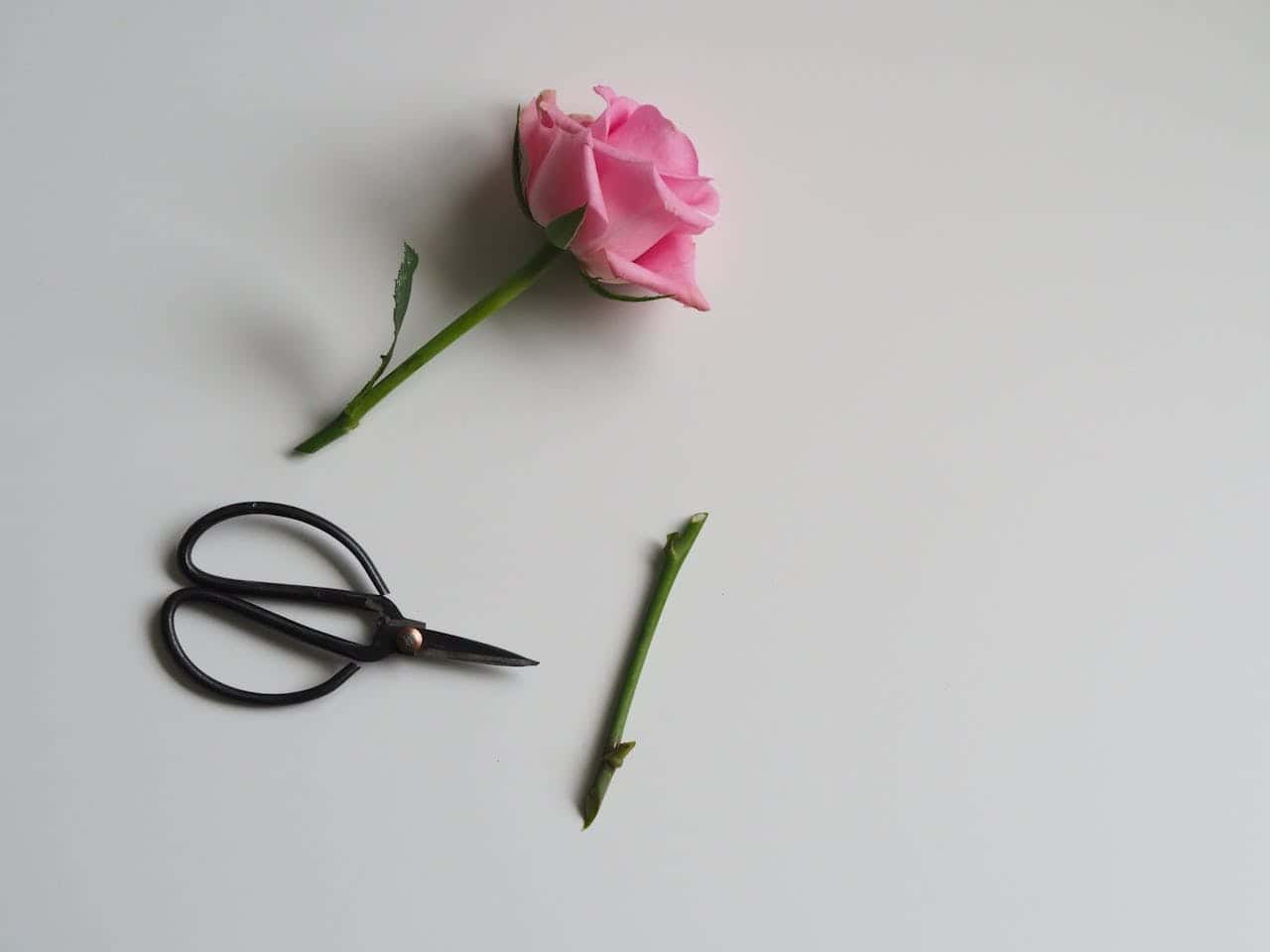
When you’re ready to take your cutting, find a healthy leaf node on the stem. Make a clean cut just below it at a 45-degree angle.
This angle helps water run off and encourages better rooting. Use sharp, clean shears to make a precise cut that won’t damage the stem.
Keeping the leaf node intact is key—it’s where roots will start to grow. You can learn more about this step here.
Remove all leaves except for the top two

When you take your rose cutting, strip off all the leaves except for the top two sets. This helps reduce moisture loss and focuses the plant’s energy on root development.
Keeping just the top leaves also makes it easier to see if your cutting is staying healthy as it grows roots. You want to keep the cutting moist, but not soggy.
Dip the cut end in rooting hormone or honey
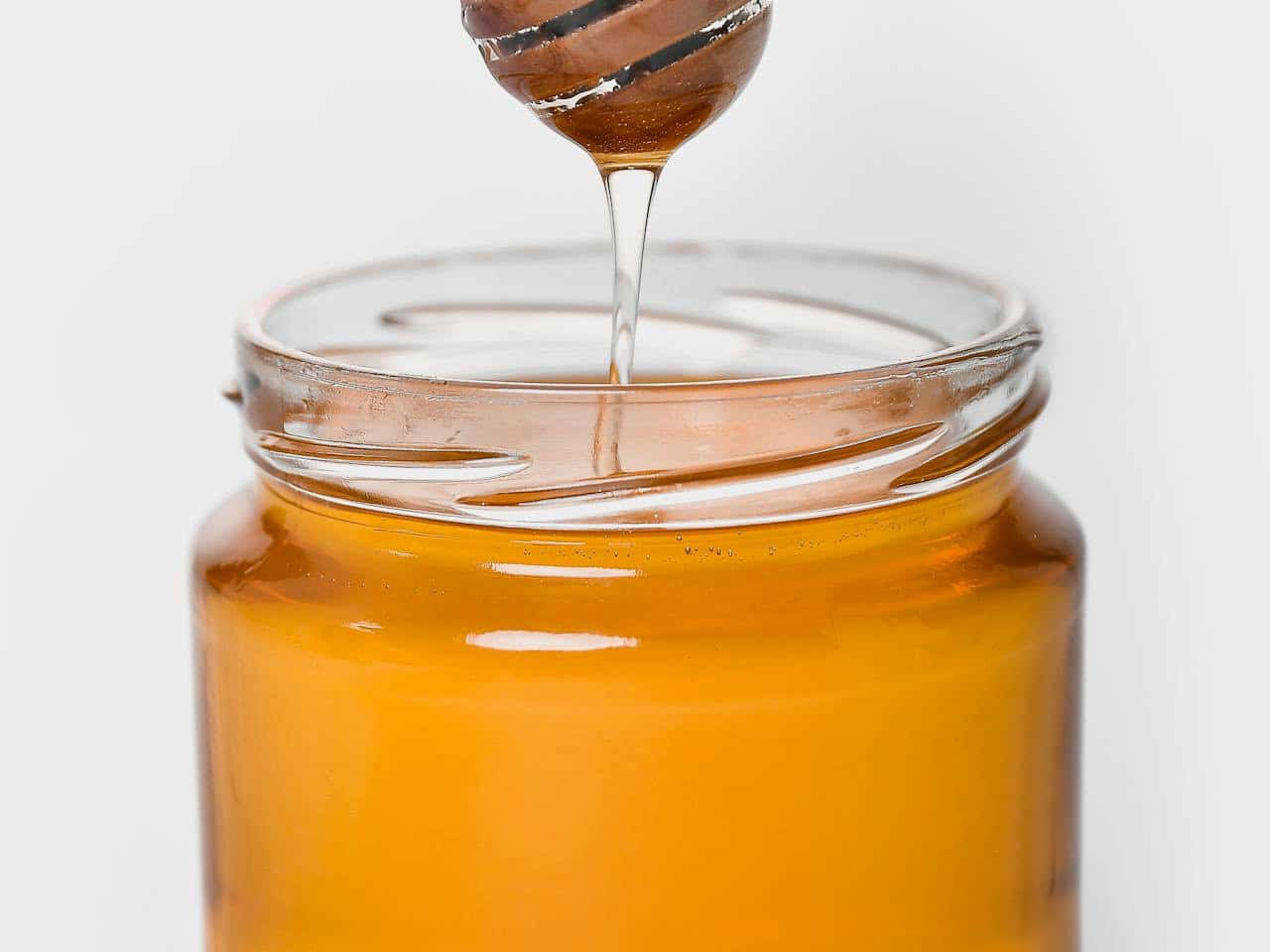
You’ll want to dip the bottom of your rose cutting into rooting hormone to help encourage root growth. It boosts the chances that your cutting will develop roots faster.
If you don’t have rooting hormone, honey works as a natural alternative. Just dip the cut end in honey before planting to give it a little extra protection and a nudge to start rooting.
Fill a pot with moist, well-draining potting mix

Start by choosing a small pot with drainage holes. Fill it with a mix that drains well, like half potting soil and half perlite or peat moss.
Make sure the mix is moist but not soaking wet. This helps your cutting take root without sitting in water. You can find more details on creating the right mix at this step-by-step guide.
Make a hole with a pencil or dibber for the cutting
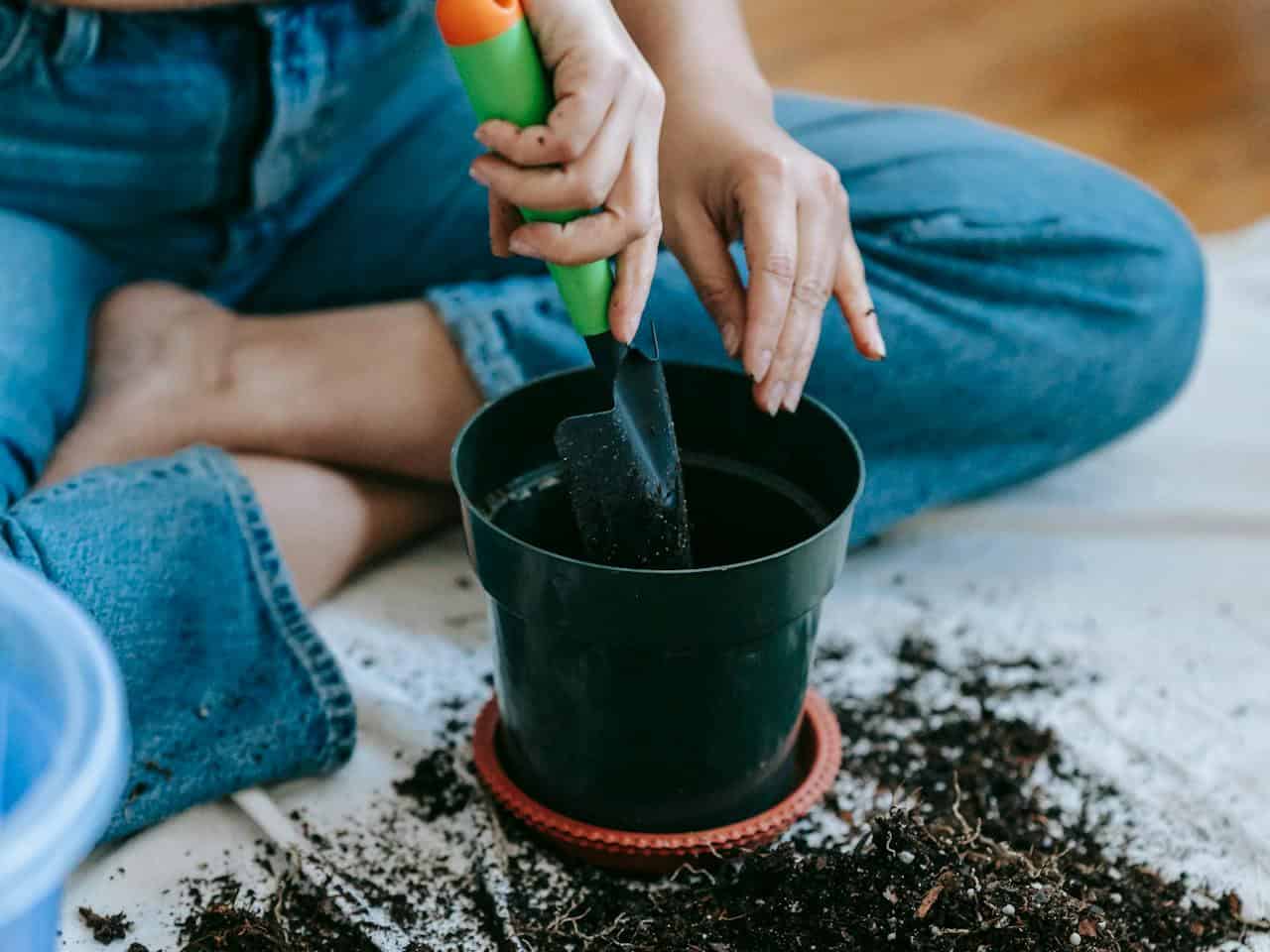
You want to start by making a hole in your moist planting mix. Use a pencil or dibber to gently create a space deep enough for the cutting without damaging the roots later.
This hole should be about 3 to 4 inches deep to fit the bottom half of your rose cutting. Make sure it’s wide enough to slide the stem in without scraping off any rooting hormone you may have applied.
Insert the cutting into the soil firmly
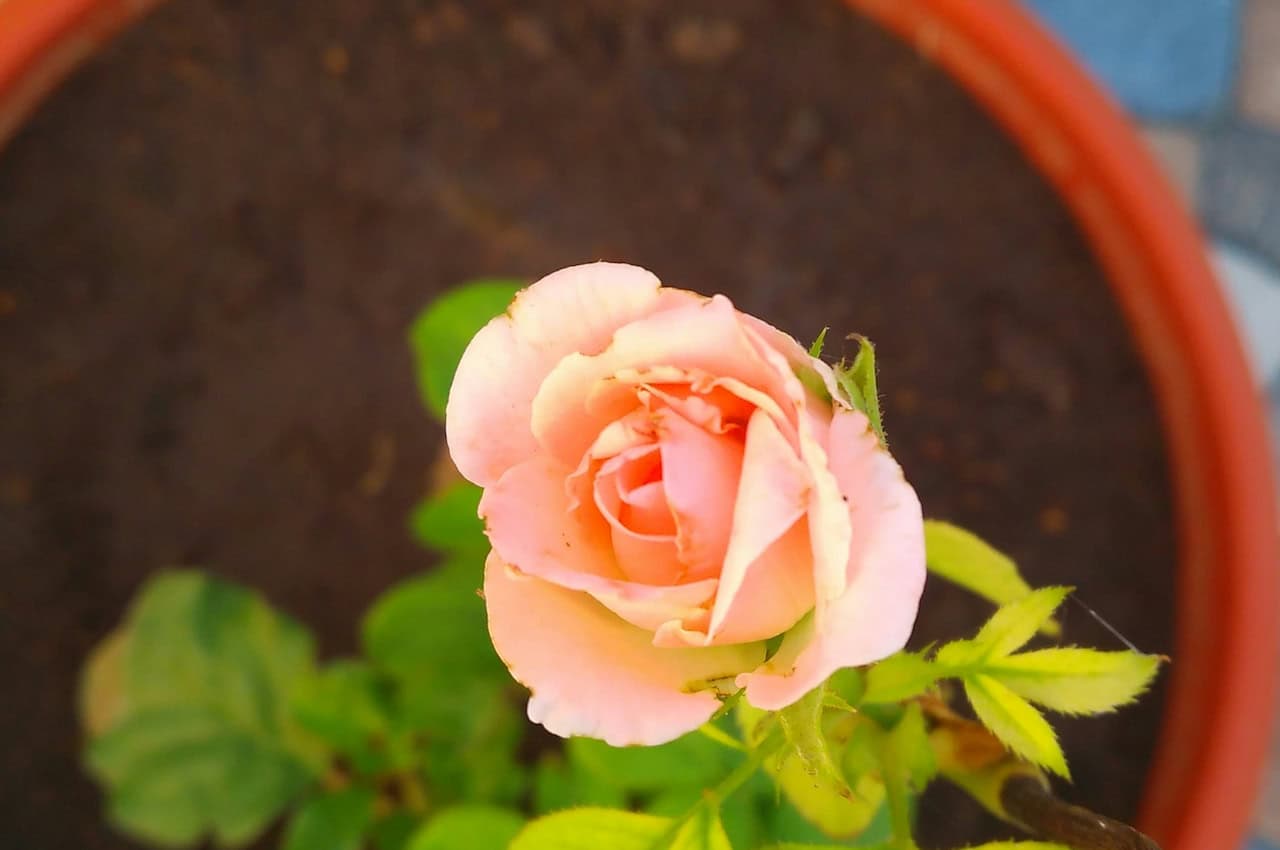
You want to push your rose cutting into the soil so that at least half of it, including two nodes, is covered. This helps the cutting stay stable and encourages root growth.
After placing it, press the soil gently around the cutting to hold it in place. This keeps the cutting from wobbling and drying out as it starts to root. For best results, use a specialized rose potting mix or well-draining soil.
Water the cutting lightly to settle the soil
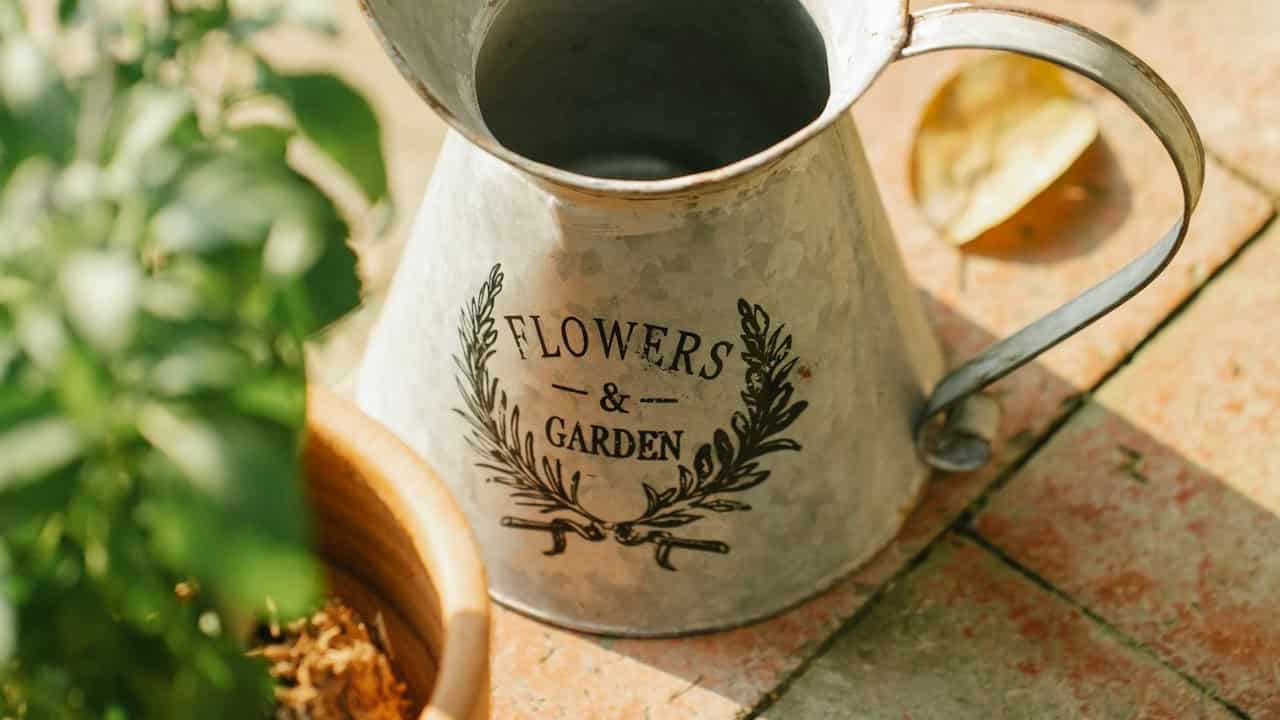
After placing your rose cutting in the soil, give it a gentle watering. You want to moisten the soil without flooding it.
Light watering helps the soil settle around the cutting, reducing air pockets that can dry out the roots. Keep the soil consistently moist but not soggy as your cutting starts to grow. For more tips on keeping cuttings hydrated, check this guide on growing roses from cuttings.
Cover the pot with a plastic bag for humidity

Once you plant your rose cutting, cover the pot with a clear plastic bag. This helps keep the moisture in, creating a mini greenhouse effect.
Make sure the bag doesn’t touch the cutting directly. Use sticks or small stakes to hold it up if needed. Keep the soil moist but not soaked while the cutting develops roots. Check often to avoid mold or excessive water buildup.
Place the pot in a bright spot with indirect sunlight
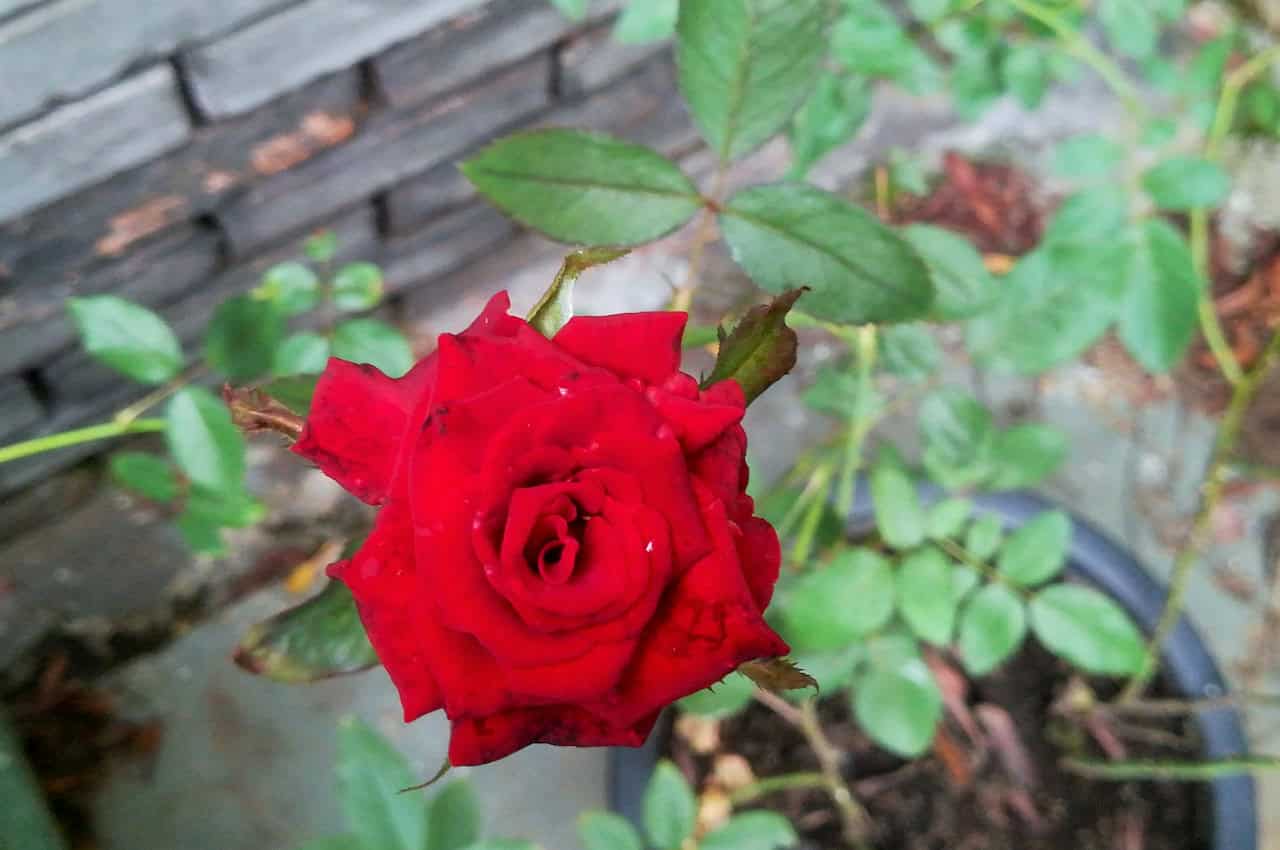
You want to find a spot where your rose cuttings get plenty of light but not direct sun. Too much sun can stress them and dry the soil too fast.
A north or east-facing window usually works great. Keep the pot there and watch for new growth. This helps roots develop without overheating the cutting.