
One of the most common questions a new gardener asks is, “how do I know when a vegetable is ready to harvest?” A few seasons of experience teaches us this as we learn to recognize the visual cues: tight heads on the broccoli, brown silks on the corn, onion tops dying back, an oncoming first freeze warning us to harvest potatoes and carrots.
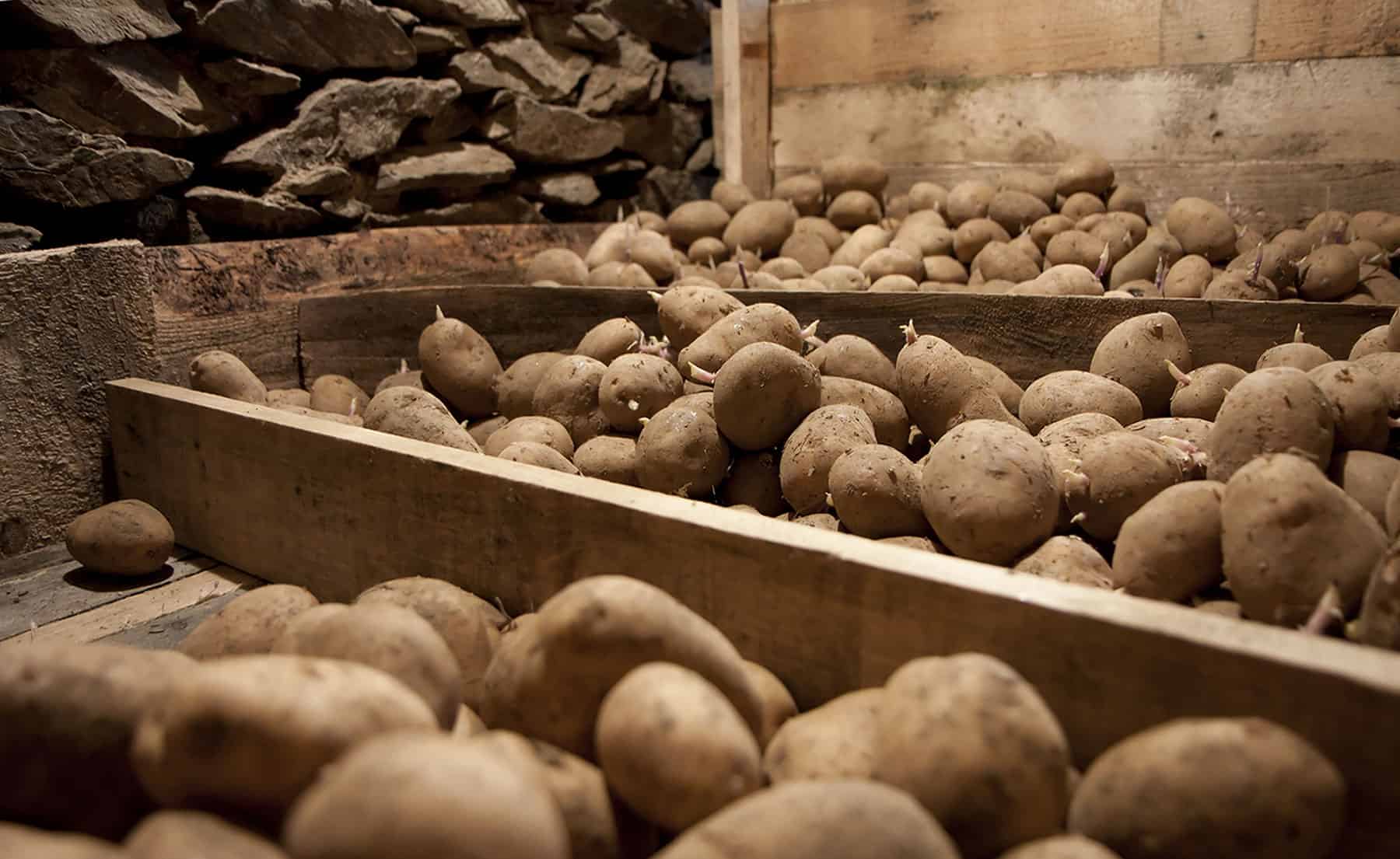
But even when we harvest at the perfect time, how we store those vegetables is of supreme importance. In my early gardening years I ended up with a bin of rotten potatoes and onions because I didn’t cure them correctly – that was an entire season wasted when all I had to do was some digging online and read a little. Lesson learned.
Advertisement
How to store veggies is as important as knowing when to harvest them
To help you avoid the kinds of mistakes I did, the chart below includes general guidelines and tips for harvest and storage of the most common vegetables from your garden. I’ve sourced them not only from personal experience but also from reliable university extensions and growers.
When you buy your seeds or transplants in spring, take note of the maturity date and if the seller provides any storage instructions. Tuber and root crops like potatoes, sweet potatoes, onions, carrots, and beets can have significantly different storage lives depending on the variety – some are bred to store for long periods and some are definitely not. Buy the varieties appropriate for your situation – not everyone has access to a 2nd refrigerator, garage, basement or root cellar to keep their veggies edible throughout winter.
As a rule of thumb, root and tuber vegetables like beets, potatoes onions, and sweet potatoes can be held for months. Crops like asparagus, tomatoes, and melons should be eaten with 3-7 days. Cole crops like cabbage and broccoli can be held for a few weeks to 1 month. For veggies that can’t be stored very long you can also try canning or freezing.
Buy on Amazon: Storage bin for potatoes or onions.
[table id=22 /]
Sources:
Harvesting & Storing Home Garden Vegetables, University of Minnesota Extension
Storage Crops, Johnny’s Selected Seeds
Watch Your Garden Grow/Eggplant, University Of Illinois Extension.


Have learnt a lot in this post! In particular, I never knew beets could be stored for so long. Thanks for sharing!
This was a great read thanks for sharing!