
Growing your own vegetables in a backyard garden is a fulfilling and practical way to enjoy fresh, healthy produce. Not only does it save money, but it also gives you control over the quality of your food while providing a fun and rewarding hobby. With the right planning and care, even beginners can cultivate a productive vegetable garden. This guide will walk you through the essential steps to grow fresh vegetables successfully.
Choosing the Right Location
The location of your vegetable garden is crucial for healthy growth. Most vegetables need at least six to eight hours of direct sunlight daily. Choose a spot with good drainage to prevent waterlogging, which can damage roots. Avoid areas prone to heavy winds or shaded by large trees or structures. Easy access to water is also essential, as consistent watering is critical for a thriving garden.
Planning Your Vegetable Garden
Before planting, plan the layout of your garden. Decide which vegetables you want to grow and consider their space and sunlight requirements. Group plants with similar needs together for easier care. Raised beds, in-ground rows, or container gardening are all effective methods depending on your space and preferences. Raised beds are especially beneficial for beginners as they offer better soil control and drainage.
Preparing the Soil
Healthy soil is the foundation of a productive vegetable garden. Start by testing the soil’s pH and nutrient levels to understand what adjustments may be needed. Most vegetables prefer slightly acidic to neutral soil with a pH between 6 and 7. Incorporate organic matter such as compost or well-rotted manure to improve fertility and structure. Loosen compacted soil to allow roots to penetrate easily and retain moisture efficiently.
Selecting Vegetable Varieties
Choosing the right vegetable varieties increases your chances of success. Opt for easy-to-grow vegetables like tomatoes, lettuce, zucchini, radishes, carrots, and bell peppers. Consider your climate and growing season when selecting seeds or seedlings. Some vegetables prefer cooler weather, while others thrive in heat. Starting with resilient and fast-growing varieties will boost confidence for first-time gardeners.
Planting Your Vegetables
Plant your vegetables according to their specific requirements. Seeds can be sown directly in the garden or started indoors and transplanted once seedlings are strong enough. Pay attention to planting depth and spacing to avoid overcrowding. Overcrowded plants compete for nutrients, sunlight, and water, which can reduce yield. After planting, water thoroughly to help the roots establish.
Watering Your Garden
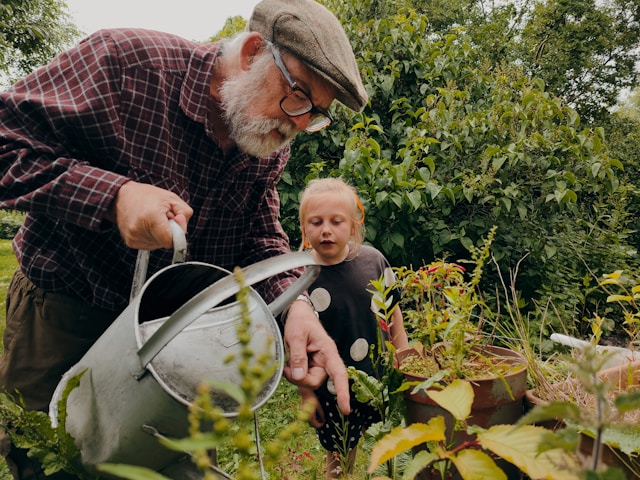
Consistent and proper watering is essential for vegetable growth. Water plants early in the morning or late in the evening to reduce evaporation. Avoid overhead watering, which can promote disease; instead, water at the base of the plants. Most vegetables need about one inch of water per week, but this can vary depending on weather and soil type. Mulching around plants helps retain moisture and keeps weeds under control.
Fertilizing for Healthy Growth
Vegetables need nutrients to grow strong and produce well. Organic fertilizers such as compost, worm castings, or balanced vegetable fertilizers provide essential nutrients without harming the soil. Follow the recommended application rates to avoid over-fertilizing, which can damage plants. Regular feeding during the growing season ensures that your vegetables have the energy to thrive and yield abundant harvests.
Managing Pests and Diseases
Even backyard gardens are prone to pests and diseases, but early detection and prevention make management easier. Encourage beneficial insects like ladybugs and lacewings that naturally control harmful pests. Use barriers, like row covers or nets, to protect delicate plants. Maintain good garden hygiene by removing dead leaves and debris, which can harbor disease. Companion planting can also reduce pest problems while promoting healthy growth.
Harvesting Your Vegetables
Harvesting at the right time ensures the best flavor and encourages continued production. Pick vegetables when they are ripe and tender. Frequent harvesting prevents overripe produce from attracting pests or slowing plant growth. For leafy greens like lettuce and spinach, harvest outer leaves first to allow the center to continue growing. For fruits like tomatoes and peppers, harvest when they reach their mature color for the best taste.
Tips for a Successful Vegetable Garden
- Start Small: Begin with a few easy-to-grow vegetables and expand as you gain experience.
- Rotate Crops: Changing plant locations each season reduces soil-borne diseases and improves soil fertility.
- Keep a Garden Journal: Record planting dates, growth progress, and harvest yields to learn from each season.
- Practice Patience: Vegetable gardening requires observation and consistent care. Growth takes time, and learning comes with experience.
- Learn from Experience: Don’t be discouraged by setbacks; every gardener faces challenges. Adjust techniques based on what works best in your garden.
Conclusion
Growing fresh vegetables in your backyard garden is both rewarding and practical. By selecting the right location, preparing healthy soil, choosing suitable vegetable varieties, and providing proper care, you can cultivate a thriving garden. Consistent watering, fertilization, pest management, and timely harvesting are key to producing flavorful and nutritious vegetables.
Starting small and gradually expanding your garden allows you to gain confidence and enjoy the process. Gardening not only provides fresh food but also promotes relaxation, physical activity, and a connection with nature. With dedication and care, your backyard garden can become a source of pride and a sustainable supply of fresh vegetables for your family.