
Flower beds are the centerpiece of many gardens, providing color, texture, and seasonal beauty. However, maintaining healthy, vibrant flower beds requires more than just planting flowers. Proper care ensures plants thrive, bloom abundantly, and remain resistant to pests and diseases. By following key practices for soil preparation, watering, fertilization, and maintenance, gardeners can keep their flower beds looking lush year-round.
This guide outlines essential tips for caring for flower beds effectively, whether you are a beginner or an experienced gardener.
Preparing Your Flower Beds
The foundation of a thriving flower bed is healthy soil and proper preparation:
- Choose the right location: Most flowering plants require full sun (6–8 hours per day) for optimal growth. Observe your garden to determine sunny and shaded areas and select flowers suited to those conditions.
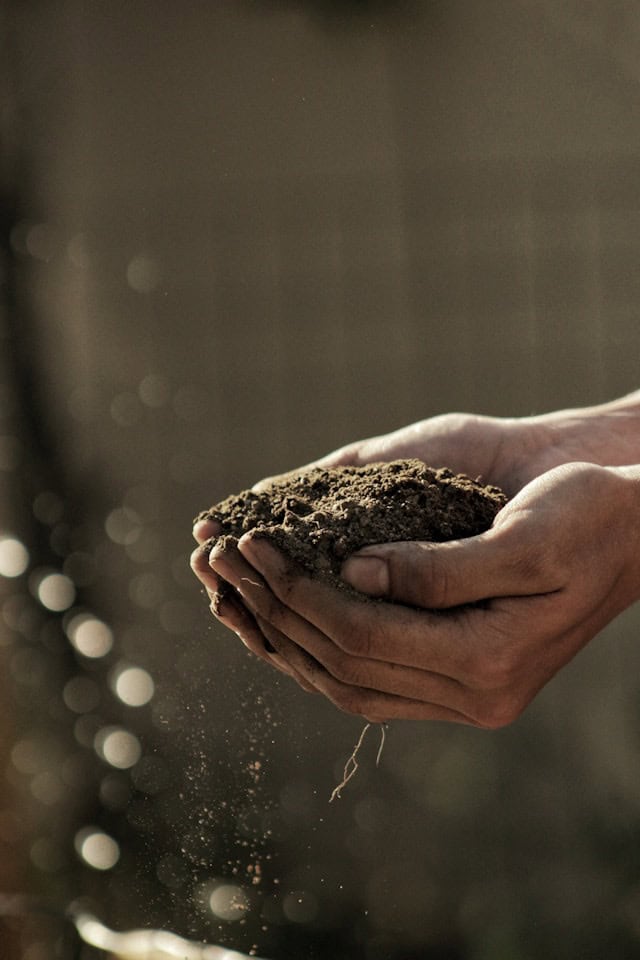
- Soil testing: Conduct a soil test to check pH and nutrient levels. Most flowers prefer slightly acidic to neutral soil (pH 6.0–7.0). Amend soil with compost or organic matter to improve fertility and texture.
- Weed removal: Clear existing weeds before planting, as they compete with flowers for nutrients and water.
- Soil aeration: Loosen compacted soil to improve drainage and root growth. Raised beds or adding organic matter can enhance soil structure.
Proper preparation ensures that your flower bed provides the nutrients and conditions necessary for healthy plant growth.
Planting Flowers Correctly
Planting is critical to the long-term health of flower beds:
- Spacing: Follow recommended spacing guidelines for each plant to prevent overcrowding, improve air circulation, and reduce disease risk.
- Depth: Plant flowers at the correct depth—generally, the root ball should be level with the soil surface.
- Group by needs: Cluster plants with similar water, sunlight, and soil requirements to simplify maintenance and improve survival rates.
- Companion planting: Pair flowers that benefit each other; for example, marigolds repel pests from nearby flowers or vegetables.
Watering Flower Beds
Consistent and proper watering is crucial for flower bed health:
- Deep watering: Water at the base of the plants to encourage deep root growth. Shallow watering can lead to weak, shallow roots.
- Frequency: Water when the top inch of soil feels dry. Frequency may vary depending on weather and soil type.
- Avoid wetting foliage: Wet leaves increase the risk of fungal diseases. Use drip irrigation or water at the soil level whenever possible.
- Mulching: Apply mulch around flowers to retain moisture, reduce evaporation, and suppress weed growth. Organic mulch also adds nutrients to the soil as it decomposes.
Fertilizing Flower Beds
Fertilization supports strong growth, vibrant blooms, and healthy roots:
- Balanced fertilizers: Use a balanced fertilizer with equal parts nitrogen, phosphorus, and potassium, or choose bloom-boosting formulas for flowering plants.
- Timing: Fertilize in early spring to encourage new growth and again mid-season to maintain blooms.
- Organic options: Compost, fish emulsion, or seaweed extracts are excellent alternatives that enrich soil naturally and promote plant health.
Proper fertilization ensures your flowers receive the nutrients they need to flourish throughout the season.
Pruning and Deadheading
Regular pruning and deadheading enhance flower bed appearance and prolong blooming:
- Deadheading: Remove spent flowers to encourage new blooms and prevent plants from diverting energy to seed production.
- Pruning: Trim back overgrown or leggy plants to maintain shape, improve air circulation, and reduce disease risk.
- Timing: Prune after the main flowering period or according to the plant’s growth cycle.
Pruning keeps flower beds neat, promotes continuous flowering, and encourages healthier growth.
Weed Control
Weeds compete with flowers for nutrients, water, and sunlight. Effective weed management includes:
- Regular monitoring: Inspect beds weekly for new weeds and remove them promptly.
- Mulching: Thick layers of mulch reduce weed germination and make removal easier.
- Hand weeding: Avoid chemical herbicides in flower beds to protect your plants and pollinators.
A weed-free flower bed allows your plants to thrive without competition.
Pest and Disease Management
Healthy flower beds are less prone to pests and diseases, but vigilance is essential:
- Inspect plants regularly: Look for signs of pests, discoloration, or fungal growth.
- Natural remedies: Use insecticidal soap, neem oil, or companion planting to deter pests.
- Remove infected plants: Promptly remove or isolate diseased plants to prevent spread.
- Good hygiene: Clean tools and avoid overhead watering to reduce fungal issues.
Proactive pest and disease management keeps your flowers healthy and vibrant.
Seasonal Maintenance
Flower beds require attention throughout the year to maintain beauty and productivity:
- Spring: Prepare soil, fertilize, and plant new flowers.
- Summer: Water consistently, deadhead, and monitor for pests.
- Fall: Remove spent annuals, cut back perennials, and add mulch for winter protection.
- Winter: Protect tender plants with frost covers or bring container plants indoors.
Seasonal care ensures your flower beds remain productive and attractive year after year.
Design Tips for Flower Beds
- Layering heights: Place taller flowers at the back, medium-height plants in the center, and low-growing flowers at the front.
- Color coordination: Use complementary and contrasting colors for a visually appealing display.
- Texture and foliage: Mix leaf shapes, textures, and flower forms for depth and interest.
- Succession planting: Stagger plantings to ensure continuous color throughout the growing season.
Thoughtful design enhances the visual impact of your flower beds and makes care easier.
Conclusion
Proper care of flower beds involves preparation, planting, watering, fertilization, pruning, and ongoing maintenance. By following these practices, gardeners can create healthy, vibrant flower beds that bloom abundantly, resist pests and diseases, and provide beauty throughout the year.
With attention to soil, sunlight, plant selection, and seasonal care, your flower beds can become a stunning centerpiece of your garden—a colorful, thriving space that brings joy and satisfaction for seasons to come.