Rain gardens are not only a beautiful addition to any yard but also an environmental gem. They help to filter runoff, protect local waterways, and provide a habitat for local flora and fauna. What’s more, they are a fantastic DIY project that you can start and finish in a weekend.
We will guide you through the process of creating your very own rain garden, from choosing the perfect location to selecting the right plants.
Advertisement
1. Choose the Right Location
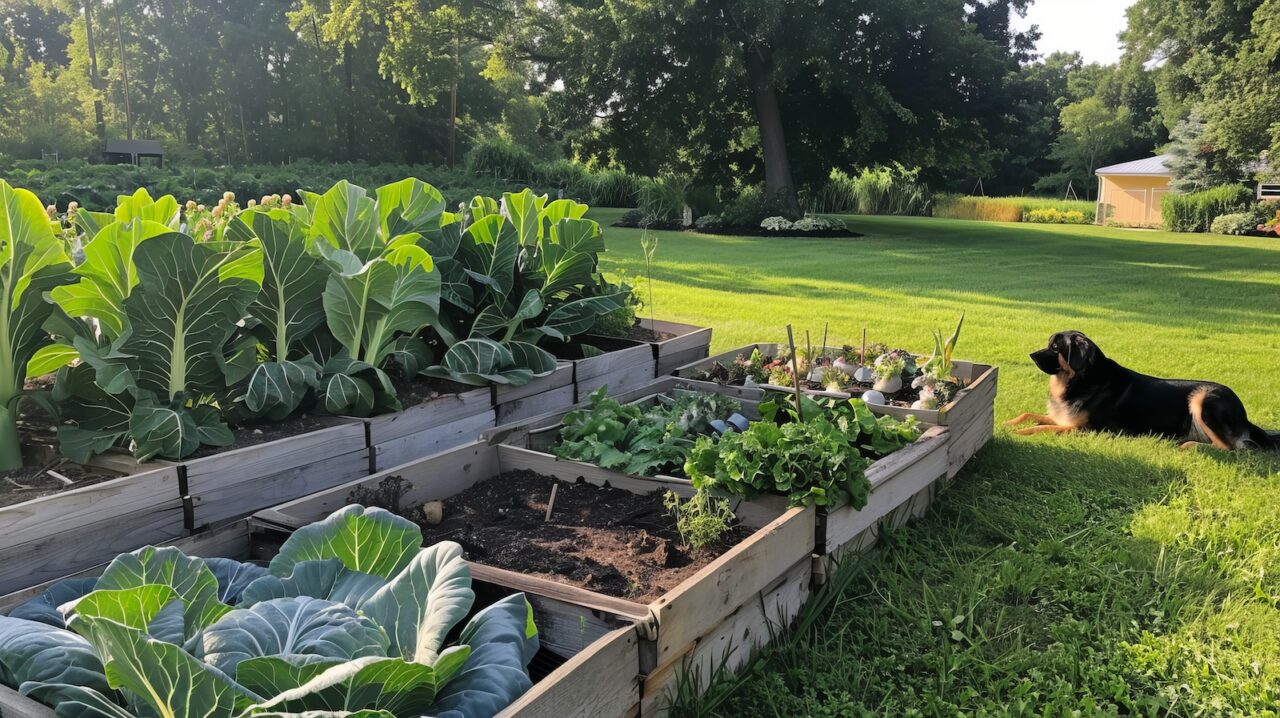
Your rain garden’s location is crucial since it will be capturing and filtering runoff from your rooftop, driveway, or other hard surfaces. You’ll want to find a spot that’s at least 10 feet away from your home to avoid any potential water damage, but still within the path of runoff water.
Avoid areas with heavy shade and check your underground utilities before you start digging. You don’t want to accidentally hit a gas line or disrupt your sprinkler system.
2. Test Your Soil
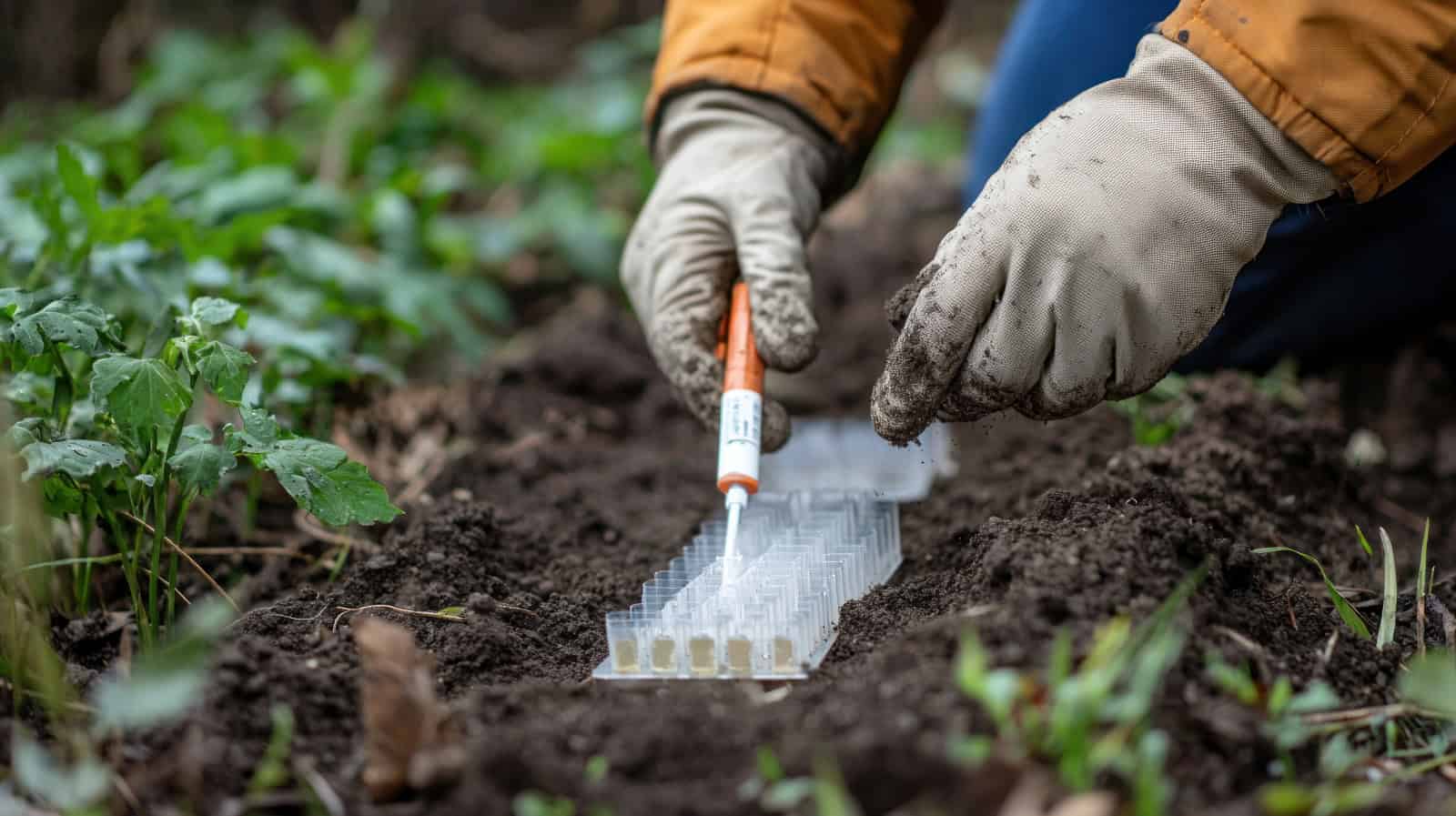
Rain gardens need well-draining soil. If water takes longer than 24 hours to drain in your chosen location, you might need to amend the soil with compost or sand to improve drainage.
You can test your soil’s drainage by digging a hole that’s 1 foot deep and filling it with water. If it drains within 12 hours, you’re good to go. If not, consider a different location or amending the soil.
3. Design Your Garden
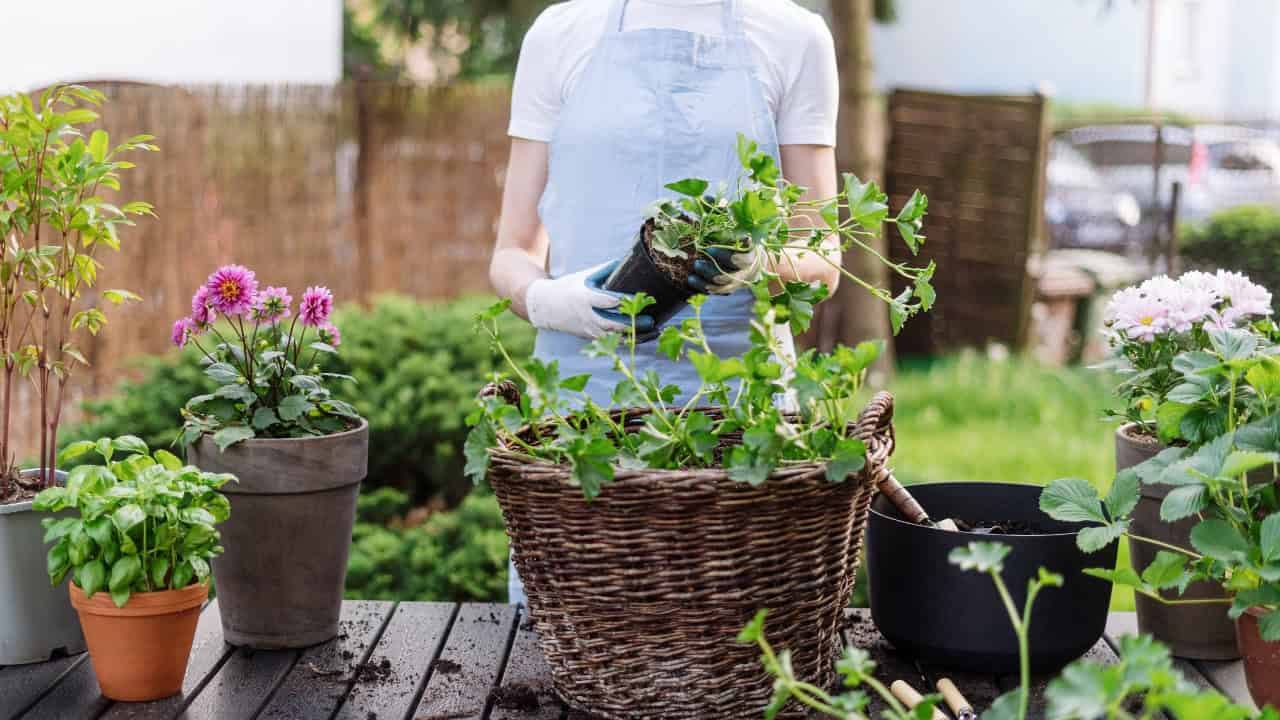
Consider your garden’s size, shape, and the types of plants you want to include. Rain gardens are typically shallow, broad, and slightly bowl-shaped, with the deepest area in the center.
If your garden is mostly for function, native grasses and sedges are a great choice. If you want a splash of color, consider adding native flowers.
4. Dig Your Garden
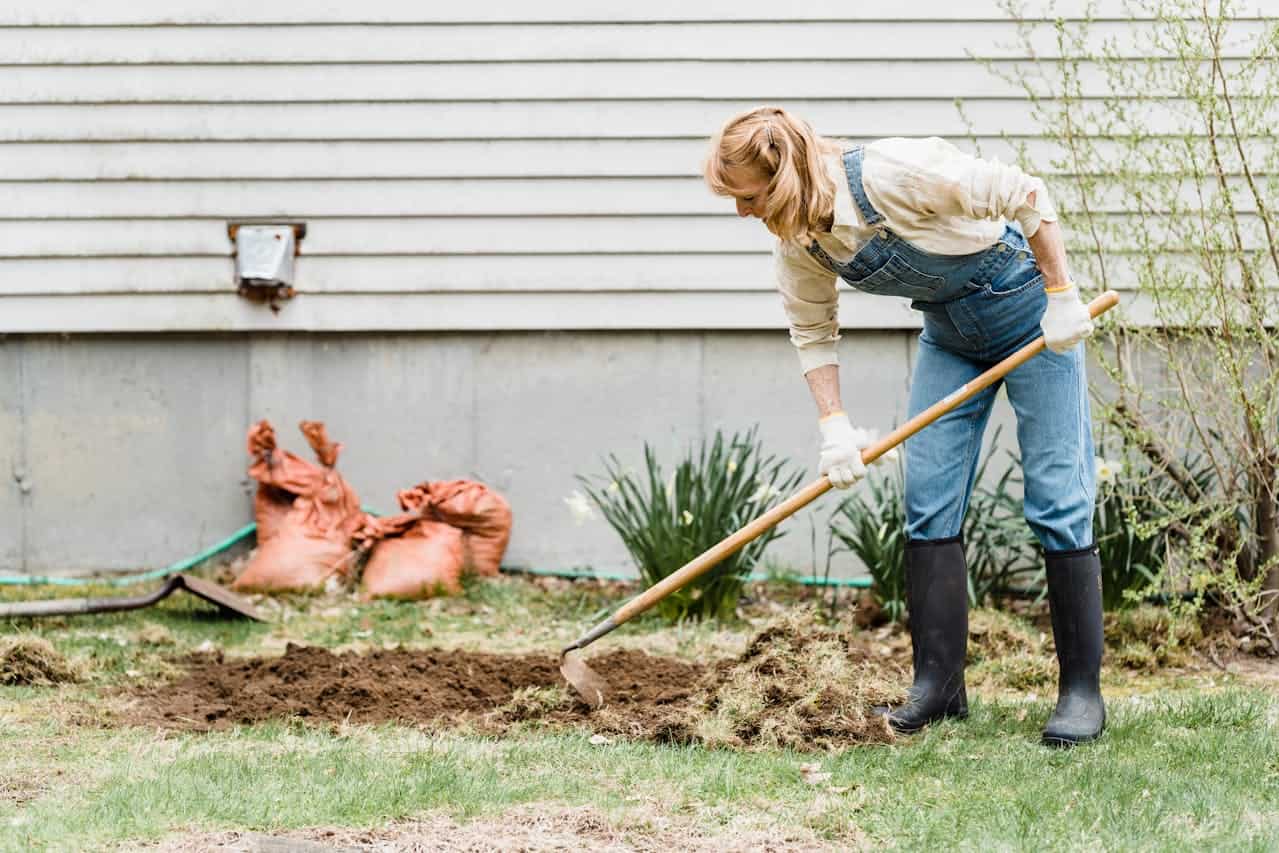
Now comes the hard work! The depth of your garden will depend on the type of soil and the size of the area it will be draining.
Generally, a depth of 4 to 8 inches is sufficient. Remember to slope the sides gradually to create a bowl shape.
5. Amend Your Soil
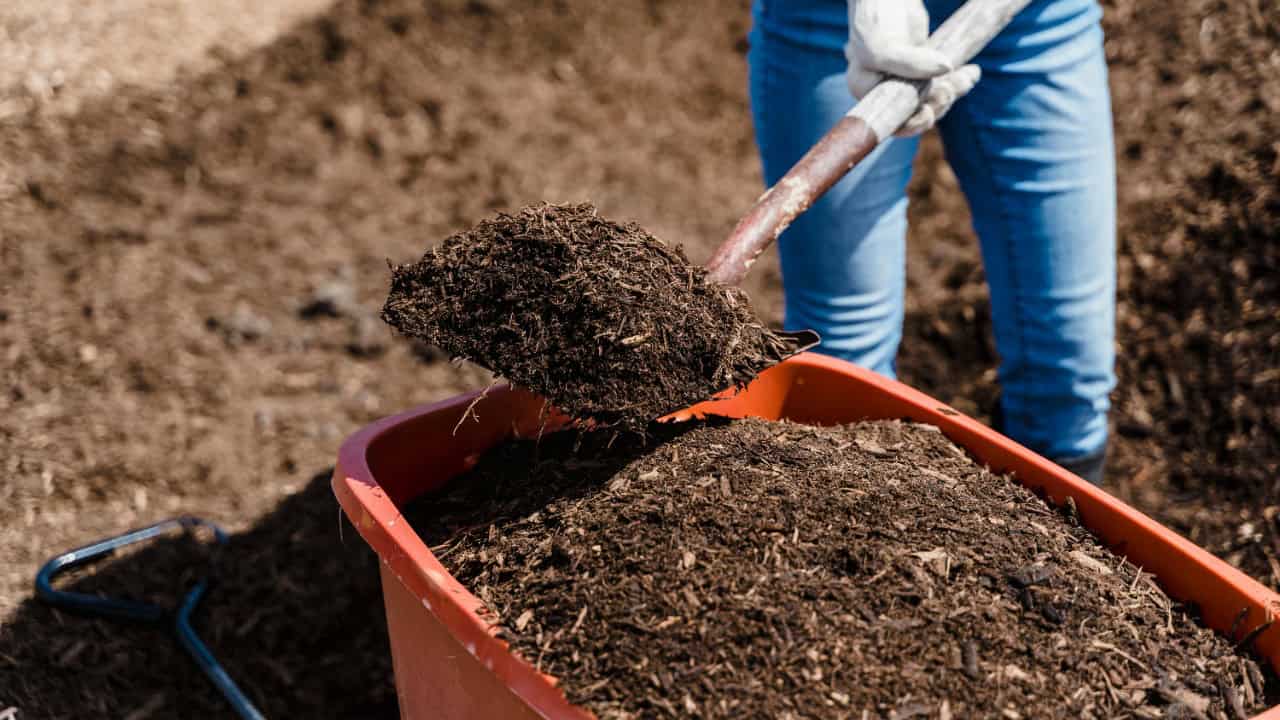
If your soil needs help with drainage, now’s the time to amend it. You can add compost, sand, or a rain garden soil mix to improve its water-holding capacity.
Work the amendments into your existing soil to create a healthy, well-draining soil mixture for your plants.
6. Choose Your Plants

Choosing the right plants for your rain garden is crucial. Look for native plants since they’re suited to your local climate and soil conditions, and they require less maintenance.
The plants should also be able to tolerate both excess water and periods of drought. Some great choices include switchgrass, joe-pye weed, and river birch.
7. Plant Your Garden

Plant your garden just like you would any other. Place taller plants in the center and shorter ones on the edges.
Ensure the plants are spaced well and that they have enough room to grow. Water them thoroughly after planting.
8. Mulch Your Garden
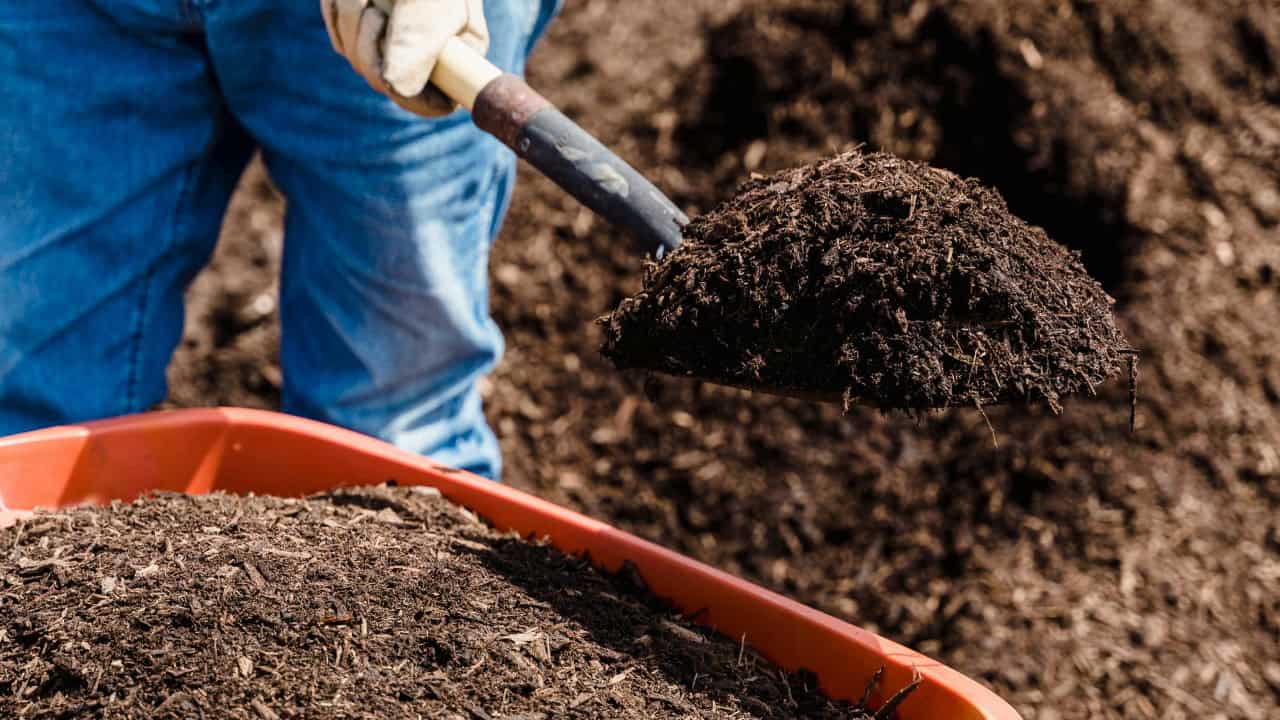
Mulching your garden helps to retain moisture, suppress weeds, and regulate soil temperature. Use shredded hardwood or bark mulch, and avoid using stones or gravel, as they can heat up and harm your plants.
Apply a layer of mulch that’s 2 to 3 inches thick, but avoid piling it against the stems of your plants.
9. Water Your Garden
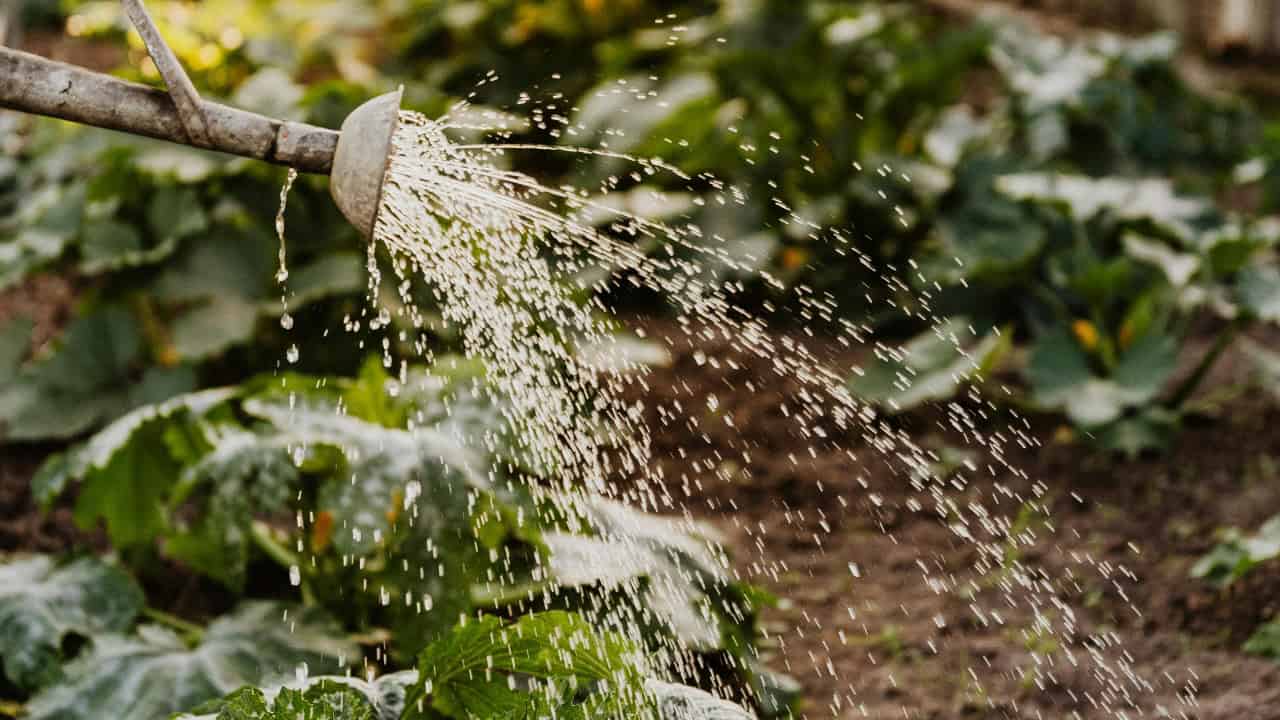
Water your garden regularly, especially during dry spells. Although rain gardens are designed to handle lots of water, they also need to dry out between watering.
Monitor your garden closely to learn how it responds to different weather conditions. This will help you know when it’s time to water or let it dry out.
10. Maintain Your Garden
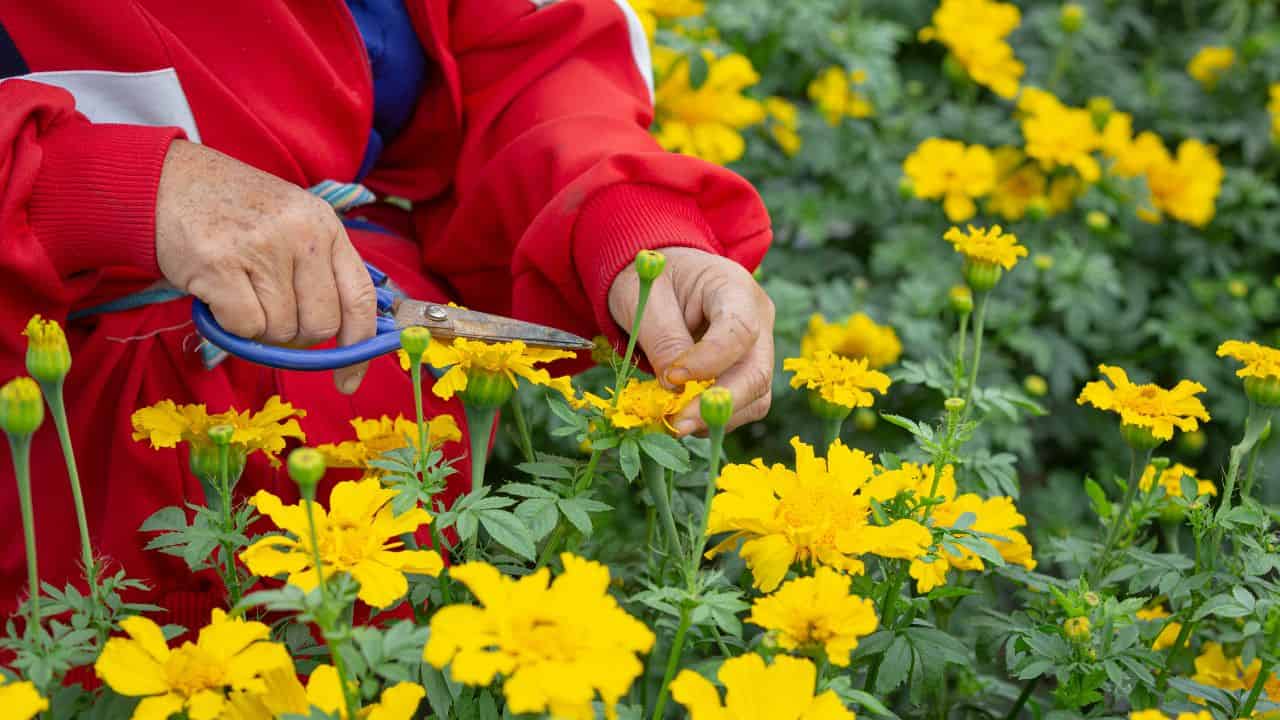
Like any garden, your rain garden will need regular maintenance. This includes weeding, mulching, and replacing any plants that don’t survive.
With time, your rain garden will establish itself and will require less maintenance. Be patient and give it the care it needs to thrive.
Building a DIY rain garden is a rewarding project that benefits your yard and the environment. So why not give it a try this weekend? You might just find it’s the perfect addition to your landscape.