As the warm season approaches, you might be considering ways to attract delightful visitors to your garden. Hummingbirds, with their iridescent feathers and rapid wing motion, are a sight to behold and can transform your backyard into a nature-filled paradise. Attracting these tiny wonders can be a fun and rewarding summer activity for nature enthusiasts. So, whether you’re a seasoned birder or a novice gardener, read on for some helpful advice on how to invite hummingbirds to your backyard naturally this summer.
1. Create a Floral Feast
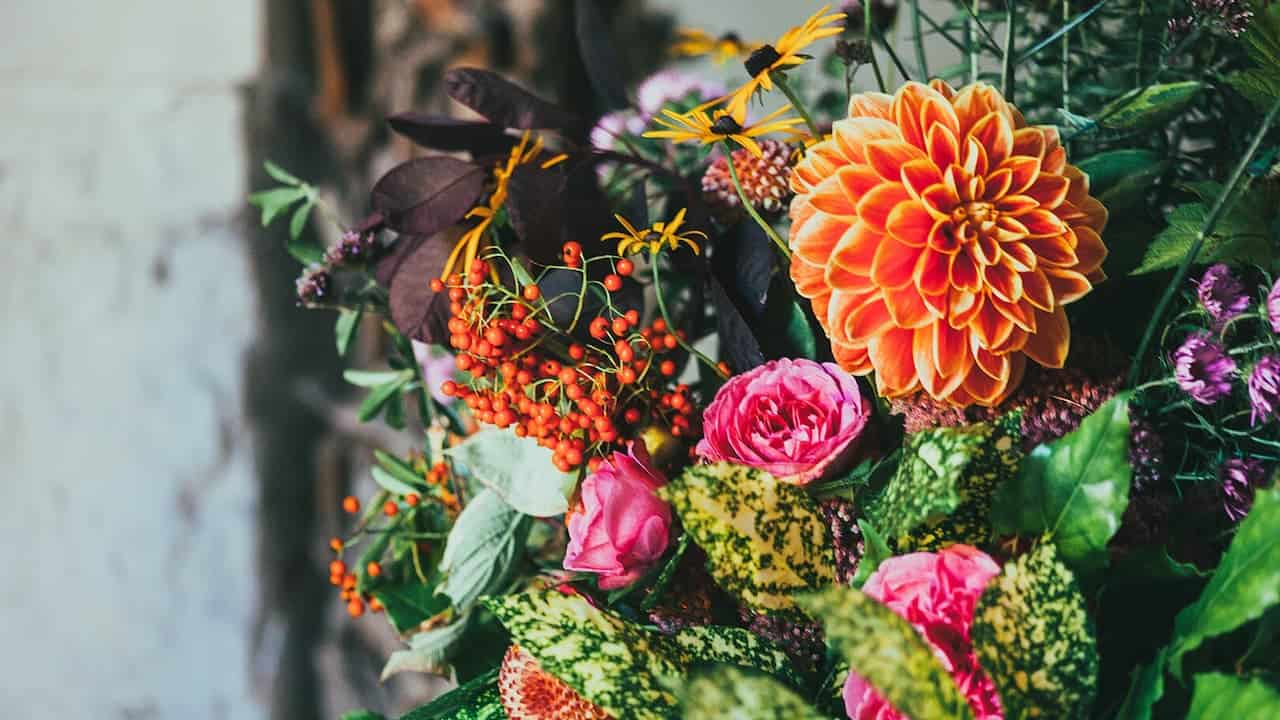
Hummingbirds primarily feed on nectar, so planting an assortment of nectar-rich flowers is a surefire way to attract these birds. Opt for bright flowers, especially red ones, as hummingbirds are particularly attracted to this color due to its high visibility.
Advertisement
Try planting bee balm, canna, columbine, or coral bells. These flowers not only provide the birds with the energy they need but also add a splash of color to your garden. Remember to stagger your plantings so that you have blooms throughout the summer, ensuring a constant food supply for your hummingbird visitors.
2. Provide a Water Source
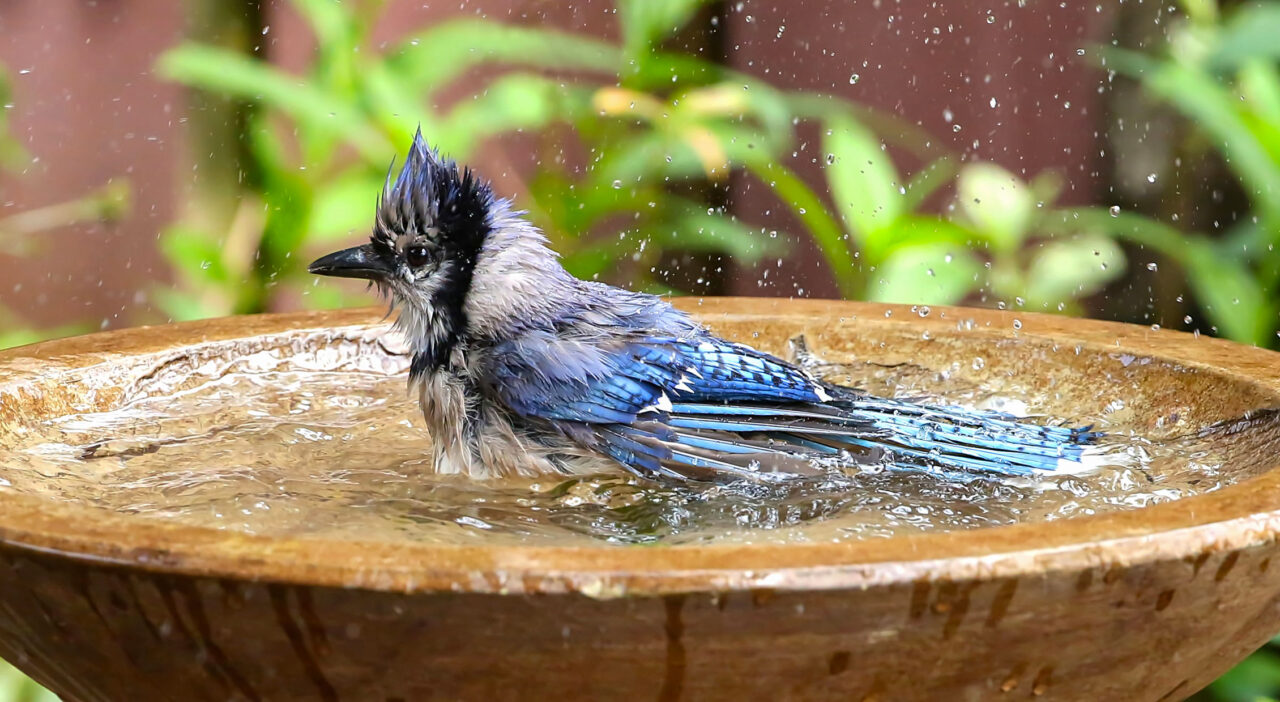
Just like any other living creature, hummingbirds need water. However, unlike other birds, hummingbirds don’t like to bathe in standing water. Instead, they prefer to fly through mist or take showers under dripping leaves.
You can attract hummingbirds by installing a mister or dripper in your garden. Alternatively, hang a water-filled spray bottle with a slow leak to mimic a drizzle. Ensure that the water source is visible and accessible, ideally near nectar-rich flowers.
3. Install Hummingbird Feeders

While natural nectar from flowers is the best source of nutrition for hummingbirds, you can supplement their diet with hummingbird feeders filled with homemade sugar solution.
Make sure to clean the feeders regularly to prevent the growth of mold and bacteria. Additionally, avoid using red dye in the sugar water as it can be harmful to hummingbirds. Instead, choose feeders with red components to attract the birds.
4. Opt for Native Plants

Native plants, adapted to your local climate and soil conditions, tend to thrive with less care than non-native species. Moreover, native plants can attract local hummingbird species as these birds have co-evolved with these plants.
Research the native plants in your area that produce nectar-rich flowers. Planting these will not only attract hummingbirds but also support the local ecosystem.
5. Avoid Using Pesticides
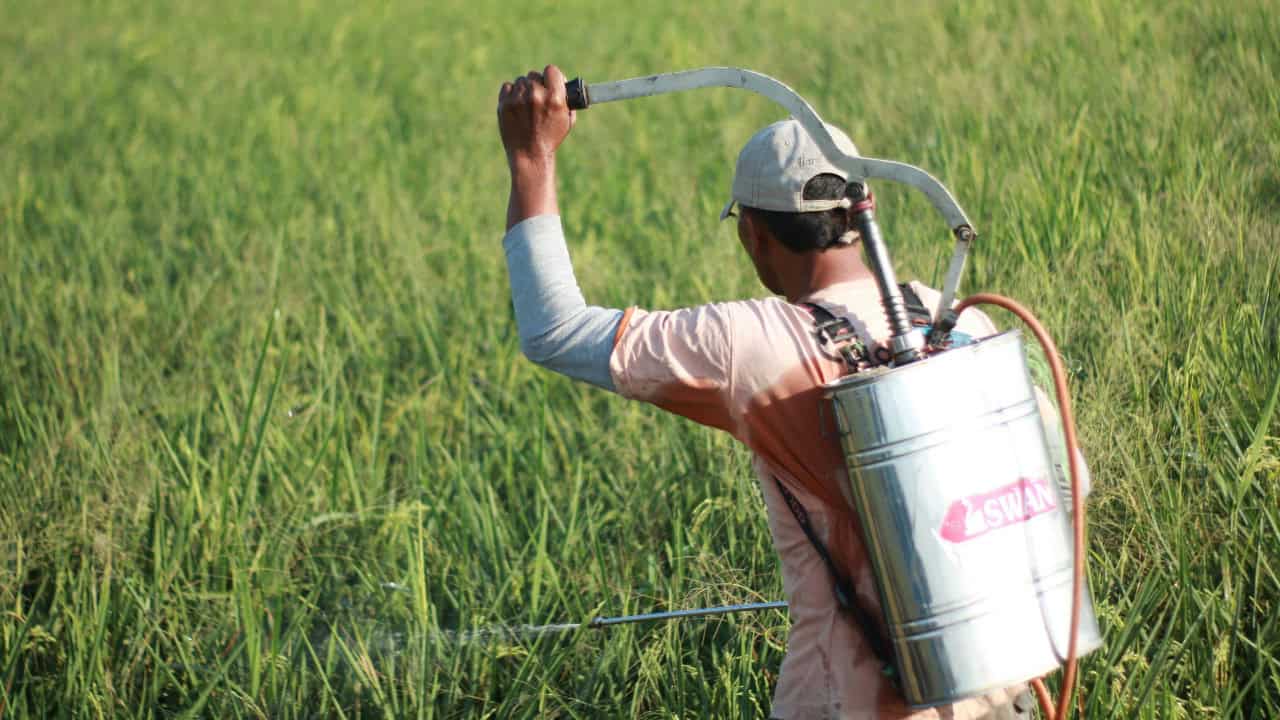
Pesticides can kill off insects that hummingbirds eat, reducing the food available to them. Moreover, pesticides can be directly harmful to hummingbirds.
Instead of using chemicals, opt for organic gardening practices. This not only ensures a safer environment for hummingbirds but also for other beneficial insects and birds.
6. Create Perches for Rest
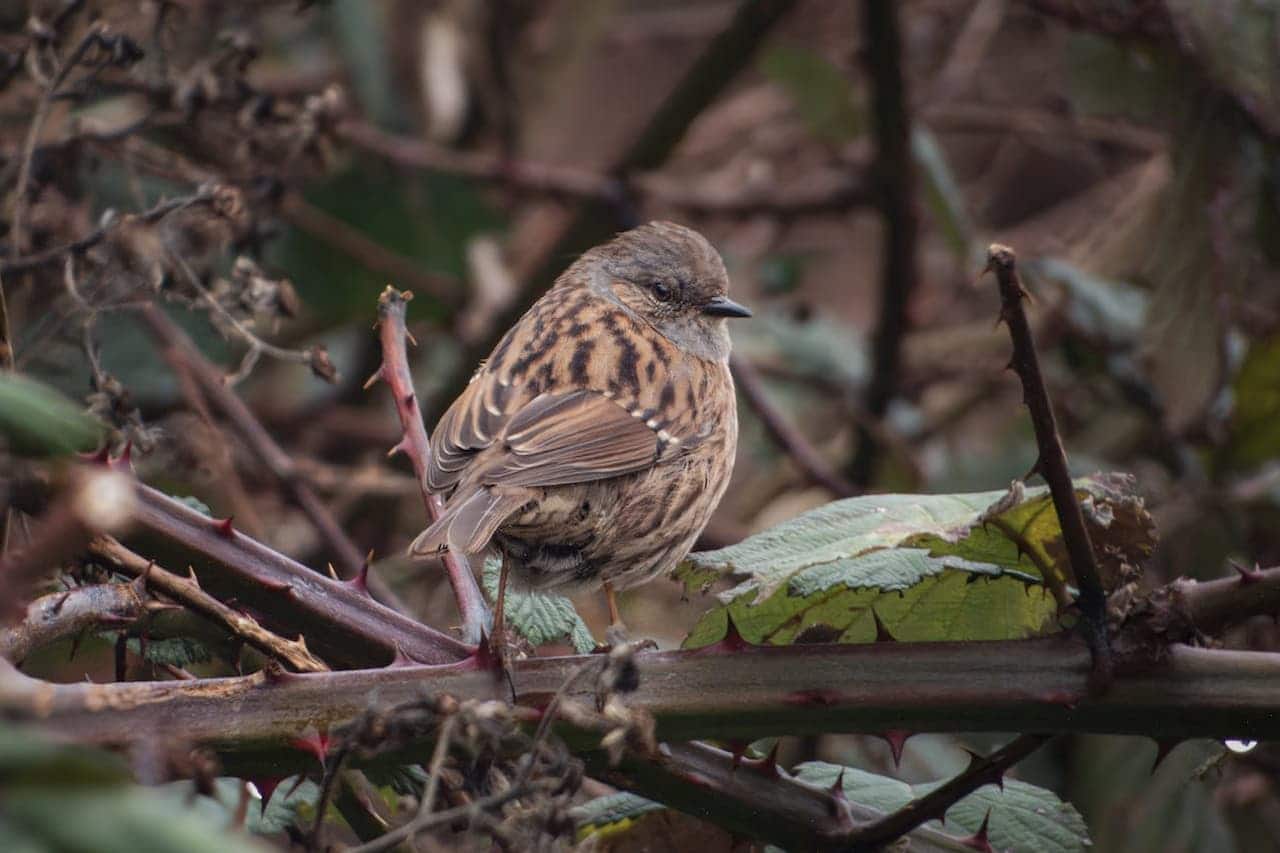
Hummingbirds may be known for their hovering abilities, but they do rest and perch up to 80% of the time. Providing places for them to rest near food sources can make your yard more appealing.
Plant tall shrubs or install a thin, horizontal pole for hummingbirds to perch on. Ensure that these perches offer a clear view of flowers and feeders, allowing the hummingbirds to guard their food sources.
7. Plant in Layers

Hummingbirds feel safer when they have a quick and easy escape route. Planting your garden in layers, with tall trees and shrubs on the periphery and shorter plants towards the center, can provide such escape routes.
This layered approach not only enhances the overall visual appeal of your garden but also provides a variety of habitats for different bird species, increasing the biodiversity of your yard.
8. Offer Nesting Material
Attracting hummingbirds to your garden isn’t just about providing food. By offering nesting materials, you can encourage these birds to make your garden their home.
Leave plant fluff, small twigs, and leaves in your garden for hummingbirds to use. Avoid using dryer lint as it can retain water and chill the baby birds.
9. Keep Cats Indoors
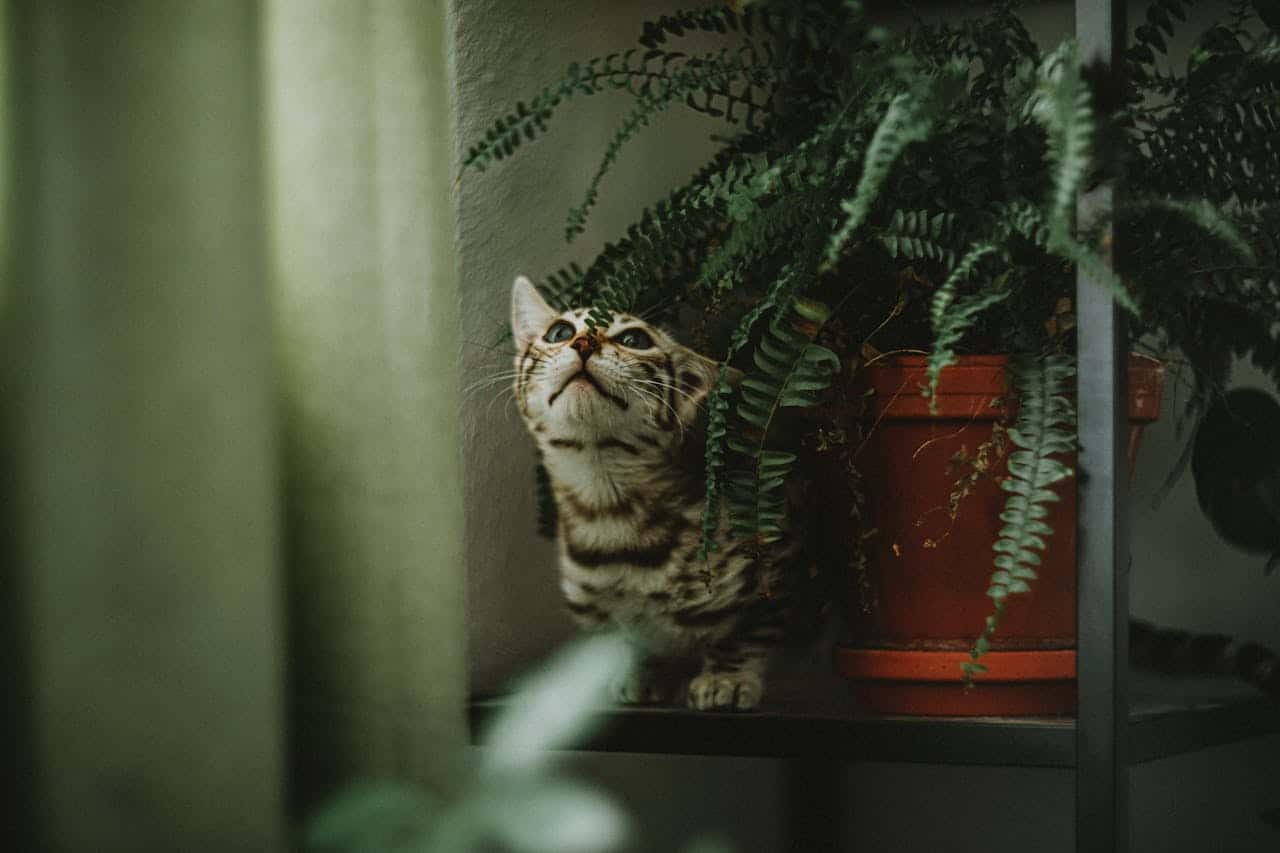
Cats are a primary threat to hummingbirds. If you have a cat, keep it indoors as much as possible during the hummingbird season.
If keeping your cat indoors isn’t an option, consider creating a “cat-free zone” around your hummingbird feeders and flowers by using deterrents such as motion-activated sprinklers.
10. Be Patient
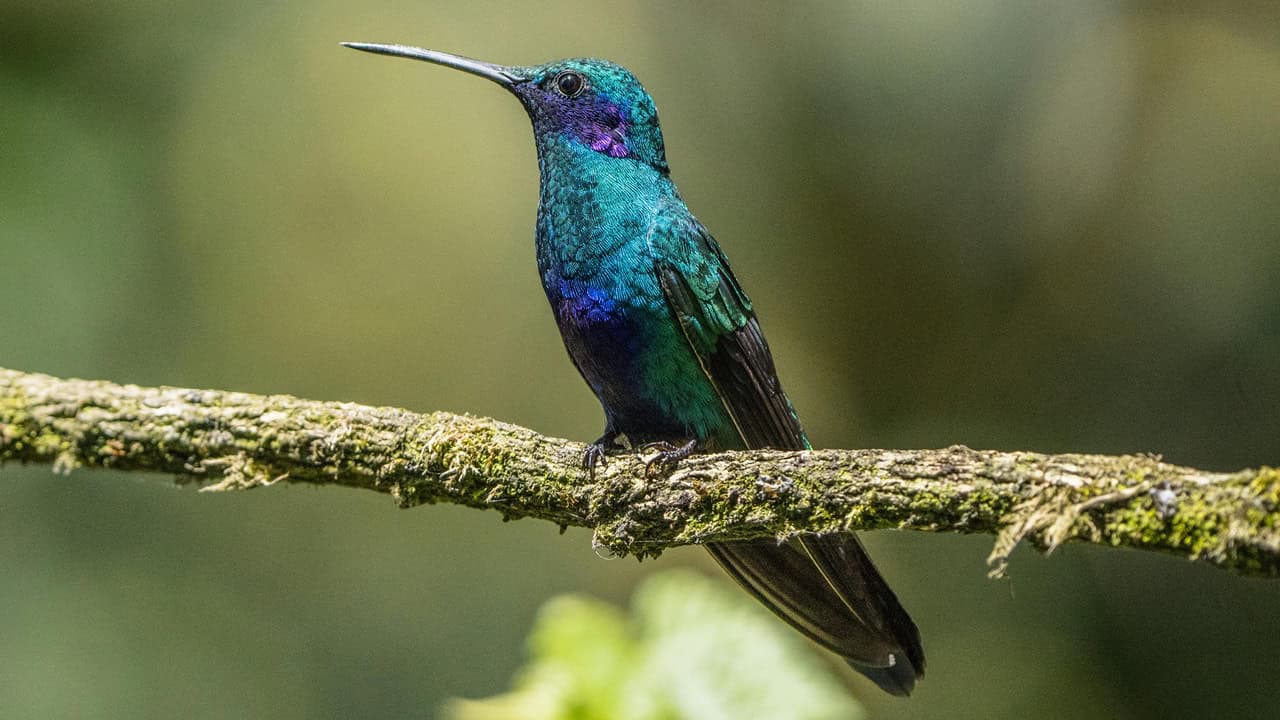
Lastly, remember that attracting hummingbirds naturally is a process that requires time and patience. Don’t be discouraged if you don’t see results immediately.
Keep refining your strategies, and eventually, you’ll see these flying jewels darting around your garden. And when that happens, take a moment to appreciate the beauty of nature right in your backyard.