It’s easy to think every home upgrade is a good investment, but some can actually hurt your resale value. What seems like a smart update now might make buyers run the other way later. Over-the-top customizations, high-maintenance features, and anything that limits how a space can be used are all risky moves if selling is in your future.
I’ve seen plenty of homeowners put time and money into projects they love, only to realize later that buyers don’t feel the same way. Some upgrades are too taste-specific, too expensive to maintain, or just make a home harder to sell. If you don’t want to lose money when you list, here are eight upgrades that could tank your resale value.
Advertisement
Overly Personalized Tile

Unique tile can look great when it matches your taste, but it’s one of those upgrades that doesn’t always work for resale. Bold patterns, bright colors, or custom designs can be expensive to install and just as costly to rip out. If a buyer doesn’t love it, they’ll see it as an immediate project, which isn’t great for getting top dollar on your home.
If you’re redoing your floors or backsplash, stick with classic tile styles in neutral tones. Subway tile, simple ceramic, or natural stone have lasting appeal and won’t scare off potential buyers. If you want to add personality, consider using bold tile in small doses, like an accent strip or a removable peel-and-stick option.
Over-the-Top Kitchen Remodel
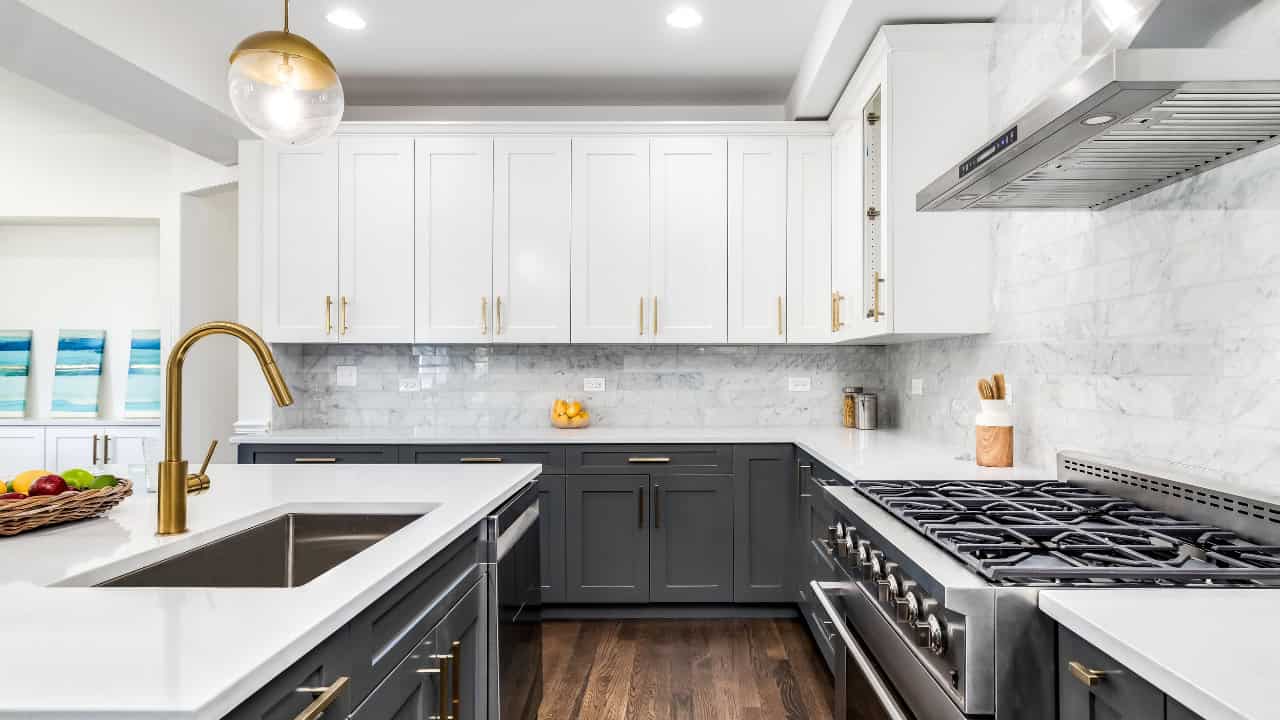
A high-end kitchen may be your dream, but it’s not always a smart investment when it comes to resale. Luxury finishes, custom cabinetry, and professional-grade appliances can push the budget way up, but most buyers won’t pay extra for those upgrades. Instead, they’ll see a kitchen that’s expensive to maintain or one that doesn’t fit their needs.
If you want to refresh your kitchen, focus on upgrades with broad appeal. Quality countertops, updated lighting, and functional storage will attract more buyers than ultra-expensive finishes. A fresh, well-maintained kitchen is always a selling point, but going too high-end can mean losing money when it’s time to sell.
Home Theater Overload
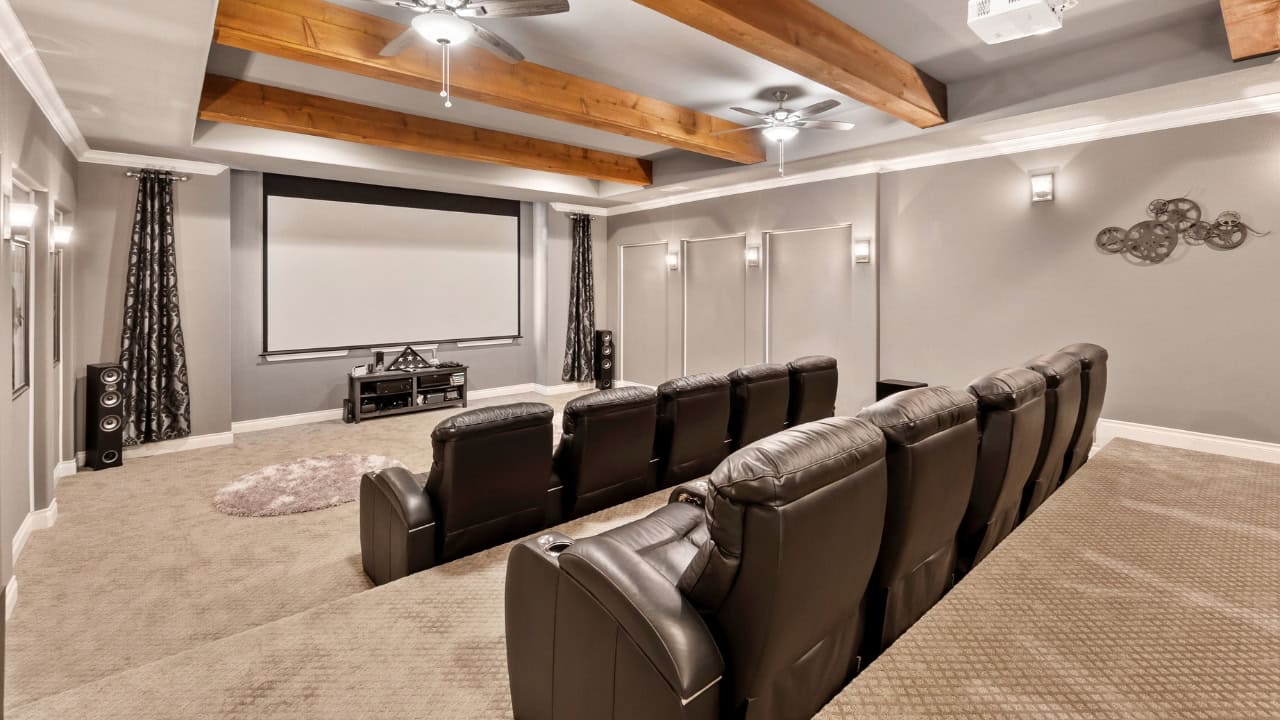
A dedicated home theater sounds like a great idea, but not every buyer wants a room that can only be used for one thing. A space decked out with tiered seating, built-in projectors, and blackout curtains might be fun for movie nights, but for someone who doesn’t care about that setup, it just looks like a room they have to redo.
If you love your theater, make sure it’s easy to convert back to a multipurpose space. Instead of permanent changes, use furniture that can be rearranged, and avoid built-in features that limit the room’s potential. Buyers appreciate flexibility, so a space that can be used as an office, guest room, or playroom is a bigger selling point.
Converting the Garage
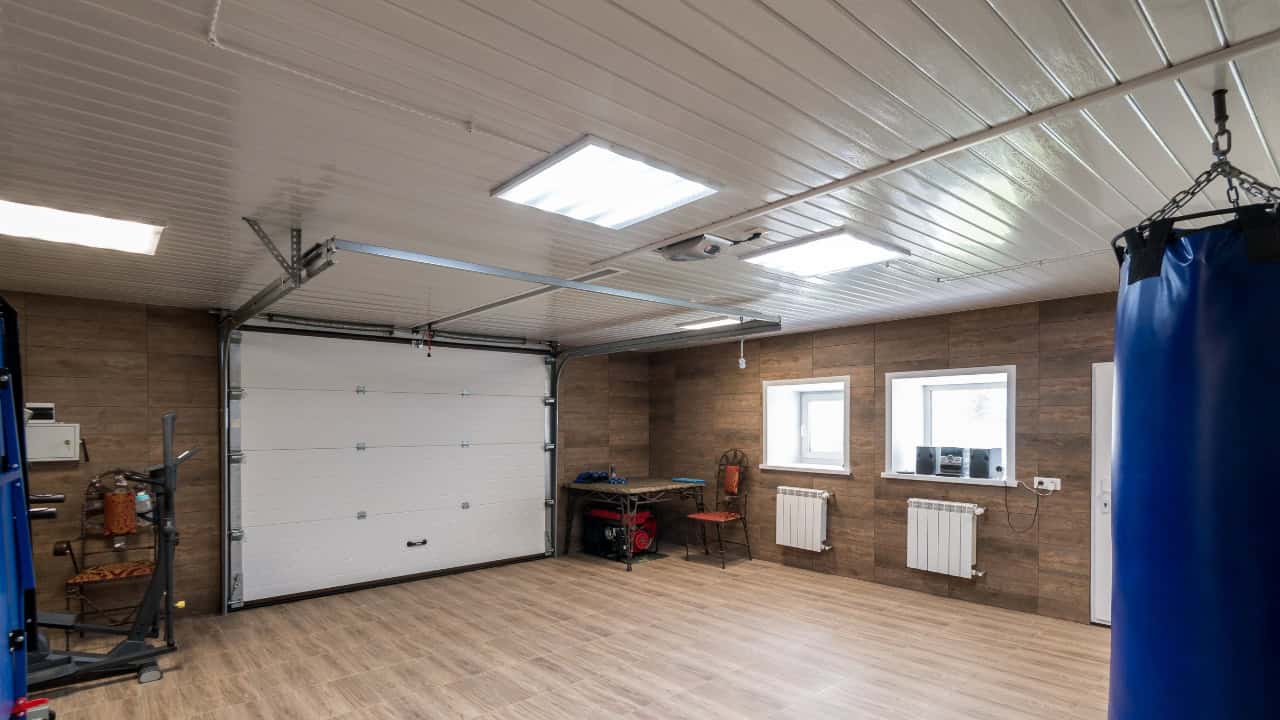
Turning a garage into extra living space might seem like a smart move, but for many buyers, a garage is more valuable than a gym, game room, or extra bedroom. Storage space is a big deal, and losing a garage means losing a place to park, store tools, or keep seasonal gear. In some areas, a house without a garage is much harder to sell.
If you need more space but plan to sell in the future, look for temporary solutions. A finished garage that can still function as storage or parking is a better option. If you’ve already converted it, consider leaving the door tracks in place so it’s easier to switch back when it’s time to list your home.
Over-the-Top Light Fixtures
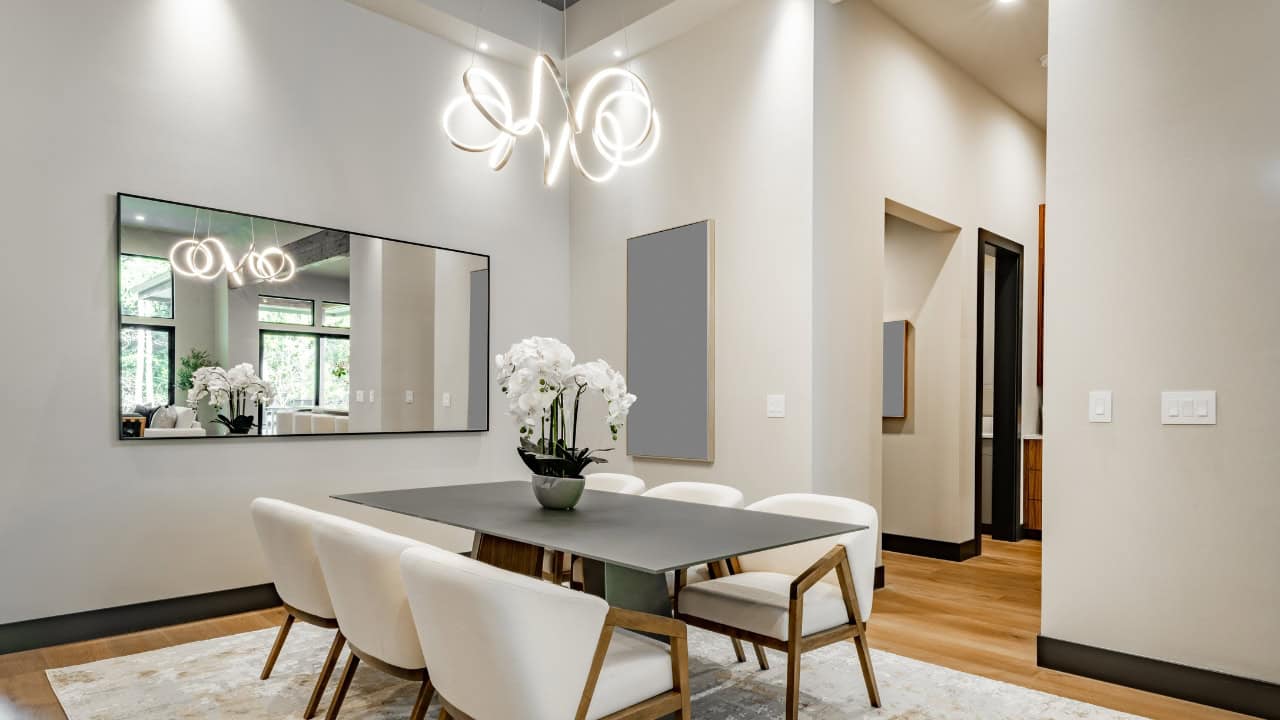
That trendy chandelier might look perfect in your dining room now, but give it a decade, and it’ll likely scream outdated. Statement lighting is one of those upgrades that reflects personal taste more than broad appeal, and if it’s too bold or specific, buyers might see it as something they have to replace. Even high-end fixtures don’t always hold their value, making them a risky investment if resale is on your radar.
Instead of going all-in on a dramatic light fixture, stick with classic designs that complement various styles. Simple, well-placed lighting does more for a home’s value than an expensive, flashy fixture that buyers may not love. If you’re set on adding personality, use lamps or sconces that are easy to swap out rather than something hardwired and pricey.
Too Much Wallpaper
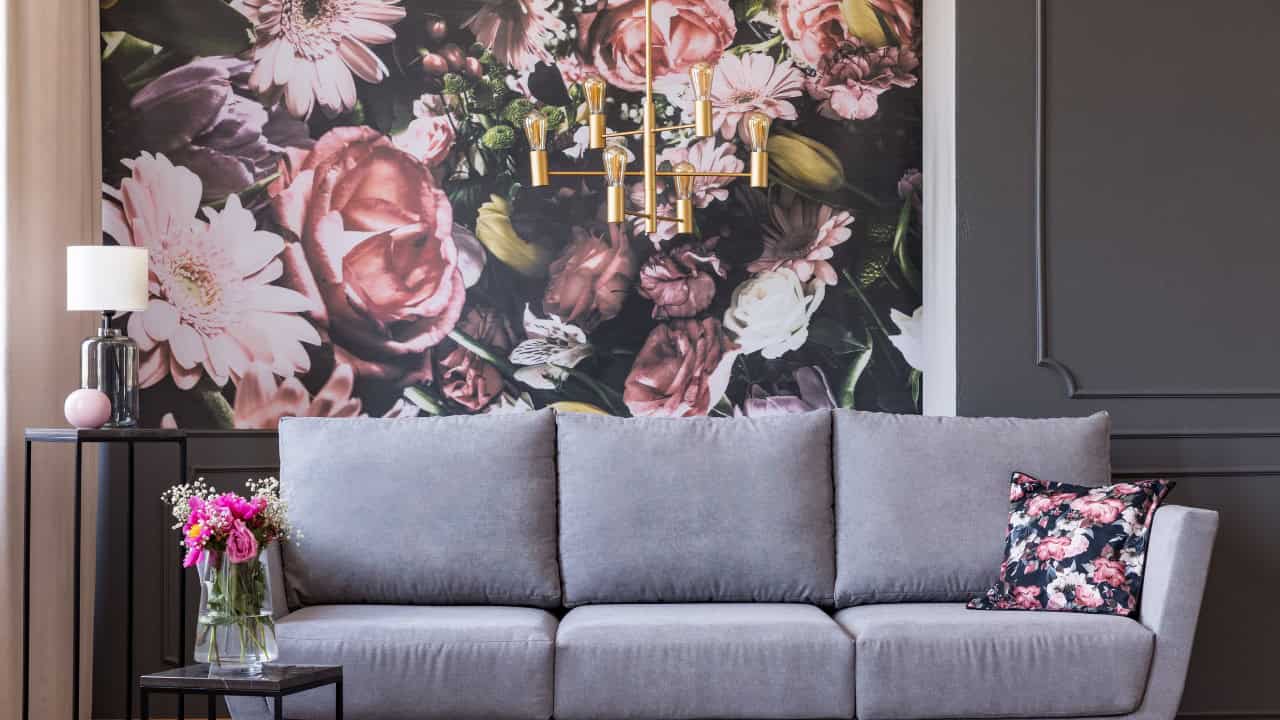
Wallpaper might be making a comeback, but that doesn’t mean it’s a safe bet for resale. Styles change fast, and what looks stylish now could feel outdated in a few years. On top of that, wallpaper is a pain to remove, which means buyers might see it as extra work rather than a selling point. Even neutral patterns can be risky if the new owners have different taste.
If you’re planning to sell, a fresh coat of neutral paint is the better option. It keeps things simple and gives buyers a blank slate to imagine their own style. If you love wallpaper, try using it in small spaces like a powder room or as a removable option, so it’s easy to switch out when styles shift.
Over-the-Top Bathroom Upgrades
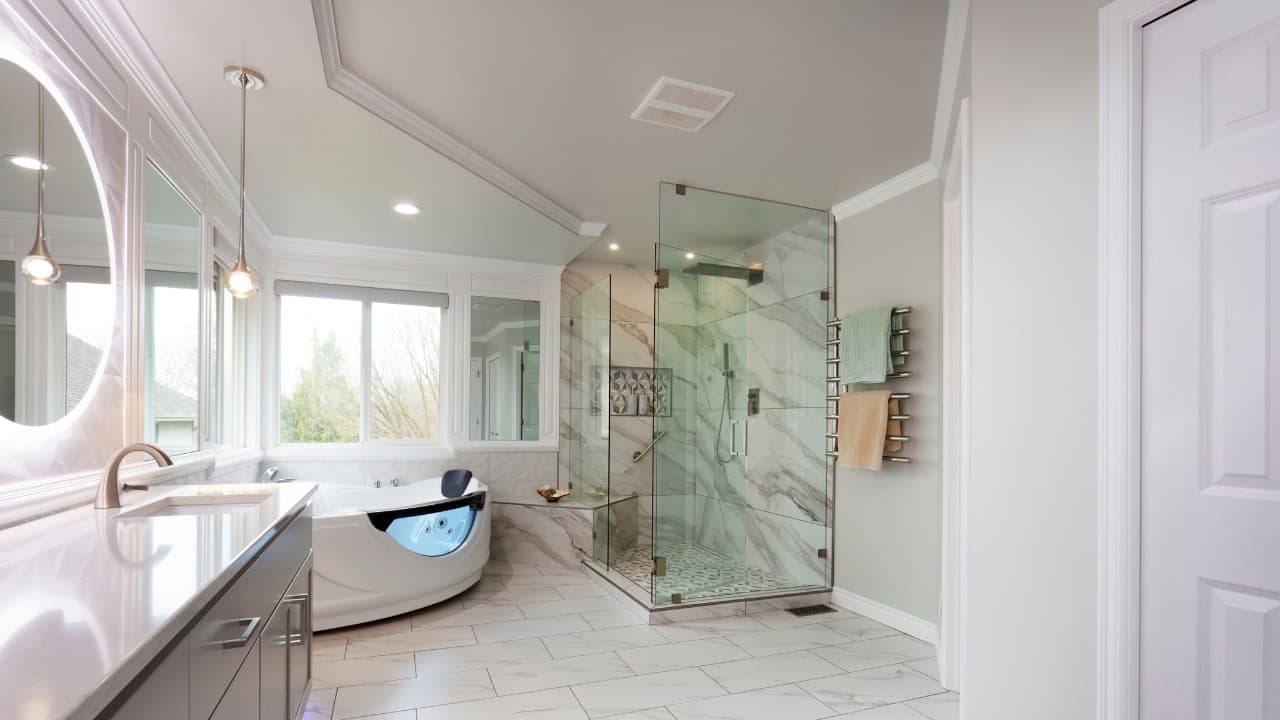
A luxury bathroom sounds great—until you realize not everyone wants to deal with the upkeep or the price tag that comes with it. Freestanding tubs, whirlpools, and high-end fixtures might make your bathroom feel like a spa, but buyers could see them as wasted space or unnecessary expenses. Bigger isn’t always better, especially if you’re swapping out functional space for fancy upgrades that don’t appeal to the average buyer.
A clean, modern, and functional bathroom is what really adds value. Instead of going overboard, focus on updates that improve efficiency—like good lighting, fresh tile, or a spacious shower. Buyers love a bathroom that looks fresh and well-maintained, not one that feels like a showroom with features they may never use.
Bold or Dark Paint Colors

A dark, moody room might fit your style, but it can make your home harder to sell. Deep colors can make rooms feel smaller, and while they might work in the right space, they’re often a turnoff for buyers looking for something move-in ready. If a color is too specific, it could leave buyers thinking about the time and money they’ll need to repaint.
Lighter, neutral shades are a safer bet when selling. They make spaces feel bigger and brighter and appeal to a wider range of tastes. If you love bold colors, use them in decor—like artwork or throw pillows—so they’re easy to swap out when it’s time to list your home.
*This article was created with the help of AI.