When it comes to protecting your home, having the right insurance is essential. Many homeowners, however, unknowingly make mistakes that could lead to significant financial losses. Avoiding these common pitfalls can save you thousands and ensure you have the coverage you need in times of crisis.
Navigating the world of home insurance can be overwhelming, but understanding these mistakes is the first step toward smarter decision-making. In this article, you’ll learn about the twelve mistakes that can impact your policy and your peace of mind. Being informed will help you make choices that reinforce your financial security and protect your most valuable asset.
Advertisement
1. Skipping earthquake coverage in quake-prone areas
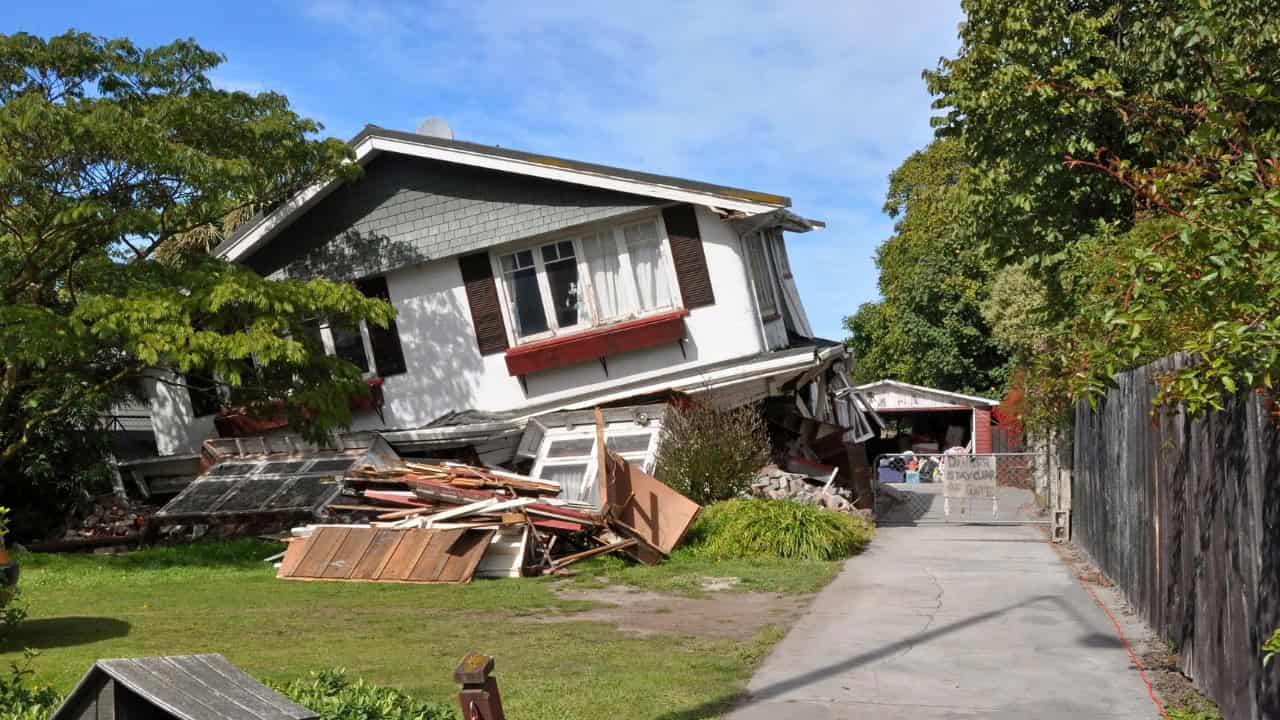
If you live in a region vulnerable to earthquakes, such as California or Washington, skipping earthquake coverage can lead to significant financial loss. Many homeowners mistakenly believe their standard home insurance includes this protection, but it typically does not.
Only a small percentage of residents in high-risk areas have earthquake insurance. For example, despite experiencing 90% of the country’s earthquakes, only 10% of California’s residents are covered.
Assess your insurance needs carefully and consider adding earthquake coverage to safeguard your home and finances against potential seismic events.
2. Underestimating the value of personal belongings

It’s easy to overlook the true value of your personal belongings when selecting home insurance. Many homeowners tend to underestimate these items, fearing higher premiums.
This can lead to being underinsured, leaving you at risk during a loss.
Take the time to assess the value of your electronics, furniture, and other personal items.
Keep an updated inventory so that you’re protected and can recover fully in case of damage or theft.
3. Choosing a high deductible to save money

Opting for a high deductible can reduce your monthly insurance premiums. This means you might save a significant amount each year.
It’s essential to weigh the savings against the risk. If you need to file a claim, you’ll pay more out of pocket initially. Make sure you can handle that financial burden comfortably.
Many homeowners choose this route to cut costs, but it might not be ideal for everyone. Assess your personal situation and risk tolerance before making a decision.
4. Ignoring liability coverage gaps
It’s easy to overlook liability coverage in your home insurance policy. This part of your policy protects you if someone is injured on your property or if you accidentally damage someone else’s property.
Review your liability limits regularly. They may not be sufficient for serious accidents. If your coverage is too low, you could face significant expenses.
Consider adding an umbrella policy for extra protection. This can provide additional liability coverage for unexpected situations. Staying proactive about your coverage can help protect your finances in the long run.
5. Failing to update policy after home renovations
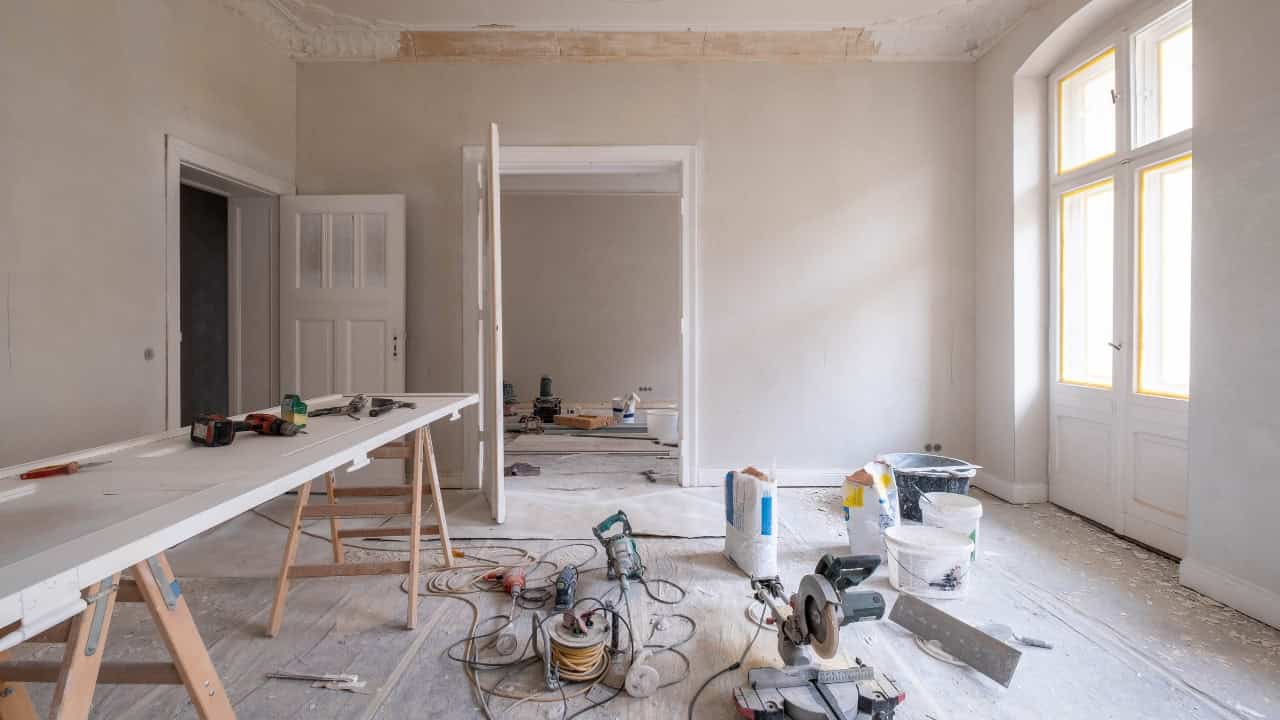
When you renovate your home, its value often increases. Neglecting to inform your insurance provider about these changes can leave you underinsured.
Consider the risk. If damage occurs, you might need to pay out of pocket for repairs because your policy doesn’t reflect your home’s new value.
It’s a good habit to update your policy after major renovations. Whether you’re adding a room or upgrading your kitchen, keeping your insurance current ensures you’re adequately covered.
6. Neglecting flood insurance in flood-prone areas
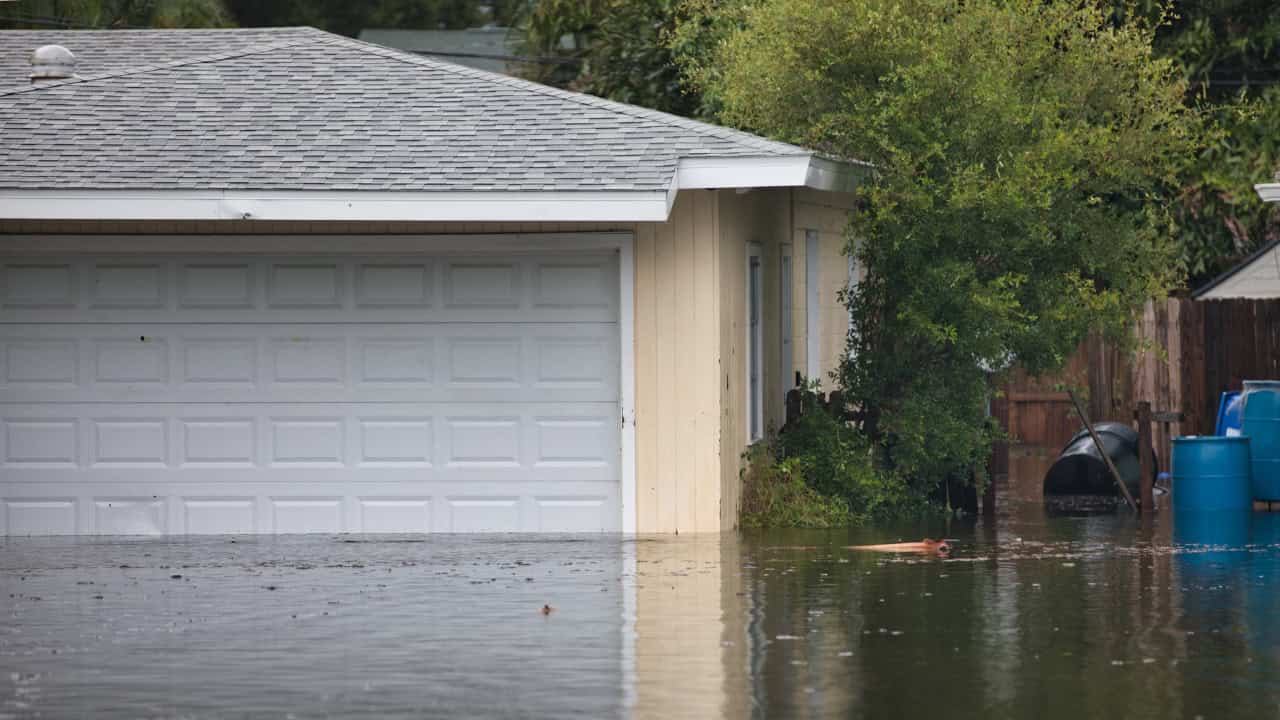
If you live in a flood-prone area, it’s essential not to overlook flood insurance. Standard homeowners policies often do not cover flood damage. This could lead to significant unexpected costs if a flood occurs.
Many people assume that their home insurance will protect them. Unfortunately, this isn’t the case for flood-related incidents. Investing in a separate flood insurance policy can provide peace of mind.
Check with your local insurance agent to understand your options. They can help you determine the best coverage based on your location and risks. Never wait until a storm is approaching to secure this protection.
7. Omitting coverage for expensive valuables

Many homeowners overlook the need for additional coverage on high-value items. Standard home insurance often includes coverage limits for valuables like jewelry, art, and collectibles.
For example, jewelry may only be covered up to $1,000 or $2,000. This can leave you vulnerable if something happens.
To protect your treasured possessions, consider getting separate endorsements or policies. Identifying which items need extra coverage can save you from significant financial loss in the event of theft or damage.
8. Allowing coverage limits to fall below replacement cost


Keeping your home insurance coverage in line with its replacement cost is crucial. If your policy amount drops below what it would take to rebuild your home, you could face significant financial losses.
The 80% rule in home insurance suggests maintaining coverage of at least 80% of your home’s total replacement cost. If you ignore this guideline, you risk being underinsured.
Review your policy regularly. Factors like inflation and market changes can affect your home’s value. Stay informed to ensure you’re adequately covered. This simple step can help protect your investment in the long run.
9. Not reviewing policy annually for accuracy


Failing to review your home insurance policy each year can lead to costly mistakes. Your coverage needs can change due to life events such as renovations, new purchases, or changes in local risk factors.
By not checking your policy, you risk being underinsured or overpaying for unnecessary coverage. Annual reviews help ensure that your coverage limits align with your current situation.
Take the time to reassess your policy to confirm everything is accurate. This simple step can save you a significant amount in the long run.
10. Choosing an insurer based solely on price

Selecting an insurance provider just because they offer the lowest price can be tempting. However, this approach may lead to significant gaps in coverage.
You might find that cheaper policies come with higher deductibles or exclusions that leave you vulnerable. It’s important to evaluate the insurer’s reputation, customer service, and the specifics of the policy.
Consider how well the insurer handles claims. A company that is affordable but difficult to deal with during a claim can cost you much more in the long run. Take the time to compare options and ensure you’re getting the best coverage for your needs.
11. Neglecting to bundle insurance for discounts
Many homeowners overlook the benefits of bundling their insurance policies. By combining home and auto insurance, you can access significant discounts.
Insurance providers often reward you for consolidating policies. This can lead to lower overall premiums.
When shopping for insurance, always ask about available discounts for bundling. You might be surprised at how much you can save.
12. Lacking umbrella insurance for extra liability protection


Many homeowners overlook the benefits of umbrella insurance. This additional layer of liability coverage protects you when standard policies fall short.
If you face a significant claim or lawsuit, your home or auto insurance limits may not be enough. Without umbrella insurance, you risk losing your savings or assets.
It’s designed to cover legal costs and damages, offering peace of mind. By investing in an umbrella policy, you safeguard your financial future against unexpected accidents.
*This article was created with the help of AI.