Heating your home isn’t cheap, but a lot of people are making it even more expensive without realizing it. Small mistakes—like cranking the thermostat too high or blocking vents—can make your system work harder than it needs to, sending your energy bill through the roof. Even worse, some habits can actually shorten the life of your furnace, leading to costly repairs down the road.
The good news? Most of these mistakes are easy to fix. A few small changes can help you keep your home warm without wasting money. If your heating bill keeps creeping up or your house never feels as warm as it should, it’s time to figure out what’s going wrong—and how to fix it.
Advertisement
Change Your Air Filter Before It Wrecks Your Bill
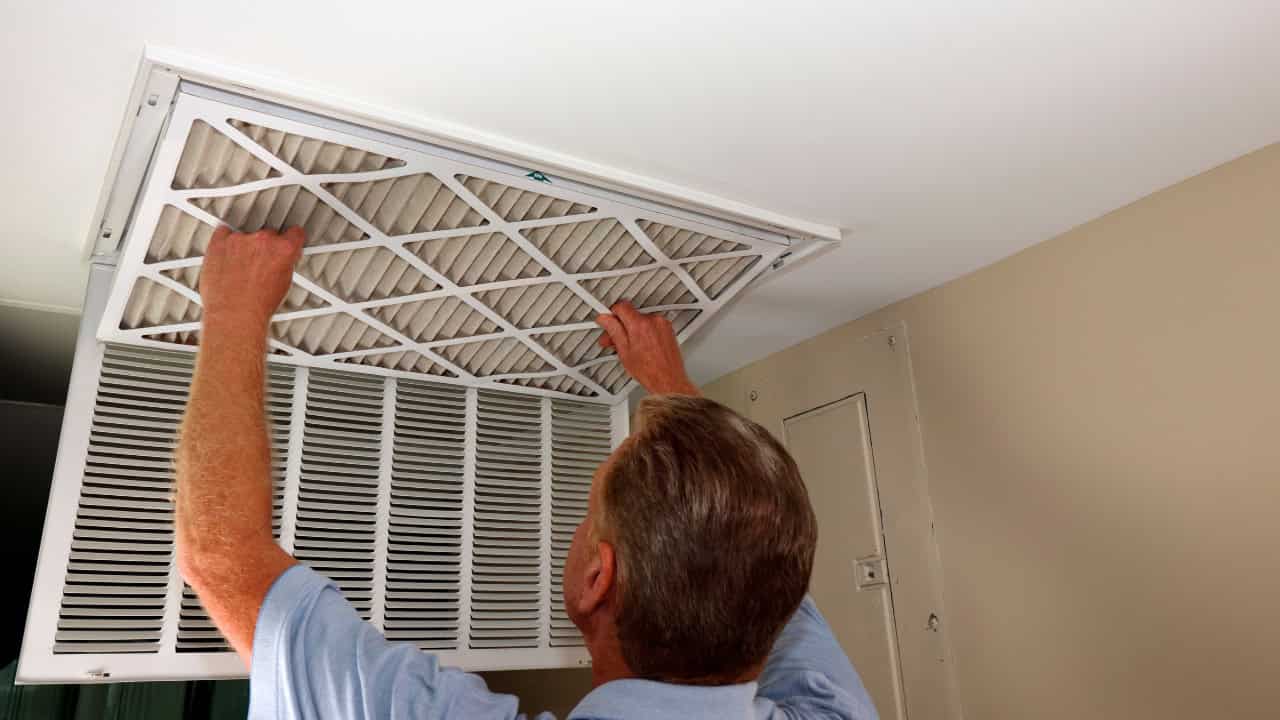
Ignoring your air filter is a surefire way to make your heating system work harder than it should. A dirty filter clogs up airflow, which means your system runs longer, your energy bill goes up, and your house still doesn’t heat properly. Plus, you’re just circulating dust and allergens instead of clean air.
Check your filter every month, especially if you have pets or live in a dusty area. Most need replacing every one to three months, but if it looks gross, swap it out.
Stop Messing With the Thermostat and Get a Better One
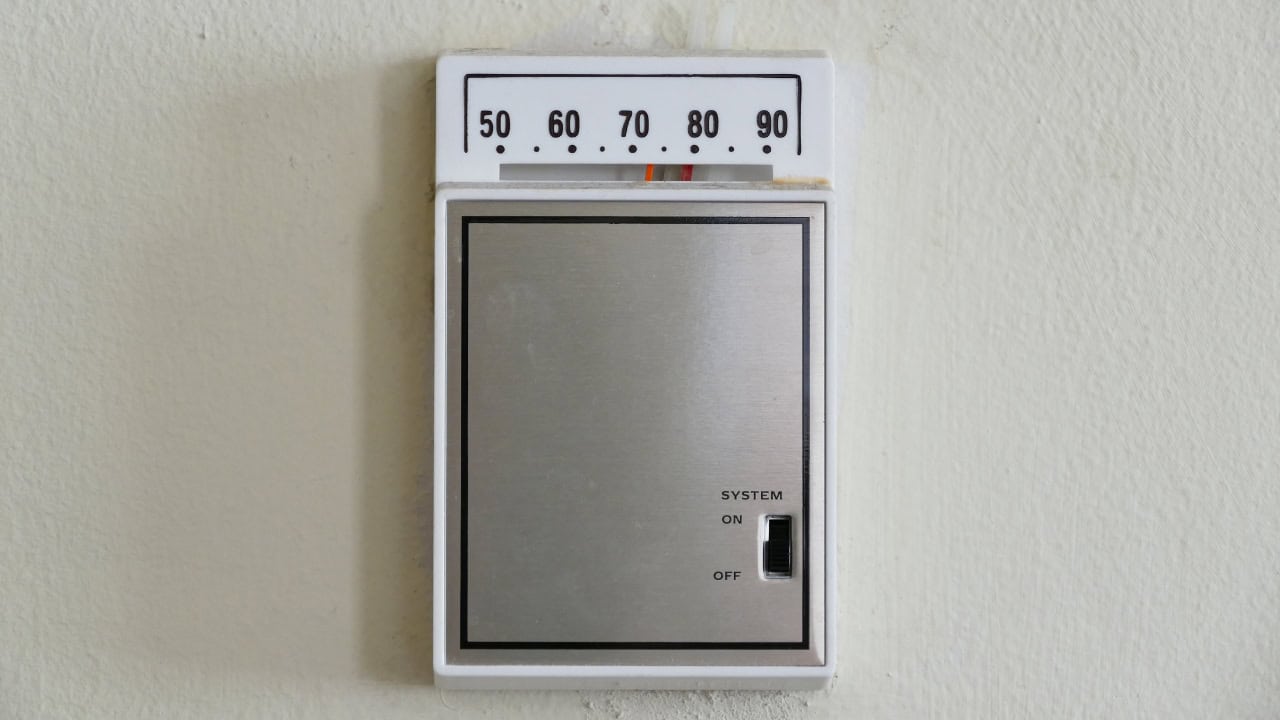
If you’re constantly adjusting the thermostat, it’s probably because your house never feels quite right. Old-school dial and basic digital thermostats don’t do much to help—they just heat the whole house whether you need it or not. That means wasted energy and a higher bill for no good reason.
A programmable thermostat takes the guesswork out of it. You set your schedule once, and it adjusts automatically, so you’re not heating an empty house or waking up freezing. Even better? A smart thermostat learns your habits and makes adjustments on its own, saving you even more.
Lower the Thermostat Instead of Heating the Neighborhood

If your heat is cranked up all day, you’re basically paying to heat empty rooms—or worse, letting that warmth escape through poorly insulated walls and windows. A higher setting doesn’t heat the house any faster; it just makes the system run longer, which means a bigger energy bill.
Try setting it between 68 and 72 degrees and leaving it alone. If you’re still cold, grab a sweater or a blanket instead of reaching for the dial. Want to feel extra cozy? A small space heater in your main living area can help without running up the cost of heating the whole house.
Make Sure Your Thermostat Isn’t in a Dumb Spot
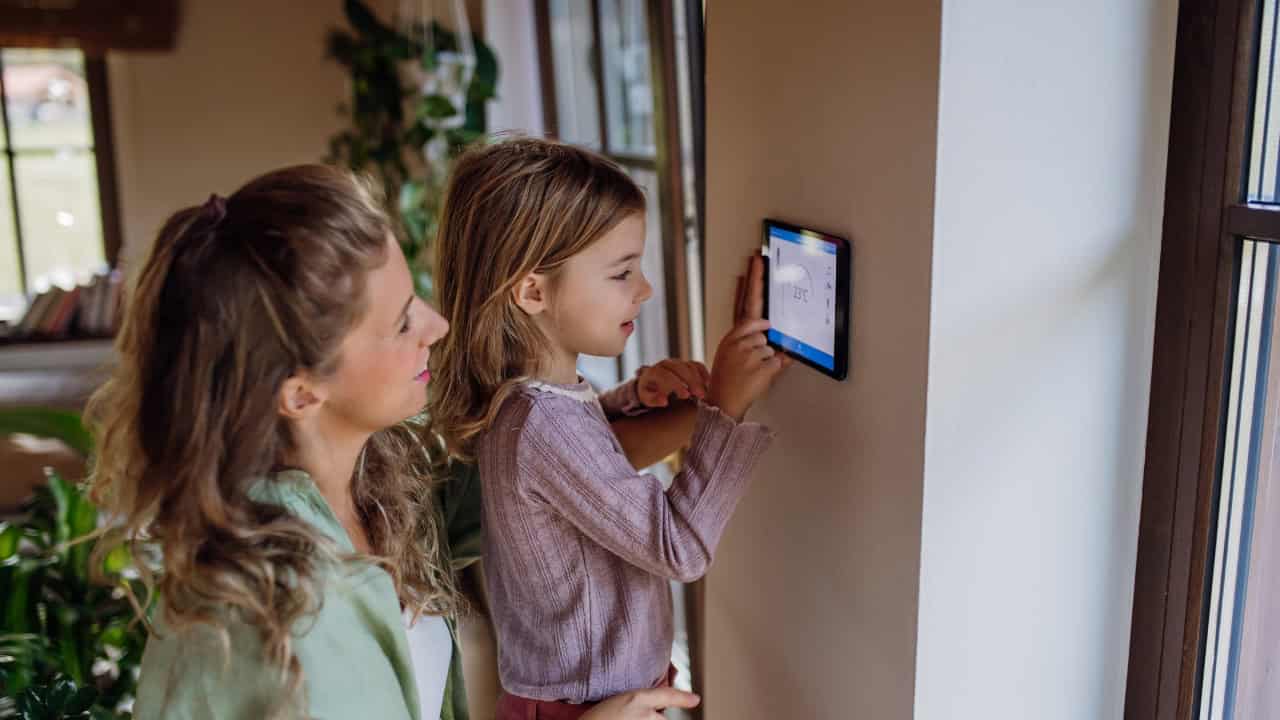
Your thermostat relies on its surroundings to judge the temperature in your home, so if it’s sitting next to a sunny window, a drafty door, or even a lamp that gives off heat, it’s getting the wrong idea. That leads to your system running more than it needs to, wasting energy and money.
The best place for a thermostat is on an interior wall, away from heat sources, windows, and vents. If yours is in a bad spot, you might need to move it—or at least keep curtains, space heaters, and open windows from messing with the readings.
Don’t Block or Close Your HVAC Vents
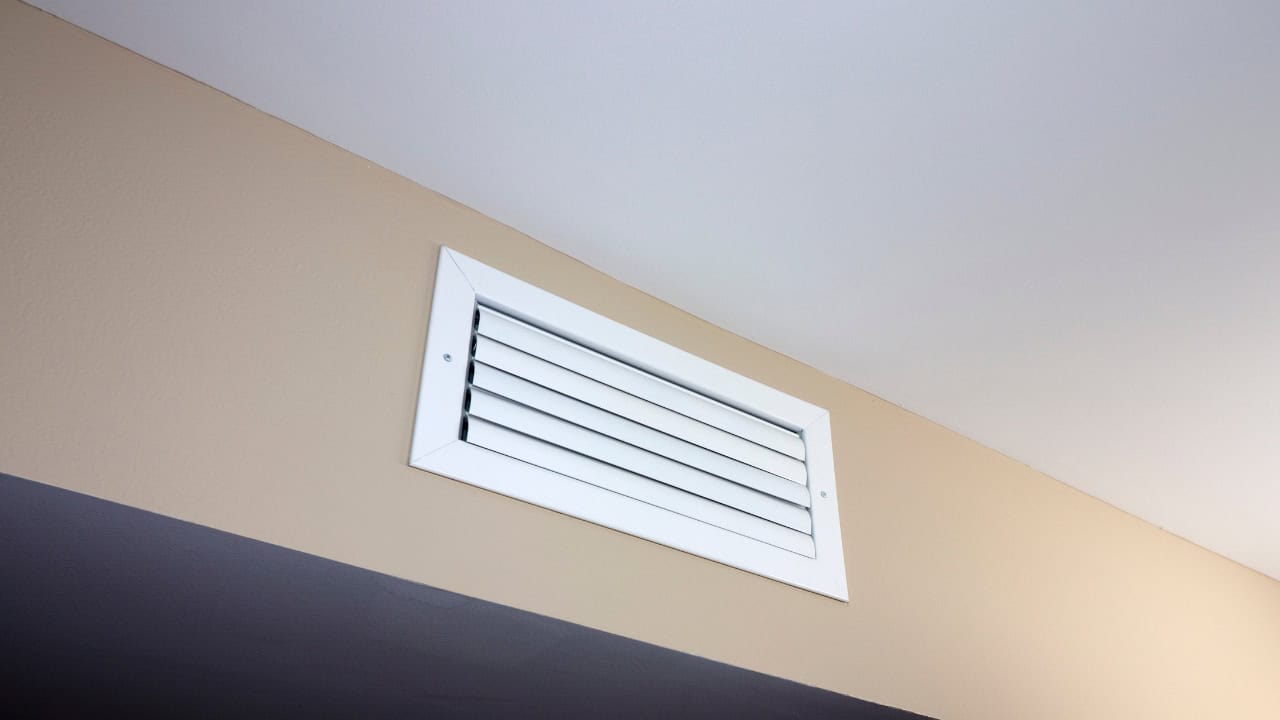
Closing off vents in empty rooms might seem like a smart way to save money, but it actually backfires. Your heating system is designed to distribute air evenly, so when vents are blocked, pressure builds up in the ductwork. That extra strain can lead to leaks, damage, and a shorter lifespan for your system.
Instead of closing vents, make sure they’re open and unobstructed. If certain rooms are getting too warm, adjusting the airflow with dampers or using a programmable thermostat to regulate temperatures more efficiently is a much better option.
Keep Vents Clear to Avoid Heating Problems
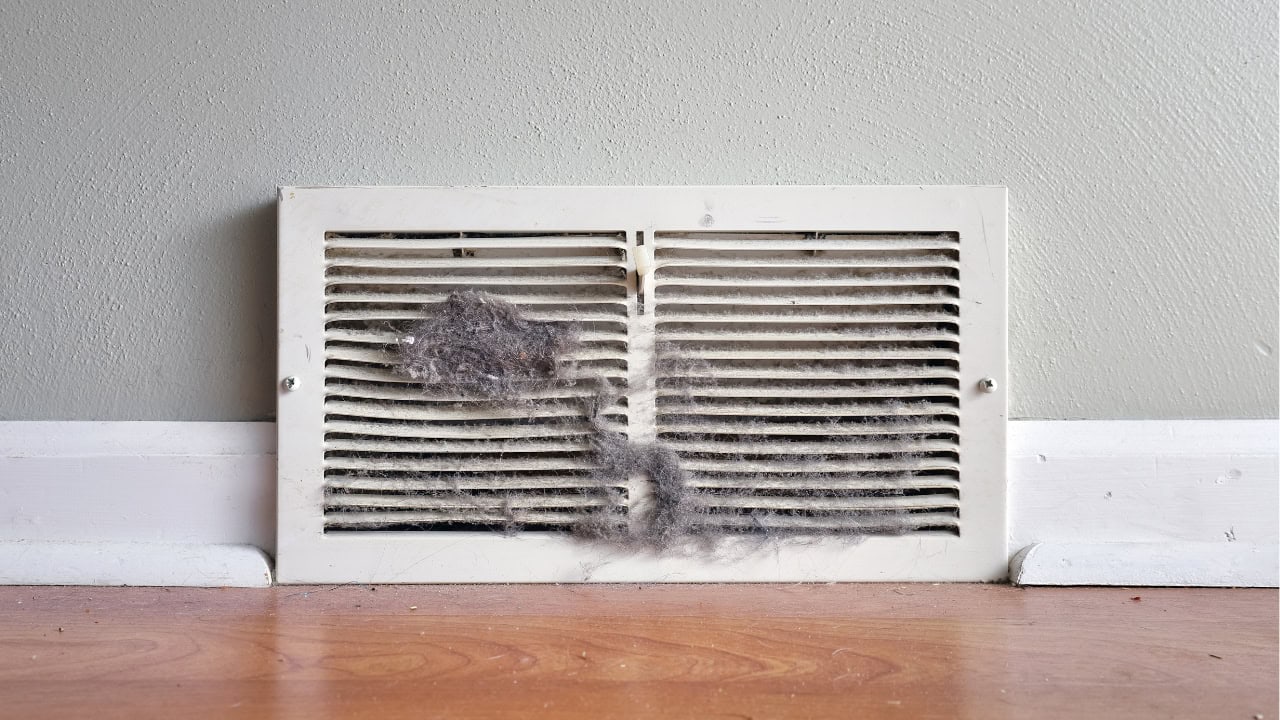
Covering up vents with furniture, rugs, or clutter can mess with your home’s heating. When vents are blocked, warm air can’t circulate properly, which means uneven temperatures, cold spots, and a heating system that has to work overtime. The extra strain can even lead to higher bills and more frequent repairs.
Take a walk around your house and make sure vents aren’t hidden behind furniture or covered by curtains. If you notice a room isn’t heating well, it might just need better airflow.
Lock Your Windows or Let Heat Slip Away
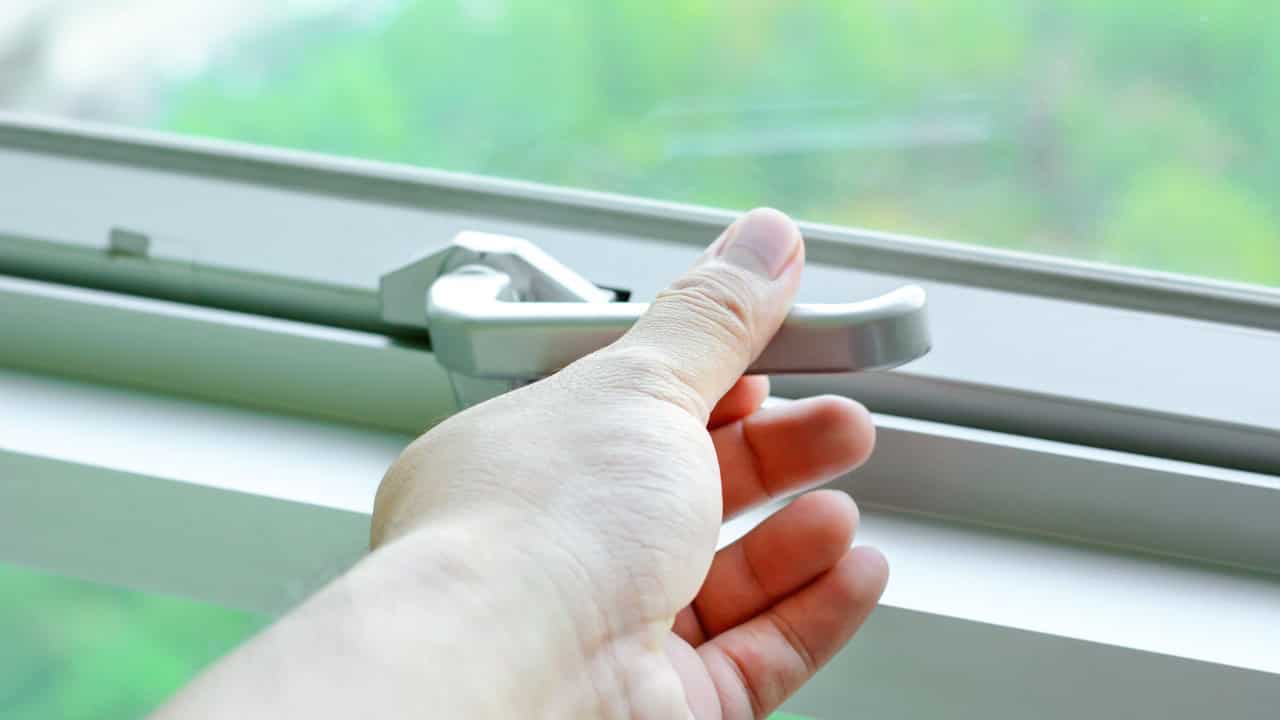
If your windows aren’t locked, you’re letting warm air leak out without realizing it. Even when they look closed, unlocked windows don’t always seal tightly, which lets cold air sneak in and forces your heating system to run longer. Over time, that means wasted energy and higher bills.
Go around your home and check every window—especially older ones. Locking them helps seal gaps, keeping the warm air inside where it belongs. If you still feel drafts, adding weatherstripping or window insulation film can help even more.
Space Heaters Cost More Than You Think
A space heater might se
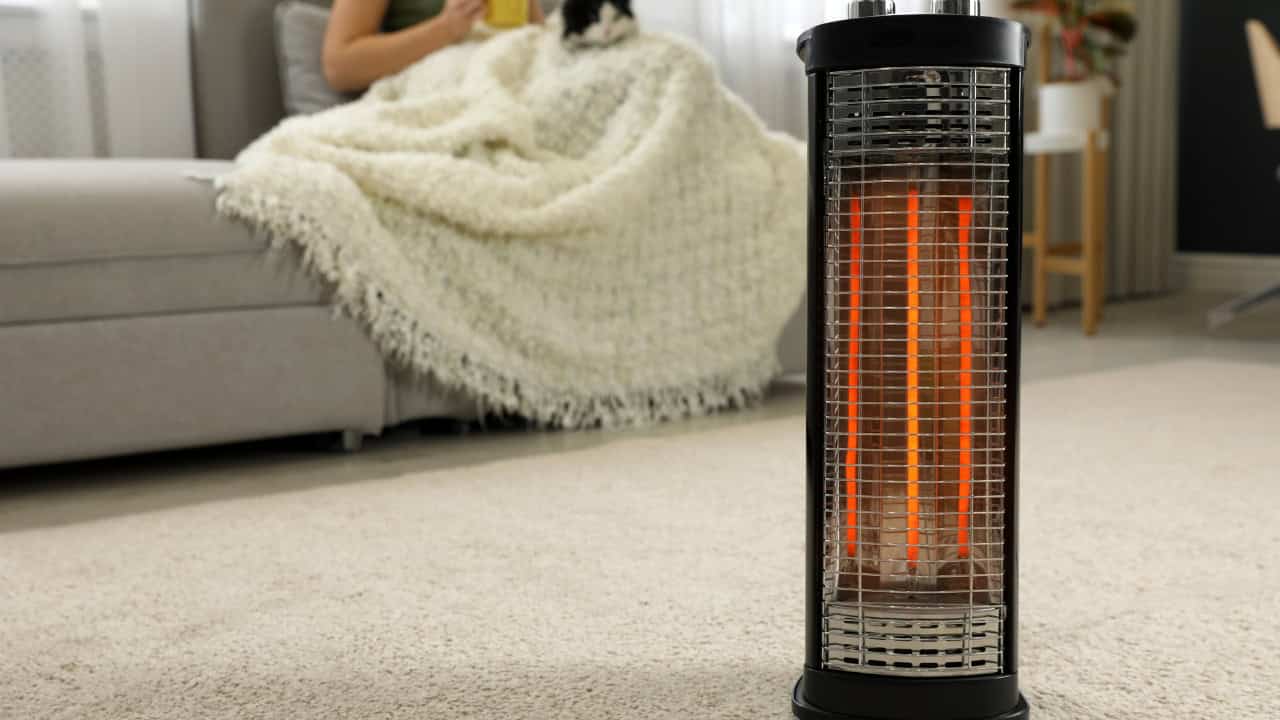
em like a quick fix when your house feels chilly, but using one all the time will run up your electric bill fast. They’re only meant to heat small spaces, so if you’re relying on them in multiple rooms, you’re paying way more than you would by just fixing the real issue—whether that’s drafts, poor insulation, or an old HVAC system.
They’re also a fire hazard if not used properly. If you need one, keep it in a single room, never leave it running overnight or unattended, and make sure it’s away from anything flammable. But if you’re constantly reaching for a space heater, it’s time to figure out why your home isn’t staying warm in the first place.
Fireplaces Don’t Heat Your Whole House
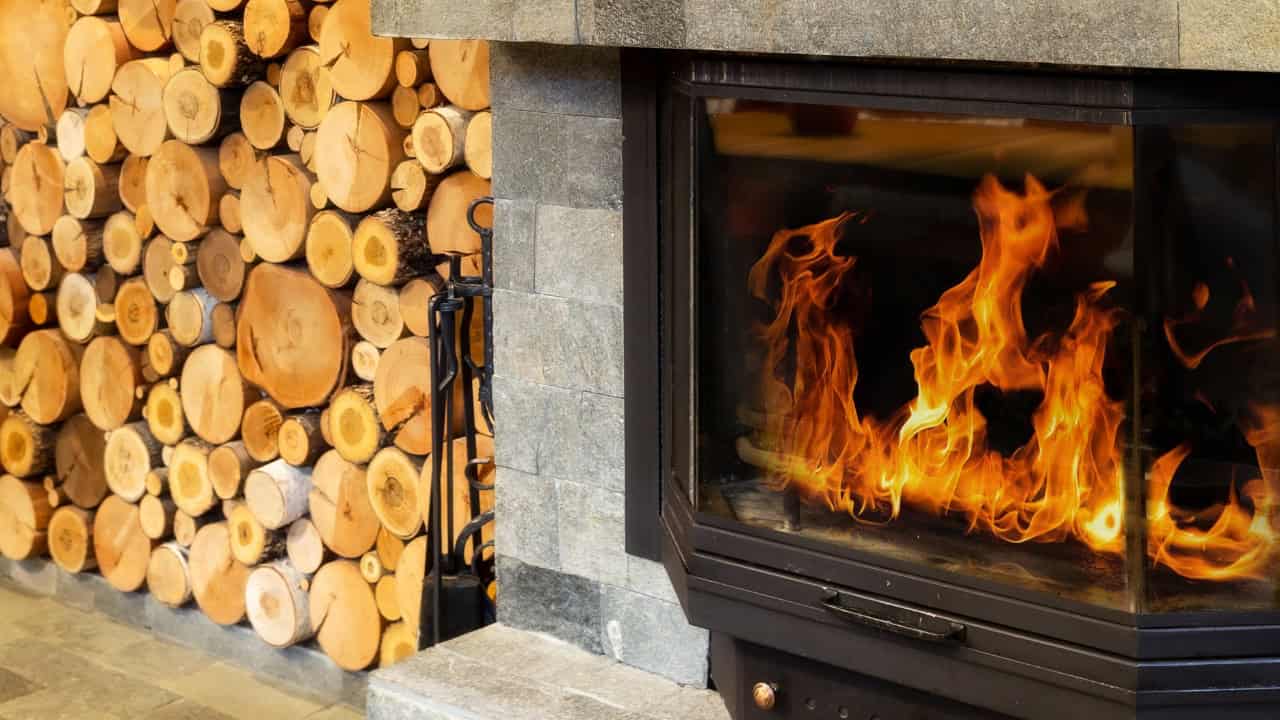
A fireplace is great for setting the mood, but if you’re relying on it to heat your home, you’re in for a cold surprise. Unless you’re sitting right in front of it, most of the heat stays in one spot. And once the fire dies down, all that warmth disappears—especially if the damper’s left open, letting your heated air go straight up the chimney.
If you love using your fireplace, be smart about it. Close the damper when it’s not in use to keep warm air from escaping, and consider a fireplace insert to help trap and distribute heat better. Otherwise, you’re just burning wood and watching your heating dollars float away.
Exhaust Fans Are Stealing Your Heat
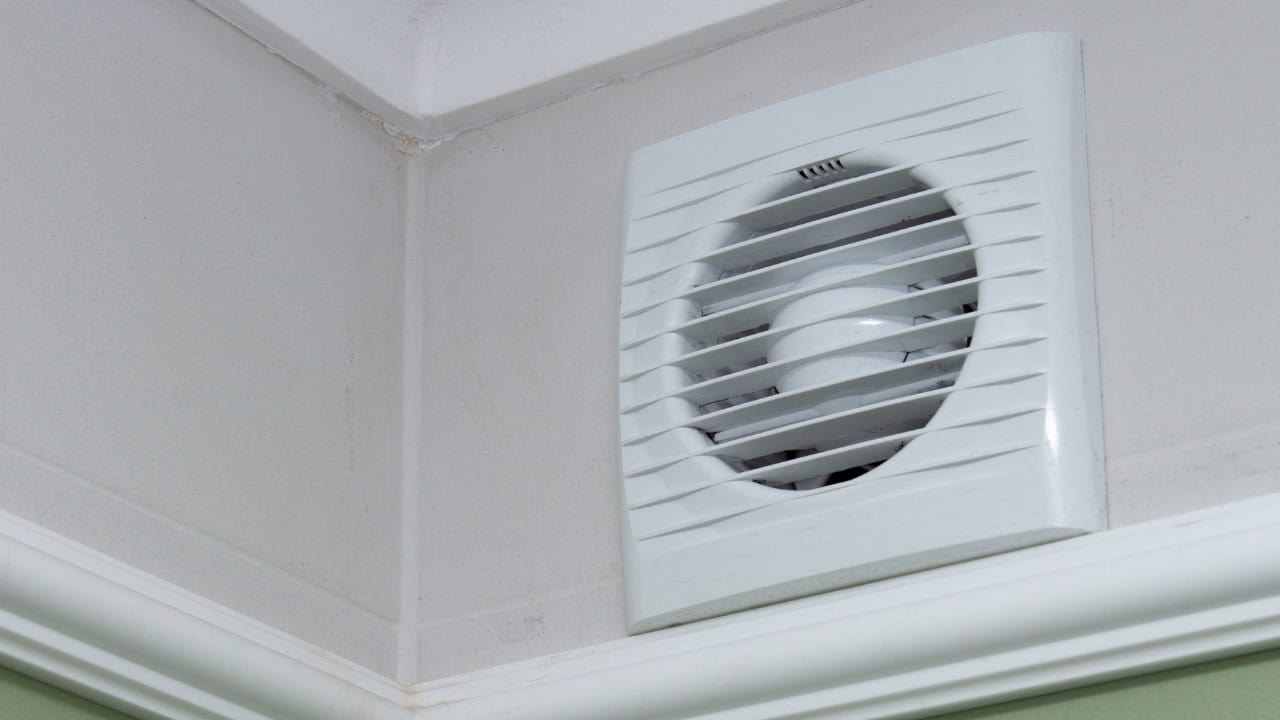
Kitchen and bathroom exhaust fans do their job a little too well sometimes—pulling warm air right out of your house along with the moisture and smells. If they run too long, they can make your heating system work overtime, and that means a higher bill for no good reason.
Use them only when necessary and turn them off as soon as they’re done. If you need one running for a while, set a timer so it doesn’t stay on for hours.
*This article was created with the assistance of AI.