When it comes to protecting your home, understanding your insurance policy is essential. Many homeowners may not realize that certain features in their home could lead to unwanted complications with their coverage. Being aware of what could void your insurance can save you from significant financial loss in the event of a claim.
From seemingly harmless additions to more common features that may come with hidden risks, it’s crucial to stay informed. You might be surprised to learn just how many everyday elements of your home could impact your policy. Recognizing these factors will help you make better decisions when it comes to maintaining your property and ensuring continued coverage.
Advertisement
1. Pools and trampolines increasing liability risks

Having a pool or trampoline in your backyard can be a lot of fun. However, these features also come with increased liability risks.
Pools can pose serious dangers, such as drowning or injury from slips and falls. Insurance companies may raise your premiums to cover these potential risks.
Trampolines are often viewed as high-risk items, leading to similar premium increases. In some cases, your insurer might even exclude liability related to trampoline injuries.
Before installing these features, it’s wise to check with your insurance provider about the implications. This way, you can make informed decisions for your home.
2. Leaving your home unoccupied for too long
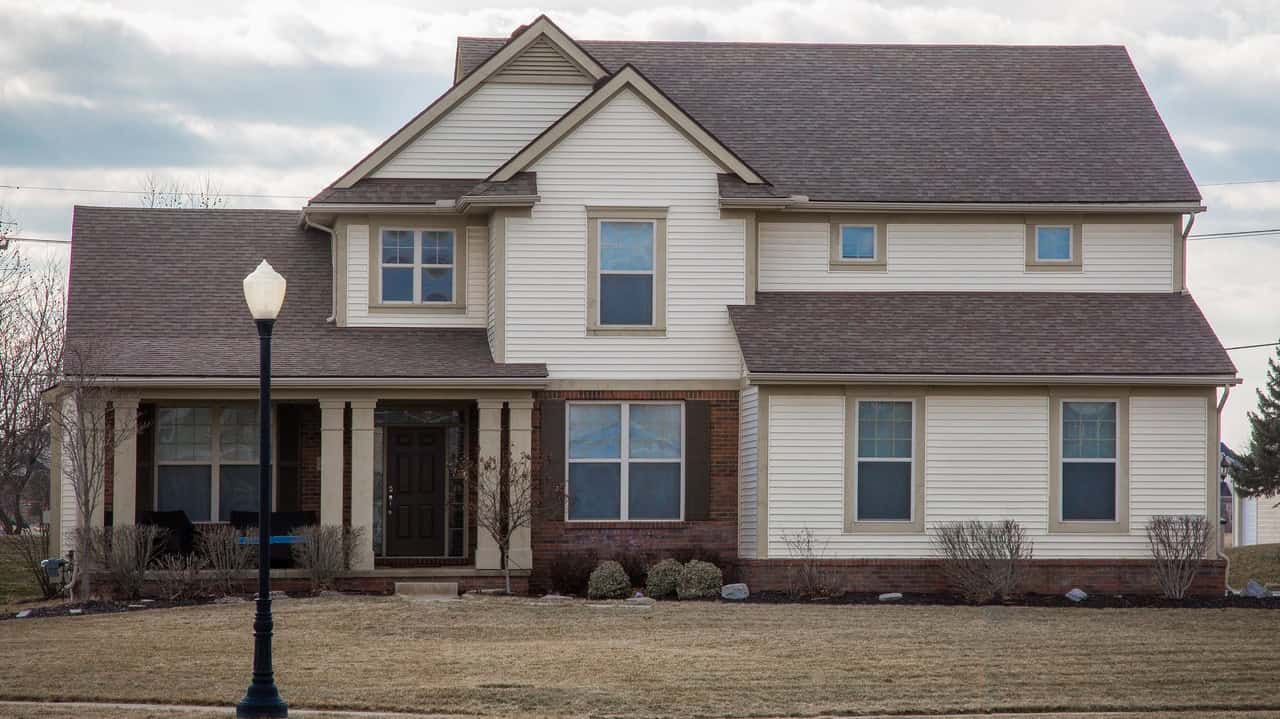
Leaving your home vacant for an extended period can lead to serious issues with your insurance coverage. Many policies specify a time limit for vacancy, typically around 30 days.
If you exceed this limit without notifying your insurer, your policy may not cover damages from events like vandalism or water leaks. Regular maintenance and security checks are vital during such times.
Consider informing your insurance company about your situation. It’s a simple way to ensure your home remains protected while you’re away.
3. Not reporting major home renovations
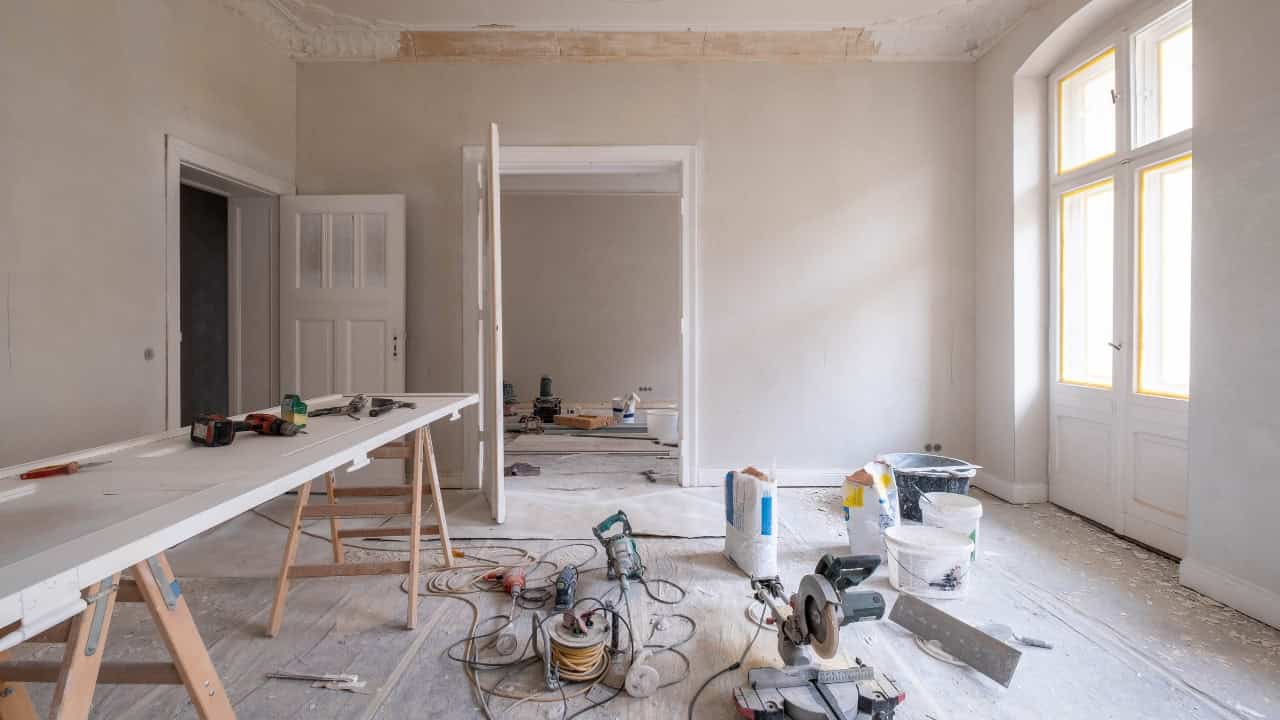
When you make major renovations to your home, it’s important to inform your insurance company. Failing to do so can lead to issues down the line.
Your policy may not cover new areas or features that increase your home’s value. If a claim arises, you could find yourself underinsured.
Upgrades like adding a new room or renovating a basement significantly change your home’s risk profile. Always keep your insurer updated to ensure your coverage is appropriate.
4. Adding a fireplace without notifying your insurer
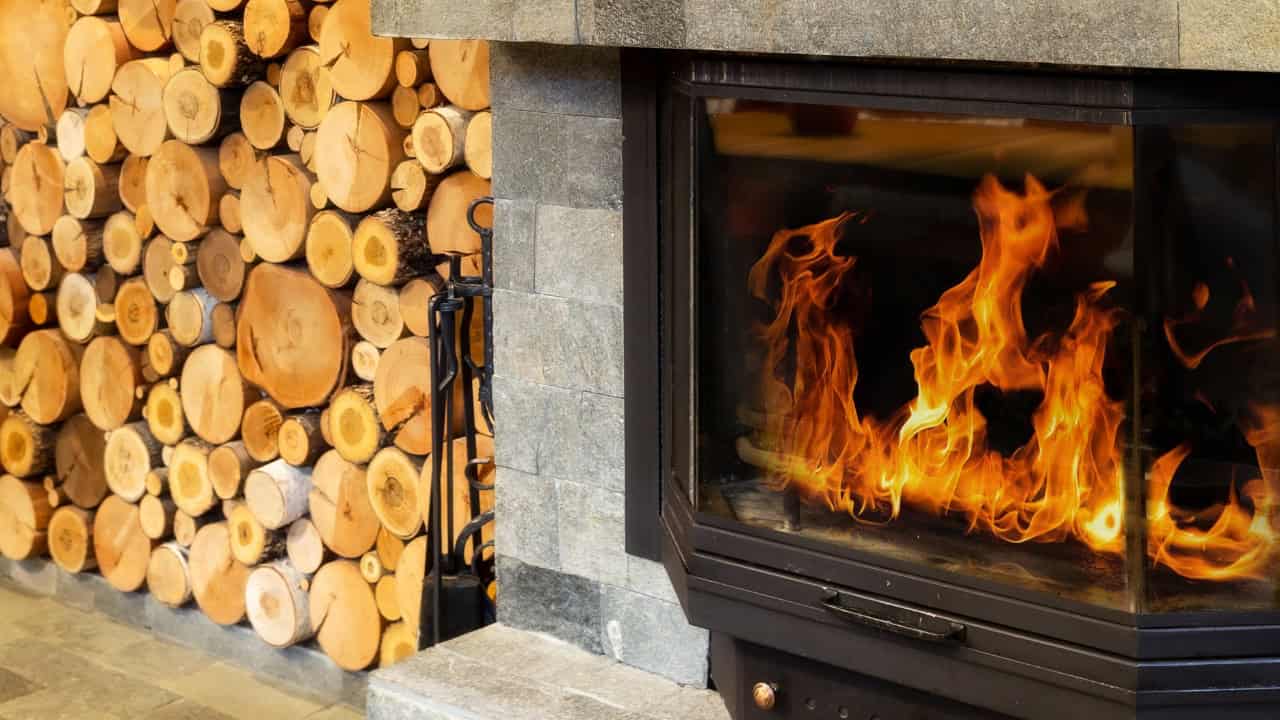
Adding a fireplace can enhance your home’s comfort and style. However, it’s crucial to notify your insurance provider about this change.
Many homeowners overlook this step, which can lead to significant issues. If an incident occurs related to the fireplace, your insurance may deny coverage for damages.
Different types of fireplaces also carry varying risks. For instance, wood-burning options may pose a higher fire hazard compared to gas models, impacting your insurance rates.
Always communicate any major alterations in your home to your insurer to avoid unexpected surprises.
5. Overvaluing personal assets

When you overvalue your personal assets, it can have unintended consequences for your home insurance. Insurers assess risk based on the value of what you own, and if your estimations are too high, you might face challenges when filing a claim.
If your assets are valued significantly above their actual worth, it can lead to higher premiums. Insurers may also question your claim if they believe you misrepresented the value of your items.
It’s essential to keep an accurate inventory and update your policy regularly. This ensures you’re covered for the right amount, without over-inflating values.
6. Neglecting regular home maintenance

Neglecting regular home maintenance can lead to serious issues for you and your property. Insurers expect you to take care of your home, as this helps maintain its value and prevents further damage.
Simple tasks, like fixing leaks or clearing gutters, are key. If you ignore these, you risk costly repairs down the line. Insufficient upkeep may even result in your insurance claims being denied.
Keeping your home in good shape not only protects your investment but ensures peace of mind. Regular maintenance can help you avoid headaches in the future.
7. Not installing smoke detectors or alarms
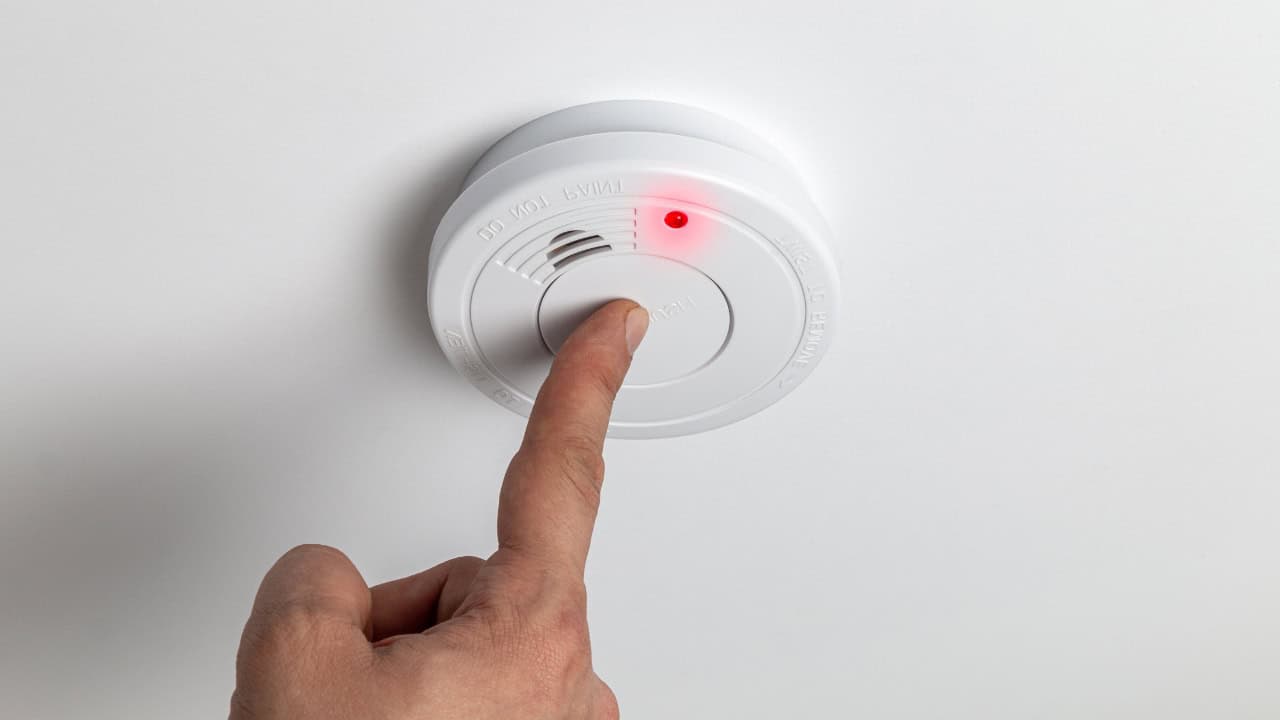
Neglecting to install smoke detectors or alarms in your home can significantly impact your insurance coverage. Insurance companies often require working smoke detectors in your property as a basic safety measure.
Without these devices, your risk of fire-related incidents increases. This elevated risk can lead to higher premiums or even denial of claims related to fire damage.
Installing smoke detectors in key areas—such as bedrooms and hallways—can help you stay safe and maintain your insurance coverage. Taking this small step can protect you and your property effectively.
8. Storing hazardous materials
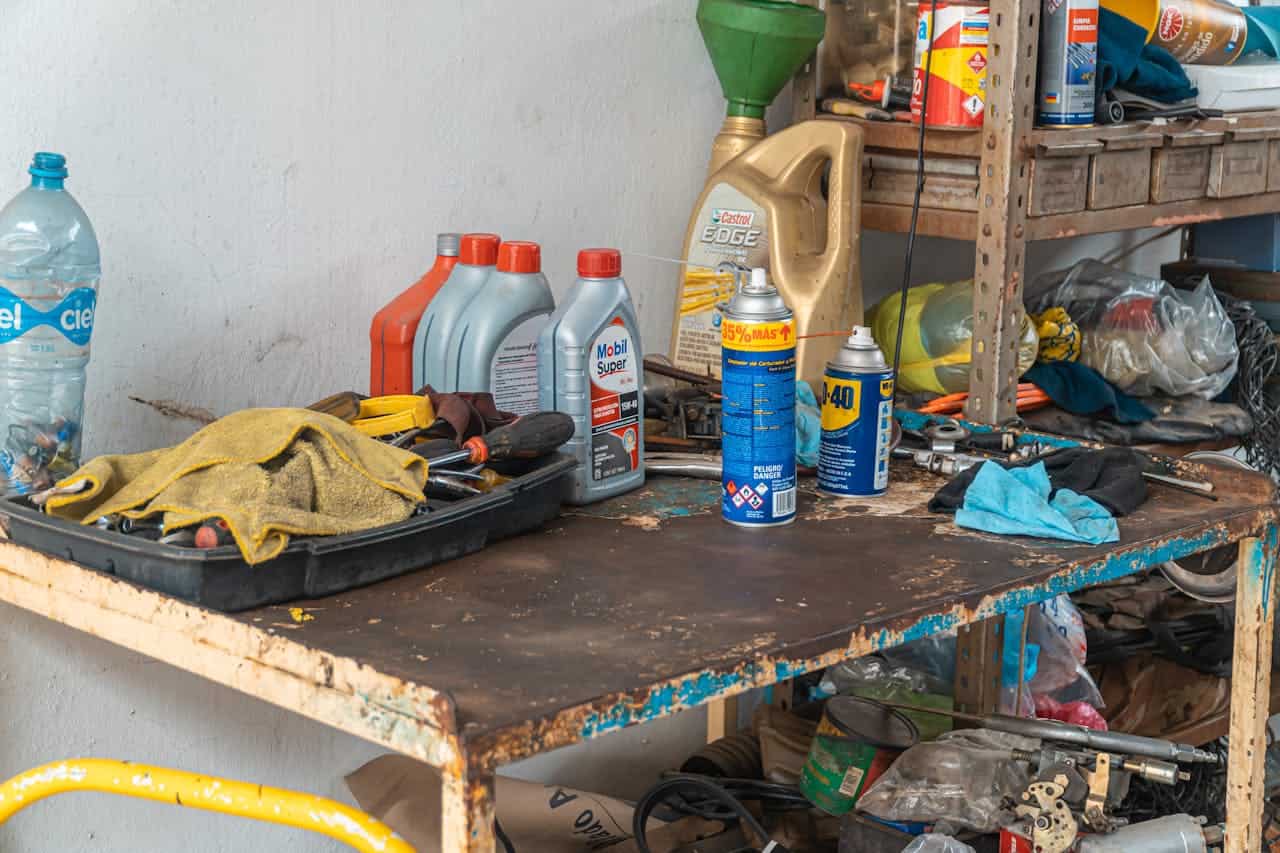
When storing hazardous materials at home, safety should be your top priority. Chemicals like oven cleaners and motor oil can pose risks if not handled properly. Always keep these substances in their original, labeled containers. Store them in cool, ventilated areas away from children and ignition sources.
Improper storage can lead to accidents and might also affect your home insurance coverage. Ensure you’re following safety guidelines to protect your home and family.
9. Operating a home-based business without coverage

Operating a home-based business can be exciting, but it’s essential to have the right insurance coverage. Many people assume their home insurance will protect their business activities, which is often not the case.
Home insurance typically excludes business-related losses. If something happens to your work equipment or inventory, you could face significant financial loss without proper coverage.
Consider getting a separate business insurance policy. This ensures you’re protected against risks specific to your home business. Don’t leave yourself vulnerable; check your policies and get the coverage you need.
10. Ignoring plumbing leaks
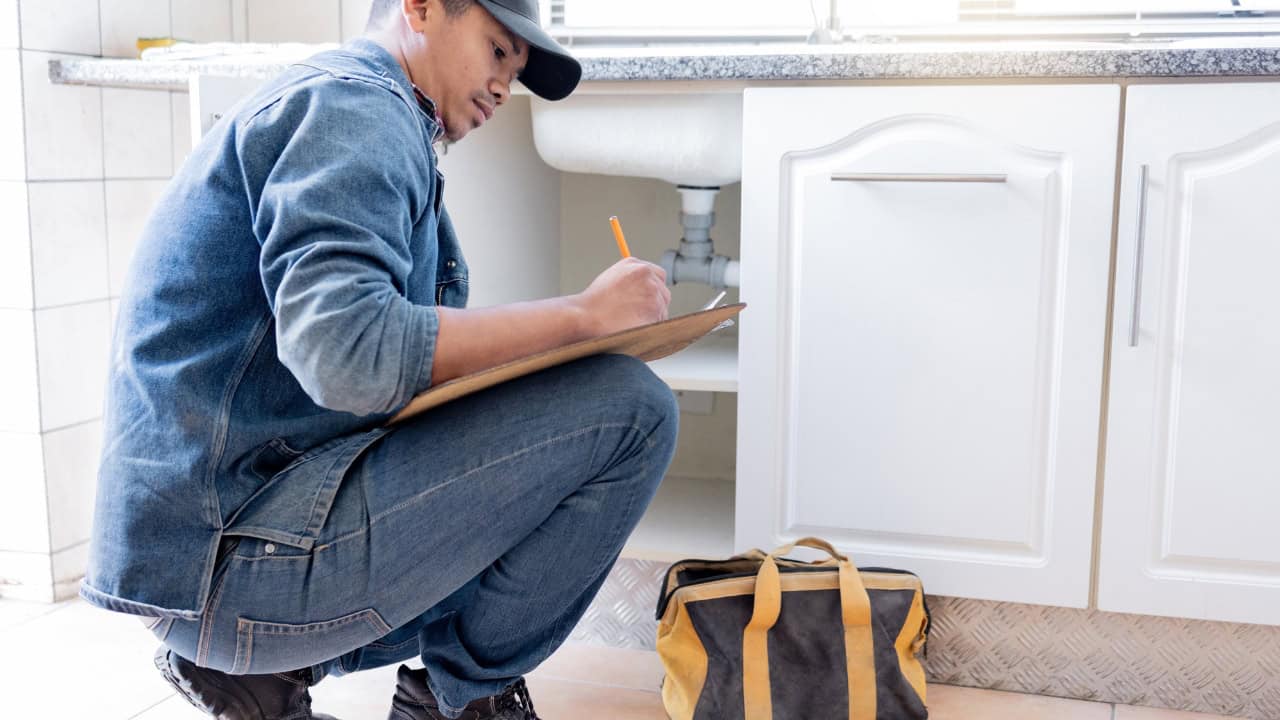
Ignoring plumbing leaks in your home can lead to significant problems. A small leak might seem harmless, but it can quickly escalate into serious damage.
Repairing leaks promptly protects your home and saves money on costly repairs later. Insurance companies may deny claims if they find that a leak was left unattended and caused further damage.
Stay alert for signs of leaks, like water stains or increased utility bills. Addressing issues early helps maintain your home’s integrity and ensures your insurance remains valid.
*This article was created with the help of AI.