Navigating the world of health foods can feel overwhelming, especially with so many beliefs floating around about their cost. You might find yourself wondering if healthy eating is truly as expensive as it seems. Understanding the truth behind these misconceptions can save you money and help you make better choices for your health.
Many people are quick to assume that nutritious foods are always priced higher than their less healthy counterparts. This assumption can lead to a misunderstanding of what healthy eating really involves. By exploring these common misconceptions, you can empower yourself to shop wisely and embrace a healthier lifestyle without breaking the bank.
Advertisement
Healthy food is always more expensive
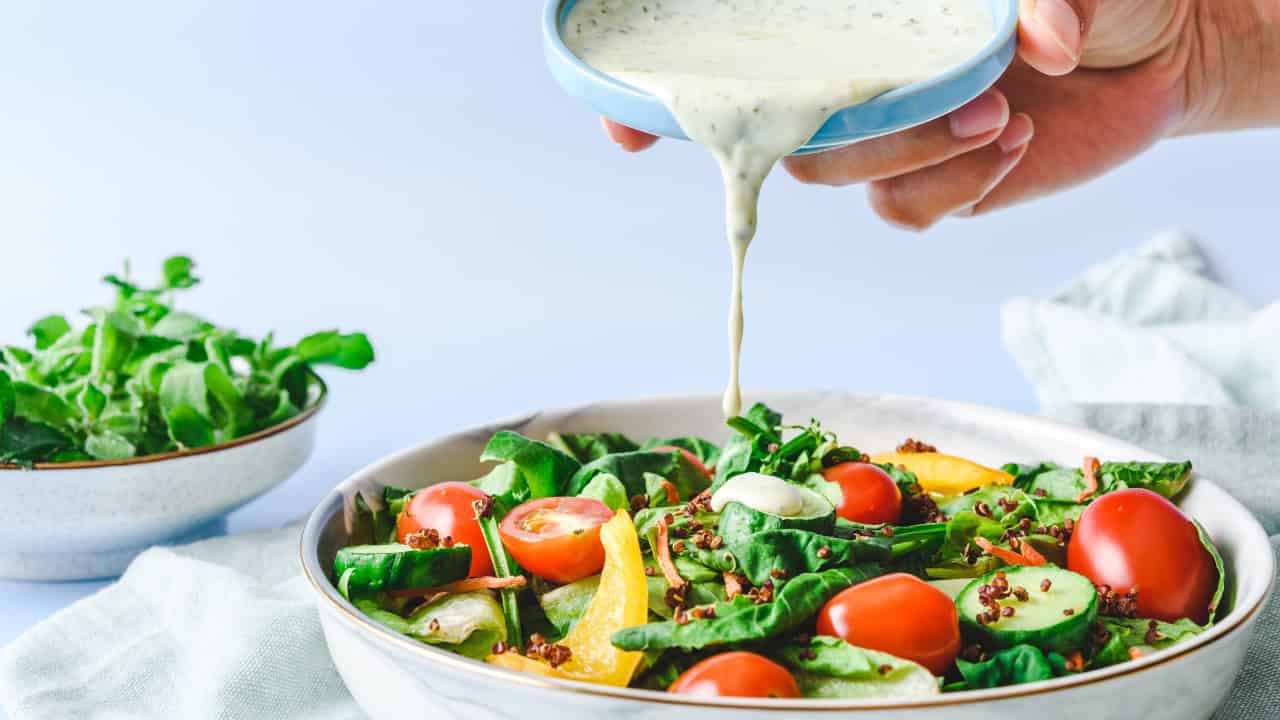
You might think that healthy food always comes with a high price tag. Many people associate fresh produce and organic items with being costly.
In reality, choosing healthier options can sometimes save you money. Studies show that unhealthy foods may cost around $1.50 less per day than healthy ones, but this can differ based on choices.
You can also find budget-friendly ways to eat well, like buying in bulk or choosing seasonal fruits and vegetables. Ultimately, with some planning, you can enjoy a healthy diet without breaking the bank.
Only whole foods are healthy
It’s a common belief that only whole foods are good for you. While they’re definitely nutritious, this doesn’t mean processed foods are off-limits.
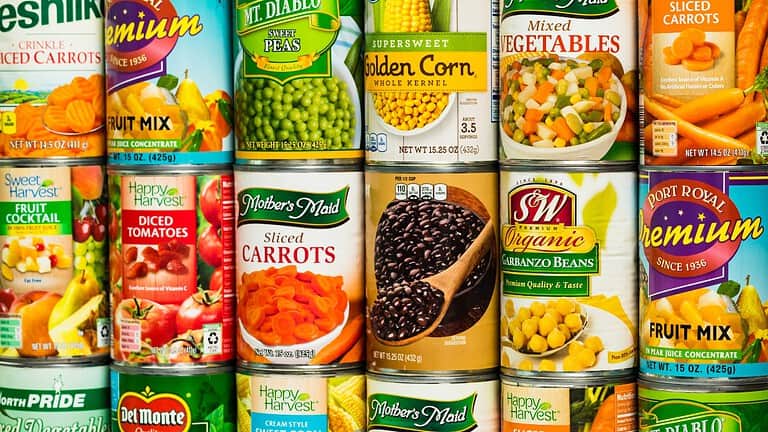
Some processed foods can be high in nutrients, like canned beans or frozen vegetables. These options can save you time and are often just as healthy as fresh ones.
What matters most is your overall diet. Balance is key, so incorporate a variety of foods to meet your nutritional needs.
Organic Means More Nutritious
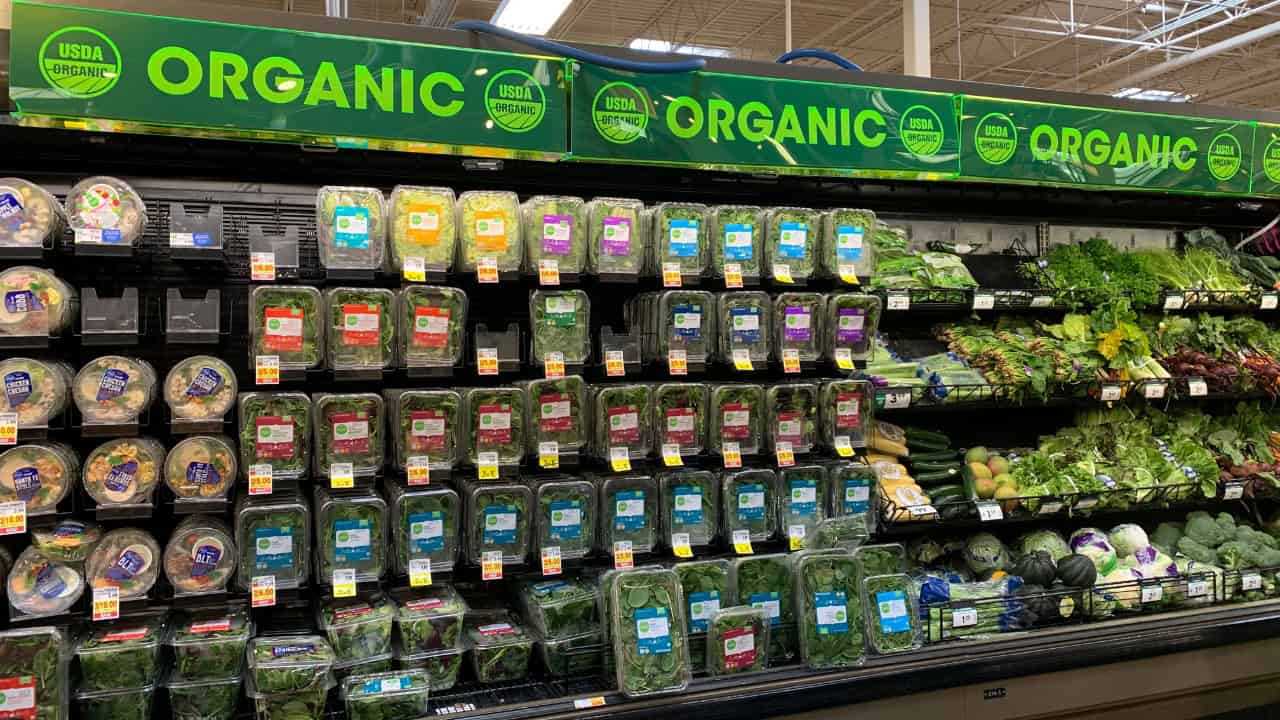
Many people think that organic foods are more nutritious than their non-organic counterparts. While they may have fewer pesticides, it’s not a guarantee that they pack more vitamins or minerals.
For example, when it comes to essential nutrients like protein, carbohydrates, and fats, organic and non-organic foods often show no significant differences. You might be paying more for organic just for the label, without any boost in nutrition.
So, it’s always a good idea to check the nutrition facts rather than assuming organic is automatically better for you.
Eating healthy is boring

You might think eating healthy means munching on bland salads every day. That’s just not true.
There are countless delicious options that are good for you. You can explore vibrant fruits, satisfying grains, and flavorful spices.
Trying new recipes can be exciting. Experiment with different cuisines to keep your meals interesting.
Healthy eating doesn’t have to be repetitive. Incorporate a variety of foods to make your plate colorful and enjoyable.
Gluten-free is healthier for everyone
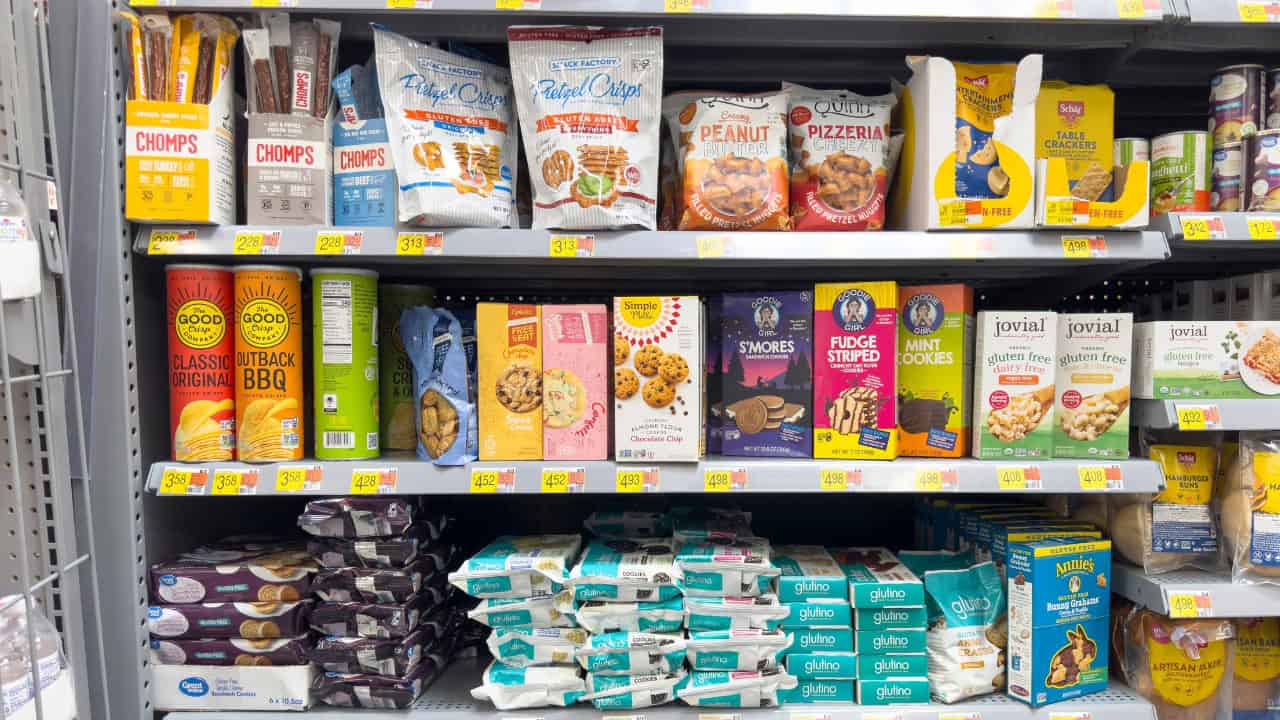
You might think that gluten-free is the way to go for health. Many people believe this because of all the buzz around gluten-free diets.
However, gluten-free foods aren’t necessarily healthier for everyone. Often, these products can have less fiber and more sugar and fat compared to their gluten-containing counterparts.
If you don’t have celiac disease or a gluten sensitivity, a gluten-free diet may not offer any extra benefits. It’s always best to check nutrition labels and choose whole foods over processed options.
Junk food is cheaper than home-cooked meals

You might think junk food is cheaper than cooking at home. Fast food and processed snacks do often have lower upfront costs.
However, when you break it down, cooking at home can be more economical. Fresh ingredients can provide multiple meals, while a single junk food purchase often fills you up only temporarily.
Additionally, home-cooked meals can be healthier and more satisfying, which may save you money on healthcare in the long run. Making meals from scratch can help you control your food budget better than relying on takeout.
Diet Food Needs to Be Bought Separately

You might think you need to buy special diet foods that cost more, but that’s not true. Healthy eating can come from your regular grocery store.
Fruits, vegetables, whole grains, and lean proteins are usually affordable. You can often find these items in bulk, which saves money.
Frozen fruits and veggies are just as nutritious and budget-friendly. Don’t let the idea of “diet food” lead you to overspend. Stick to simple, whole foods and watch your budget stay intact.
You need superfoods for health
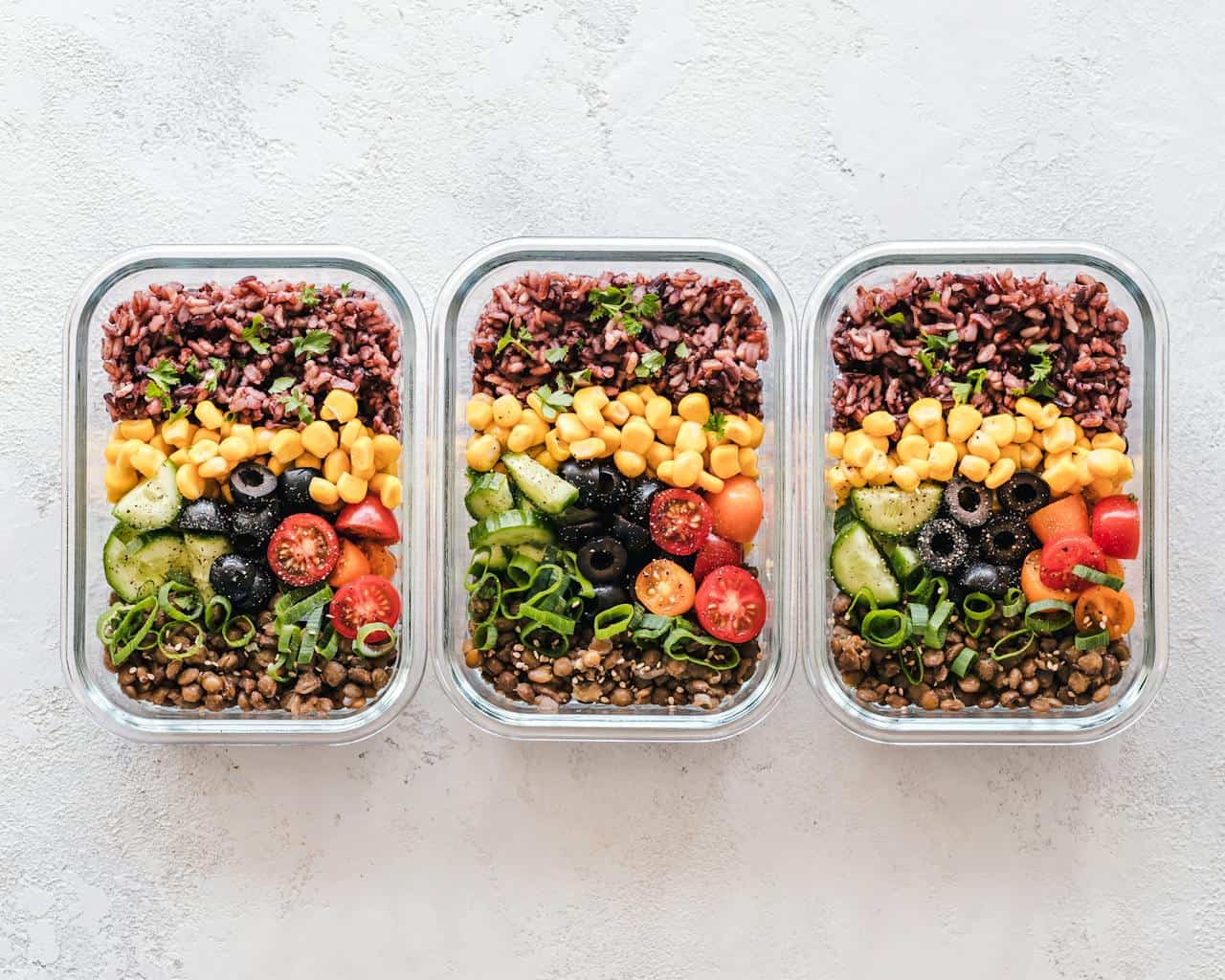
Many people think you must eat superfoods to be healthy. The truth is, a balanced diet with a variety of foods can provide all the nutrients you need.
Superfoods often get hyped as miracle workers, but they’re just nutrient-rich options. Foods like fruits, vegetables, whole grains, and proteins all contribute to good health.
You don’t have to break the bank on trendy foods. Simple, whole foods can support your health just as effectively. Focus on eating a mix of these foods to maintain a nutritious diet.
Healthy-eating requires special skills

Many people think you need to be a nutrition expert to eat healthy. The truth is, anyone can make smart food choices with a little practice. It’s not about complex recipes or fancy cooking techniques. Simple swaps, like choosing whole grains over refined ones, can make a big difference.
Reading labels can feel overwhelming, but with time, you’ll learn what to look for. Trust yourself and experiment with new foods. You just need to be curious and willing to try! Healthy eating is all about finding what works for you.
Store brands aren’t healthy

Many people believe store brands are unhealthy compared to national brands. This isn’t necessarily true. Store brands often have similar ingredients and nutritional values as their name-brand counterparts. They can also be cheaper because they avoid hefty advertising and marketing costs.
You might find that your favorite store brand products are just as nutritious as the more expensive options. Trying store brands can be a smart move for both your wallet and your health.
*This article was written with the help of AI.