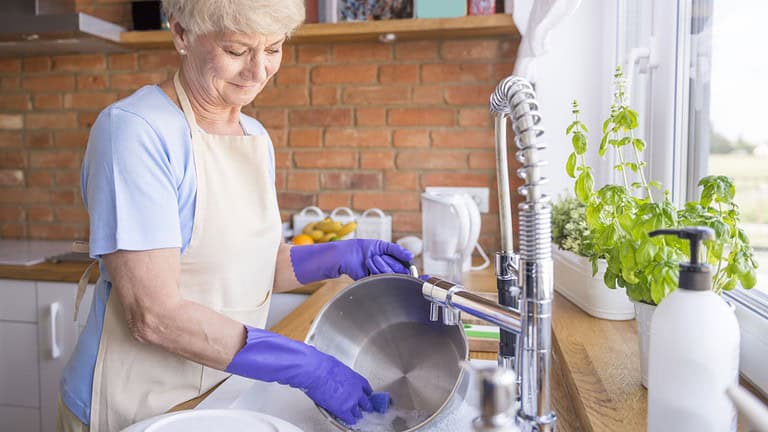
Your grandparents lived in a time when saving things was part of daily life. They found value in items and habits that many people today tend to overlook or discard quickly. This approach helped them get through tough times and make the most of what they had.
By learning from what your grandparents saved, you can reduce waste, save money, and build habits that benefit both your home and the environment. These simple yet effective practices are worth revisiting as you look for ways to be more resourceful and thoughtful in your own life.
Advertisement
Glass milk bottles
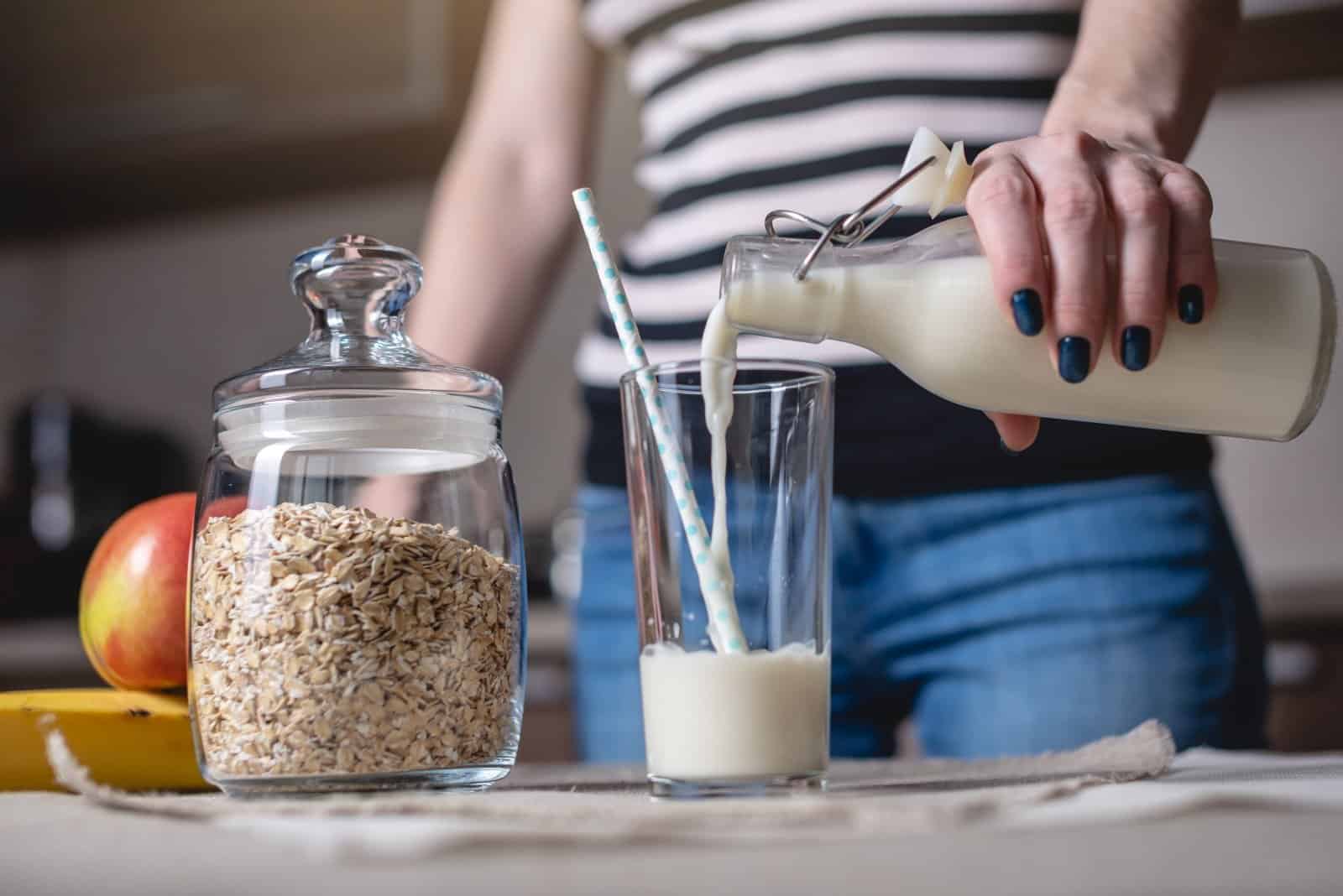
Your grandparents often kept glass milk bottles because they were sturdy and reusable. These bottles were made to last, unlike many modern containers.
You can reuse glass milk bottles for storage or DIY projects. They’re an eco-friendly alternative to plastic and reduce waste.
Saving and reusing these bottles helps you connect with a simpler, sustainable past. Plus, they add a touch of nostalgia to your home.
Old newspapers and catalogs
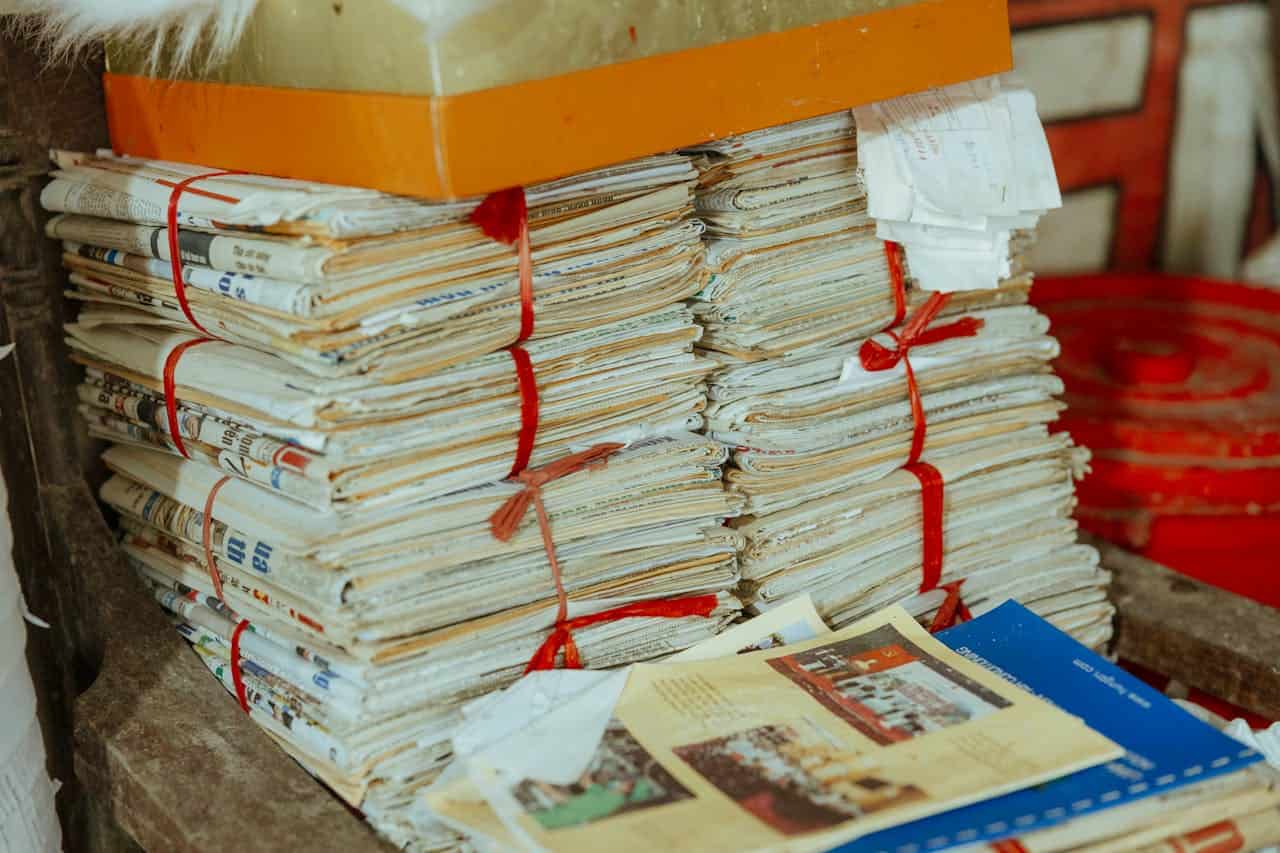
Your grandparents knew that old newspapers and catalogs had more uses than just reading. You can reuse newspapers for cleaning windows without harsh chemicals, which is both simple and effective.
Catalogs often hold nostalgic value and useful information about past trends and prices. Keeping them can be a fun way to connect with your family history and find inspiration for decorating or collecting.
Tin cookie tins
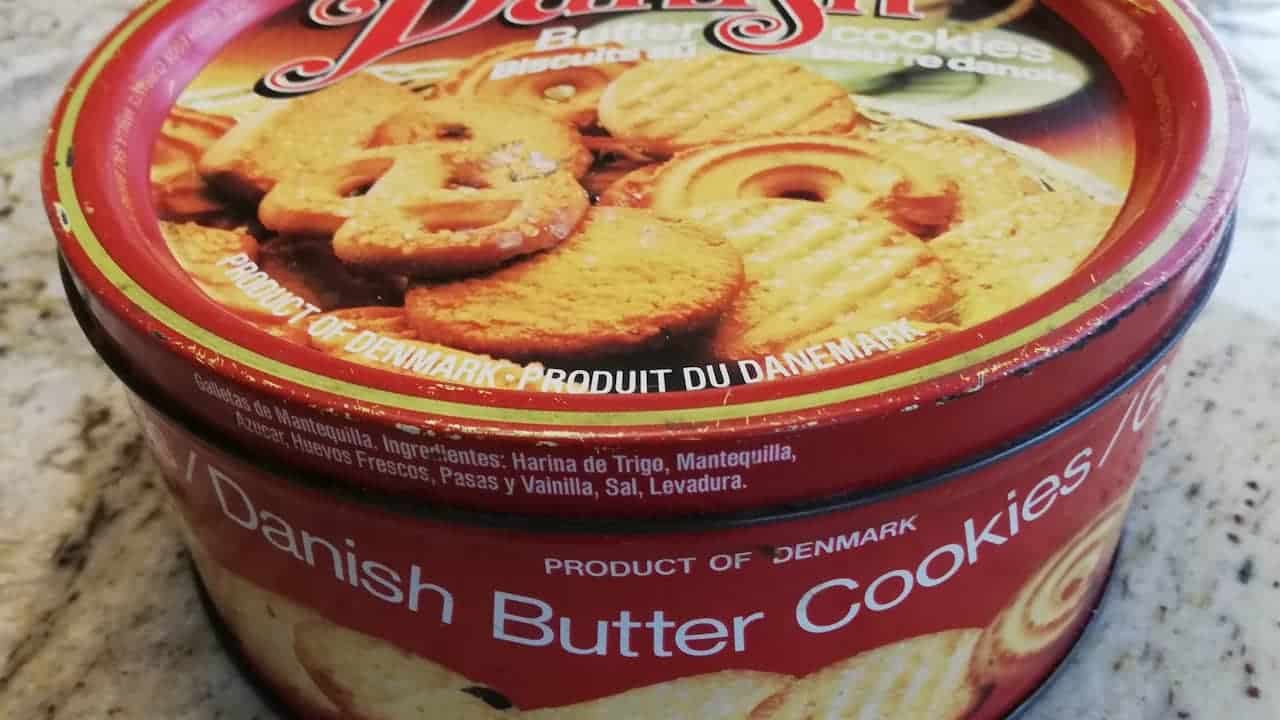
You can reuse tin cookie tins for storing small items like buttons, sewing supplies, or office essentials. They are sturdy and often come in cheerful designs that brighten up your space.
These tins also make great containers for leftover snacks or homemade treats. Keeping them is an easy way to reduce waste and add a bit of charm to your home organization.
Handkerchiefs
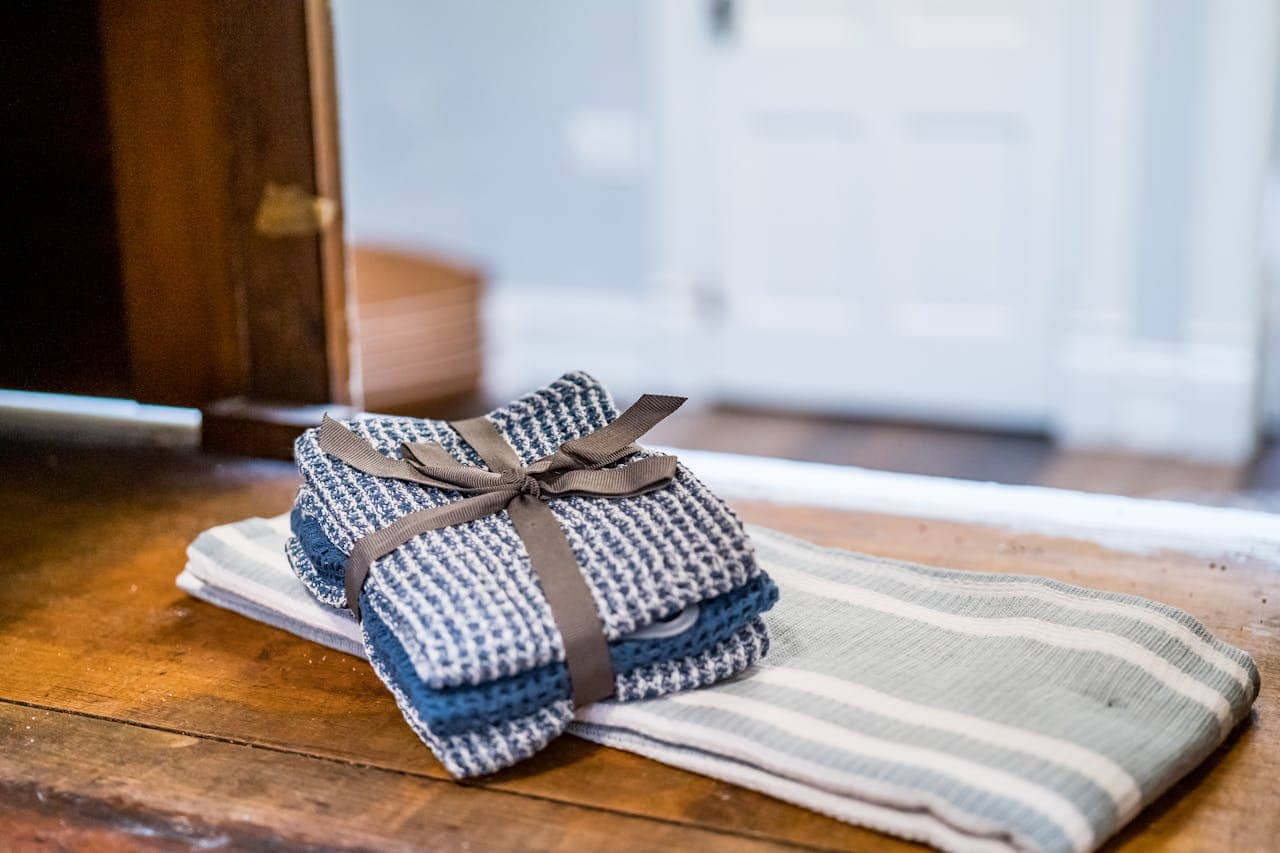
Your grandparents often carried handkerchiefs, a simple item that served many purposes. They were used for personal hygiene and handled sneezes or tears with discretion.
Keeping a clean handkerchief on hand helps you avoid wasting tissues and adds a touch of old-fashioned etiquette. It’s a small, reusable item that can be handy throughout your day.
Wire hangers
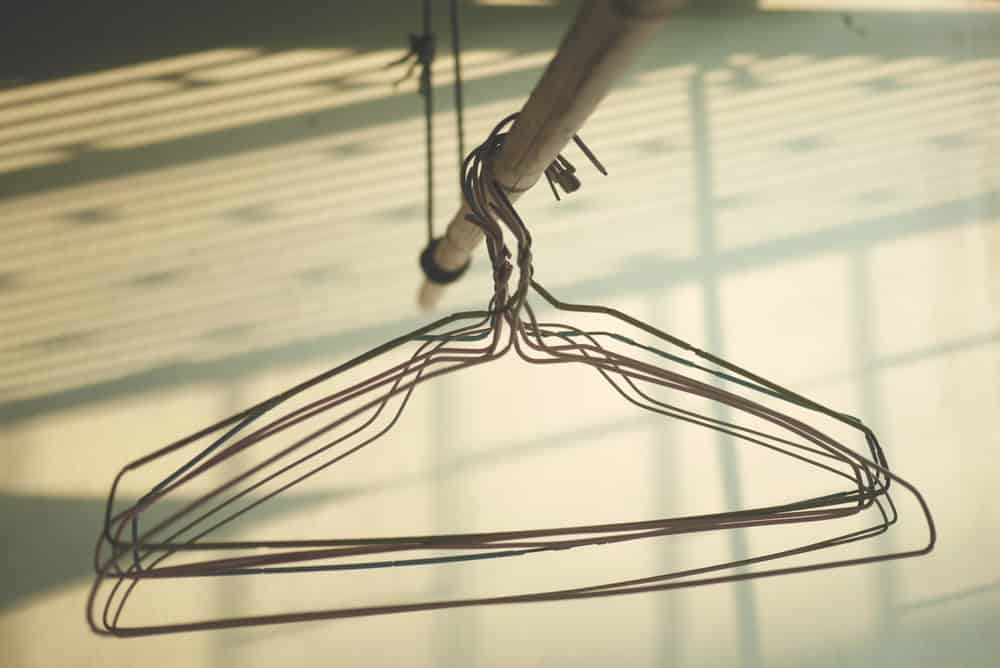
Wire hangers may seem simple, but your grandparents knew their value. You can repurpose them into useful tools like ribbon holders or shoe racks.
You can also bend them to create a small trash bag holder or even craft decorations like wreaths. Keeping a few wire hangers around gives you flexible options for organizing and DIY projects.
They’re lightweight and easy to reshape, making them a handy item to save rather than toss.
Buttons from clothing
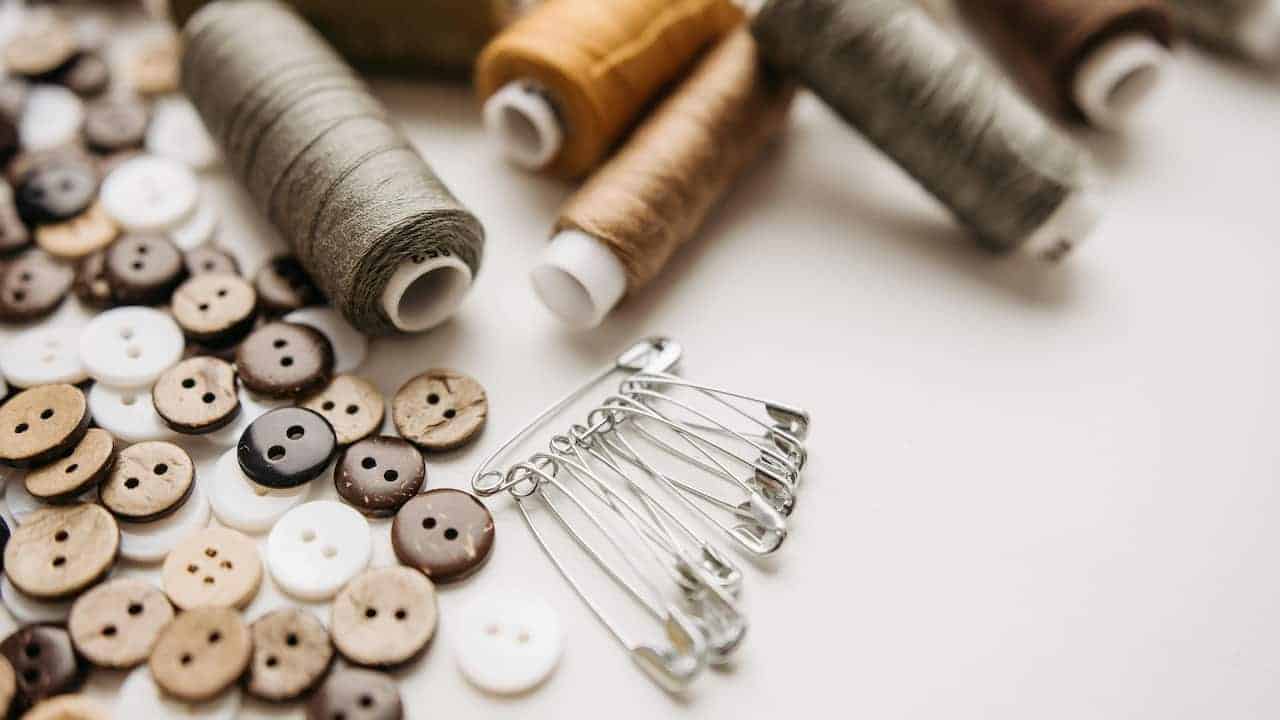
You might not think much about buttons, but your grandparents often saved them carefully. When buttons fell off or clothes wore out, they kept these small pieces to fix or refresh other garments.
Saving buttons also lets you add a unique, vintage touch to sewing projects. Keeping a button jar can be handy for quick repairs or creative crafts. It’s a simple way to make your clothes last longer.
Mason jars

You’ve probably seen mason jars in your grandparents’ kitchen. They were used for canning vegetables, storing leftovers, and even for crafts.
These jars aren’t just handy; some old ones can be surprisingly valuable. Mason jars help keep food fresh longer, which is why your grandparents saved them.
If you start saving a few, you can reuse them for storage, DIY projects, or homemade preserves. They’re simple but useful items worth holding onto.
Scrap fabric pieces
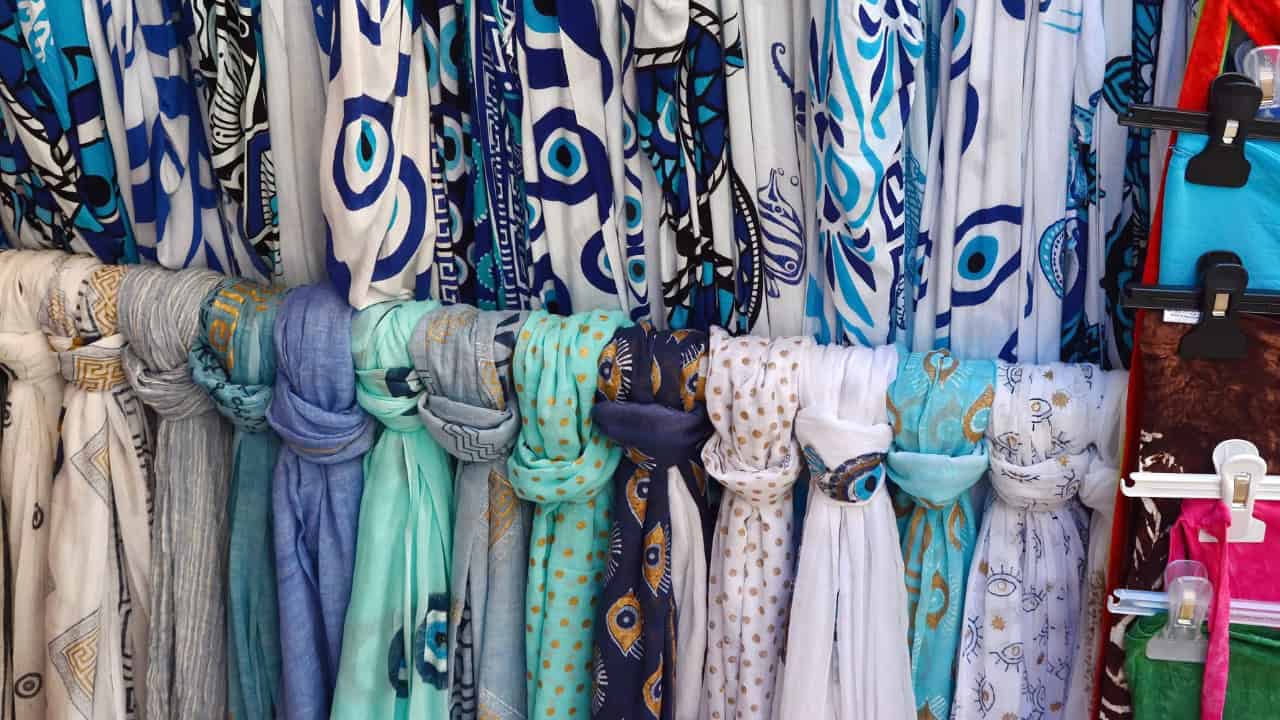
You might have small bits of fabric left over from old clothes or past projects. Your grandparents saved these scraps because they knew they could be useful.
You can easily turn these pieces into coasters, patchwork quilts, or even simple rags. It’s a practical way to reduce waste and add a personal touch to your home.
Keep your scraps organized. They’re great for quick repairs or creative projects when you need a little fabric on hand.
Used glass jars
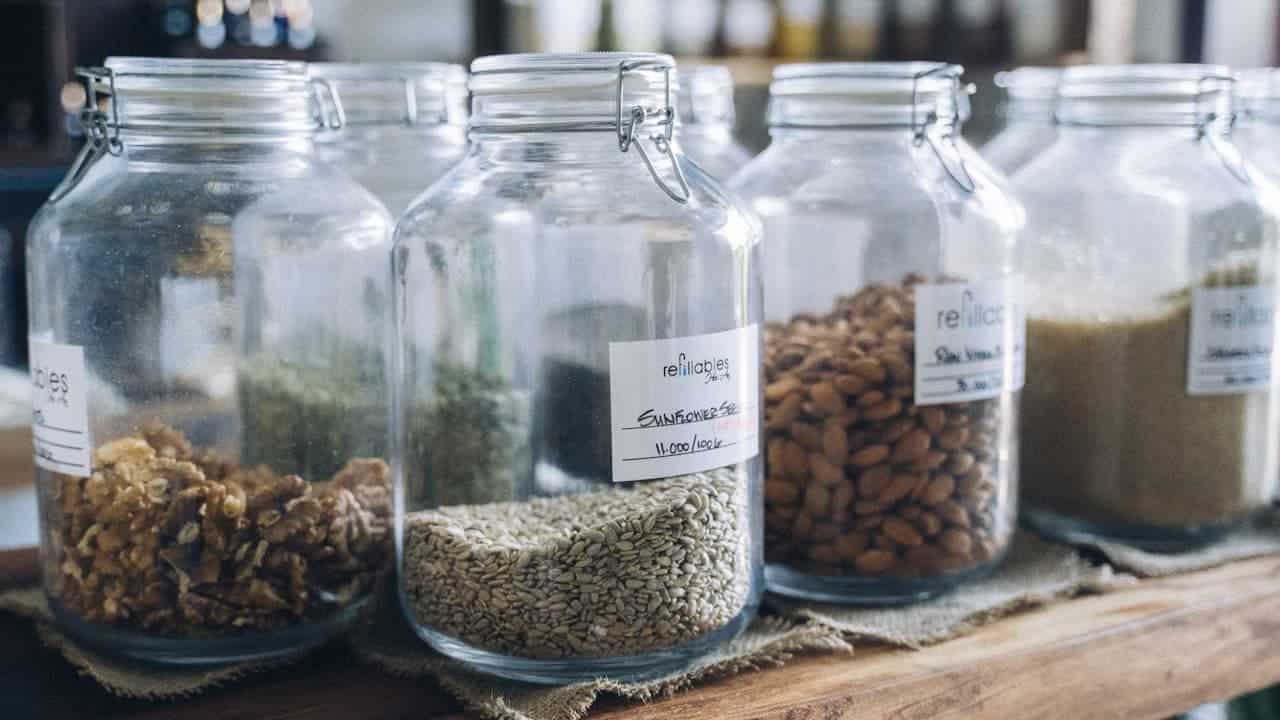
Used glass jars are sturdy and perfect for reusing in many ways around your home. You can clean them and use them to store leftovers or homemade sauces.
They help reduce waste and save you money by replacing plastic containers. Plus, reusing jars keeps your pantry organized and clutter-free.
Try turning them into small planters or craft containers. With a little creativity, these jars can have many new purposes.
Broken tools for parts
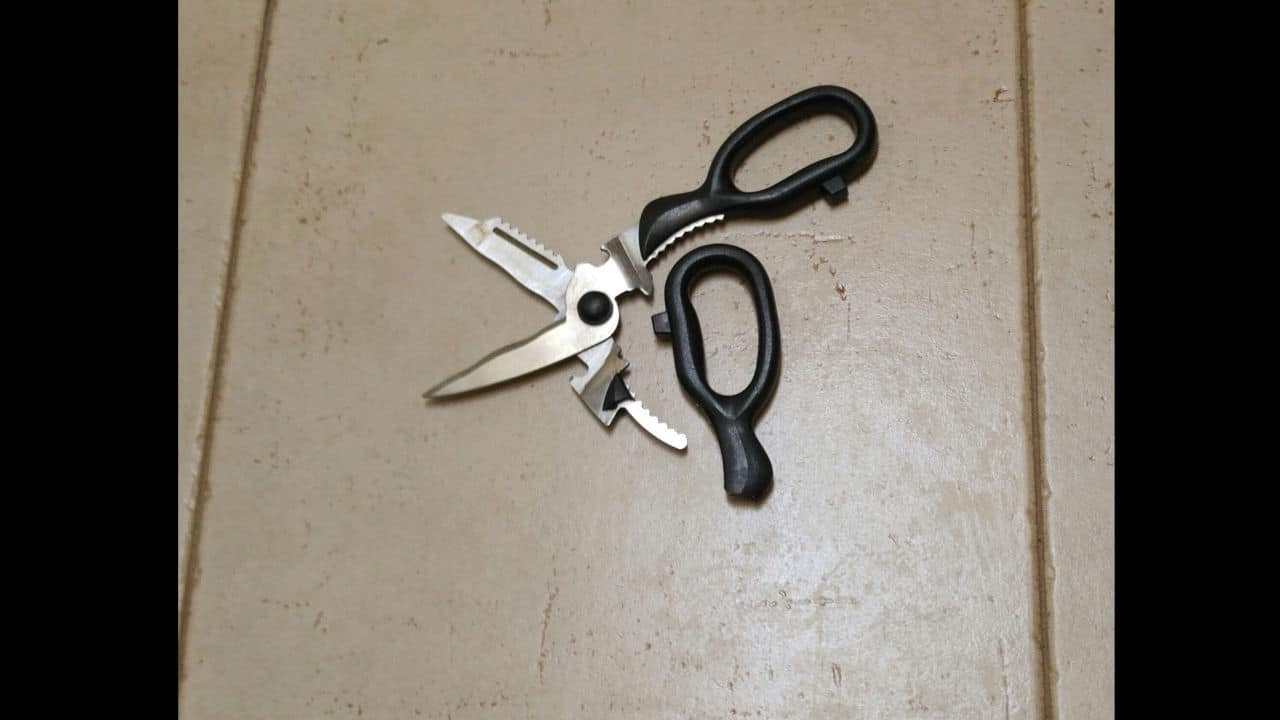
When a tool breaks, don’t be quick to toss it out. Your grandparents often saved broken tools to pull parts from. These parts can fix other tools or household items.
Keeping pieces like screws, handles, or blades can save you money and time later. It’s a simple way to extend the life of things you already own.
Rubber bands
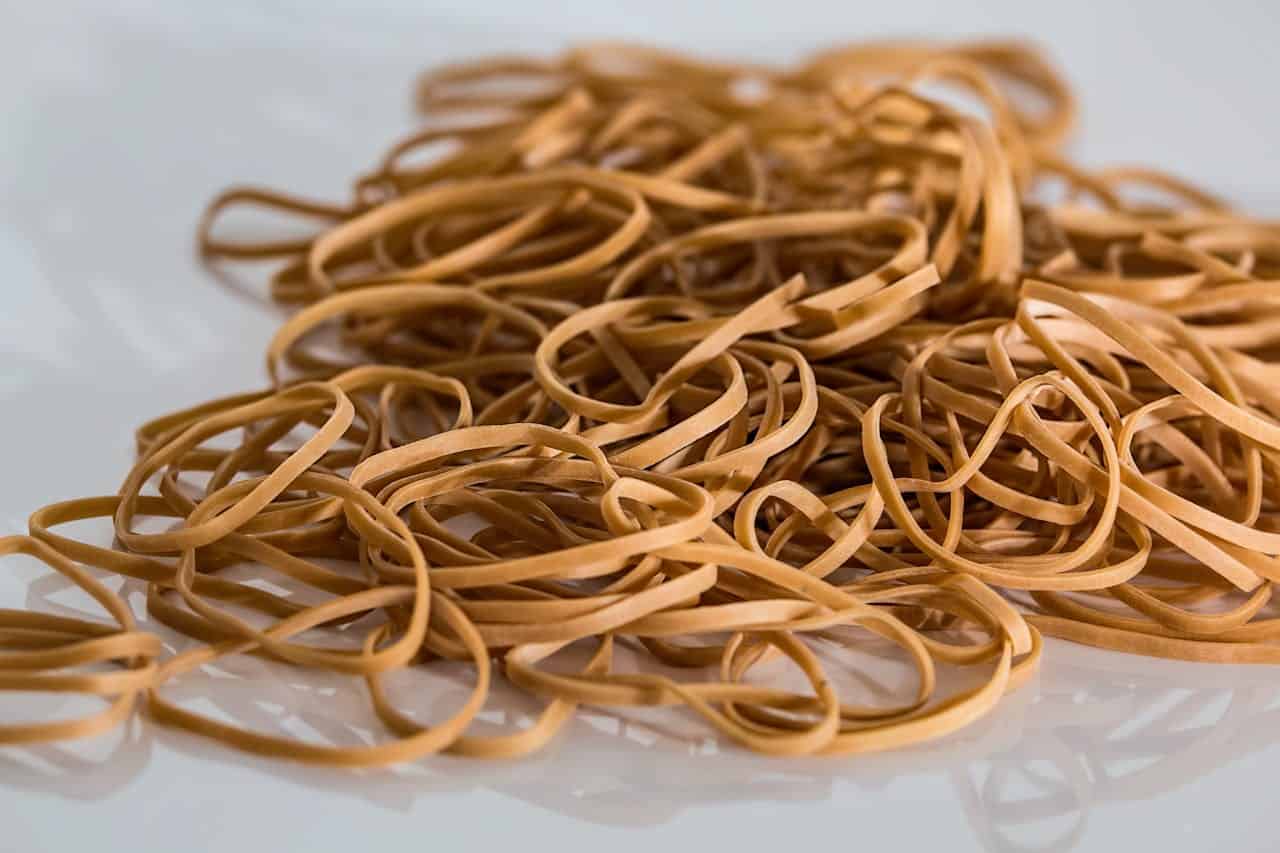
You might overlook rubber bands, but your grandparents saw their value in everyday life. They used them to keep things organized, like bundling papers or securing bags.
You can reuse rubber bands in many simple ways around your home. They help hold books, keep pencils together, or seal food bags to keep contents fresh. Saving rubber bands is an easy habit that helps reduce waste and keeps your space tidy.
Cardboard boxes
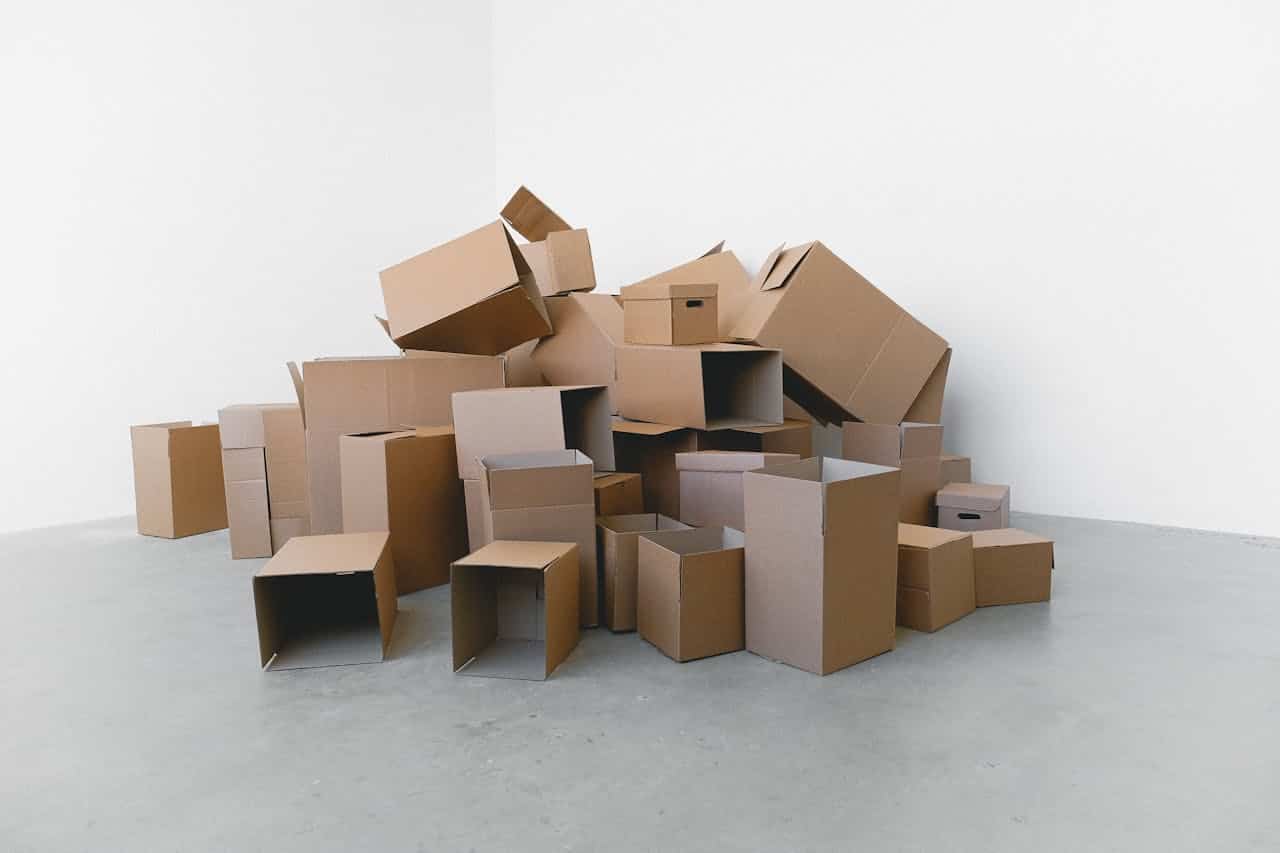
Your grandparents often kept cardboard boxes because they’re handy for storing and organizing things. You can reuse them for packing, moving, or even craft projects.
However, cardboard isn’t ideal for long-term storage. It can attract pests or absorb moisture, which might damage what you keep inside. If you save boxes, try to use them soon and store them in dry areas. That way, they’ll stay useful without causing problems.
Paper grocery bags
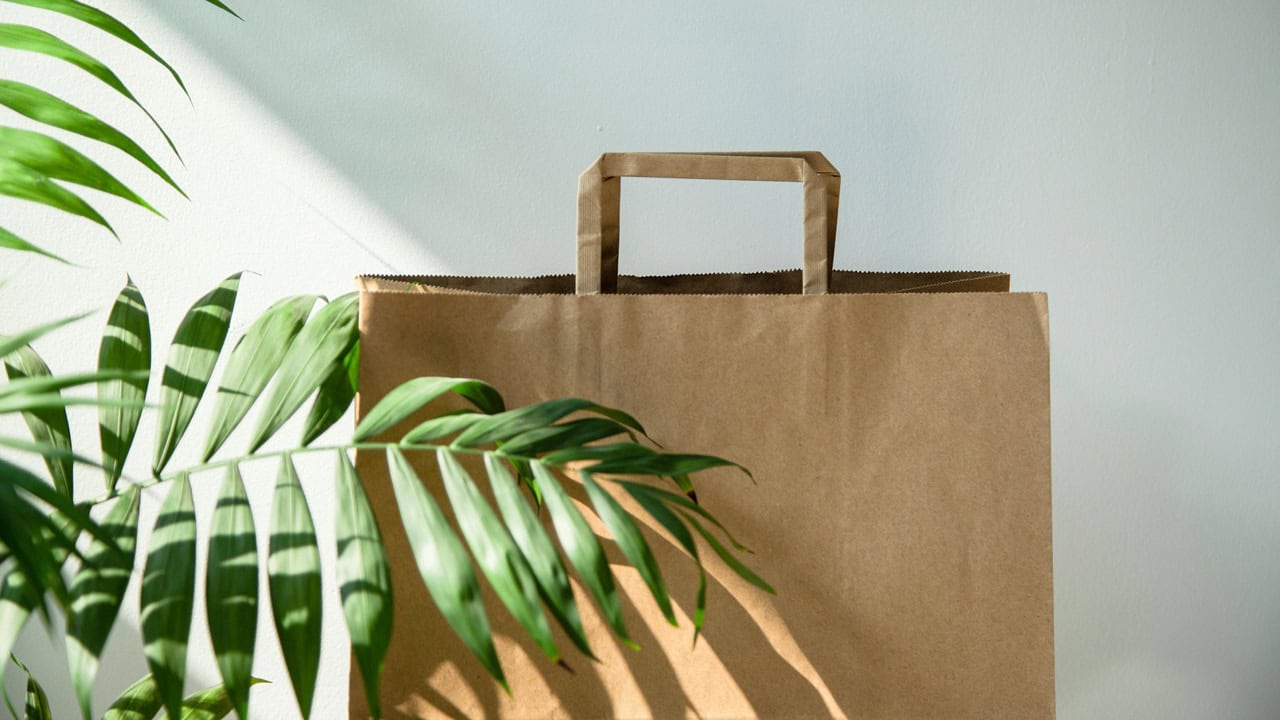
Your grandparents often saved paper grocery bags because they were useful for many things around the house. You can reuse them as trash liners, gift wrap, or even for crafts like homemade journals.
These bags also help with simple tasks, like ripening fruit faster by placing bananas or avocados inside. Keeping a few paper bags on hand can be surprising handy.