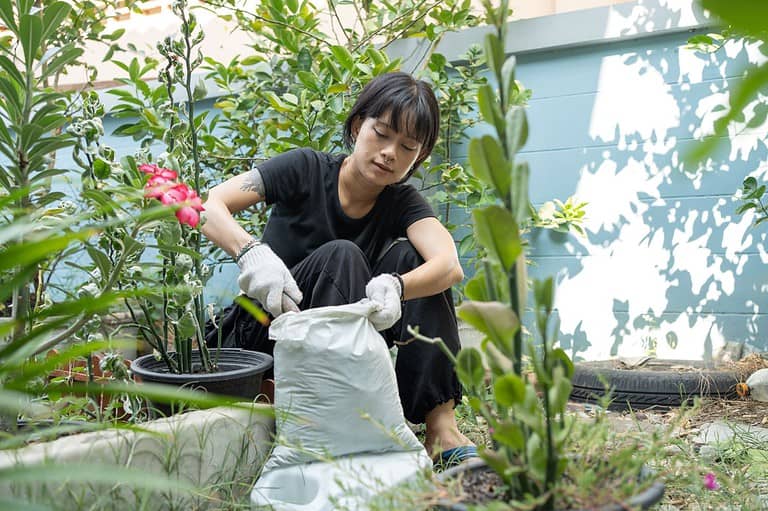
Think back to the last time you spent time in the garden. Were you breaking a sweat? Sore the next day? A bit fatigued after? That’s because you’re working a ton of different muscles while doing gardening and yard work. According to the American Heart Association, gardening is considered a moderate form of physical activity. In fact, research has found that working out in the garden can burn just as many calories as you would in the gym.
The CDC says that 30 minutes of light gardening and yard work can burn over 150 calories, while one hour can burn over 300. That’s about the same amount you’d burn while hiking, biking, dancing or weight lifting.
Advertisement
Aside from the physical benefits, here are a few more ways gardening benefits our mind and body.
Gardening promotes better brain health
A healthy brain is important for overall health as it is the crucial element controlling how we communicate, make decisions, and function in our everyday lives. Many studies have shown that outdoor gardening helps stimulate the brain and may be associated with lowering the risk of Alzheimer’s disease. In fact, one study found that gardening every day reduced the chances of Alzheimer’s by 36 percent.
Being outdoors also helps us get a healthy amount of Vitamin D, which helps increase the level of serotonin in our brains. Serotonin is also known as our happy hormone. An increase in serotonin can improve our mood and is also known to help with memory.
Gardening supports a healthy immune system
Vitamin D is also essential for supporting a healthy immune system. On top of that, research has found that the beneficial bacteria found in garden soil can decrease inflammation and help strengthen your immune system.
When spending time outdoors, protect yourself, especially if you’re prone to seasonal allergies caused by plants with high pollen content. Wearing a mask, protective workout clothing, gloves, and washing your hands can help you avoid the itchiness and sniffles that allergies can cause.
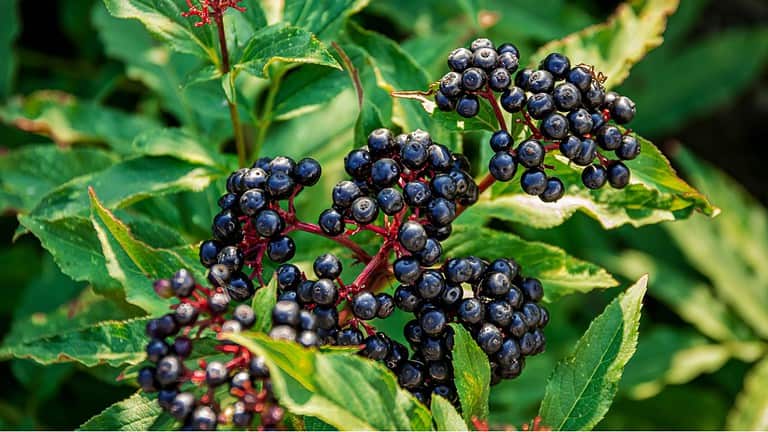
You can also try growing immune-boosting plants in your garden, like aloe vera, garlic, coneflowers, and elderberries.
Gardening can help improve your diet
Because you’re able to grow your own fruits and vegetables, gardening can help improve your diet and eating habits. People who grow their own food typically eat a lot more fruits and vegetables because they’re easily accessible. You also have control over how many pesticides touch your food, as well as when to harvest them. According to Harvard Health, fruits and vegetables that are able to ripen in the garden have more nutrients than store-bought ones that were picked too early.
If you’re new to growing your own food, start with things that are easy to grow, like strawberries, lettuce, carrots and raspberries.
Gardening Tasks to Improve Your Physical Fitness
Ready to burn some calories while tending to your garden? Here are a few gardening activities sure to make you break a sweat.
- Digging: works out your back, arms, shoulders, and core.
- Weeding: works out your legs, arms, and back.
- Sweeping: works out your arms, hips, and legs.
- Mowing: works out your back, hips, core, and shoulders.
- Harvesting: works out your quads, hamstrings, glutes, calves, and biceps.
- Raking: works out your biceps, shoulders, and forearms.
As you can see, gardening provides a great workout for our body and mind.