I’ll admit it—when I was younger, I wasn’t exactly eager to take my parents’ advice. Whether it was about life, work, or even something as simple as gardening, I had that classic “I know better” attitude. But the older I get, the more I realize just how much wisdom they were trying to pass down.
Nowhere is that more obvious than in the garden. As I dig, plant, and prune my way through another growing season, I keep hearing their voices in my head: “Don’t forget to mulch!” or “Give those tomatoes some breathing room!” Back then, I’d roll my eyes, but now? Their old-school tips have become the backbone of my gardening success.
Advertisement
These aren’t just random tidbits—they’re time-tested lessons that can transform any garden. Here are 11 of those secrets our parents tried to teach us, and why they’re still just as relevant today.
1. Start with Healthy Soil

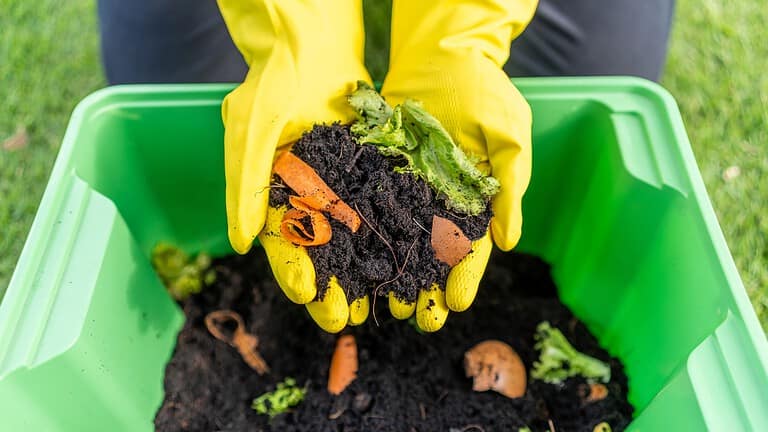
Healthy plants start with healthy soil. Our parents knew that no amount of watering or fertilizing could fix poor soil. They emphasized the importance of testing the soil, amending it with compost, and ensuring it was rich in nutrients.
Adding organic matter, like compost or well-rotted manure, improves soil structure and fertility. Regularly turning the soil to aerate it and monitoring its pH can make a world of difference.
2. Rotate Your Crops

Planting the same crops in the same spot year after year depletes nutrients and invites pests. That’s why crop rotation is essential. By alternating plant families each season, you can maintain soil health and reduce the risk of disease.
For example, if you planted tomatoes this year, try growing legumes like beans in that spot next season. These plants replenish nitrogen levels in the soil, preparing it for another round of nutrient-hungry crops.
3. Companion Planting Works Wonders

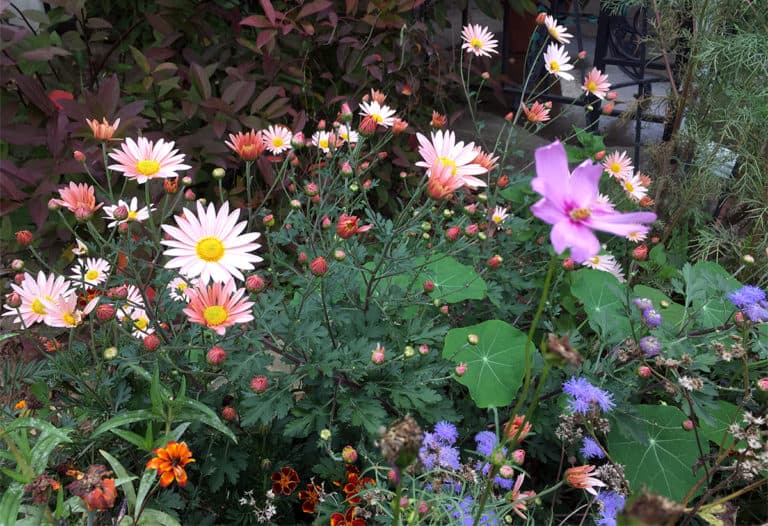
Some plants thrive when grown together, while others can stunt each other’s growth. Our parents swore by companion planting, a method of pairing plants that benefit each other. For example, marigolds deter pests, and planting them near tomatoes helps protect against nematodes and aphids.
Another classic pairing is basil and tomatoes, as basil can enhance the flavor of tomatoes and repel harmful insects.
4. Water Early in the Morning

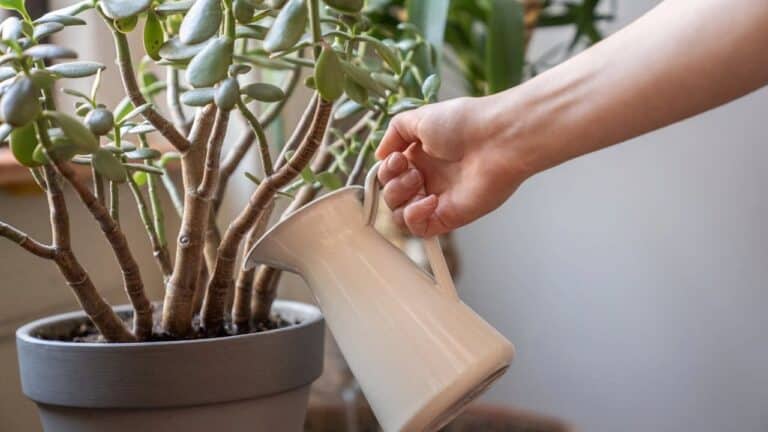
Our parents were sticklers for watering early in the morning, and for good reason. Watering at this time allows moisture to reach the roots before the sun evaporates it. It also gives leaves time to dry, reducing the likelihood of fungal diseases.
Using a soaker hose or drip irrigation system can make morning watering easier and more efficient. Consistent hydration early in the day helps plants withstand heat and thrive.
5. Save Seeds for Next Season

Saving seeds from your garden is both economical and sustainable. By selecting seeds from your healthiest plants, you ensure strong, productive crops year after year. It’s no wonder this practice has been around for generations.
Tomatoes, peppers, and beans are some of the easiest plants to save seeds from. Dry them thoroughly, store them in a cool, dry place, and they’ll be ready for next season’s planting.
6. Mulch Is Your Best Friend

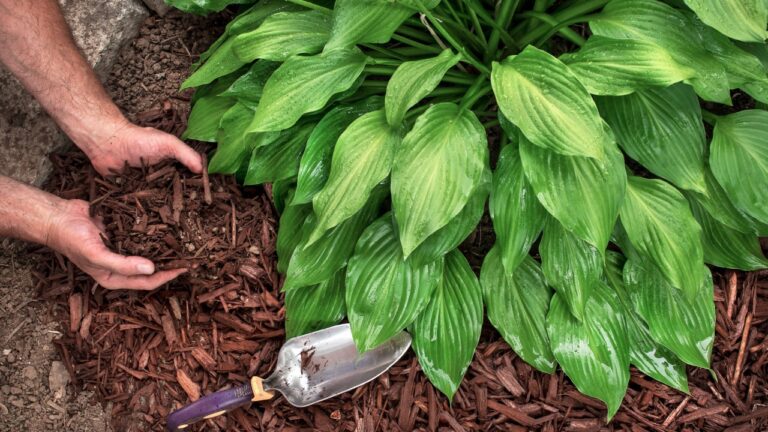
A layer of mulch is one of the simplest ways to protect your garden. Mulch reduces weeds, retains soil moisture, and regulates soil temperature—three things every gardener wants.
Organic options like straw, wood chips, and shredded leaves also break down over time, enriching the soil. A 2-3 inch layer around your plants can make a huge difference, especially during hot summer month
7. Use What You Have

Our parents were resourceful gardeners, often turning household scraps into garden solutions. Eggshells, for example, are a great source of calcium for plants, while coffee grounds can improve soil acidity.
Instead of expensive store-bought solutions, they relied on creativity. Newspapers make excellent weed barriers, and old buckets can double as plant containers. Repurposing materials saves money and helps the environment.
8. Learn to Read the Weather

Before apps and weather alerts, gardeners relied on observation. Knowing when to expect rain or frost was critical to protecting plants. Covering crops during unexpected cold snaps or watering deeply before a hot day could make or break a harvest.
While today’s technology offers accurate forecasts, keeping an eye on the sky and staying prepared with garden covers or frost cloths is still wise.
9. Give Plants Room to Breathe

Overcrowding plants might seem like a way to maximize space, but it often leads to poor airflow and increased disease risk. Our parents understood the importance of spacing, ensuring each plant had enough room to grow.
Follow spacing guidelines on seed packets or plant labels to avoid overcrowding. Proper spacing also makes harvesting easier and helps plants get the sunlight they need.
10. Weed Early and Often

Weeds compete with your plants for water, nutrients, and sunlight. Left unchecked, they can take over quickly. Our parents were diligent about weeding regularly to prevent this from happening.
A little effort early in the season can save you hours of work later. Use a hoe or hand-pull weeds after a rain when the soil is soft. Mulching can also keep weeds at bay, reducing the amount of time spent battling them.
11. Be Patient and Observant
Gardening is as much about observing as it is about action. Plants can’t speak, but they give plenty of signs about what they need—whether it’s drooping leaves from underwatering or yellowing from nutrient deficiencies.
By paying attention to small changes, our parents knew when to act and when to let nature take its course. This patience often led to healthier gardens and better harvests.
*This content was created with the help of AI.