Gardening has always been a popular pastime and a source of solace for many. However, it is a constantly evolving hobby, with trends and preferences shifting as much as the seasons. With 2025 on the horizon, we’re seeing a new wave of innovative, sustainable, and aesthetically captivating garden trends that are transforming our backyards into eco-friendly sanctuaries. These changes not only provide visual appeal but also contribute to a healthier environment and a more sustainable lifestyle. Let’s take a look at the 13 garden trends that are set to redefine our backyards in 2025.
1. Vertical Gardens
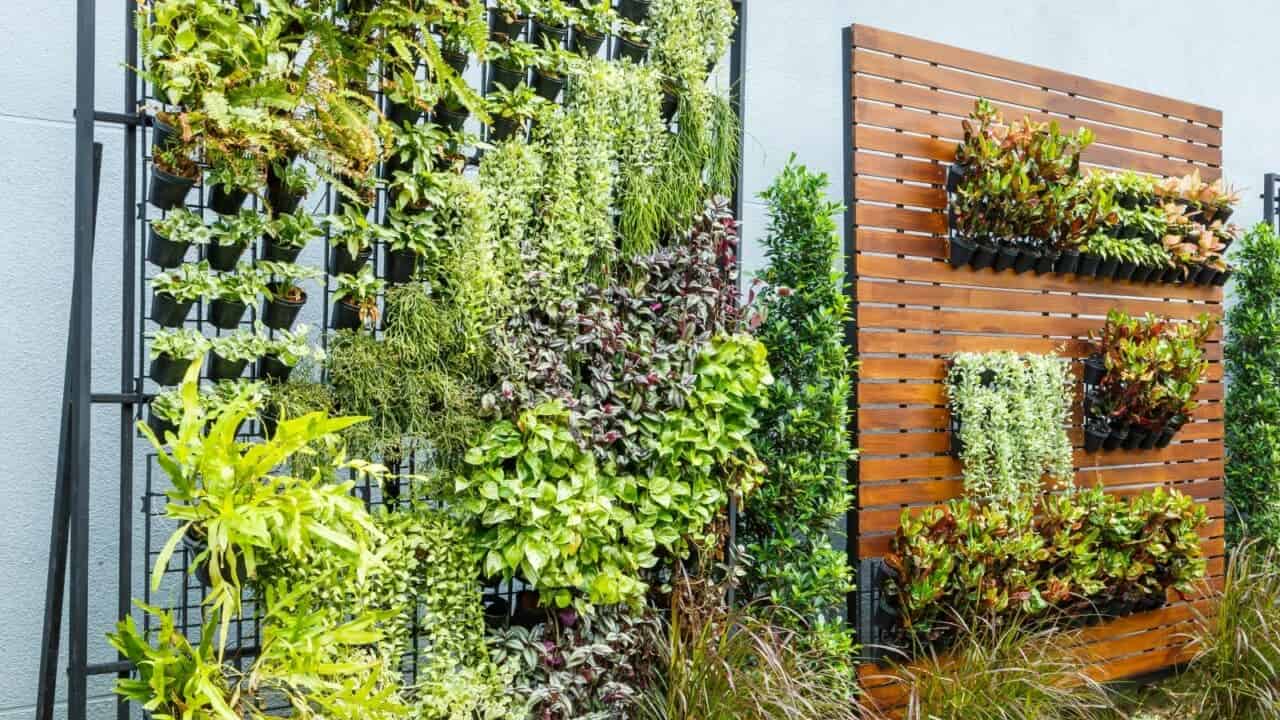
Vertical gardening, also known as “living walls”, is an innovative solution for space-challenged gardeners. These vertical plant displays are not only space-saving but also serve as a unique visual element in your garden. They can be used to grow a variety of plants such as succulents, herbs, and even vegetables.
Advertisement
Their popularity is on the rise due to their ability to convert unused vertical spaces into thriving green spots. They can be designed using repurposed items like pallets and are a perfect solution for city dwellers who crave green spaces. They also provide great insulation, reducing heat in summer and retaining it in winter.
2. Wildlife-Friendly Gardens
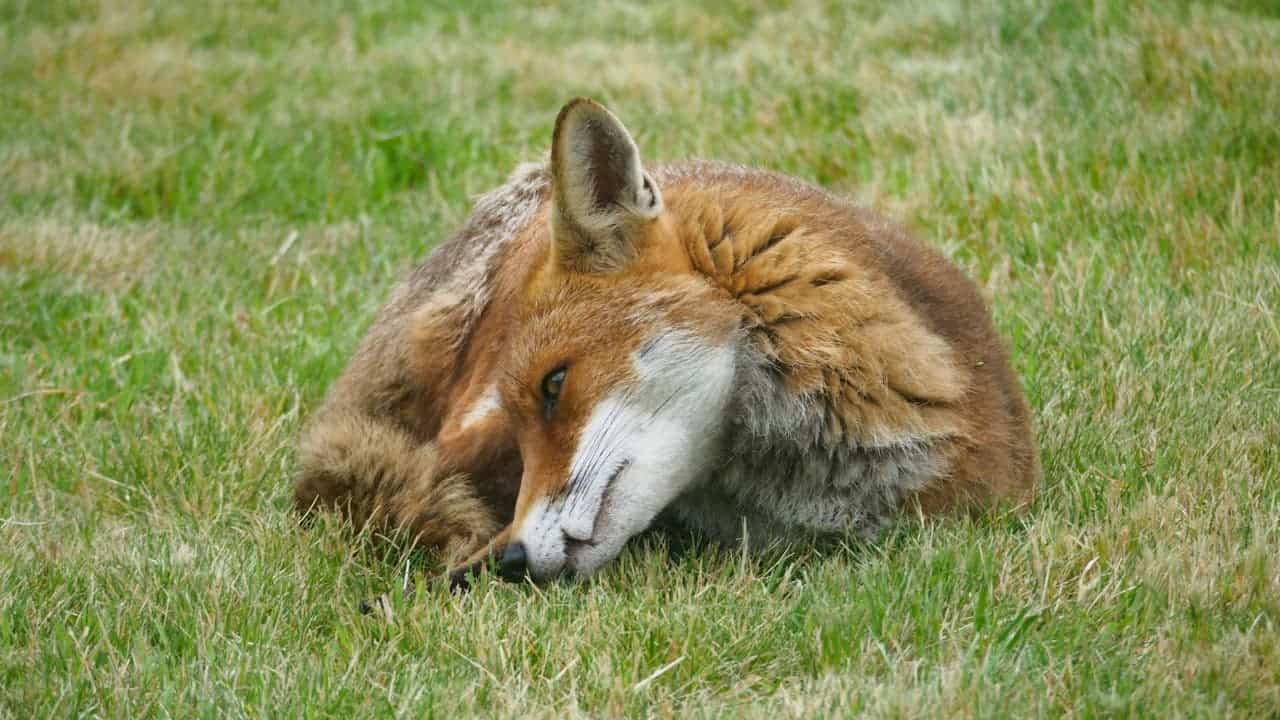
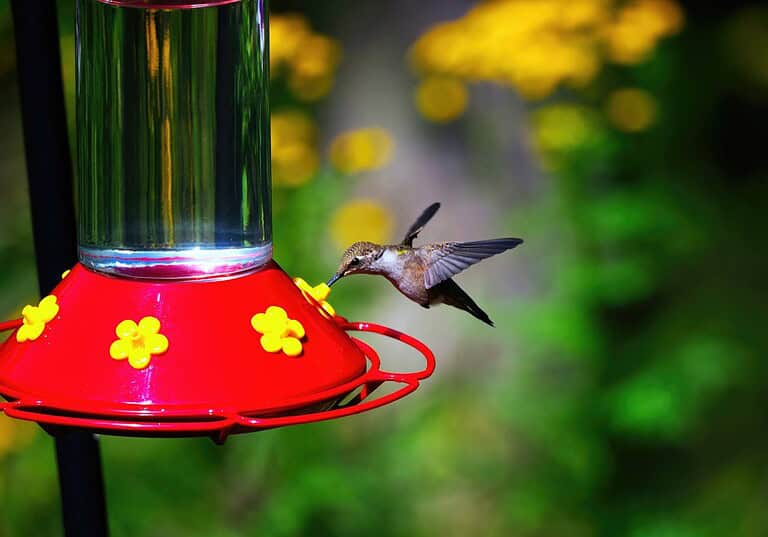
Wildlife-friendly gardens are becoming more popular as gardeners seek to create spaces that are not only beautiful for humans, but also welcoming to wildlife. These gardens are often filled with native plants that provide food and shelter for local wildlife, and may also include features like bird baths or bug hotels.
Creating a wildlife-friendly garden is not as difficult as it might sound. Even small changes can make a big difference. For example, you can start by planting native plants that will attract local birds and insects, or by installing a simple bird bath or a small pond. It’s a wonderful way to contribute to local biodiversity while enjoying the pleasure of watching wildlife in your own backyard.
3. Edible Landscapes

Edible landscapes integrate food plants within an ornamental or decorative setting. This trend is becoming increasingly popular as people are becoming more conscious about the quality and source of their food. Edible plants, including fruits, vegetables, herbs, and even edible flowers, are incorporated into the garden design for a beautiful yet practical garden.
Edible landscaping doesn’t mean you have to sacrifice the beauty of your garden. Many vegetables and fruits are quite attractive and can add color, texture, and interest to your landscape. For instance, a row of bright red chilies or a bed of kale can be as visually appealing as traditional flowers and plants.
4. Eco-Friendly Gardens
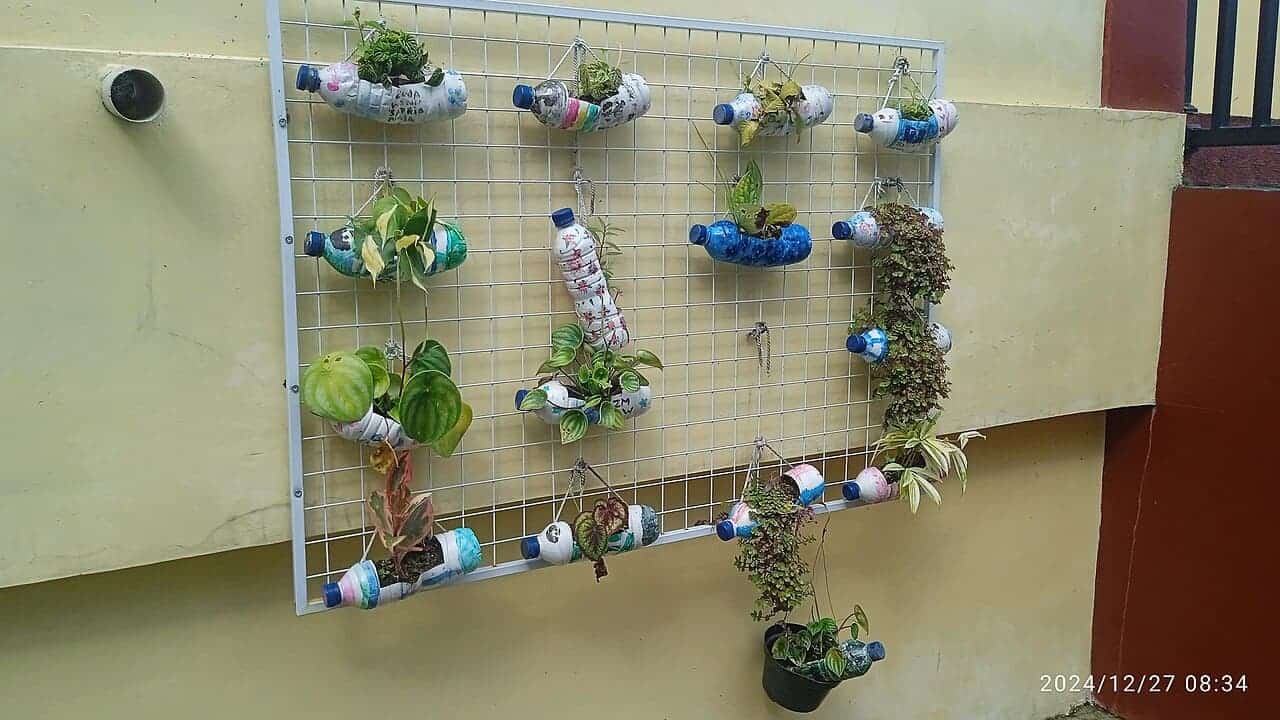
Eco-friendly gardening is all about reducing your carbon footprint and creating a garden that is in harmony with nature. This trend includes practices like composting, rainwater harvesting, and using organic fertilizers and pesticides.
Composting is a simple way to recycle kitchen and garden waste, and it provides your plants with nutrient-rich soil. Rainwater harvesting involves collecting and storing rainwater for garden use, reducing your reliance on municipally treated water. Using organic fertilizers and pesticides helps to maintain healthy soil and plant life without introducing harmful chemicals into the environment.
5. Drought-Tolerant Landscaping

As water becomes a more precious resource, many gardeners are opting for drought-tolerant landscaping, also known as xeriscaping. This type of landscaping involves selecting plants that can survive with minimal water, such as succulents, and implementing design techniques that reduce water evaporation.
Switching to a drought-tolerant landscape doesn’t mean you have to give up on having a lush, beautiful garden. There are many gorgeous plants that are also water-wise. For example, lavender, sage, and many types of ornamental grasses are drought-tolerant and can add great visual appeal to your garden.
6. Indoor Gardening
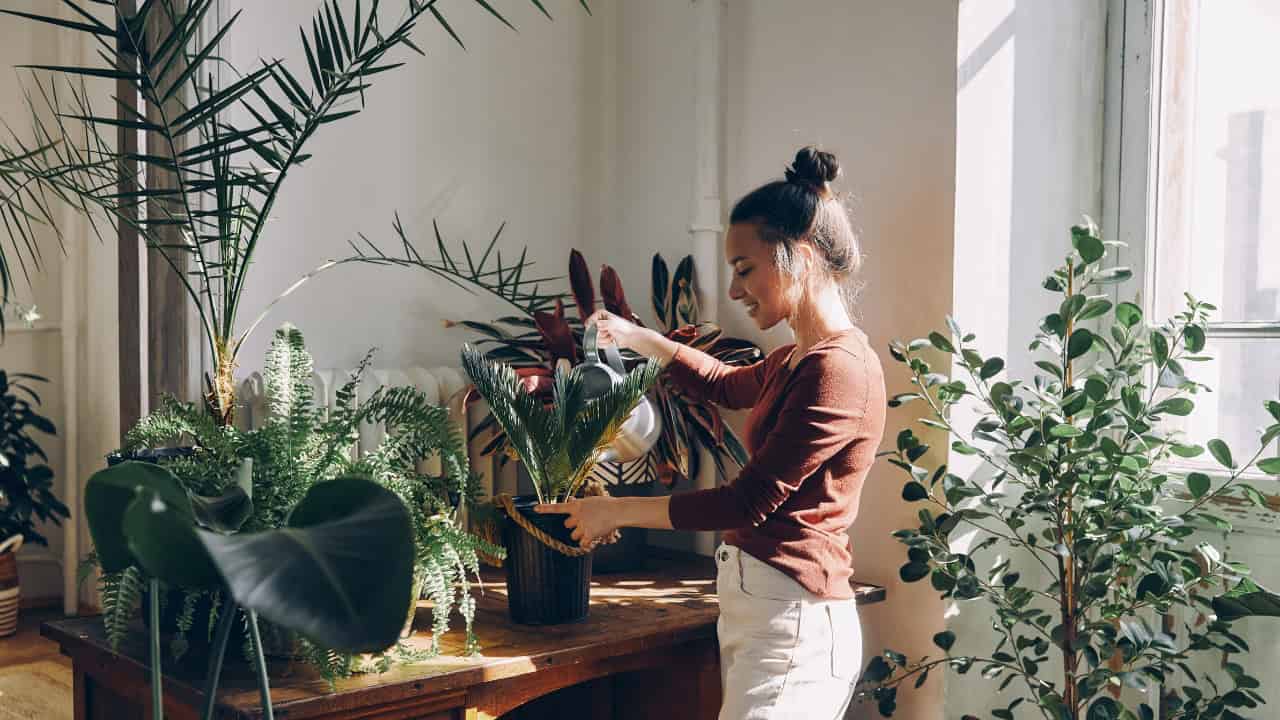
Indoor gardening is a trend that’s gaining popularity, especially among those living in apartments or homes with limited outdoor space. This trend includes everything from indoor herb gardens to elaborate indoor greenhouses.
While some may think that indoor gardening is limited in terms of variety, this is not the case. A wide range of plants can thrive indoors, from herbs and vegetables to decorative plants like succulents and air plants. Indoor plants not only add a touch of nature to your home, but they can also improve air quality and provide you with fresh herbs or veggies right at your fingertips.
7. Backyard Farming

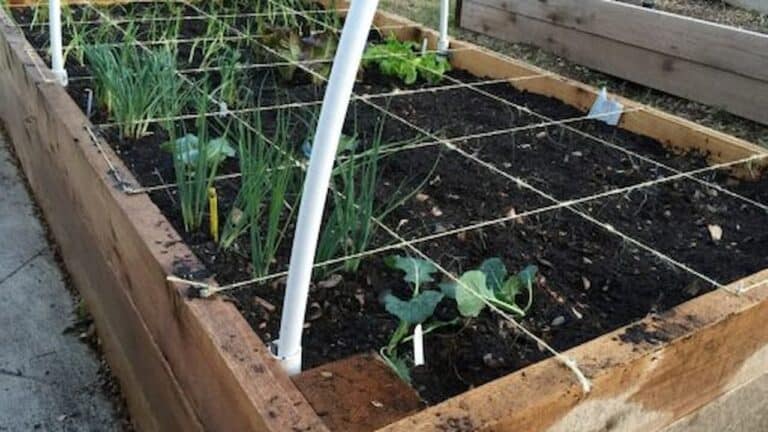
Backyard farming, also called urban homesteading, is a trend that’s all about self-sufficiency. More and more people are transforming their backyards into mini farms, growing fruits, vegetables, and even raising chickens or bees.
While backyard farming can require a bit of work, it’s a rewarding way to reduce your grocery bill and ensure you’re eating fresh, organic produce. Plus, it can be a great educational experience for children, teaching them where their food comes from and the importance of sustainable farming.
8. Zen Gardens
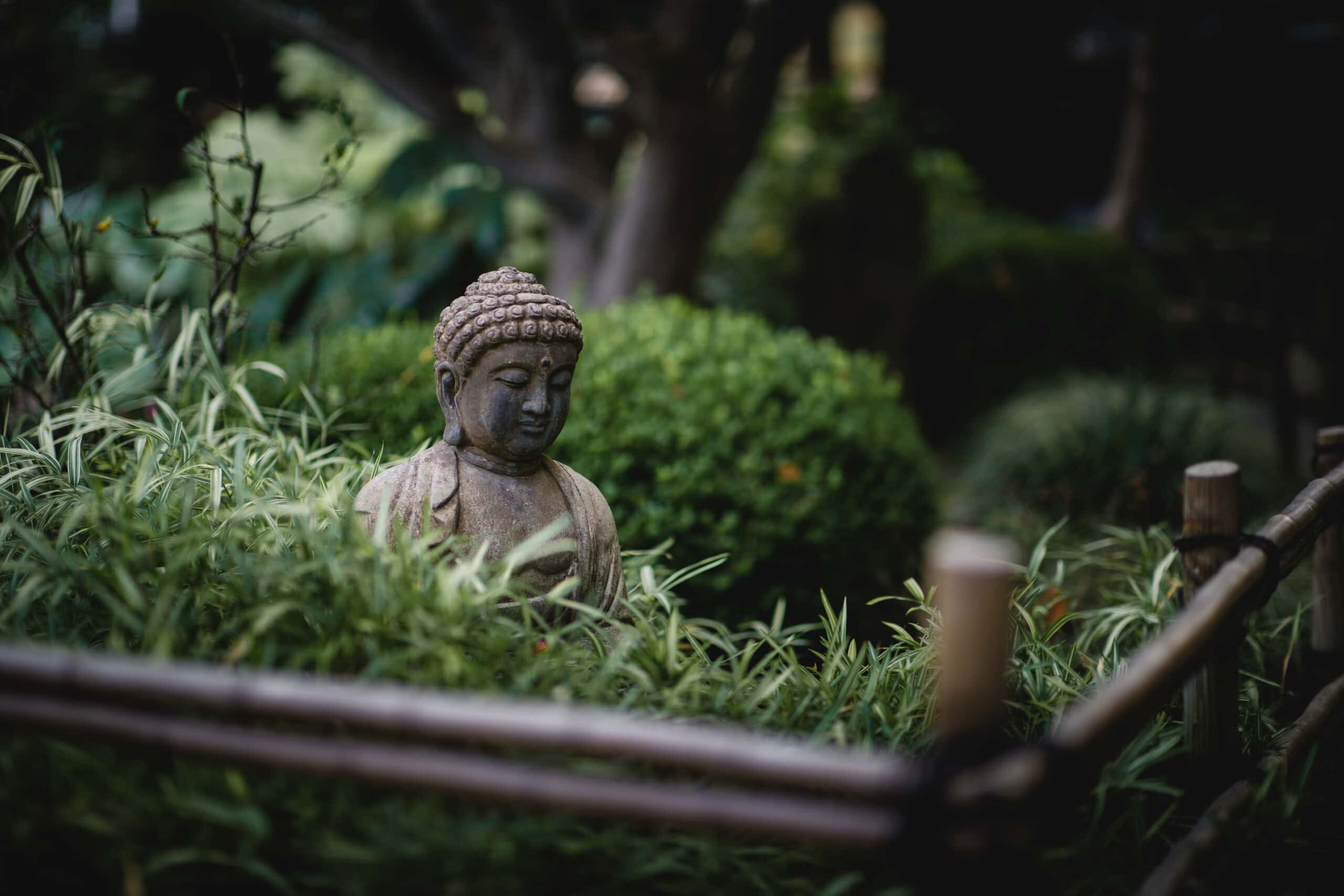
As our lives become more hectic, many gardeners are turning to zen gardens as a place of peace and relaxation. Zen gardens, also known as Japanese rock gardens, use rocks, gravel, and sand to create minimalist landscapes that are meant to mimic the essence of nature.
Creating a zen garden doesn’t require a lot of space or expensive materials. A small corner of your backyard can be transformed into a serene retreat with a few rocks, a patch of sand, and perhaps a small water feature. The act of raking the sand into patterns is also a form of mindfulness meditation, adding to the garden’s calming effects.
9. Native Plant Gardening
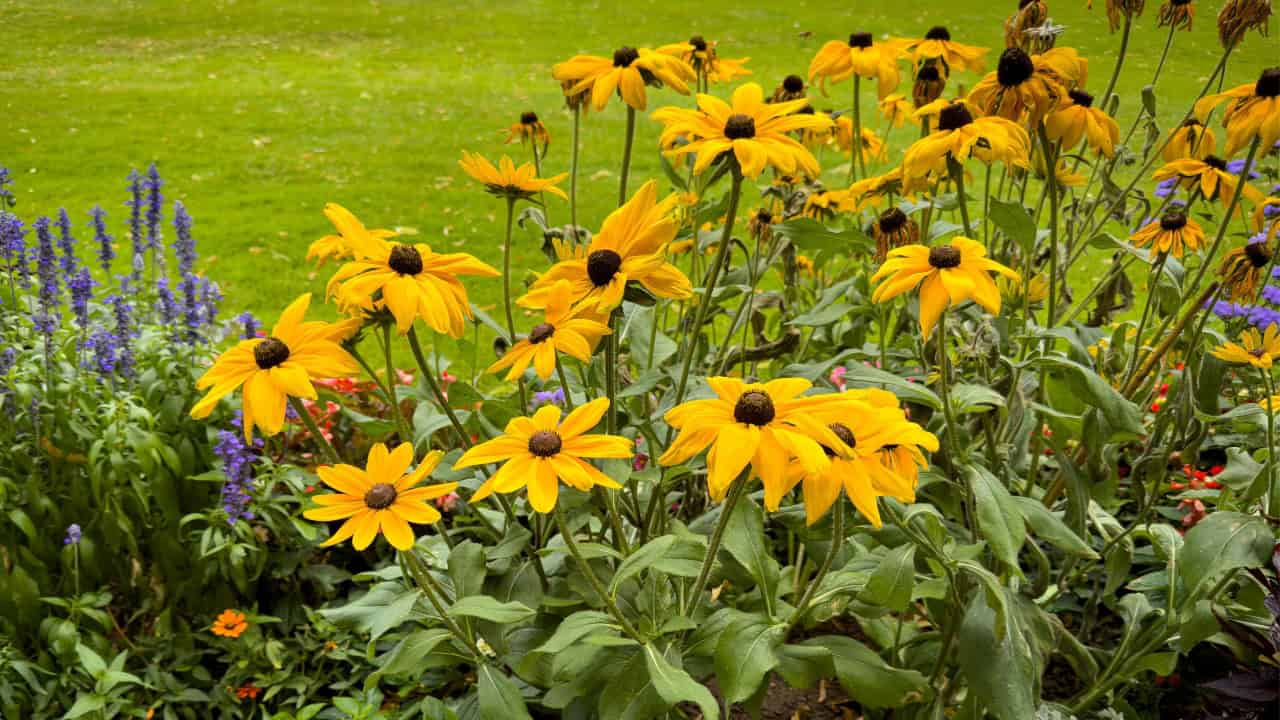
Native plant gardening is a trend that focuses on using plants that are indigenous to the area in which you live. These plants are adapted to the local climate and soil conditions, making them more resilient and easier to care for than non-native species.
In addition, native plants often attract local wildlife, including birds, butterflies, and beneficial insects, contributing to a healthy and vibrant ecosystem in your backyard. Native plant gardening is a beautiful way to create a unique and low-maintenance landscape while supporting local biodiversity.
10. Outdoor Living Spaces

Outdoor living spaces are becoming an extension of the home, with gardeners creating functional, comfortable spaces where they can relax, dine, and entertain outdoors. This trend includes everything from outdoor kitchens and dining areas to cozy fire pits and outdoor living rooms.
Creating an outdoor living space doesn’t have to be expensive or require a lot of space. Even a small patio or deck can be transformed into a comfortable retreat with a little creativity. Consider incorporating elements like outdoor rugs, comfortable seating, and string lights to create a cozy and inviting atmosphere.
11. Smart Gardening
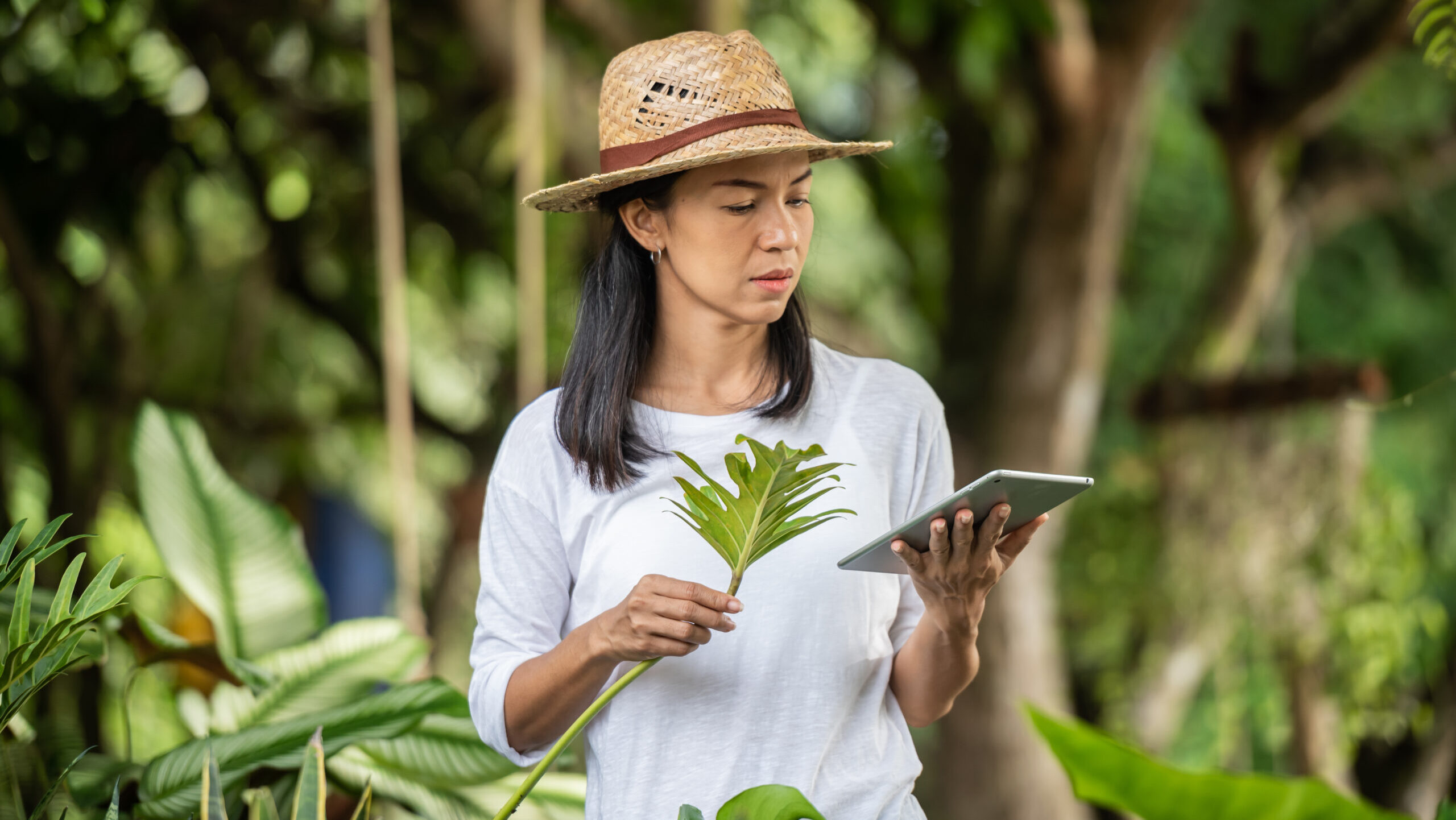
Smart gardening is all about using technology to make gardening easier and more efficient. This can include everything from automatic irrigation systems and soil sensors to gardening apps that help you plan and maintain your garden.
These tools can be especially helpful for busy gardeners or those new to gardening. For example, a soil sensor can monitor moisture levels and alert you when it’s time to water, taking the guesswork out of watering. Gardening apps can provide reminders for when to plant, fertilize, or harvest, ensuring you get the most out of your garden.
12. Container Gardening
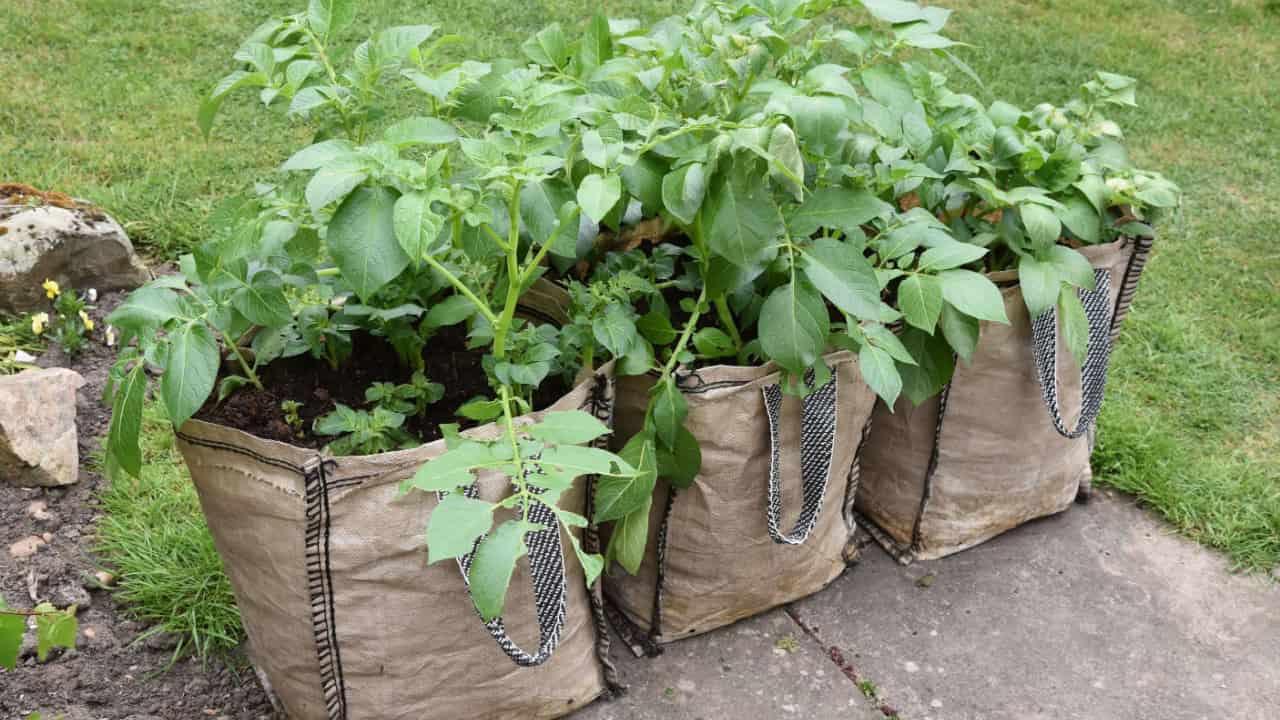
Container gardening is a flexible and accessible trend that allows you to garden in small spaces, balconies, patios, and even indoors. It involves growing plants in pots, planters, or other containers, and it’s an ideal solution for those who don’t have a large yard or who live in apartments.
With container gardening, you can grow a wide variety of plants, including herbs, vegetables, flowers, and small trees. It’s a great way to experiment with different plant combinations and styles, and you can easily change up your garden design by simply moving your containers around.
13. Therapeutic Gardening
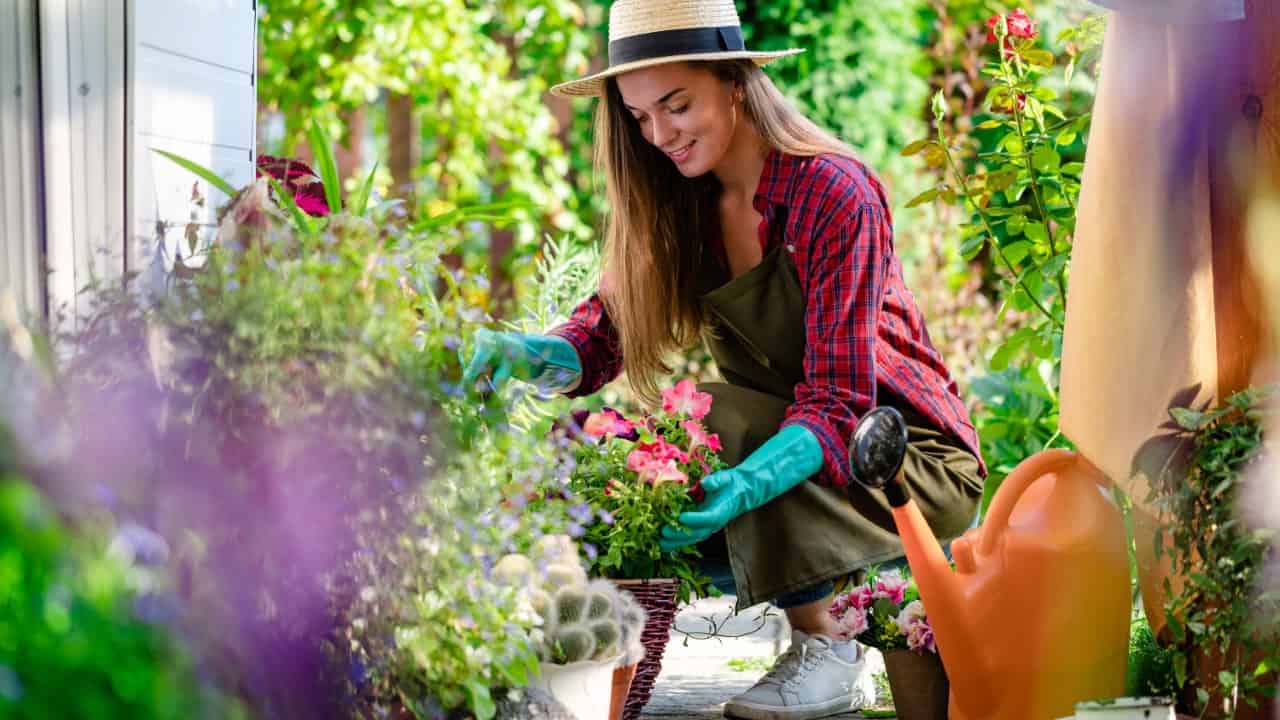
Gardening is not only a creative outlet but also a form of therapy. The therapeutic benefits of gardening are being recognized more and more, leading to the rise of therapeutic gardening. This trend involves using gardening as a way to improve mental health, reduce stress, and improve overall well-being.
Therapeutic gardening can take many forms, from simply spending time in the garden to participating in structured therapeutic gardening programs. The act of planting, nurturing, and watching plants grow can provide a sense of accomplishment and tranquility. Plus, being in nature can have a calming effect, reducing stress and boosting mood.