Your fridge might be a lifesaver for leftovers, but it’s not always the best place for fruits. Some of our favorite fruits stay fresher at room temperature. Let’s uncover which fruits you should keep out of the cold.
Bananas

Bananas thrive in warm environments, and refrigeration can disrupt their natural ripening process. The cold can cause their skins to turn black, making them less appealing, and they might not continue to ripen even after being removed from the fridge. To ensure that these tropical fruits ripen correctly, store them in a cool, dark place at room temperature. This allows them to ripen naturally and develop their sweet flavor.
Advertisement
Avocado

Avocados are often harvested before they’re fully ripe, so they continue to ripen on store shelves and in your home. When you refrigerate them, you can disrupt this natural ripening process, leading to ‘chilling injury.’ This can cause the fruit to turn brown, become mushy, and lose its delicious, creamy texture. To ensure a perfectly ripe avocado, let it ripen at room temperature.
Mangoes

Mangoes taste the best when they’re perfectly ripe. Refrigerating unripe mangoes can slow down their ripening process, leaving you with a less flavorful fruit. Refrigerating ripe mangoes can also lead to a loss of texture. For optimal ripening, store unripe mangoes at room temperature. You can place them in a paper bag to speed up the process. Once the mango yields slightly to gentle pressure, it’s ready to eat.
Melons
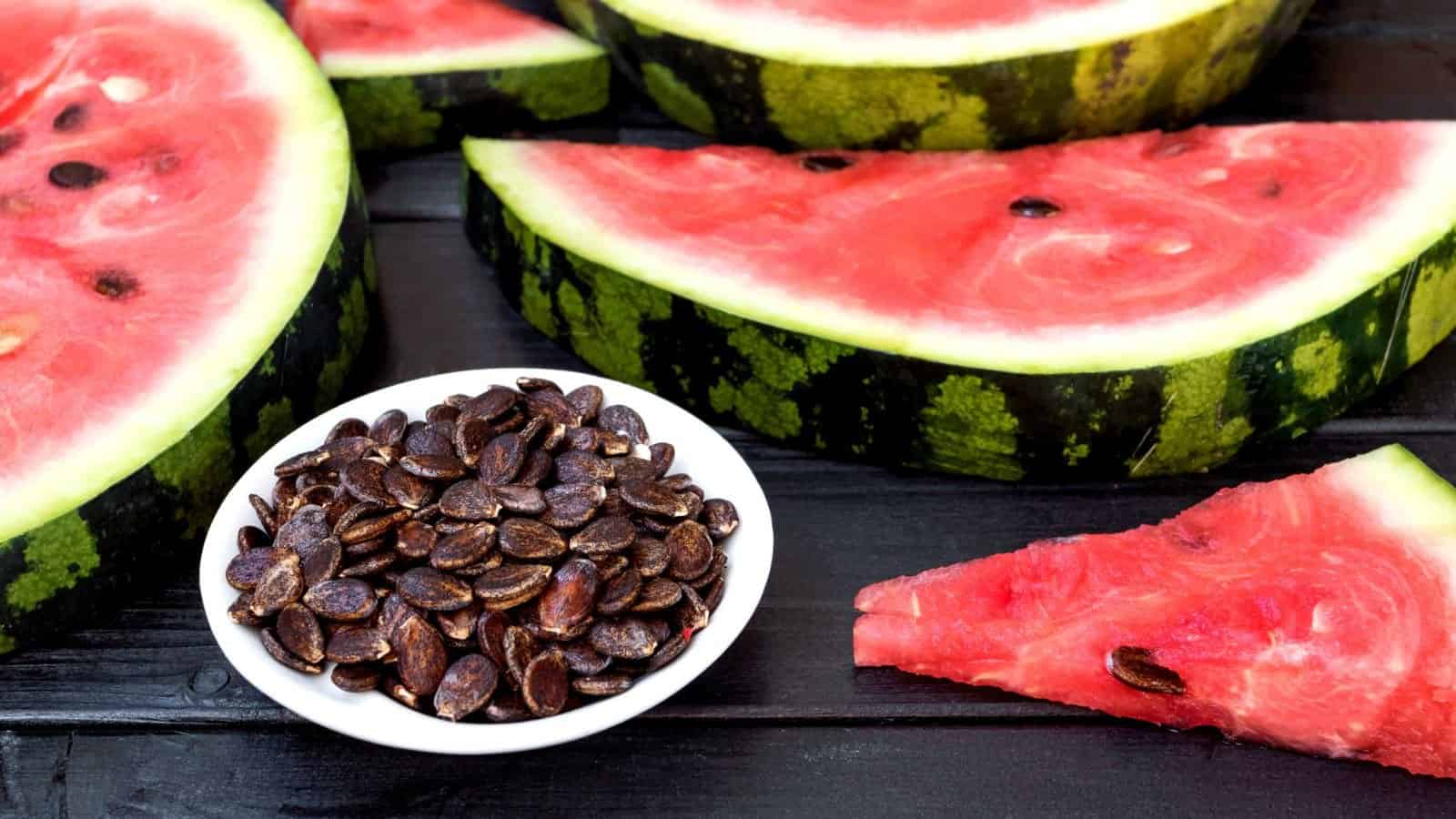
Leave Melons out of the fridge because they ripen better at room temperature, fully allowing them to develop their sweet flavor. Storing whole melons at room temperature also helps preserve their nutrients, including antioxidants like lycopene and beta-carotene, which can increase when melons are left out. Keeping whole melons out of the fridge saves space and enhances their health and nutrition benefits.
Pears
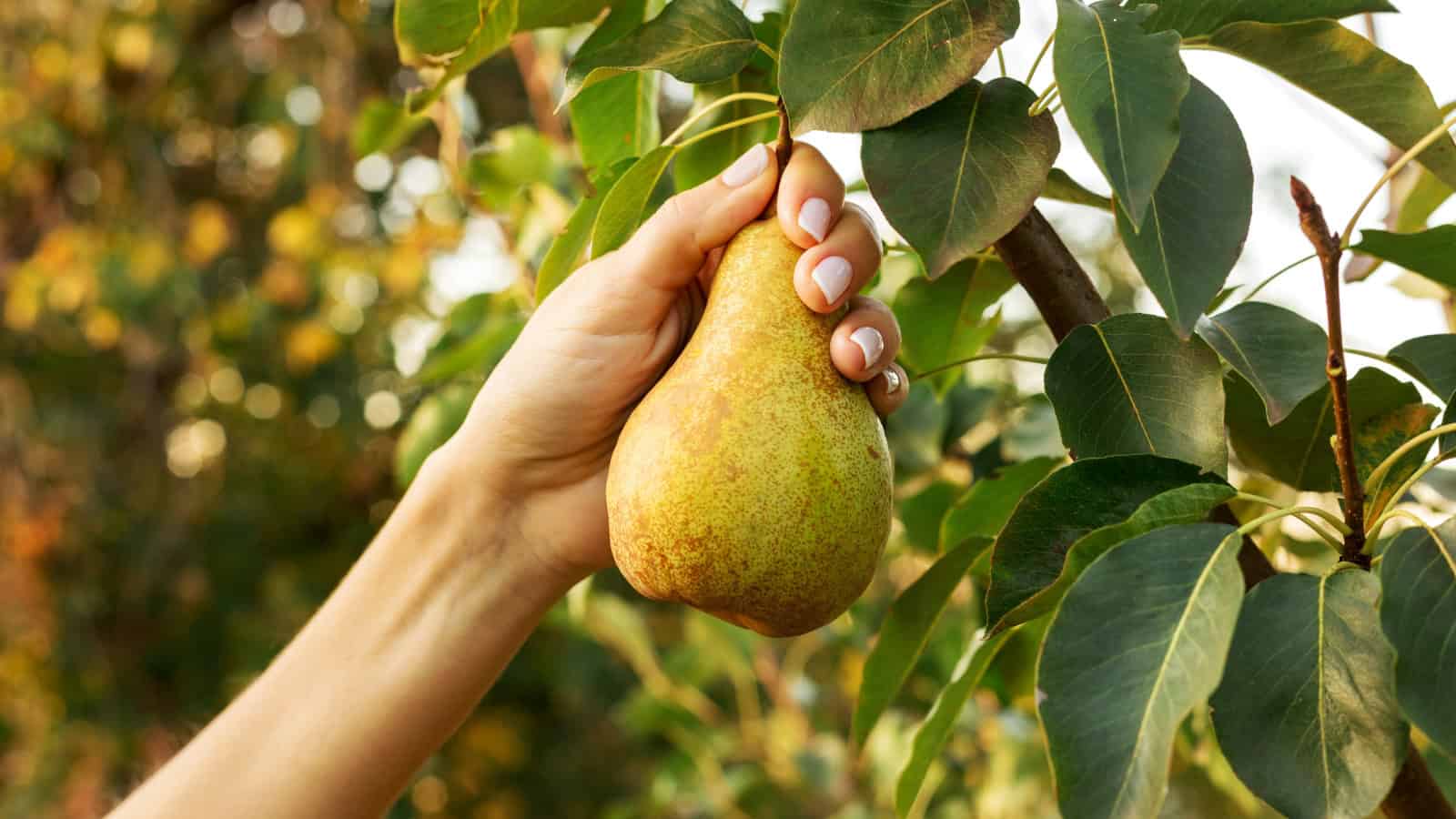
Pears are typically picked early and need time at room temperature to ripen correctly. Leaving pears out in a fruit bowl instead of the fridge allows them to develop their full flavor and juiciness. You’ll know pears are ripe when pressing them causes a slight indent. Once they reach this stage, you can store them in the fridge to prolong their freshness, but it’s best to eat them quickly to enjoy their optimal taste and texture.
Peaches

You should not refrigerate peaches before they ripen because the cold stops their ripening process, leading to less juicy and flavorful fruit. Storing them in the fridge can also dehydrate them and affect their flavor due to exposure to other foods. Leave peaches on the counter to ripen fully, checking their progress daily. Once they yield slightly to gentle pressure, they are ripe and can be transferred to the fridge to keep fresh for a few days. Enjoy them chilled if you like, but use them straight from the counter for cooking or baking.
Kiwi

Avoid refrigerating kiwi before it ripens because the cold can slow the ripening process and negatively affect its taste and texture. If you bring home hard kiwis, let them ripen at room temperature. Place them in a paper bag with a banana to speed up the process. Once the kiwi softens to your desired texture, you can refrigerate it to halt further ripening and prolong its shelf life. Keeping kiwi out of the fridge until ripe ensures the fruit maintains its delicate texture and tangy flavor.
Berries

Storing berries can be tricky because they tend to mold and become soggy quickly if not handled properly. It’s best to keep berries(strawberries, raspberries, blueberries, and blackberries) at room temperature if you plan to use them promptly, as they stay juicy and firm. Only rinse berries before using them to prevent mold; rinse them in a colander rather than submerging them in water. You can refrigerate berries for longer storage, but ensure they’re not in an airtight container.
Apples

Apples produce ethylene, which can cause nearby fruits and vegetables to ripen more quickly, potentially leading to spoilage. They can last a week or two on the counter, showcasing their vibrant colors. If you refrigerate apples for extended freshness, keep them separate from other produce to avoid over-ripening.
Plums

Plums are often hard when you buy them, but don’t let that deter you. Just leave them out of the fridge until they soften. Never refrigerate hard plums, as this stops ripening, resulting in under-ripe, less enjoyable fruit. Let them ripen at room temperature, and then refrigerate to keep them fresh for longer.
Papayas

Papayas taste vastly different when ripe compared to their hard, immature state. Let papayas ripen at room temperature until they feel soft and yield slightly to pressure. Once ripe, peel the skin, remove the seeds, and store the papaya in an airtight container in the fridge to maintain its freshness.
Nectarines

If you’ve purchased hard nectarines, do not refrigerate them immediately. Leave them out at room temperature to allow them to ripen naturally and develop their sweetness. Once they feel soft to the touch, they’re ready to enjoy.