Weeding is an ongoing challenge for most gardeners, but it doesn’t have to be an expensive or time-consuming task. Many effective methods for removing weeds from your garden are not only simple but also completely free. Usage of natural solutions and everyday tools helps to keep your garden neat and healthy without relying on harmful chemicals or costly products. Here is a list of easy and free ways to help you tackle those pesky weeds and maintain a thriving garden.
Pull Weeds by Hand

One of the easiest ways to remove weeds is by pulling them up by hand. It’s free, simple, and effective. It is critical to ensure the removal of the entire root system, which then prevents the weeds from growing back. This method is at its most effective when the soil is moist, as it is then easier to pull the weeds out without breaking the roots. This technique is exhausting, but it also ensures that the weeds don’t spread.
Advertisement
Mulch Around Plants

Apply a two-inch layer of mulch like wood chips or straw, to block sunlight and suppress weed growth effectively. Mulch reduces the chances of germination by minimizing their contact with the soil, further helping to keep your flower beds free from unwanted growth.
Plant Ground Covers
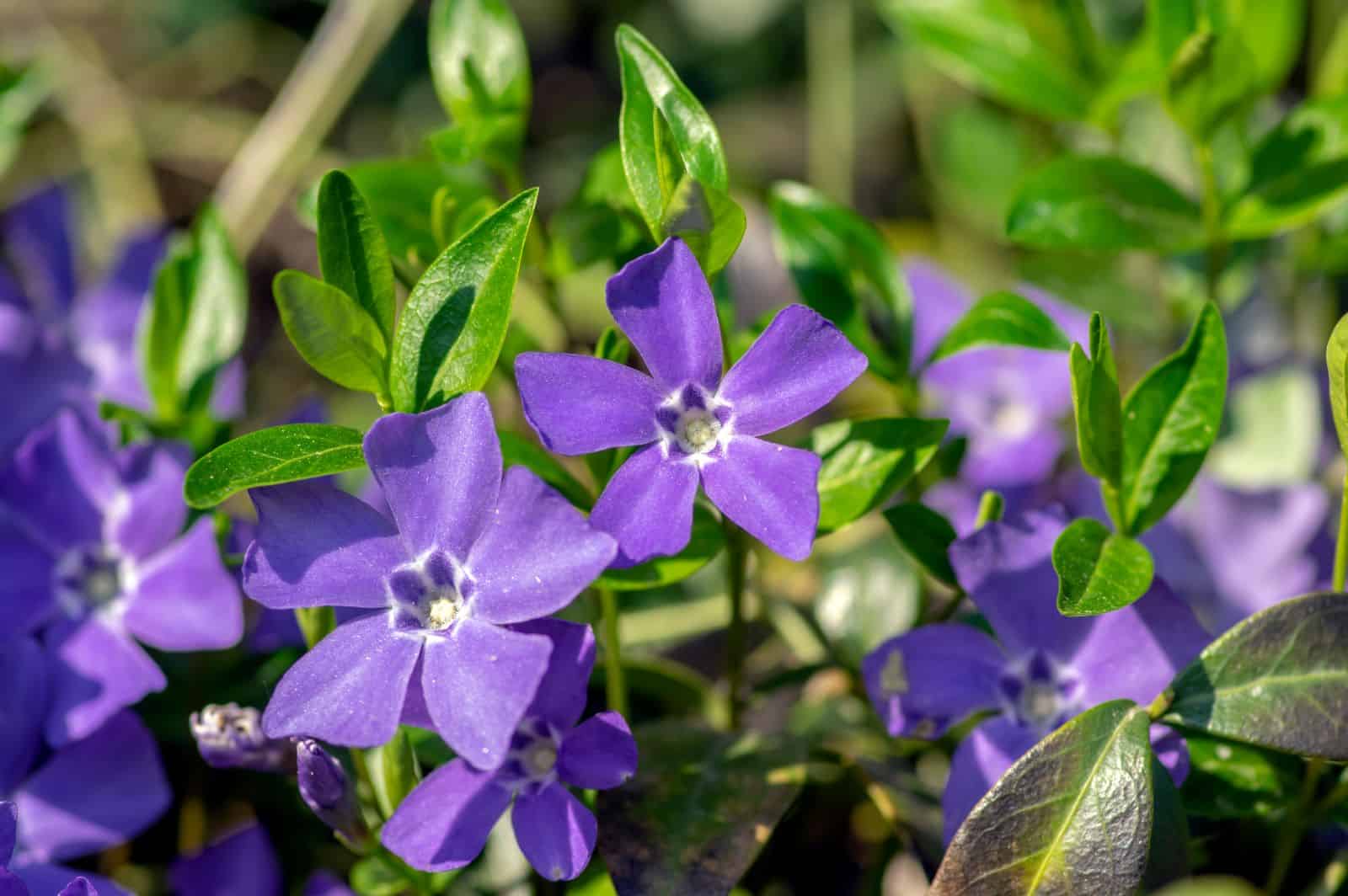
Ground covers such as clover, creeping thyme, or vinca can act as a natural weed suppressant. These low-growing plants create a dense mat over the soil, blocking sunlight and preventing weeds from germinating. They are a great option for areas where traditional mulch may not be suitable and can also add aesthetic value to your garden.
Use Boiling Water
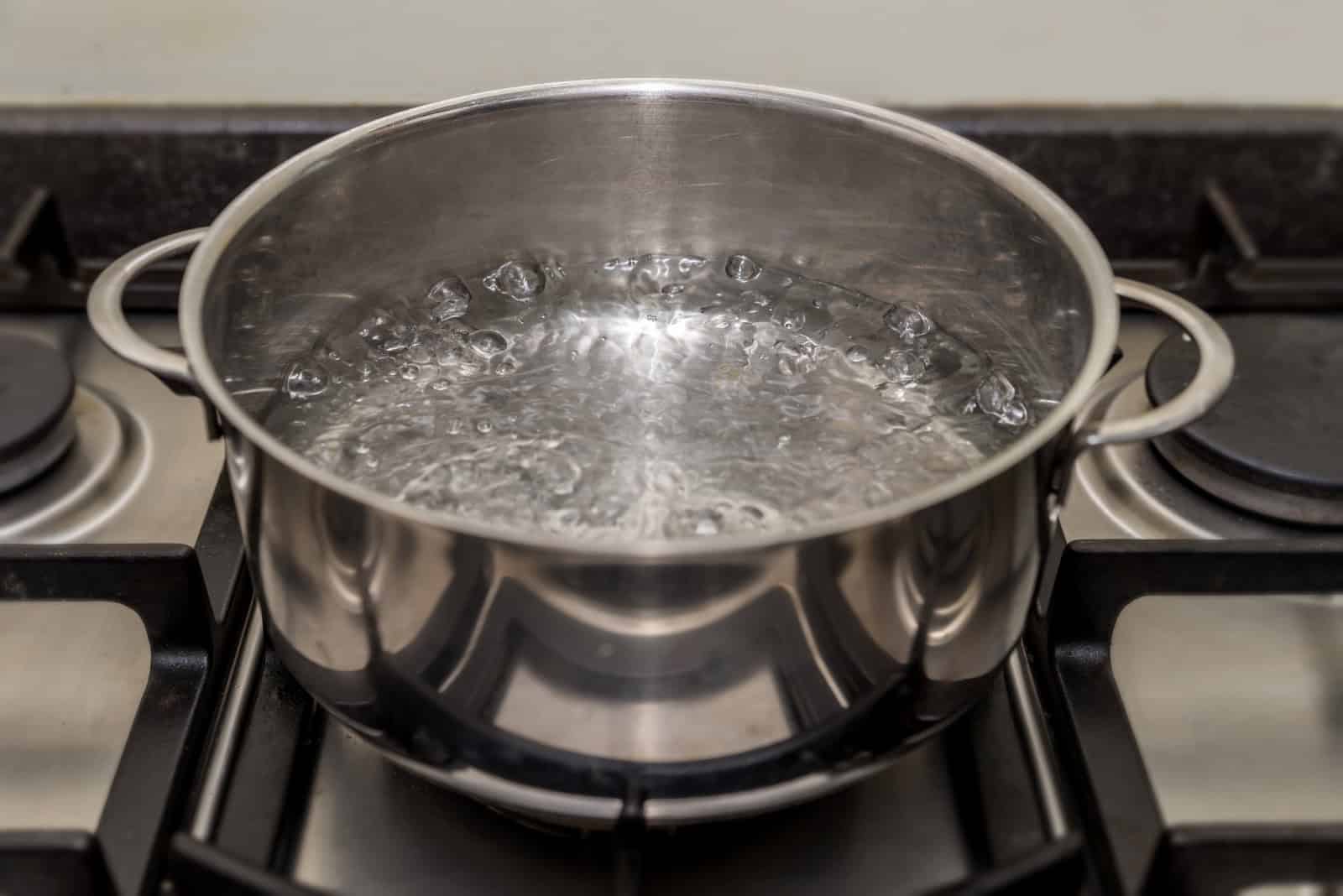
Boiling water is an easy, free method for killing weeds. Simply pour it directly over the weeds, especially those growing in cracks between paving stones, along driveways, or in other hard-to-reach areas. The intense heat will destroy the weeds’ cells, causing them to wilt and die quickly. It is advisable to be cautious while using boiling water because it can also harm the nearby plants that you want to preserve, so direct it carefully.
Smother Weeds with Cardboard

Cardboard is an effective option as a weed barrier. Lay down cardboard sheets over weed-prone areas and cover them with mulch. The cardboard blocks sunlight, preventing weeds from growing. It’s an easy and free method, especially useful for larger areas. As the cardboard decomposes, it adds organic matter to the soil, benefiting your garden in the long run.
Salt to Kill Weeds

Salt can be used to kill weeds, but it should be applied cautiously to avoid harming surrounding plants and soil. Table salt (sodium chloride) is inexpensive and effective when sprinkled directly onto weeds or dissolved in water for targeted application. Rock salt can also be used, but it should be kept away from areas with desirable plants. Avoid overuse, as excess salt can damage soil health, making it unsuitable for future plant growth.
Weeding Fork or Hoe

Usage of a weeding fork or hoe is a very cost-effective way to remove weeds with minimal effort. These tools can help you loosen the soil around weeds, making it easier to pull them out by the roots. A hoe is especially useful for larger areas where weeds are abundant. Frequently using the tool is important to stay on top of the weeds before they take over your garden.
Solarization

Solarization is a highly effective way to control weeds with the usage of the sun’s natural heat. By covering a weed-infested area with clear plastic sheets during hot weather, the sunlight trapped underneath heats the soil, effectively killing weeds and their seeds. Although this method requires patience, as it takes time to work, it’s particularly useful for large garden areas where other methods may be less efficient.
Vinegar Spray

Vinegar is an effective and natural weed killer that breaks down the plant’s cell walls. It causes the plant to dry out. Household vinegar, typically containing 4-6% acetic acid, can handle tender, young weeds, especially those in cracks or on pavement. However, older, more established weeds require a stronger solution, like horticultural vinegar, which contains around 20% acetic acid. While it’s an organic option, this stronger vinegar is potent and should be used carefully by following proper instructions for both application and storage.
Crowd Out Weeds with Dense Planting
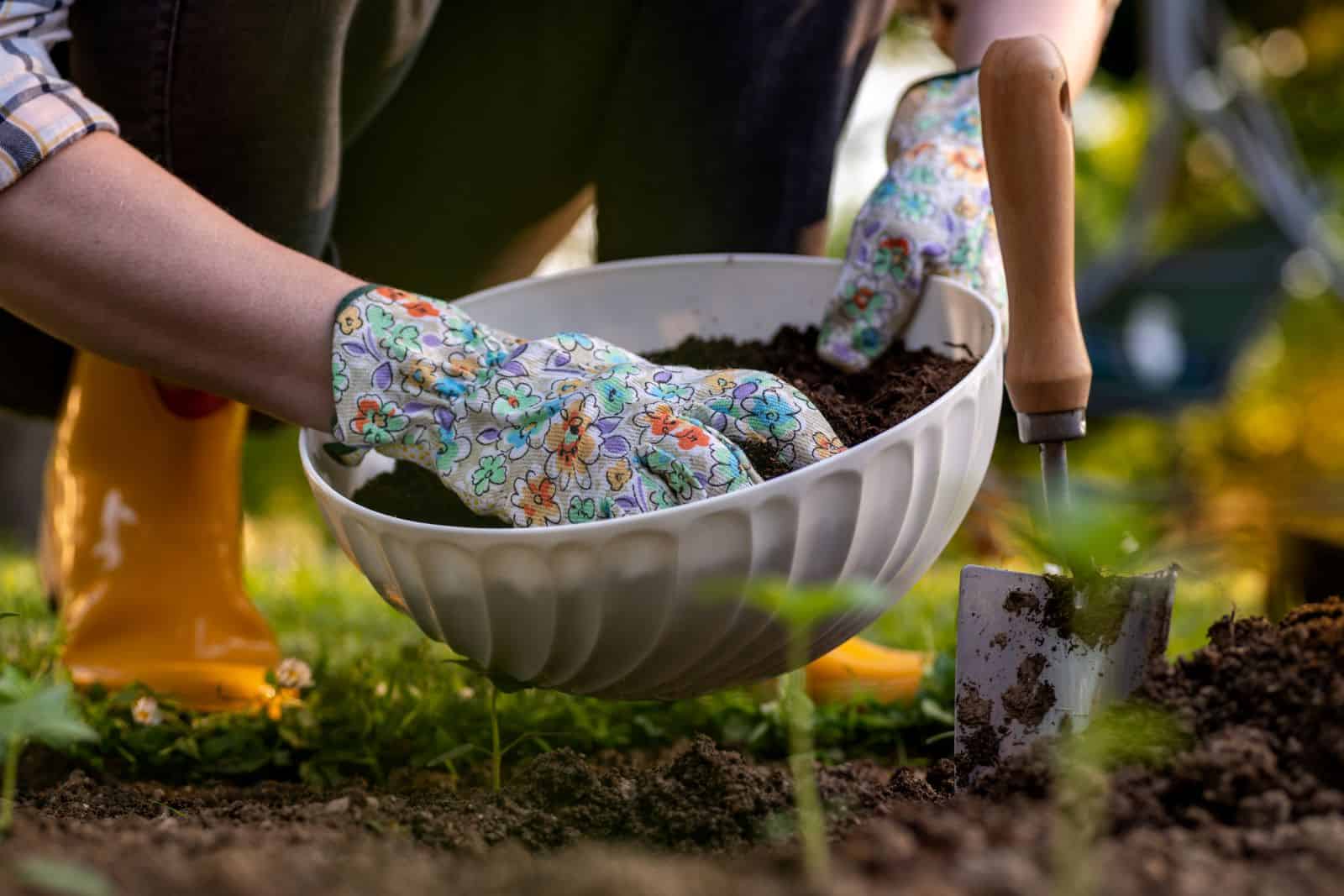
Planting your desired plants more densely is an effective way to prevent weeds from sprouting. When plants are placed close together, they tend to form a natural canopy that acts as a shade for the soil. This reduces the amount of sunlight that can reach the weed seeds. Ultimately, the process minimizes weed growth and encourages healthy plant development. Incorporating companion plants that grow well together can further enhance this strategy, creating a natural weed barrier and promoting a thriving, low-maintenance garden.
Use a Weed Torch

A weed torch is a tool that features a long wand with a handle at one end and a burner head at the other. The wand connects to a liquid propane source, which ignites at the burner head to produce intense heat. This concentrated heat is directed at weeds, causing the green growth to wither and die. While not completely free, investing in a weed torch is a long-term, chemical-free solution for efficiently eliminating weeds, especially in driveways and walkways.
Use Corn Gluten Meal

Corn gluten meal is a useful method for the prevention of both broadleaf and grassy weeds by inhibiting seedling development. It works by damaging the roots of emerging seedlings and prevents them from forming a healthy root system. However, it does not affect established weeds that have already sprouted and developed roots. By applying it early in the growing season, it is possible to reduce the chances of new weeds taking hold in your garden. This provides a natural, chemical-free method of weed prevention.