Homes from the 1910s often included rooms that don’t appear in today’s house plans. These spaces were designed for daily tasks and social customs that have since changed or disappeared.
Understanding these forgotten rooms helps you see how home life used to function and why certain spaces were once essential. Exploring them can give you a fresh perspective on how homes have evolved and what everyday life looked like in the past.
Advertisement
Parlor Room
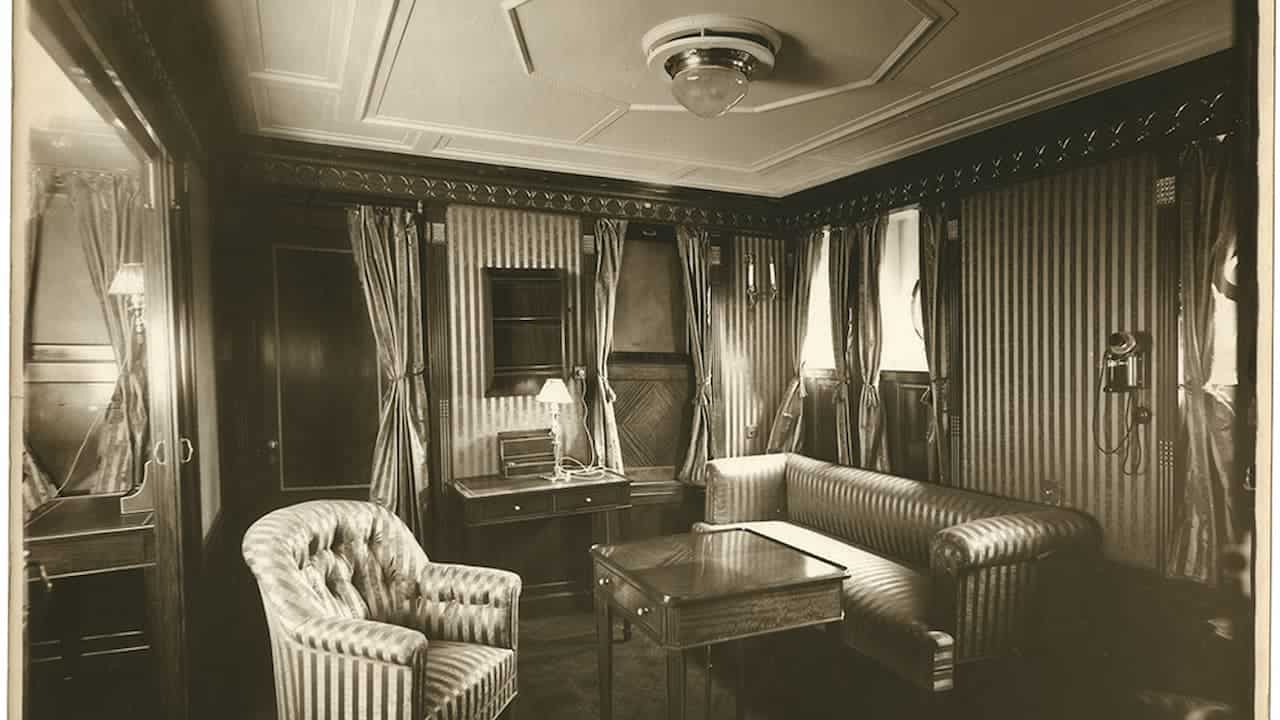
The parlor room was once the heart of social life in your 1910 home. It was where you would entertain guests and show off your finest furniture and art.
Today, its role has mostly shifted to the living room, but the parlor was more formal and focused on presentation. You’d use it for special occasions rather than daily family time.
Butler’s Pantry
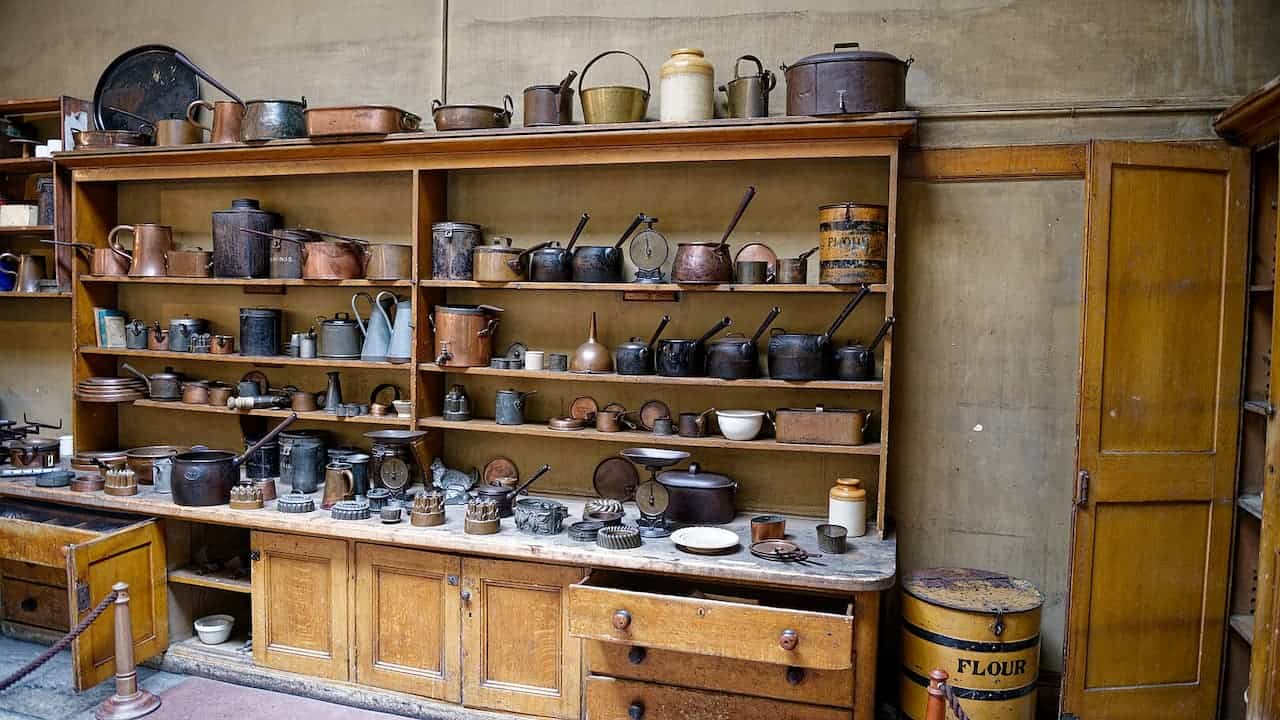
You might find a butler’s pantry tucked between the kitchen and dining room in 1910 homes. It was used to store dishes, glasses, and serving pieces, helping keep the main kitchen tidy.
This space was also perfect for staging meals and minor food prep. Today, you can still appreciate its charm, even if many people no longer use it for its original purpose. It’s a small room that added a lot of function back then.
Fainting Room
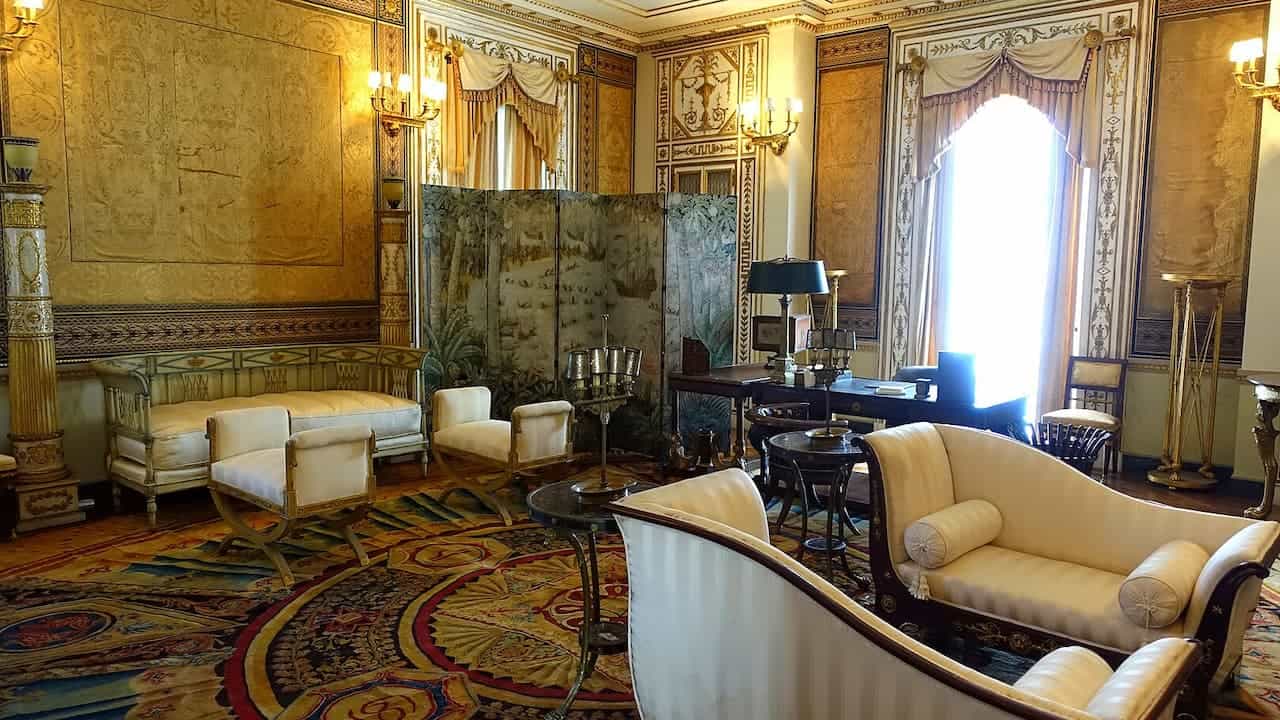
The fainting room was a common feature in early 1900s homes. It was designed as a private space where you could rest if feeling dizzy or faint.
These rooms usually had a fainting couch, a sofa with one arm and a back at one end, making it easy for you to recline.
While rare today, the fainting room reflects how homes once paid attention to comfort and health in a unique way.
Scullery
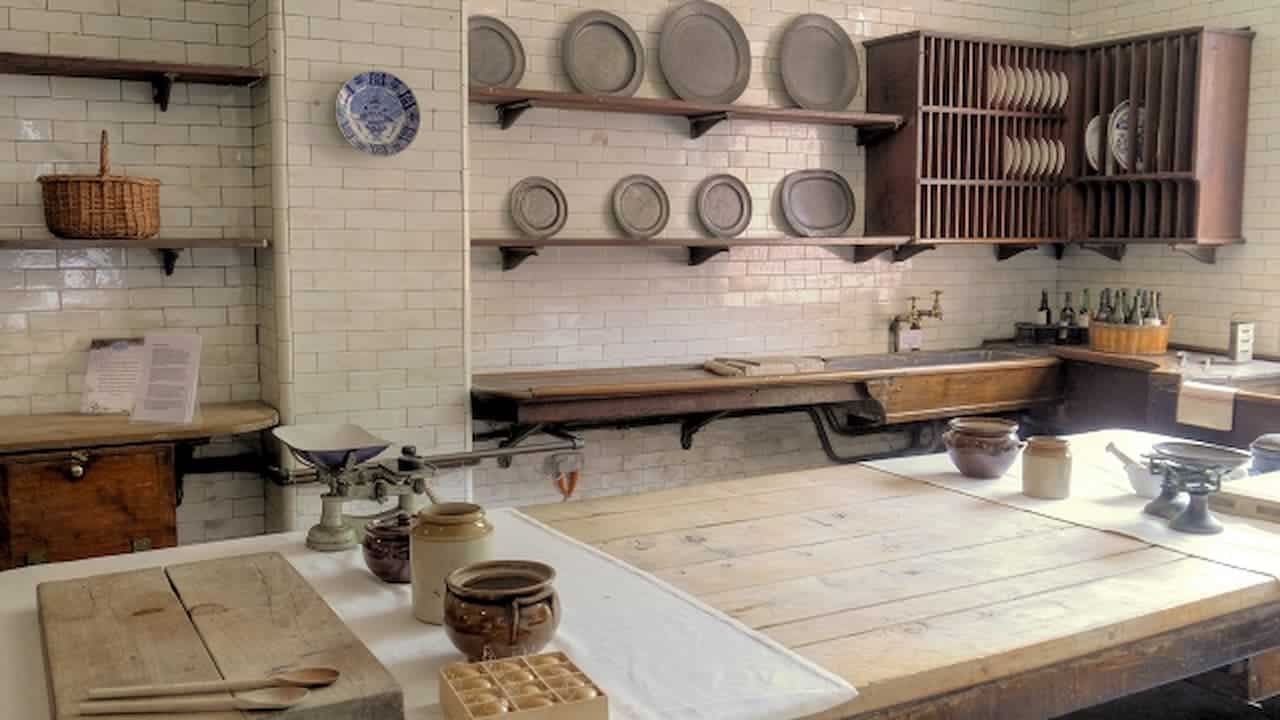
A scullery was a small room next to the kitchen where you washed dishes, pots, and pans. It was also used for preparing vegetables, fish, and game before cooking.
If your home didn’t have an outbuilding with a laundry area, you might have done washing here too. The scullery helped keep your kitchen cleaner and more organized by handling messier tasks.
Root Cellar
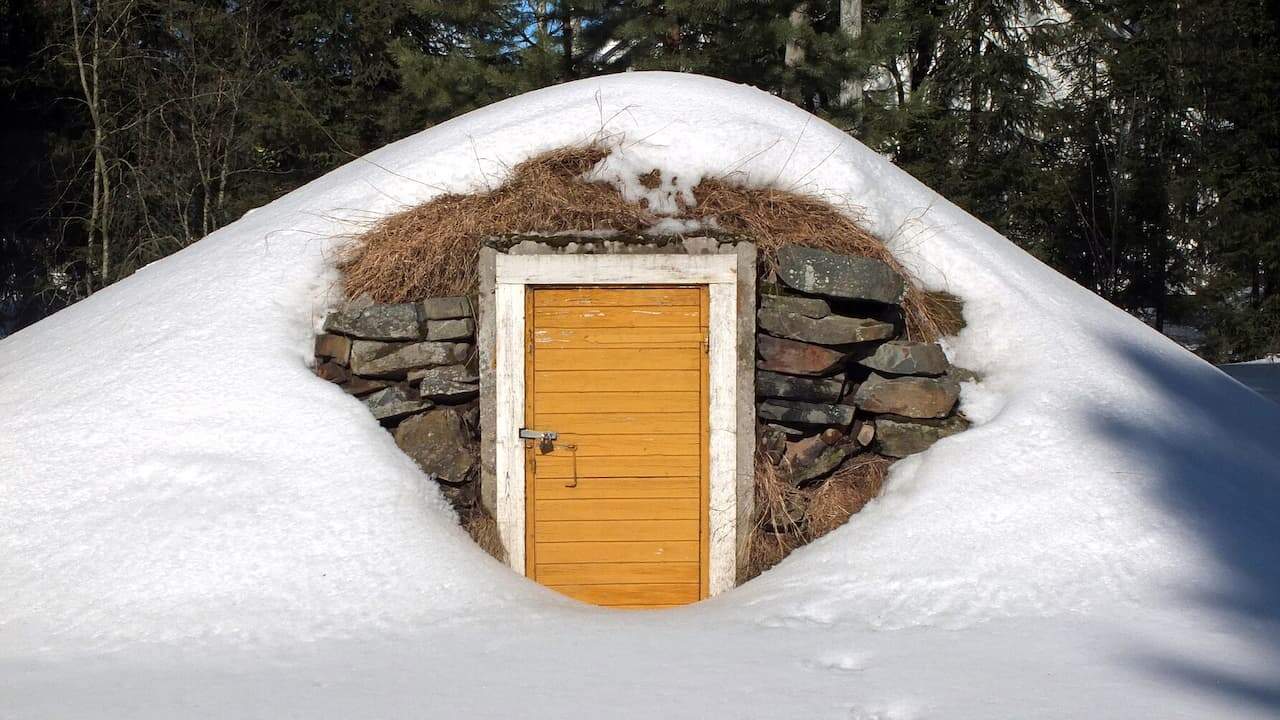
If you lived in 1910, a root cellar might be one of your most useful rooms. It was a cool, underground space designed to keep vegetables like potatoes and carrots fresh through winter.
You would rely on the earth’s natural insulation to maintain a steady, cool temperature without electricity. Root cellars were often built into hillsides or beneath your home. This simple storage solution helped families preserve food before modern refrigerators became common.
Ice Box
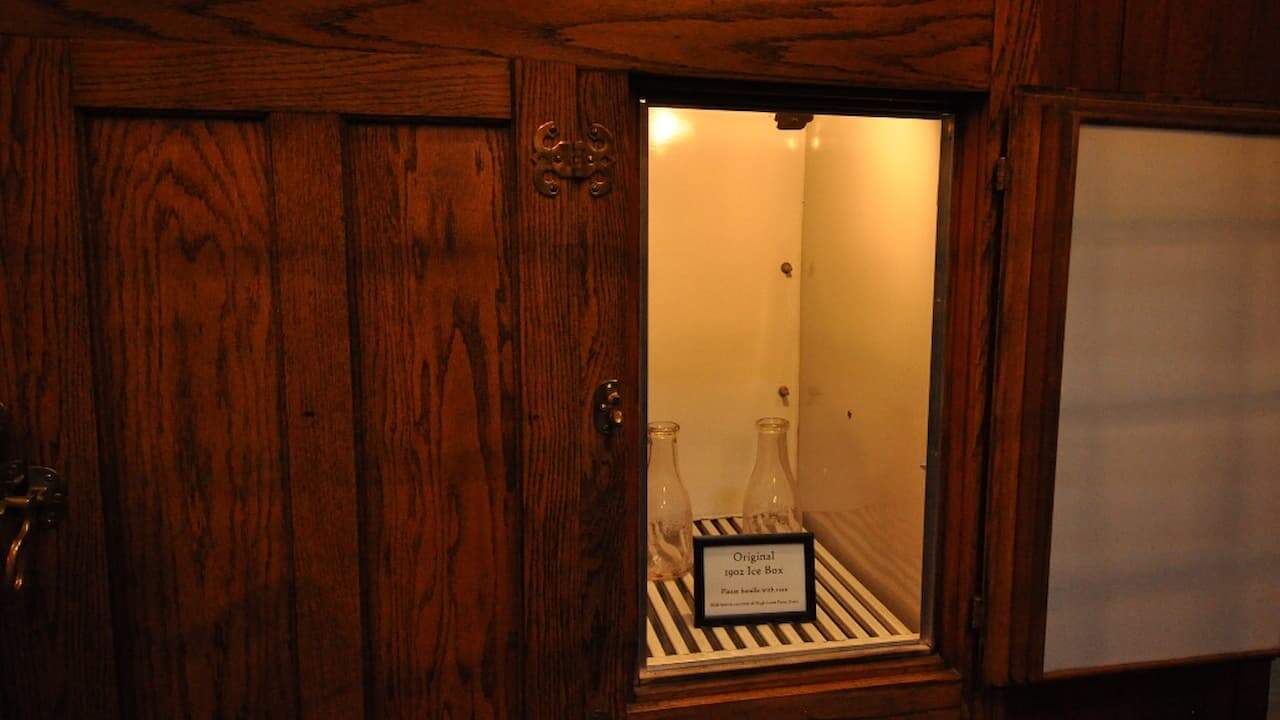
In 1910 homes, your kitchen likely had a special space for an ice box. This was an early form of a refrigerator, keeping food fresh using blocks of ice.
You might spot a small exterior door on the outside of your house. This was where the iceman delivered ice without coming inside, which helped keep your kitchen clean.
Your ice box worked by storing large blocks of ice, often harvested from lakes in winter. This helped preserve meats and dairy in your home long before electric refrigerators.
Telephone Nook
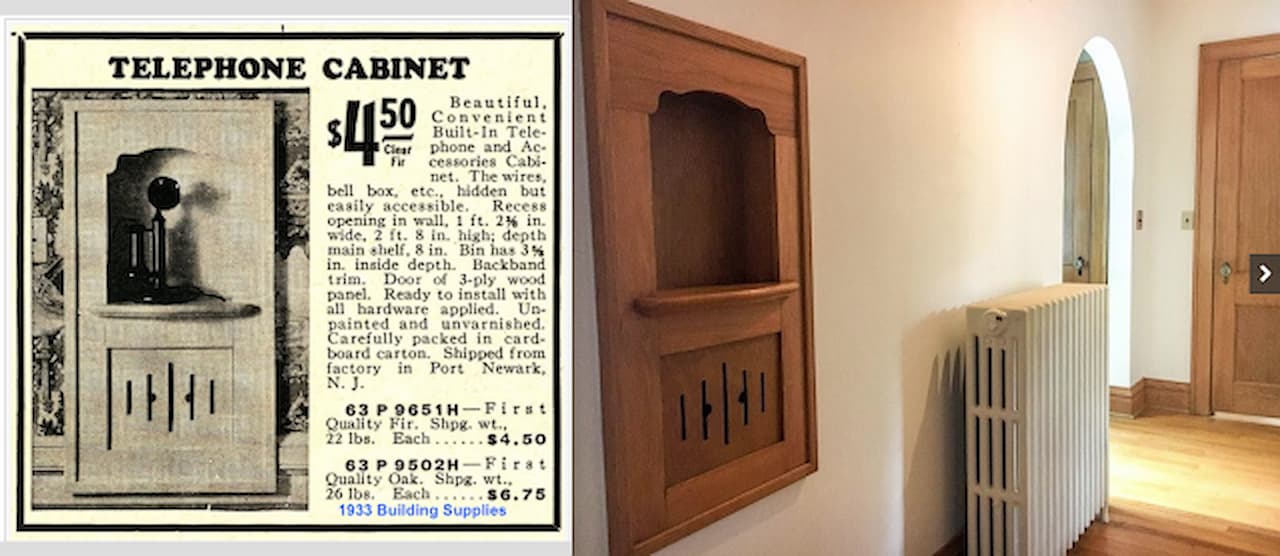
You might notice a small built-in alcove or shelf in older homes, often in a hallway. This was the telephone nook, designed to hold the bulky, corded landline phone and the phone book.
Back then, phones stayed in one spot, so this nook made it easy for your family to gather around and use the single household phone. Today, it feels outdated but offers a charming glimpse into everyday life from over a century ago.
Coal Basement
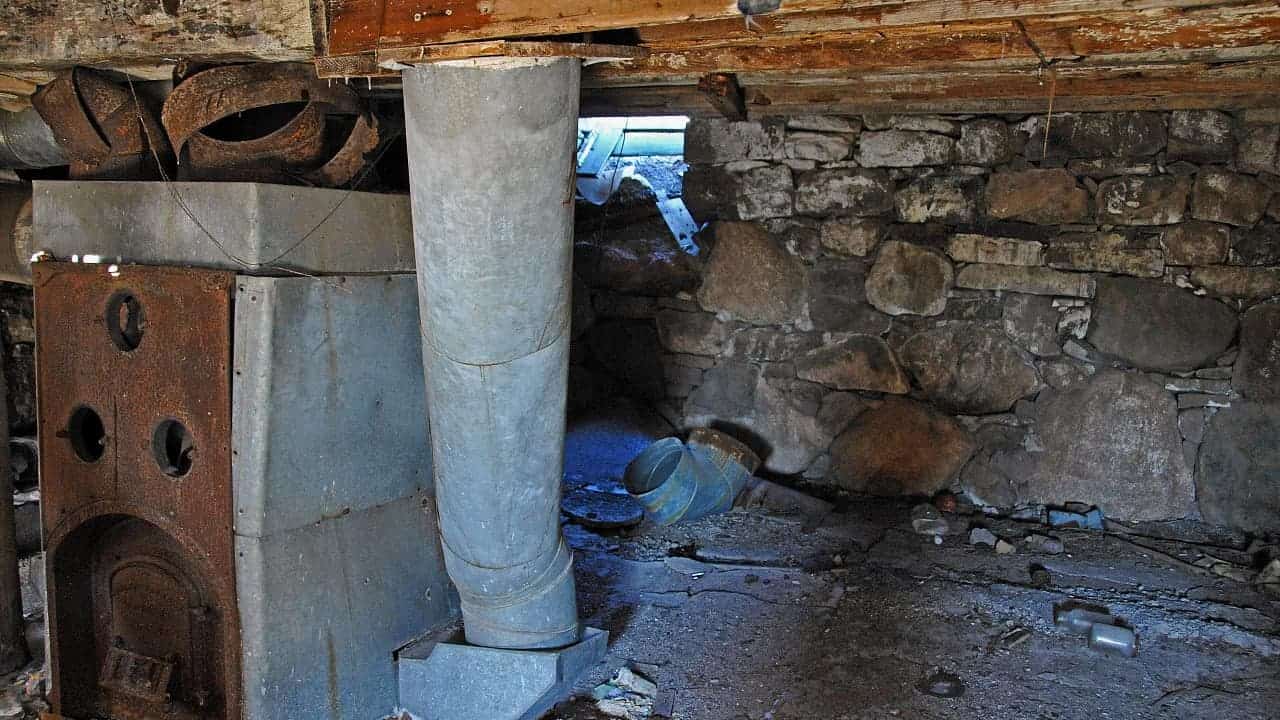
In homes from around 1910, the coal basement was a practical space for storing coal used to heat the house. You’ll often find a small exterior door nearby, called a coal chute, for easy delivery.
These rooms were usually simple, with dirt or concrete floors and a drain to handle coal dust or water. You might notice small windows to let in cool air for storage.
Stair Dust Corner
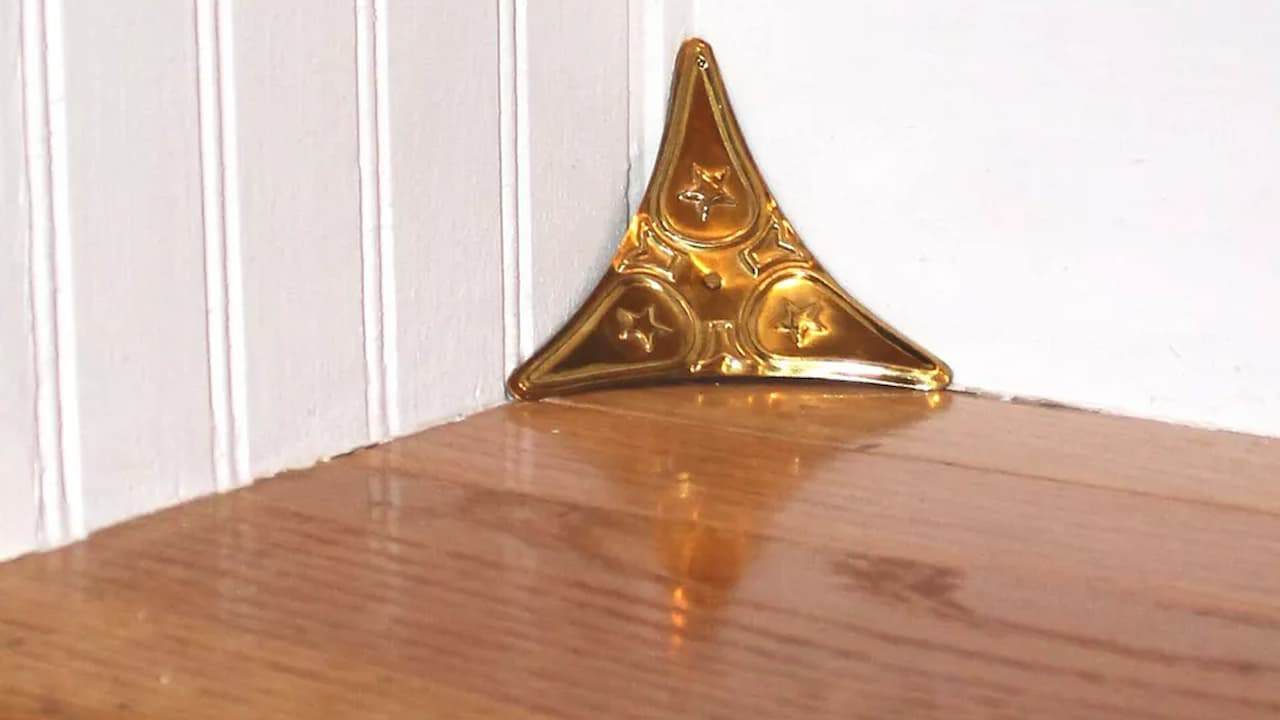
You might notice small, triangular metal pieces at the corners of stair steps called stair dust corners. They fit snugly into the step corners to prevent dust buildup, making cleaning easier.
These pieces were common in early 1900s homes and add a subtle charm to your stairs. If your home has original stairs, installing or preserving these corners can keep your space cleaner with less effort.
Mail Slot
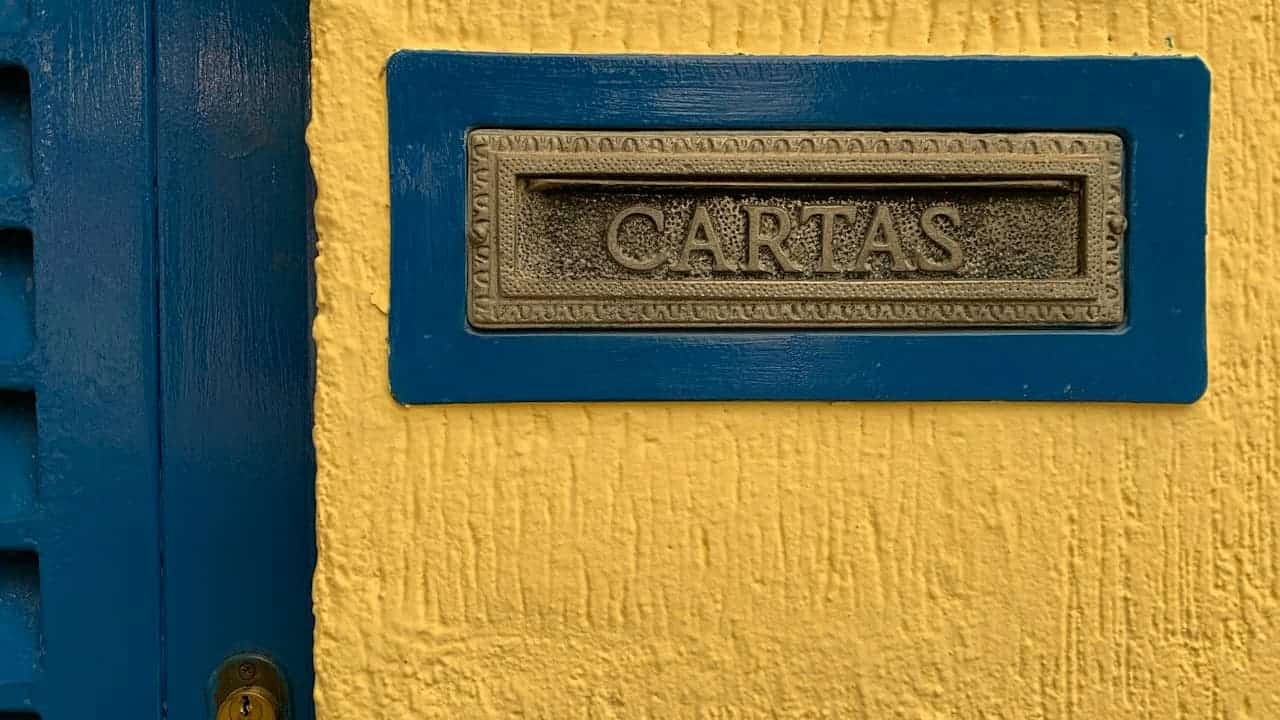
You might find a mail slot on older homes from the 1910s, a simple but clever feature. It lets mail come right inside, keeping your entryway tidy and free from clutter.
No need for an outdoor mailbox or worries about letters blowing away. In busy neighborhoods, mail slots also save time for carriers by avoiding extra steps to your door.