Have you noticed that your favorite grocery store items are vanishing from the shelves? Changes in supply and demand, environmental challenges, and evolving consumer preferences are all playing their part in reshaping what you find in stores.
As you navigate the aisles, it’s important to stay informed about which products might be disappearing soon. Knowing what’s becoming scarce helps you plan your shopping wisely and adapt to new trends in the food market. Keep an eye out, and you might just spot these changes the next time you head to the store.
Advertisement
1. Orange Juice
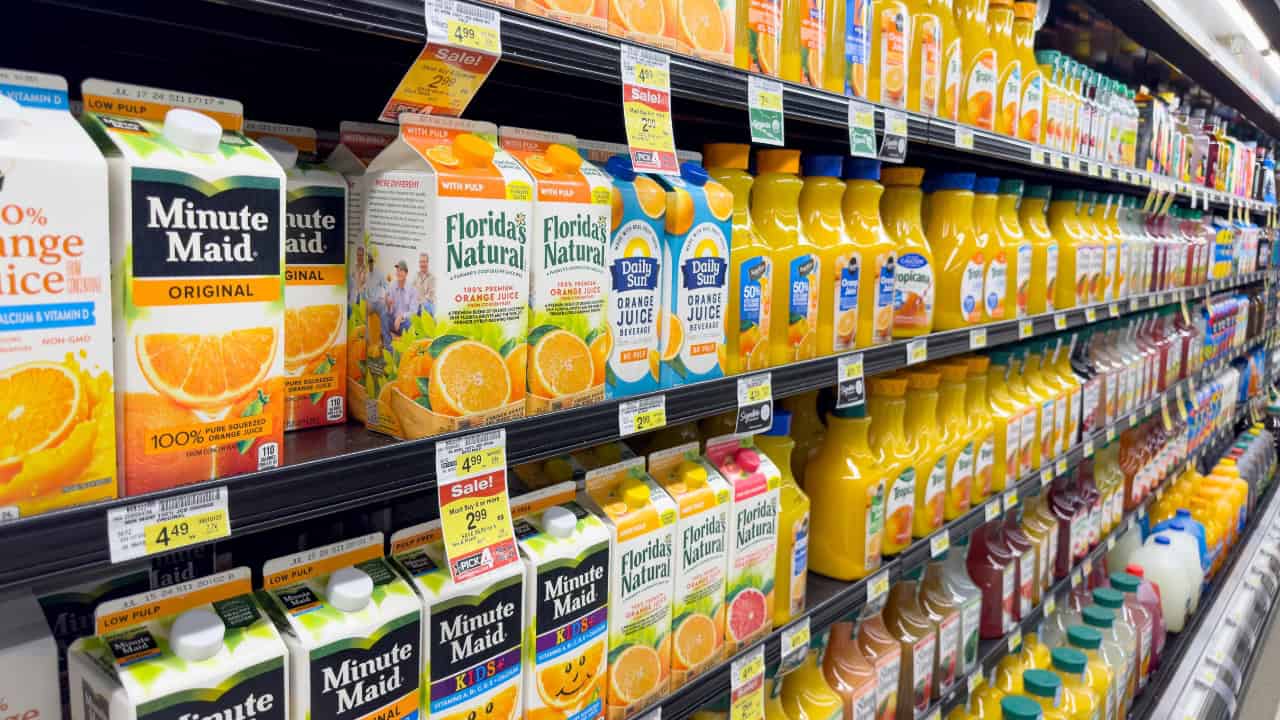
You might have noticed that your favorite orange juice brand is becoming harder to find. The orange juice market is facing some challenges right now. Factors like changing tastes, natural disasters, and limited crop production are making it tough for producers to keep up.
These issues mean even the big name brands are in danger of disappearing from the shelves. With shifts in climate affecting orange crops, there’s been a noticeable drop in availability. You may find yourself trying different juice brands or exploring alternatives.
Keep an eye out next time you’re grocery shopping, especially if you have a go-to brand. It might be worth stocking up a little when you see it, or being open to trying new options.
2. Canned Tuna
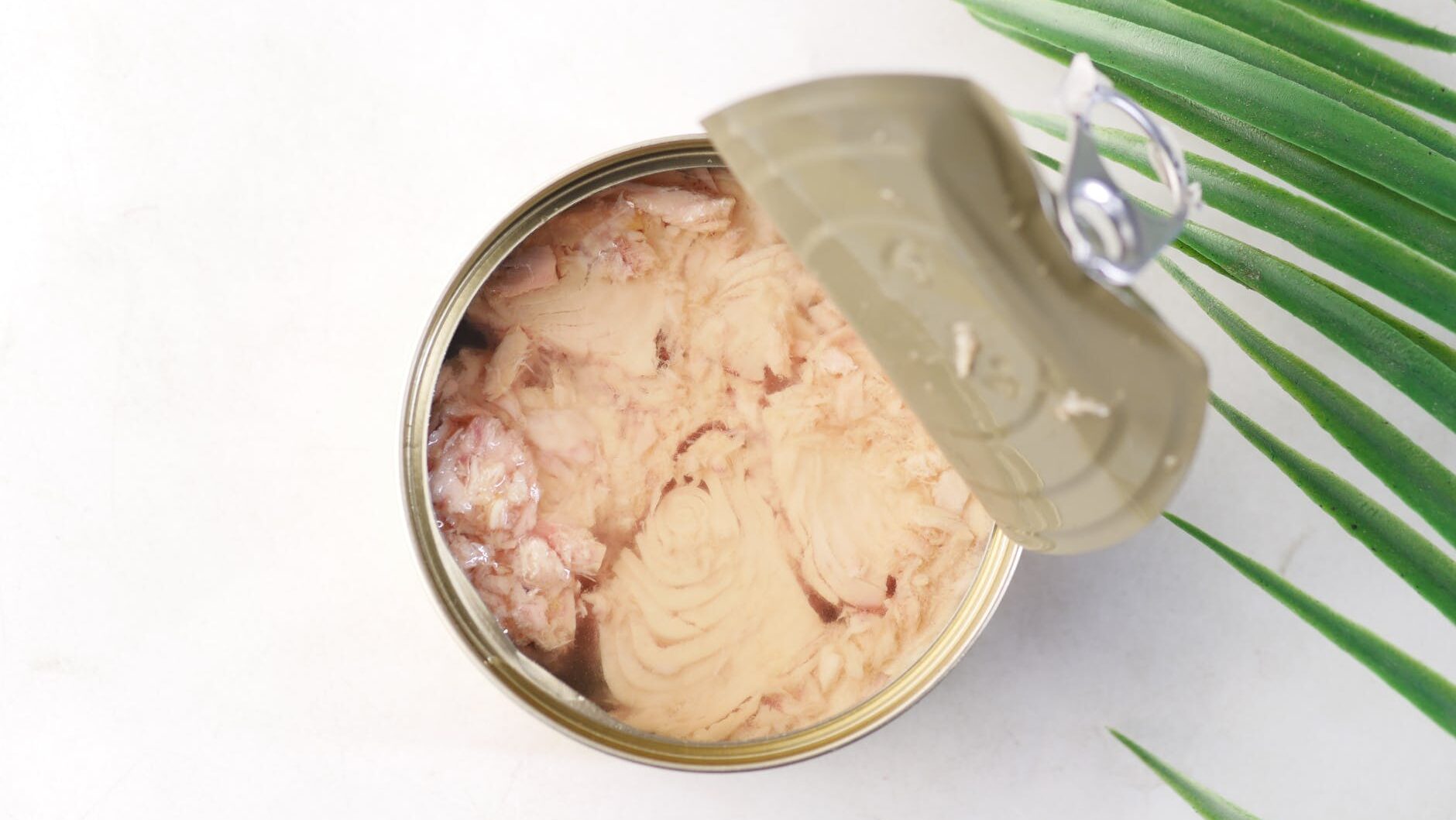
Canned tuna has been facing some challenges lately. You might notice it missing from shelves at your local store. One reason is the recent recall affecting major retailers like Walmart and Trader Joe’s.
This recall is due to concerns about botulism contamination, posing a serious health risk. Products at several popular grocery chains, including Costco, are involved.
Such recalls inevitably cause disruptions in availability, making canned tuna especially hard to find. Safety precautions come first, so make sure to check any canned tuna you might have for potentially affected lot numbers and dispose of any questionable items. It’s always good to stay informed about food safety alerts.
3. Peanut Butter

Peanut butter is a staple in many households, but its availability might soon become more unpredictable. The reason behind this isn’t just increased consumption. Various factors such as weather-related crop disruptions and supply chain issues are playing a role.
You might notice your favorite brand running out of stock more frequently. This trend isn’t isolated to small brands; even major brands can face these issues. Some manufacturers are trying to combat this by diversifying their supply chains and sourcing.
Stocking up on a few extra jars when you see them available might not be a bad idea. Keep an eye out for any changes in package sizes or prices as well, as they can indicate shifts in supply levels. Peanut butter lovers may need to stay on their toes.
4. Berries
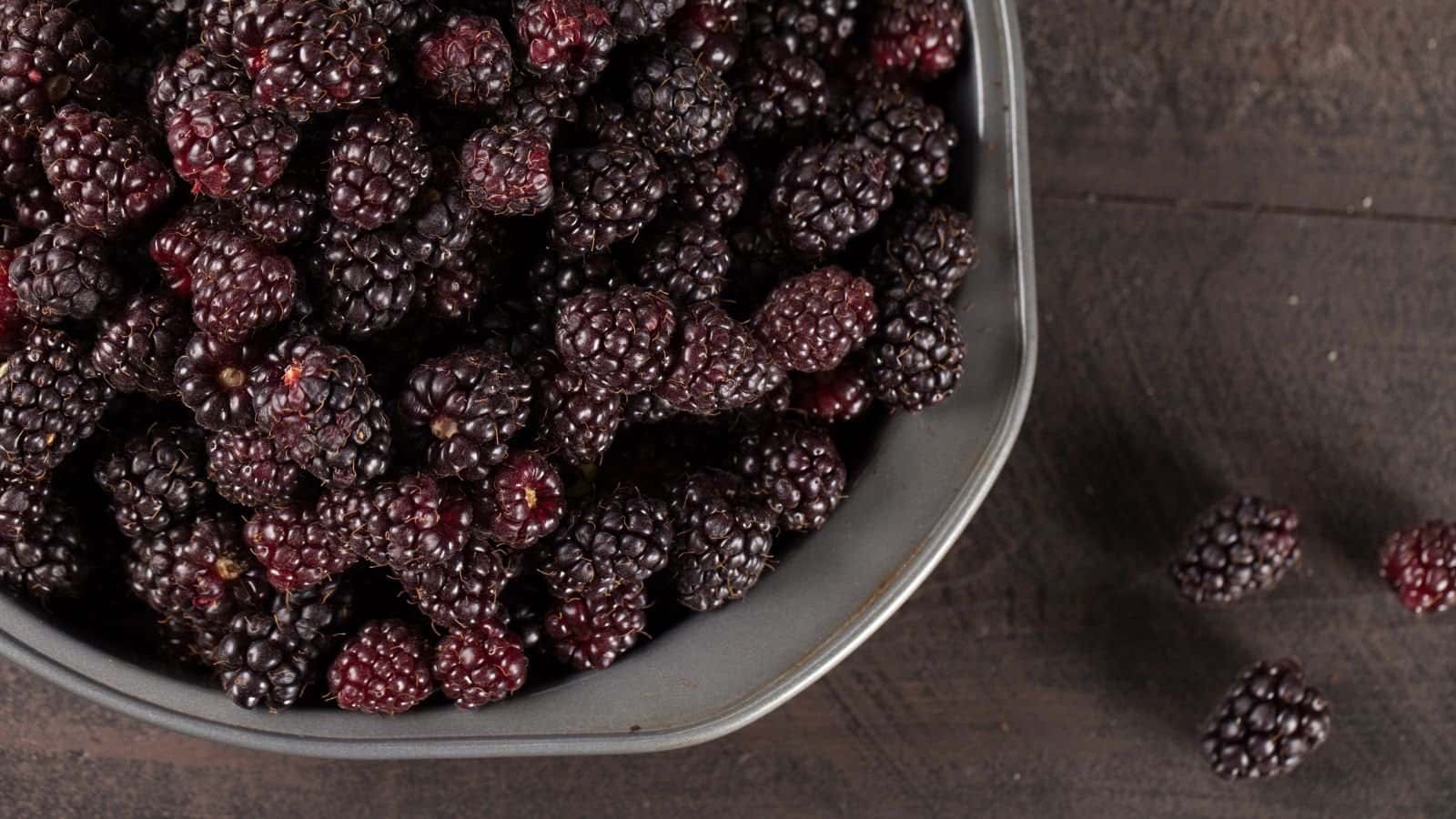
Berries have become increasingly difficult to find in grocery stores lately. These fruits are struggling with various supply chain issues. You might notice this impacting strawberries, blueberries, and even raspberries.
Climate change has played a significant role in this shortage. Changes in weather patterns disrupt berry production. Unpredictable temperatures can harm crops, influencing the number of berries that make it to shelves.
Transportation is another challenge affecting berry availability. Delays or disruptions in the transport network mean fewer berries arrive at the store when you’re ready to shop. Keep an eye out for these changes during your next grocery trip.
5. Almonds
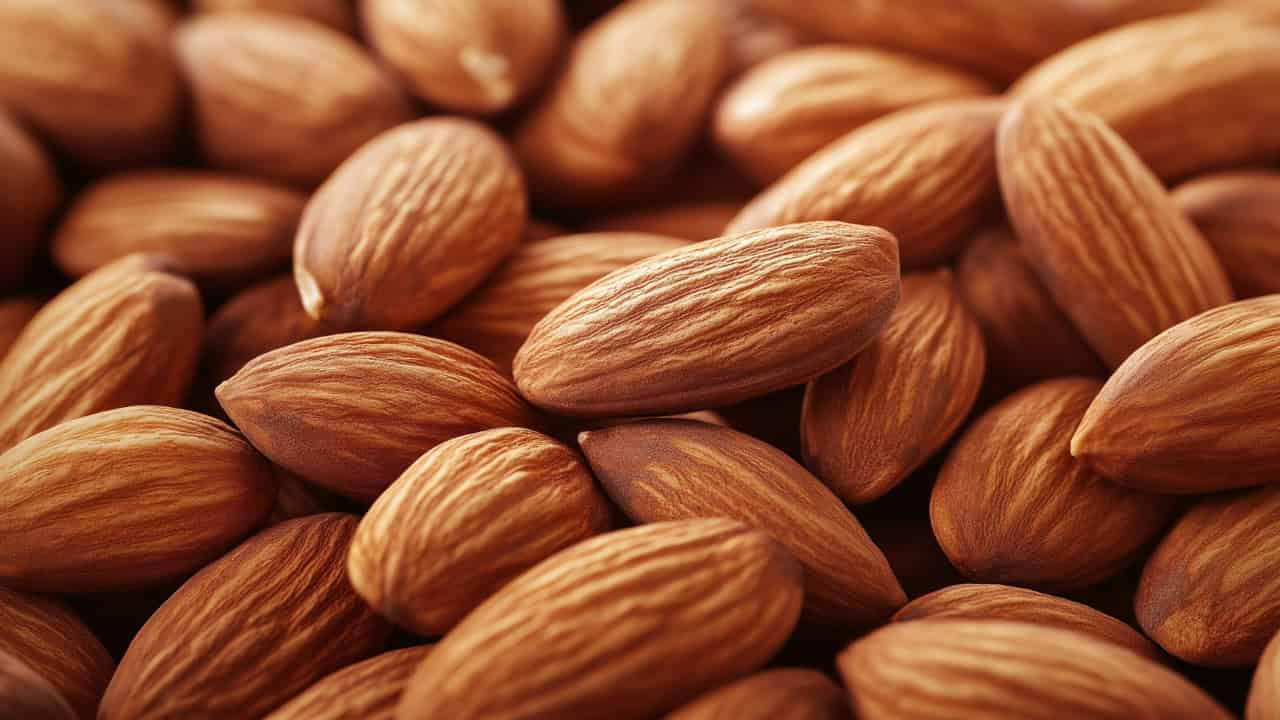
If you love almonds, you might want to pay attention to what’s happening with their availability. Almonds are known for being water-intensive to grow, and as water scarcity becomes a bigger issue, these nuts could become harder to find.
Almond farmers face challenges like droughts and expensive water costs, which might affect how many almonds make it to the store shelves. This could lead to higher prices or reduced supply over time.
Keep an eye on factors impacting almond production, especially if they’re part of your daily diet. Predictions indicate they might become less common in grocery stores, making it a good idea to explore alternatives for your nutty cravings. For further insights, take a look at this article discussing 6 Grocery Store Items That Could Be Harder to Find in 2025.
6. Bananas

You might soon find bananas missing from your grocery list. Climate change is putting pressure on banana-growing regions, leading to concerns about availability. The effects of extreme weather can disrupt banana production, making these fruits harder to come by.
Another issue is the lack of genetic diversity in banana plants. This uniformity makes them susceptible to diseases, which could wipe them off supermarket shelves. Such a scenario could mean empty banana bins at your local store. Learn more about this from scientific warnings.
Keep an eye out for shortages, as bananas might become less of a staple in your kitchen. These challenges hint that bananas could be one of the next items to disappear from grocery stores, along with other tropical produce mentioned in news reports.
7. Toilet Paper

Toilet paper is one of those essentials you might take for granted until it’s gone. You may still remember the shortage during 2020.
Recently, certain areas have started seeing a decrease in availability again. Several factors, like supply chain disruptions and increased demand, are contributing to this.
Keep an eye on the shelves, as this household staple might get harder to find. Consider stocking up a bit to avoid any sudden inconvenience. Always good to be prepared!
8. Butter

Butter shortages have been quietly spreading across grocery chains in recent years. According to Food Logistics, factors like labor shortages, lower milk production, and higher production costs are squeezing the butter supply. Even top brands have been impacted.
You might notice rising prices and fewer options in the dairy section. Some stores are also limiting bulk purchases. Butter-heavy holidays like Thanksgiving and Christmas typically worsen the scarcity.
If you’re an avid baker or just like your morning toast a certain way, it may be wise to grab a few extra sticks when they’re in stock. Alternatives like margarine or plant-based spreads might start taking up more shelf space.
9. Apple Juice

Apple juice may soon be another drink that’s harder to find. According to reports from the U.S. Apple Association, domestic apple production has declined, and imports of apple concentrate—mainly from China—have plummeted due to trade restrictions.
This double hit has left juice manufacturers scrambling. Some are blending in other juices to stretch the supply. You might also notice smaller container sizes and higher prices.
If you rely on apple juice for your kids’ lunchboxes or morning routine, now’s the time to stock up or explore alternative fruit juices that aren’t facing the same bottlenecks.
10. Packaged Deli Meats
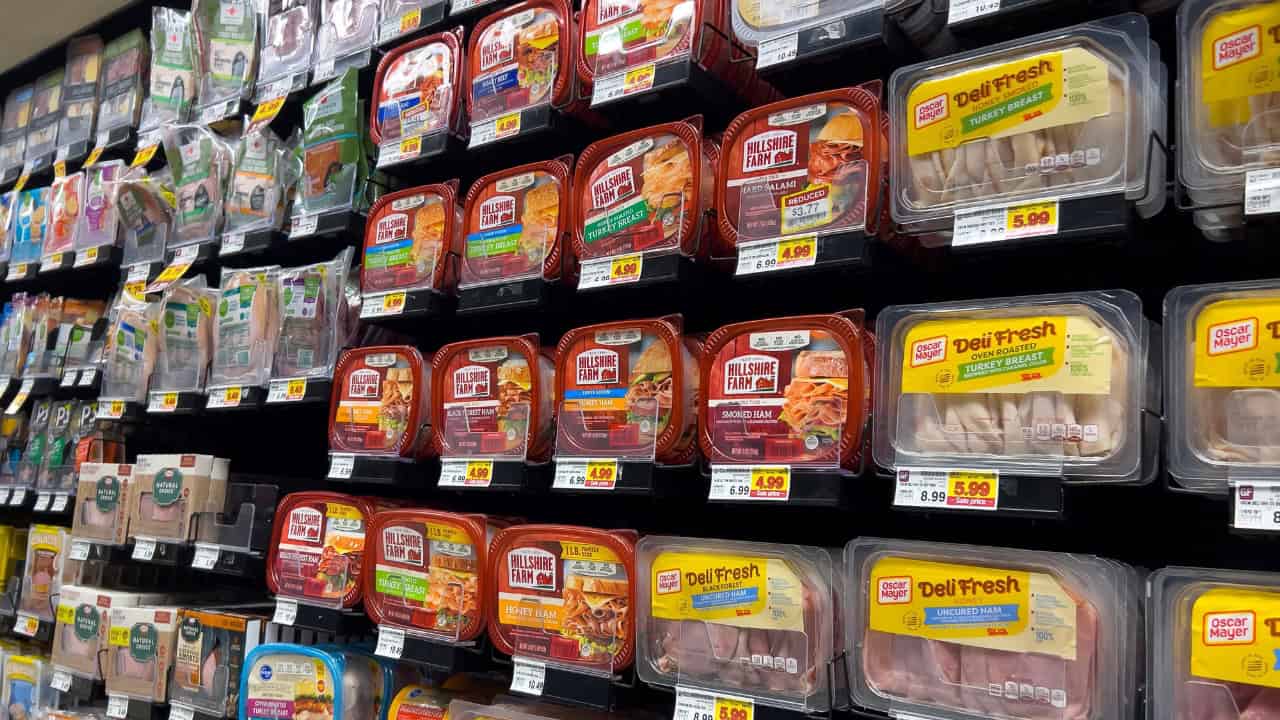
Packaged deli meats have been facing inventory issues at many major grocery retailers. Manufacturers are streamlining their offerings, which means fewer varieties and smaller shipments to stores. You may notice your favorite brand or flavor disappearing from shelves altogether.
For sandwich lovers, this means adjusting expectations or exploring alternatives like fresh-sliced meat from the deli counter—if available. Bulk buying and freezing could also help ensure you have some on hand.
11. Maple Syrup

Real maple syrup might soon become a luxury item. Environmental stress, particularly warmer winters and early springs, has disrupted sap collection in key regions like Vermont and Quebec. As reported by CBC News, 2024 saw one of the lowest yields in recent memory.
This shortfall is leading to tighter supplies and rising prices. With demand still high, especially during colder months, grocery shelves might be a little sparse.
If you’re particular about having real maple syrup over imitation products, consider buying it while it’s available—or prepare for steep prices in the coming months.
12. Rice

Rice shortages are starting to impact grocery stores globally—and the U.S. is no exception. A 2024 report by Reuters revealed that extreme weather in top rice-producing nations like India and Thailand has severely impacted exports.
With fewer shipments available, American retailers are struggling to keep rice products
*This article was created with the help of AI.