
Flowers can bring such beauty and vibrancy to your garden, but some varieties can be harmful to children and pets if ingested or touched. Whether you’re gardening with little ones running around or have curious pets exploring your yard, it’s important to know which flowers could be dangerous to your loved ones.
Here’s a list of 11 flowers that should be kept away from kids and pets to keep your garden safe and enjoyable for everyone.
1. Oleander
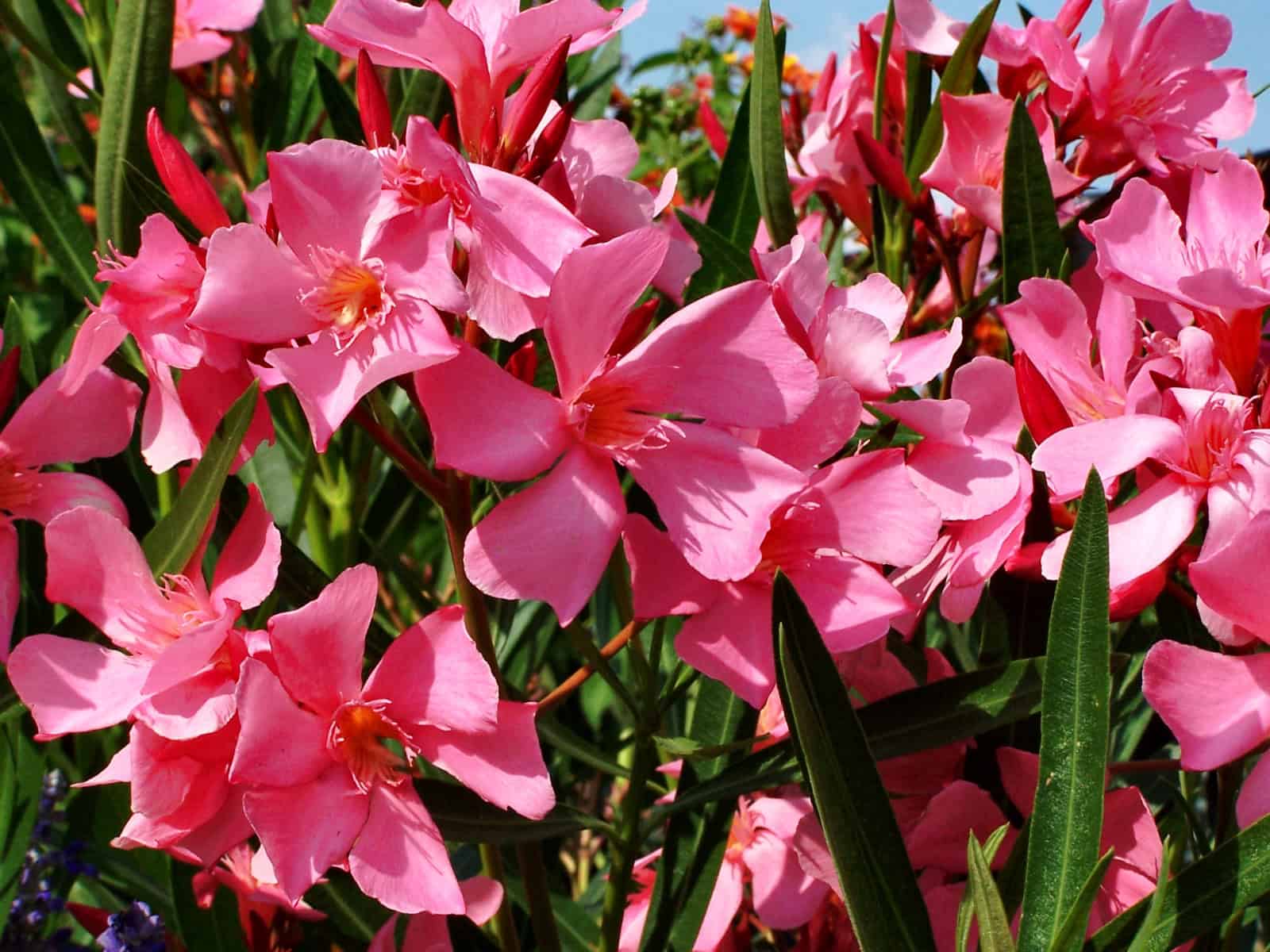
Oleander is known for its striking flowers and fragrant scent, but this beauty is extremely toxic. Every part of the plant—leaves, flowers, and stems—contains toxins that can cause nausea, vomiting, and heart problems if ingested. Even small amounts can be dangerous, especially for young children and pets.
If you have Oleander in your garden, make sure it’s in an area that’s off-limits to curious little hands and paws. Always wear gloves when handling it and be extra cautious when disposing of its parts.
2. Foxglove

Foxglove is another gorgeous garden flower with bell-shaped blooms, but it’s also one of the most dangerous plants you could have around kids and pets. The plant contains compounds that affect the heart and can cause nausea, vomiting, and even death if consumed.
Keep Foxglove in a spot that’s out of reach, and wear gloves when handling the plant. Make sure to dispose of clippings and dead flowers carefully, as the toxins can remain potent even after the flowers fade.
3. Daffodil

Daffodils are a classic spring flower with their cheerful yellow blooms, but their bulbs contain lycorine, a substance that can cause vomiting, diarrhea, and stomach pain if ingested. If a pet or child eats the bulb, they could experience serious gastrointestinal distress.
When planting Daffodils, make sure the bulbs are kept out of reach of little hands and paws. Wear gloves while handling them and keep them in a place where they’re not easily accessible.
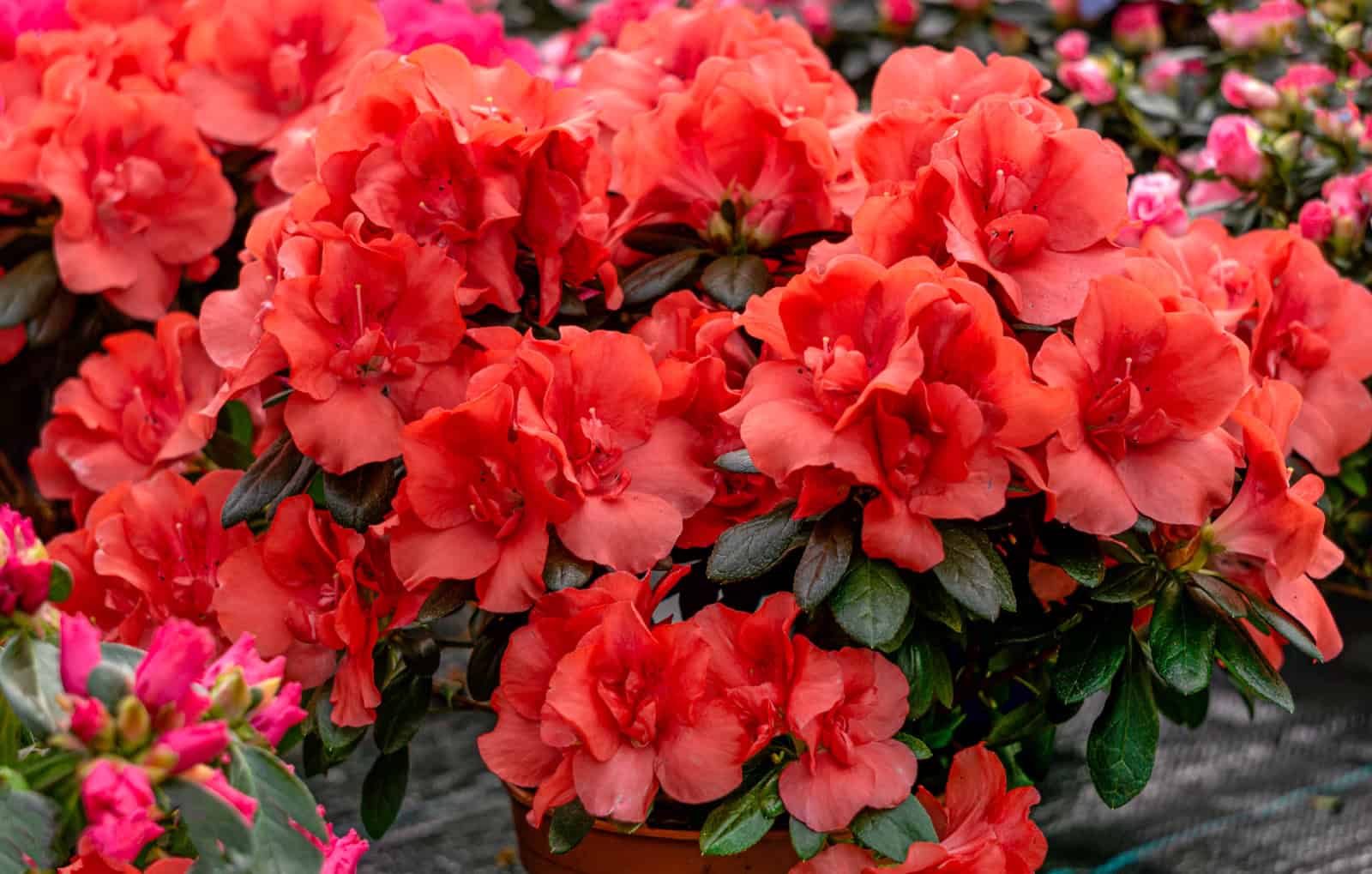
4. Azalea

Azaleas are lovely flowering shrubs, but they contain grayanotoxins, which can cause vomiting, drooling, and even more severe reactions like heart problems if ingested. Pets, especially dogs, may be drawn to the colorful flowers, but they can be harmful if consumed.
To keep your garden safe, plant Azaleas away from play areas and ensure pets and children don’t have access to the plants. Always wear gloves when trimming or handling them.
5. Angel’s Trumpet

Angel’s Trumpet is a stunning plant with large, trumpet-shaped flowers that can add a dramatic touch to your garden, but it also contains toxic alkaloids that can cause hallucinations, confusion, and even death if ingested. All parts of the plant—flowers, leaves, and seeds—are dangerous.
This is one flower to keep far out of reach, especially if you have curious children or pets. Wear gloves when working with it, and take care when disposing of plant material.
6. Wisteria
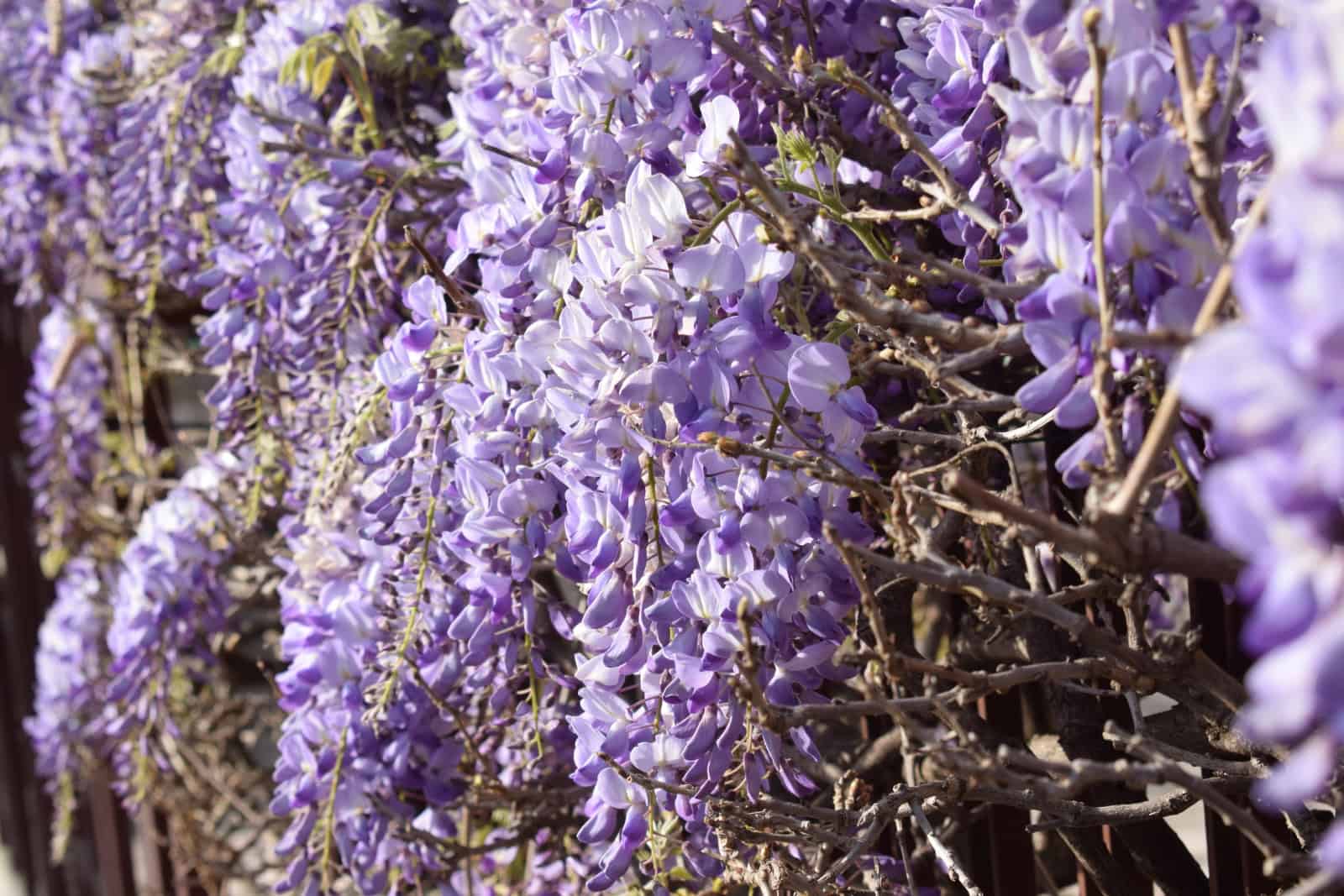
Wisteria is a beautiful, climbing plant that produces stunning purple flowers, but its seeds and pods are highly toxic. If consumed, they can cause nausea, vomiting, and dizziness. Pets, especially dogs, may be drawn to the seeds, so it’s important to plant Wisteria carefully.
If you love Wisteria, make sure it’s in a part of the garden where kids and pets won’t have access. And always keep an eye on the seeds, especially in the fall when they start to drop.
7. Chrysanthemum

Chrysanthemums are a popular fall flower, but they can be harmful to pets, particularly cats and dogs, if eaten. The plant contains pyrethrins, which can cause drooling, vomiting, and diarrhea. While the flowers themselves aren’t as dangerous as some other plants, ingestion can still cause discomfort.
If you have pets, consider planting Chrysanthemums in raised beds or hanging baskets where they’re out of reach. Always be mindful of where the flowers fall as well.
8. Hydrangea

Hydrangeas are known for their large, colorful blooms, but they can be toxic if ingested. The flowers and leaves contain cyanogenic glycosides, which release cyanide when broken down in the body. Ingesting parts of the plant can cause nausea, vomiting, and even respiratory problems.
Plant Hydrangeas in a location that’s difficult for children and pets to reach. Keep an eye on fallen flowers and leaves to prevent accidental consumption.
9. The Autumn Crocus

The Autumn Crocus may look like a harmless fall flower, but it’s far from it. The plant contains colchicine, a potent toxin that can cause severe digestive issues, kidney failure, and even death if ingested. The bulbs, in particular, are highly toxic and should be kept away from children and pets.
While beautiful, it’s best to plant Autumn Crocus in a space where access is limited. Be careful when handling the bulbs and ensure they’re buried deep in the soil.
10. Calla Lily

Calla lilies are elegant flowers with a distinct shape, but they contain calcium oxalate crystals, which can cause irritation to the mouth and throat if ingested. If pets or children nibble on the leaves or flowers, they could experience swelling, difficulty swallowing, and intense discomfort.
To avoid accidents, plant Calla Lilies in a garden where kids and pets don’t play. Wear gloves when working with them, especially if you’re cutting or handling their flowers.
11. Lantana
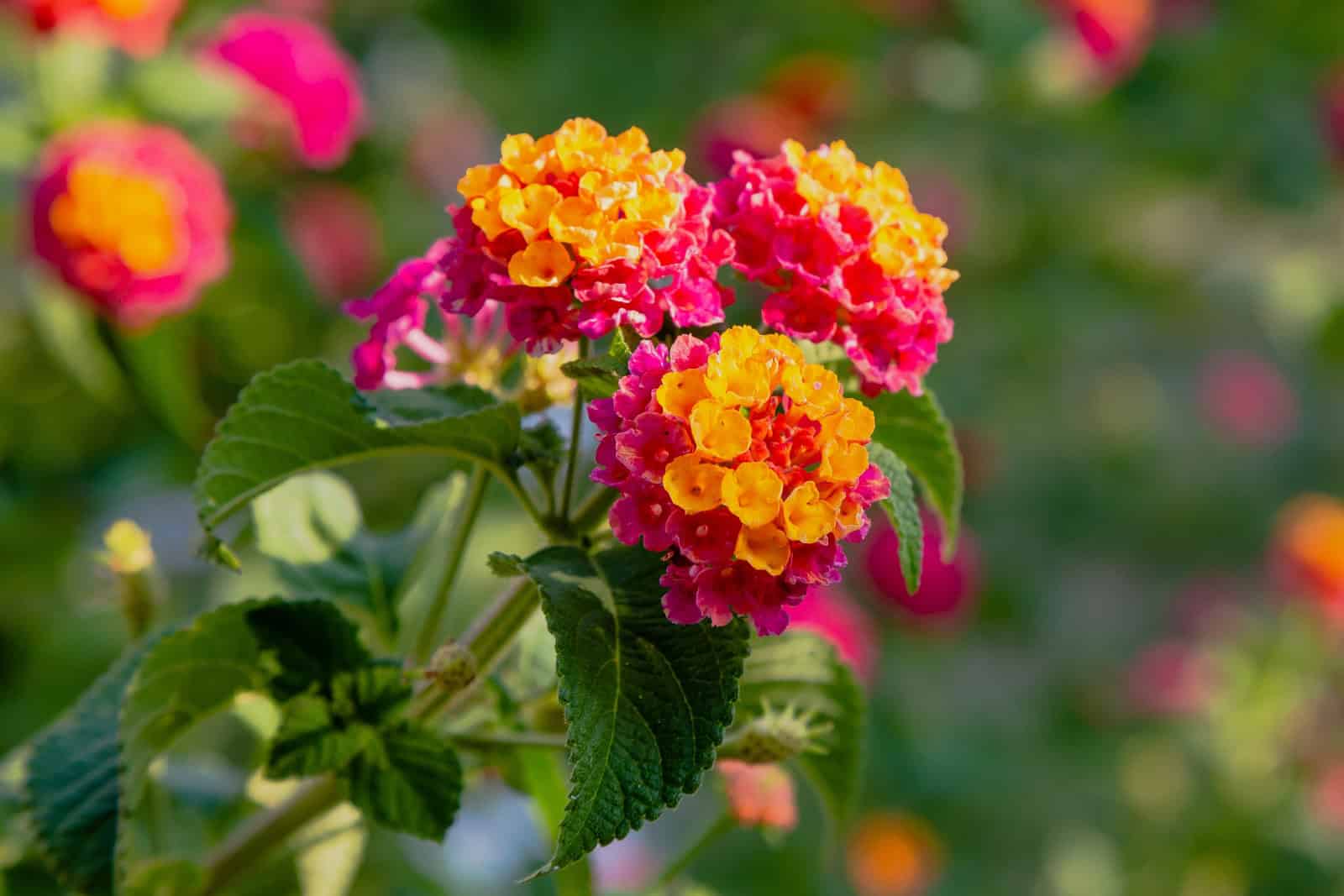
Lantanas are beautiful, colorful flowers often used in landscaping, but they contain compounds that can be toxic to both pets and humans if eaten. Ingesting the berries or leaves can cause nausea, vomiting, and even liver damage in severe cases.
Plant Lantanas in areas that are inaccessible to pets and children. Keep a close eye on fallen berries, especially during harvest seasons.
*This article was created with the assistance of AI.