As global temperatures climb, the threat of wildfires has become an increasingly critical concern for homeowners, particularly those residing in arid regions. With hotter summers becoming the new norm, fire-resistant landscaping, also known as firescaping, is gaining prominence.
Firescaping involves creating a defensible space that reduces your property’s vulnerability to catching fire, either from direct flame contact or the radiant heat of a nearby wildfire. This blog will introduce you to ten landscaping ideas that can not only help your yard look beautiful but also stand up against the scorching summer heat and potential wildfires.
Advertisement
1. Choose Fire-Resistant Plants

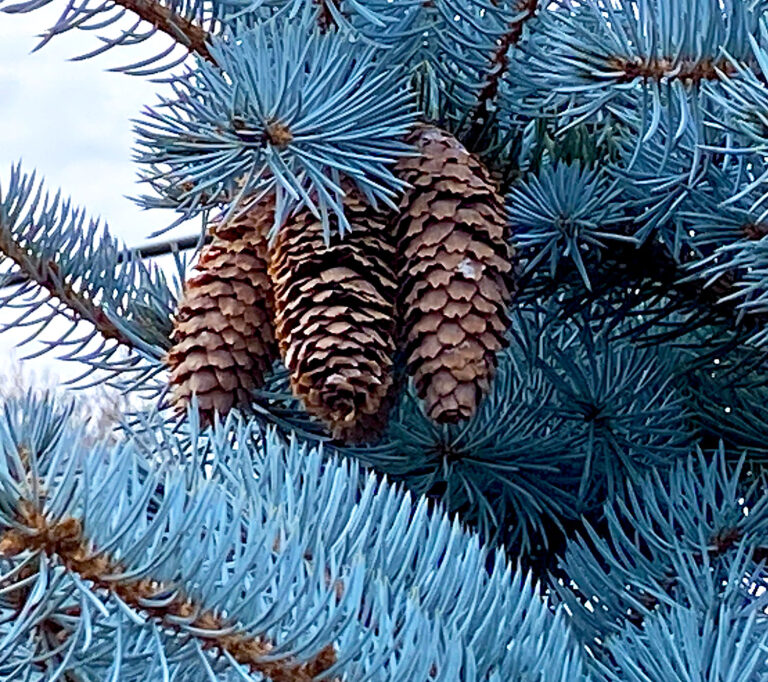
Not all plants are created equal when it comes to fire resistance. Some are highly flammable, while others are more resistant to fire. For example, succulents like aloe, ice plants, and agaves retain a lot of moisture, making them less likely to catch fire. On the other hand, plants like junipers and pines, which contain resins and oils, can be highly flammable.
When selecting plants for your garden, consider their fire resistance as well as their aesthetic appeal. In addition to succulents, deciduous trees and shrubs that shed their leaves in the fall are generally more fire-resistant than evergreens. These include maples, poplars, and dogwoods. However, remember that no plant is entirely fireproof, and proper maintenance is crucial to minimize fire risk.
2. Maintain a Safe Distance Between Trees and Structures
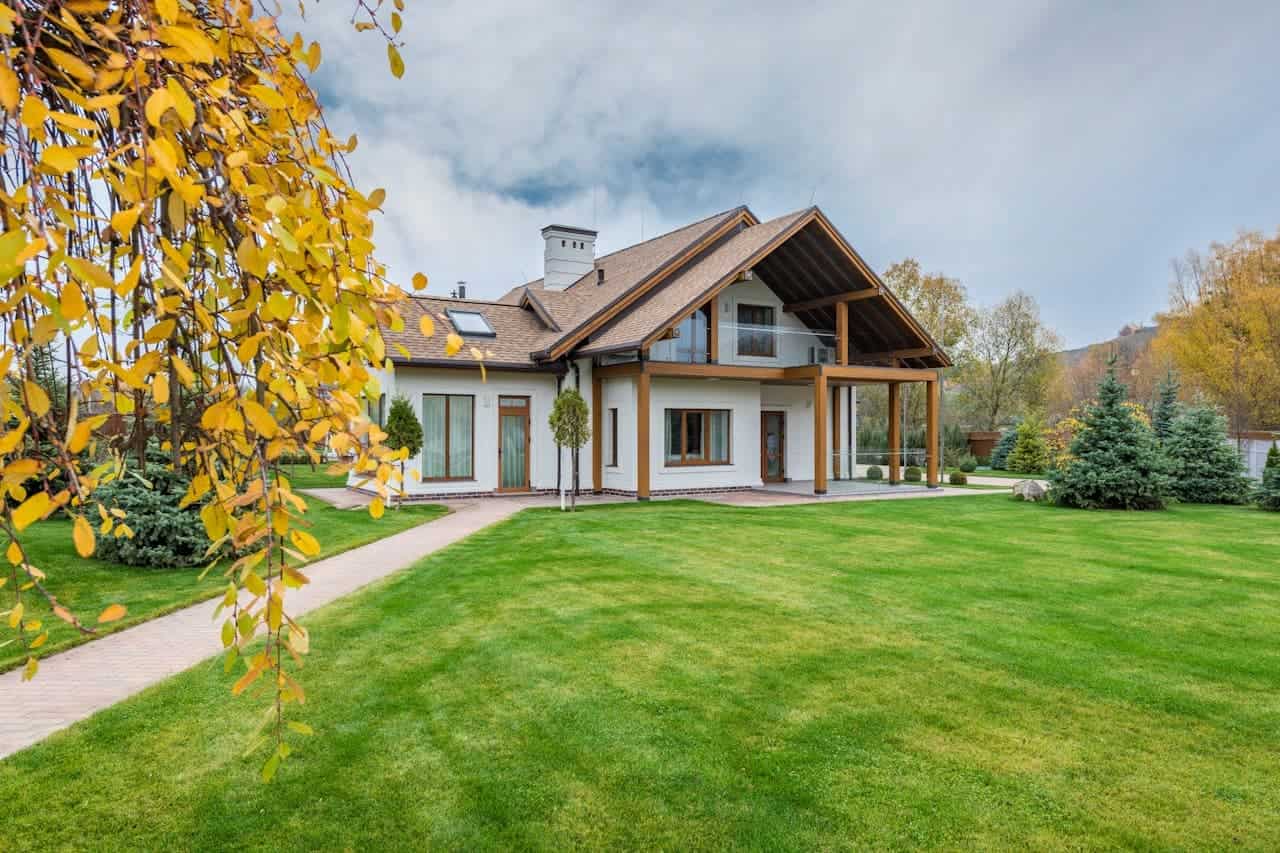
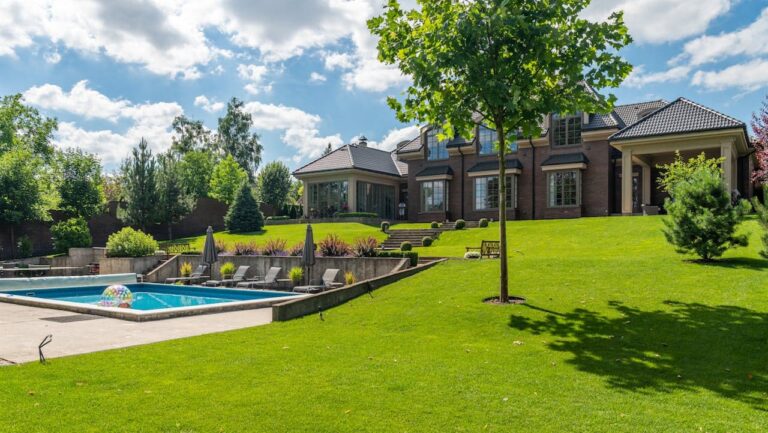
The distance between your home and the trees on your property can significantly influence the fire safety of your yard. Fire experts recommend maintaining a distance of at least 10 feet between structures and trees. This space can help prevent a fire that starts in a tree from spreading to your home or vice versa.
When planting new trees, consider their mature height and spread. Plant them far enough away from any structures so that they will still be at a safe distance when fully grown. Also, ensure that tree branches do not hang over your roof or touch your home. This rule applies to both deciduous trees and evergreens, although evergreens typically require more space due to their higher flammability.
3. Use Mulch Wisely
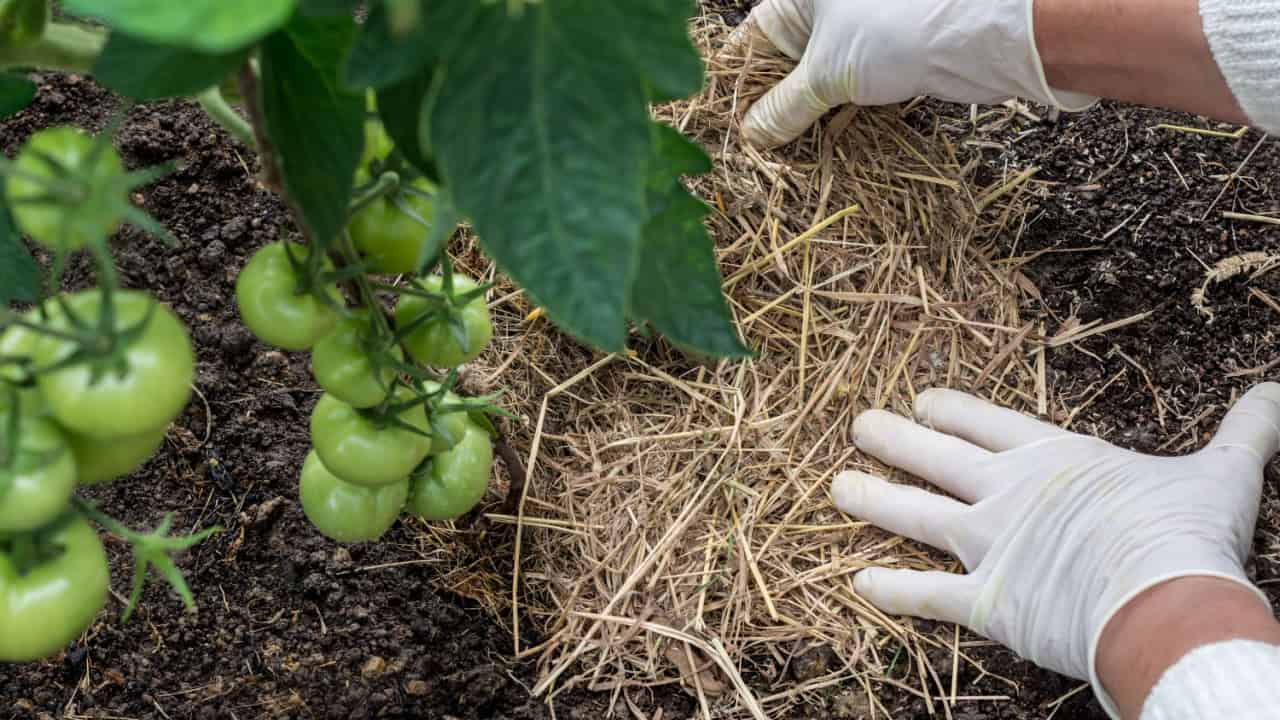
Mulch can help retain soil moisture and suppress weed growth, but some types of mulch are highly flammable. Avoid using shredded bark or pine straw near your home or other structures. Instead, opt for less flammable alternatives such as gravel or rock, particularly in areas within five feet of structures.
While mulch can be a fire hazard, it also has benefits. It can help soil retain moisture and suppress weed growth, both of which can help reduce fire risk. If you choose to use wood or bark mulch, maintain a thin layer and keep it at least 5 feet away from buildings. And remember, no matter what type of mulch you use, keep it moist during the dry season.
4. Install Hardscaping Features

Hardscaping refers to the non-living elements of a landscape, such as paths, patios, and retaining walls. These features can act as firebreaks, slowing or stopping the spread of fire.
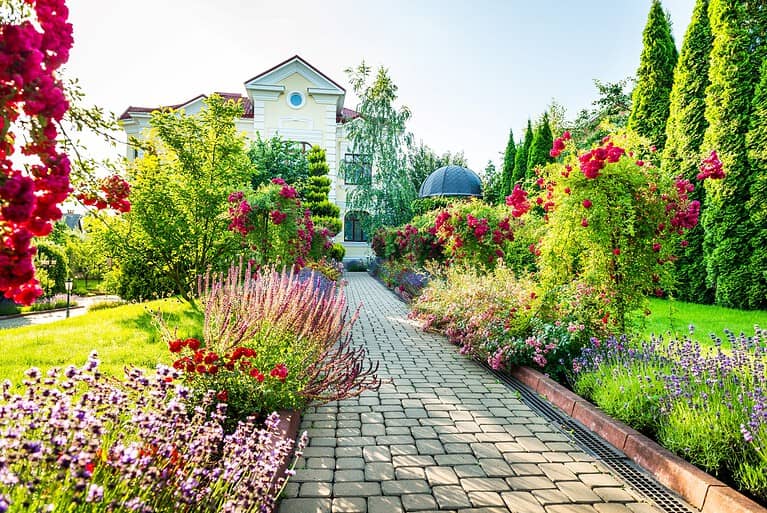
Materials such as concrete, brick, and stone are all excellent choices for fire-resistant hardscaping. They can be used to create beautiful and functional features like patios, walkways, and walls. These features not only add aesthetic appeal to your yard but also create a barrier that fire cannot cross. In addition, they require little maintenance and can withstand harsh weather conditions.
5. Create Zones with Different Levels of Flammability

By creating zones of varying flammability in your landscape, you can help slow the spread of fire and protect your home. The area immediately surrounding your home (within 5 feet) should be a fire-free zone, with no flammable plants or materials.
The next zone (5 to 30 feet from your home) should contain low-flammability plants, and the third zone (30 to 100 feet from your home) can include moderate-flammability plants. The specific distances might vary based on your local regulations and the specifics of your property. Remember, the goal is to slow a fire’s progress and direct it around your home, not to create an impenetrable barrier.
6. Regularly Remove Dead Plants and Debris
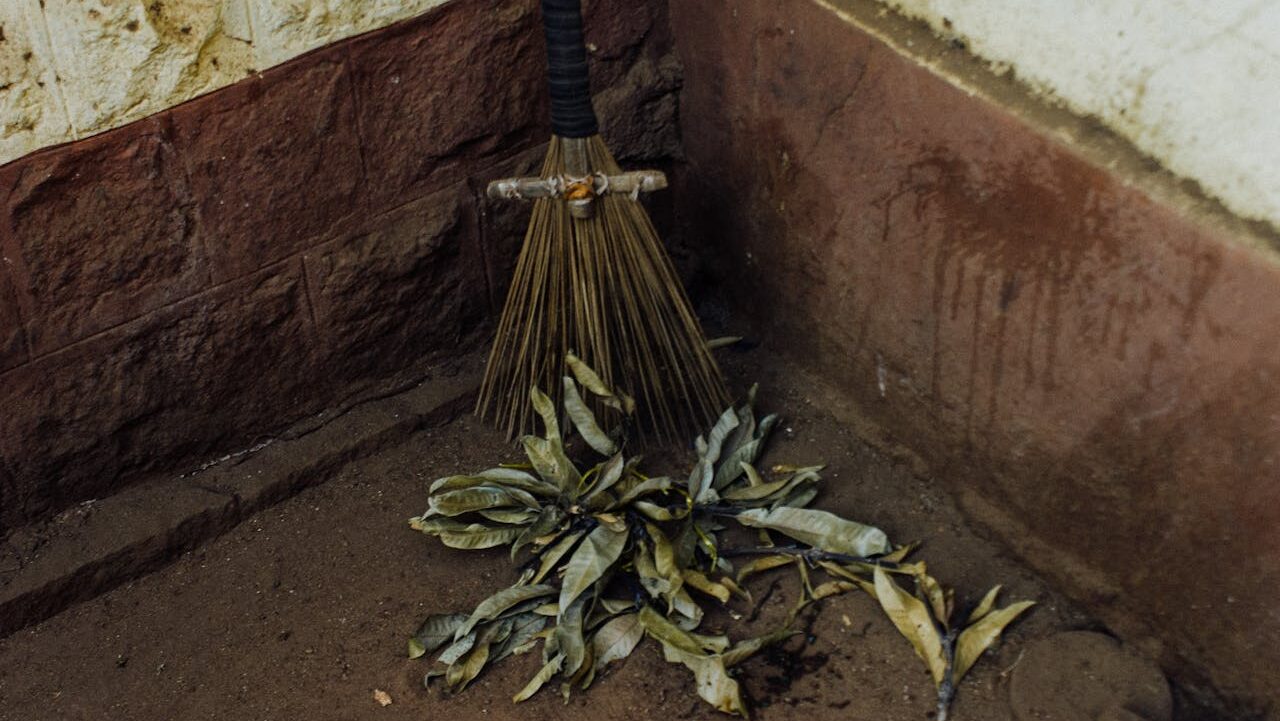
Dead plants, dried leaves, and other debris can quickly become fuel for a fire. Regularly cleaning up your yard, particularly during the dry season, is essential to reduce fire risk.
In addition to removing dead plants and debris, also prune tree branches that hang too low (less than 6 feet from the ground) or are too close to your home. Consider hiring a professional arborist to do this work safely and effectively. It’s also a good idea to clean out gutters and roofs where leaves and other debris might accumulate.
7. Install a Sprinkler System

A well-designed sprinkler system can be a valuable tool in defending your home from a wildfire. When activated, it can dampen your home and surrounding vegetation, making them less likely to catch fire.
When designing a sprinkler system, ensure it covers all areas of your property, including hard-to-reach places. Regular testing and maintenance are crucial to ensure the system works when you need it. Remember, while a sprinkler system can be an effective tool, it is not a substitute for creating a defensible space through proper landscaping and maintenance.
8. Use Non-Combustible Fencing and Decking Materials

Fences and decks can act as a direct path for fire to reach your home. Using non-combustible materials can help prevent this.
Materials such as metal, stone, and concrete are fire-resistant and can be used for fences, decks, and other structures. If you prefer the look of wood, consider using a fire-resistant wood species or treating your wood with a fire-retardant chemical. However, these treatments need to be reapplied periodically to maintain their effectiveness.
9. Keep a Well-Maintained Lawn
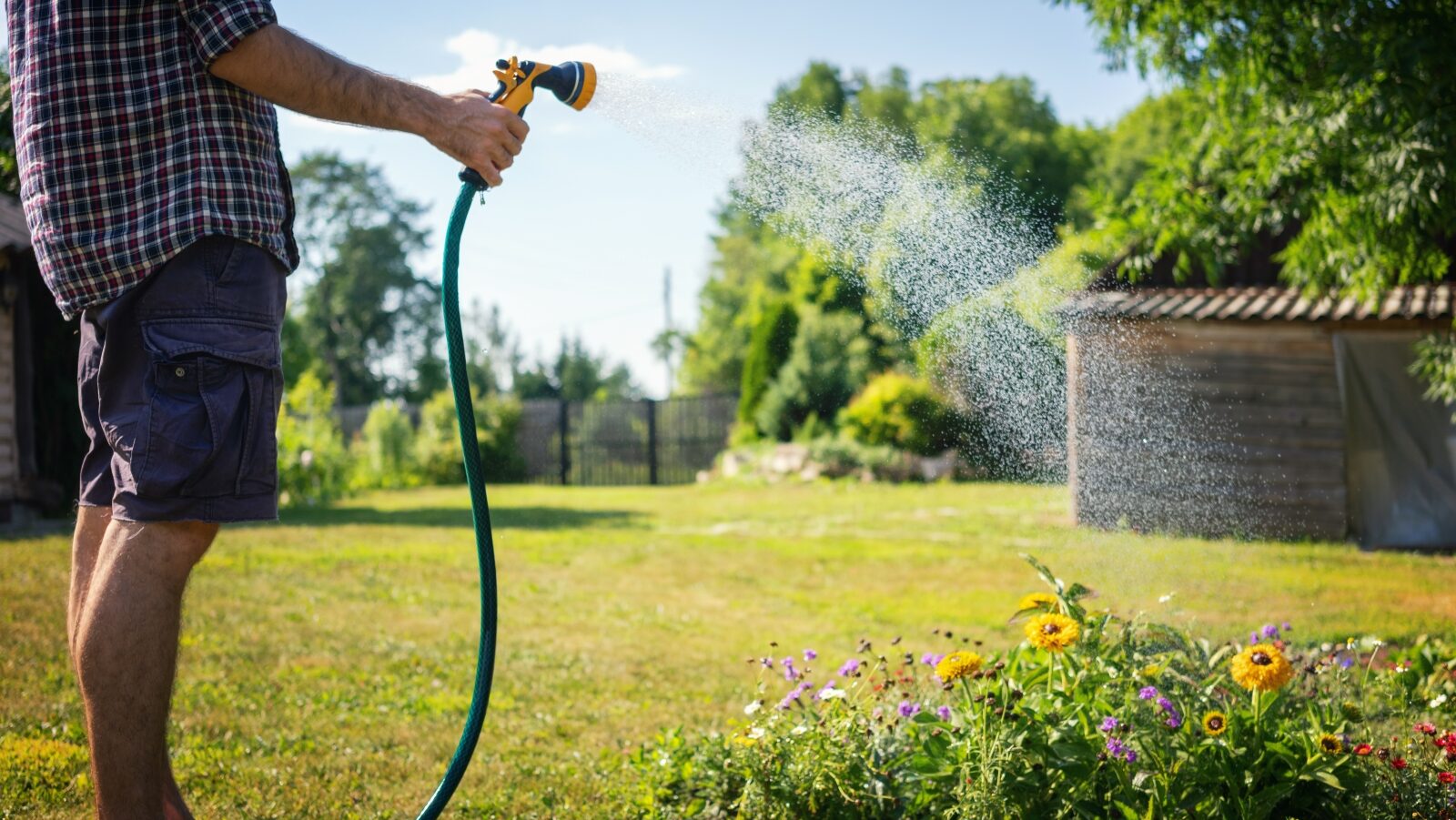
A healthy, well-watered lawn can act as a firebreak, slowing or stopping the spread of fire. Keep your grass cut to a height of no more than 4 inches, and water it regularly, especially during dry periods.
If maintaining a lawn is not feasible or desirable, consider alternatives such as ground covers or native grasses that require less water and maintenance. These options can still help slow the spread of fire while also conserving water and providing habitat for local wildlife.
10. Work with Your Neighbors

Wildfire prevention is a community effort. If your neighbors’ properties are not fire-safe, your home is still at risk, even if you have taken all the necessary precautions.
Encourage your neighbors to also adopt fire-wise landscaping practices. Offer to help with yard clean-up or share resources about fire-safe plants and landscaping techniques. In addition, consider forming a local Fire Safe Council or similar group to work on community-wide fire prevention efforts.
Remember, the key to fire-resistant landscaping is not to create a barren, lifeless landscape, but to make strategic choices that reduce fire risk while still creating a beautiful, enjoyable outdoor space. With careful planning and regular maintenance, you can enjoy a vibrant, fire-safe garden even in the hottest summers.