Extreme weather can pose significant risks to your home, making preparedness essential for every homeowner. By taking proactive measures, you can enhance the protection of your home against unpredictable weather events. This article will explore practical strategies you can implement to safeguard your property.
From reinforcing structural elements to improving drainage systems, there are various ways to mitigate damage. Understanding how to effectively shield your home will not only provide peace of mind but also help you save on costly repairs in the future.
Advertisement
Install impact-resistant windows

Installing impact-resistant windows is a smart investment for your home. These specialized windows are designed to withstand severe weather, including hurricanes and heavy storms.
They feature reinforced glass that provides better protection against flying debris. This helps safeguard your home’s interior and improves energy efficiency.
You might also find that some insurance companies offer discounts for homes with these windows. Protecting your home from extreme weather has never been easier!
Secure entry doors with heavy-duty locks
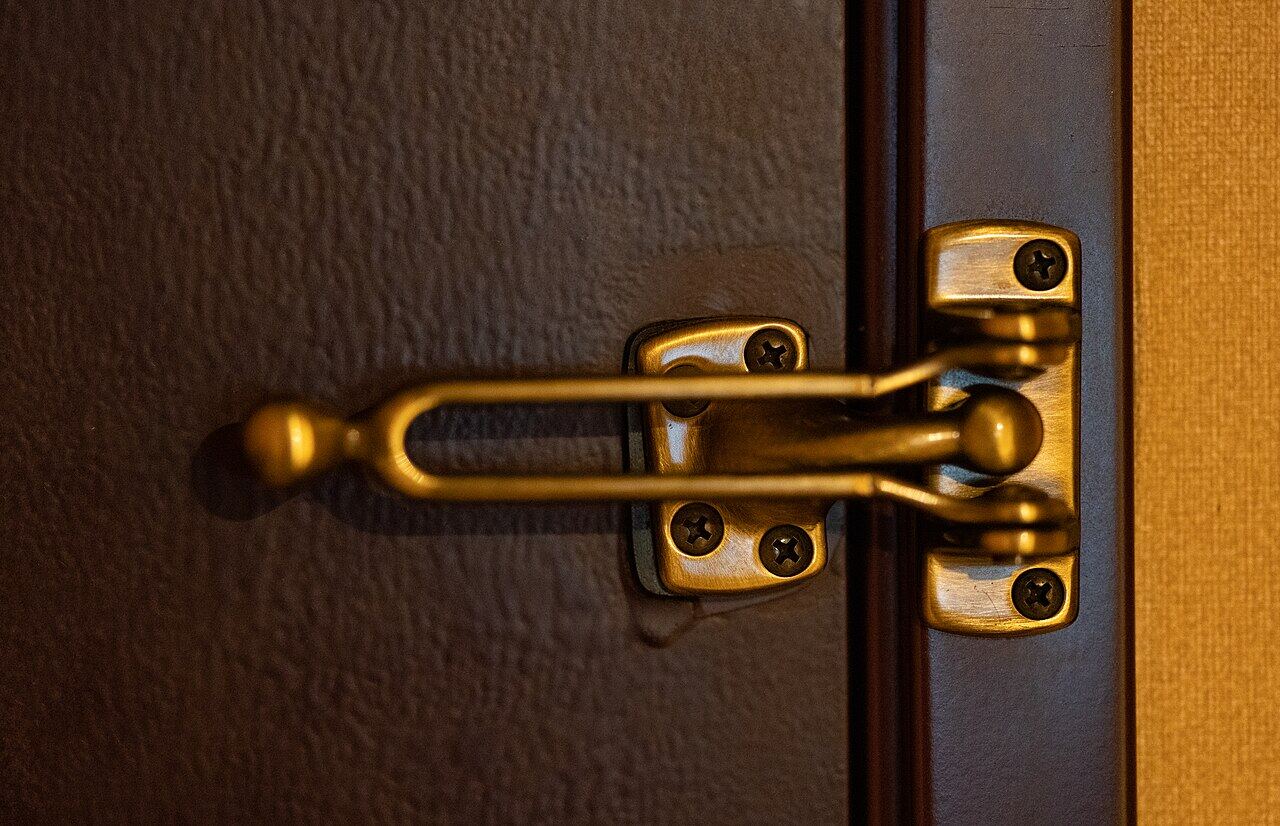
To enhance your home’s protection, consider installing heavy-duty locks on your entry doors. These locks provide a robust barrier against potential intruders.
Choose locks that meet industry standards for security. A deadbolt lock is often recommended for its strength and reliability. Reinforce the lock area with a heavy-duty strike plate to prevent kick-ins.
Additionally, double-check that all entry points are secured at all times. Regular maintenance can keep your locks functioning properly. This simple step adds peace of mind during extreme weather or any security concerns.
Seal and insulate your attic
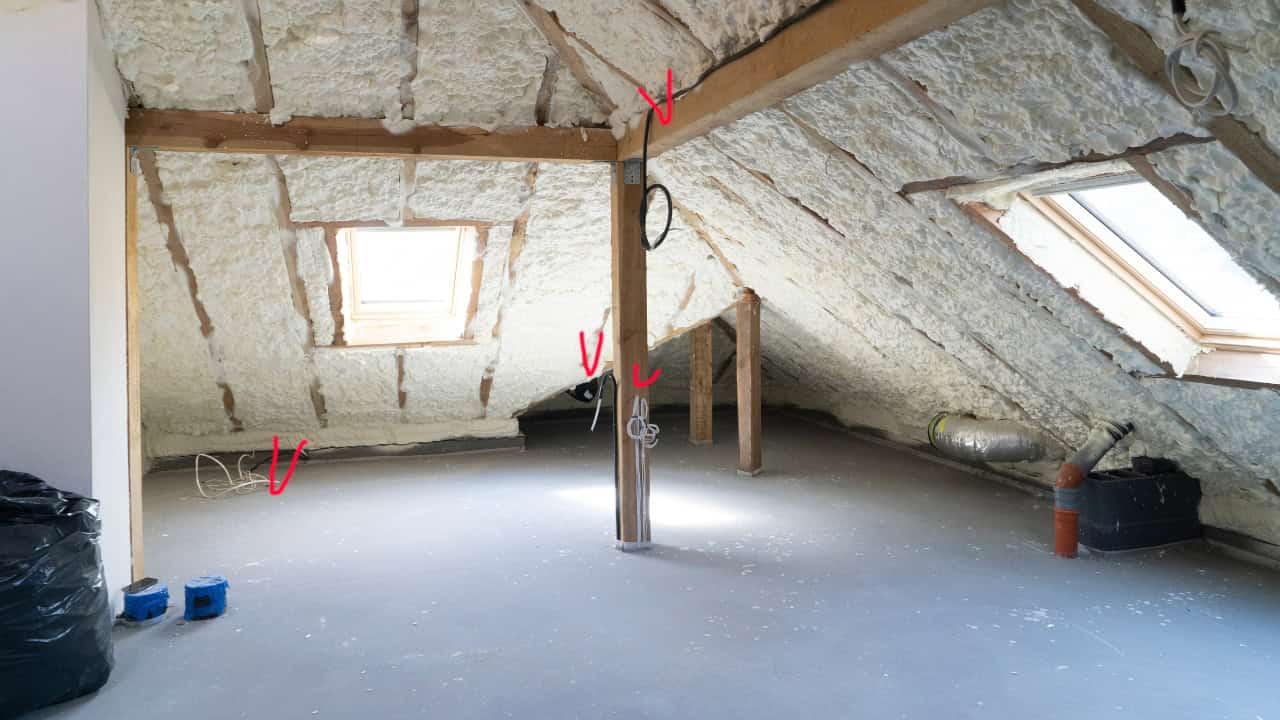
Sealing and insulating your attic can make a significant difference in your home’s comfort and energy efficiency. Most air leaks occur in this area, allowing cold or hot air to enter.
Start by checking for gaps around windows, electrical outlets, and ducts. You can use caulk or expanding foam to seal these openings.
Then, focus on adding insulation to maintain your desired indoor temperature. Proper insulation can help prevent ice dams in winter and keep your home cool in summer.
Taking these steps not only benefits your comfort but can also lower your energy bills.
Elevate appliances in flood-prone areas
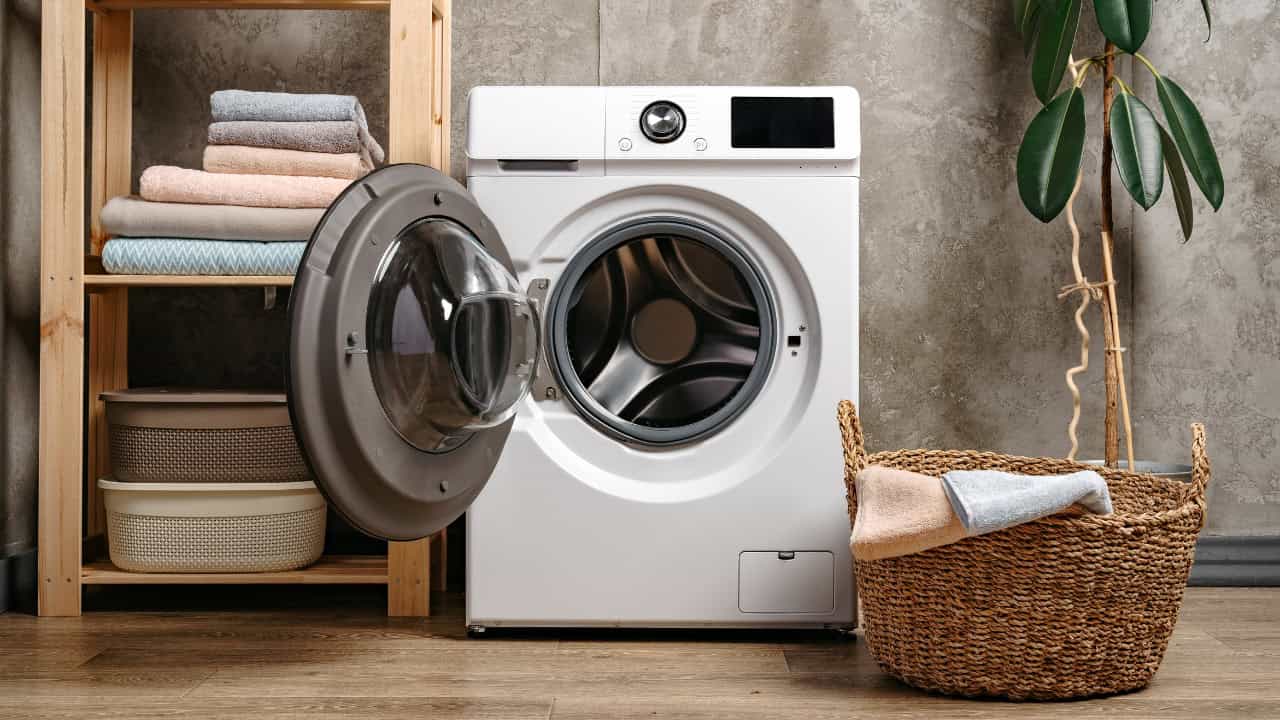
Elevating your appliances is a smart way to protect them from flood damage. If you live in an area at risk for flooding, raise your major appliances like washers, dryers, and water heaters above potential flood levels.
Use platforms, pedestals, or flood-resistant materials. This can help prevent costly repairs and replacements.
Check local guidelines for specific recommendations on height and materials. Taking these steps can secure your appliances and give you peace of mind during stormy weather.
Trim trees to prevent damage from high winds

Trimming your trees is an effective way to reduce potential damage during high winds. Regular pruning helps keep trees healthy and limits the risk of branches falling.
Focus on removing dead, broken, or weak branches. Thinning the canopy decreases wind resistance, which minimizes turbulence.
You should also maintain a safe distance between your trees and home. Ideally, ensure your house is about the height of the trees away.
By taking these simple steps, you protect your property and keep your space safer during storms.
Install a sump pump in the basement
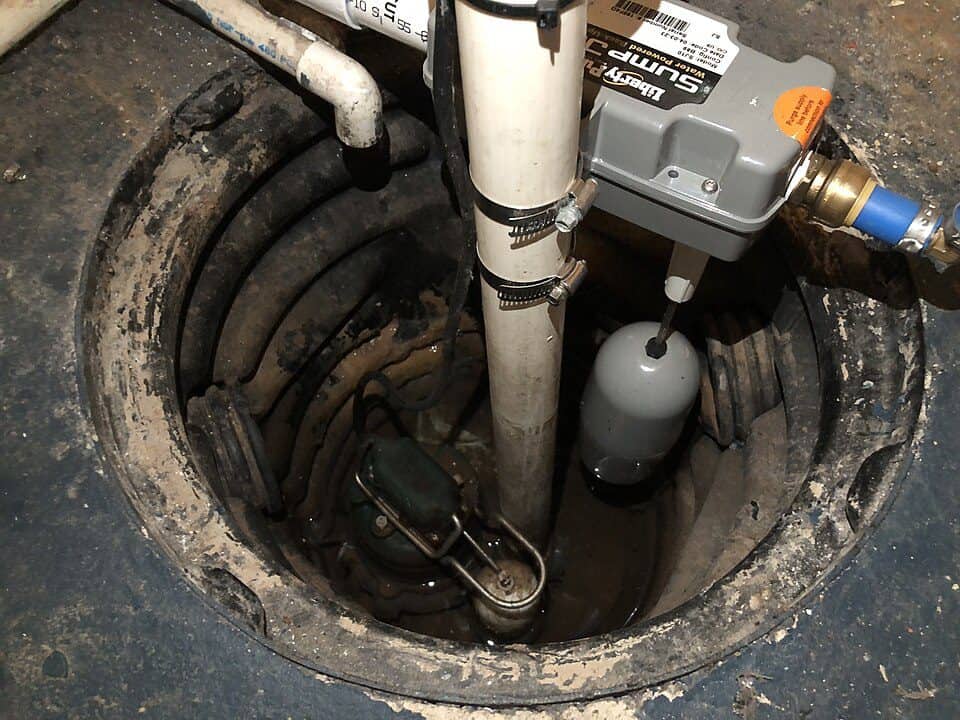
Installing a sump pump in your basement is a smart way to guard against flooding. This device helps remove excess water that can accumulate during heavy rains or snowmelt.
A sump pump collects water in a basin and pumps it away from your home. This action keeps your basement dry and protects your belongings.
Consider a backup battery-powered pump as well. This ensures your home stays protected even during power outages, which can happen in extreme weather.
With a sump pump, you can feel more secure knowing your basement has a reliable defense against water damage.
Add a backup generator for power outages
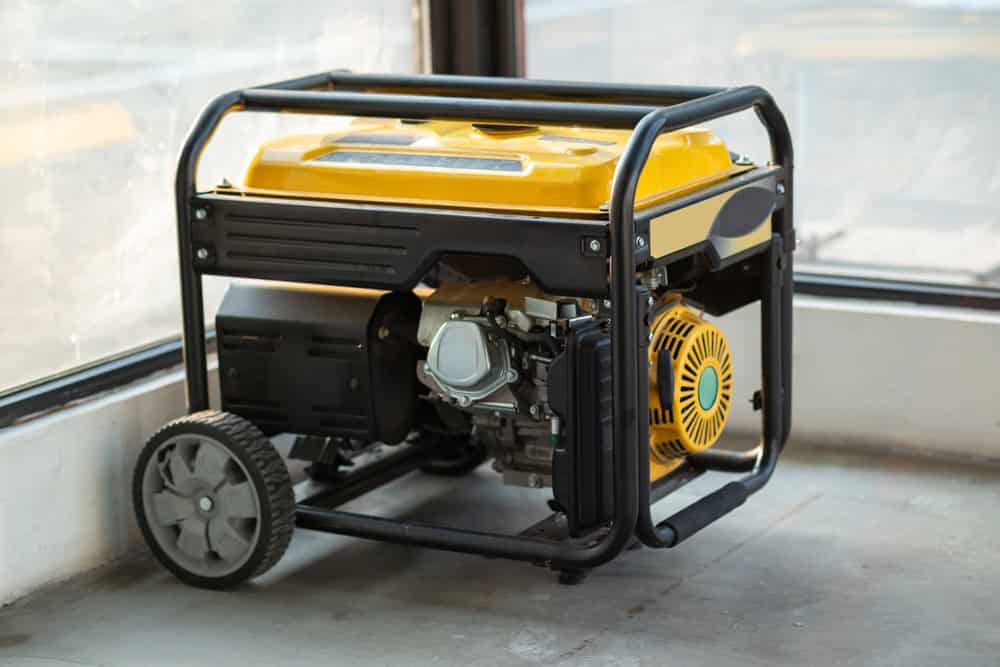
Installing a backup generator can provide peace of mind during extreme weather. When the power goes out, your generator ensures that essential appliances remain operational.
You can choose between a portable generator or a standby system. A portable generator is flexible, while a standby generator connects directly to your home’s electrical system.
Make sure to follow safety guidelines when connecting your generator. Using a generator with an interlock kit will help prevent backfeeding, which can be dangerous.
Regular testing and maintenance of the generator will keep it ready for emergencies. With a backup generator, you can stay comfortable and safe, even during outages.
Secure outdoor furniture and decor

Protecting your outdoor furniture and decorations is essential during extreme weather. High winds can easily topple lightweight items, causing damage or creating hazards.
Use furniture covers to shield your items from rain and snow. These covers are designed to withstand harsh conditions and keep your furniture dry.
You might also consider storing smaller items in a shed or garage. For larger pieces, weigh them down with bricks or tie them securely to a sturdy structure.
By taking these simple steps, you can ensure your outdoor space remains inviting and safe.
Reinforce garage doors for wind resistance

Reinforcing your garage doors is a smart way to protect your home from strong winds. Consider adding horizontal braces to help prevent buckling.
Choosing wind-rated and impact-resistant garage doors will enhance your home’s safety. Look for single-car doors, as they often withstand wind forces better than two-car doors.
You can also strengthen existing doors. Use heavy-duty deadbolts, slide bolts, and longer hinge attachments for added security. These improvements can make a significant difference during extreme weather.
Implement a drainage system for water runoff

Proper drainage is essential for protecting your home from extreme weather. It prevents water accumulation and reduces the risk of flooding.
You can start by installing gutters and downspouts to redirect rainwater away from your foundation. Ensure that these systems are clean and free of debris.
Consider adding catch basins and French drains to manage excess water in your yard. These solutions help channel water away from vulnerable areas of your property.
Using swales and rain gardens can also be effective. They naturally absorb and manage stormwater runoff while enhancing your landscape.
Install storm shutters

Installing storm shutters is a smart way to protect your home from harsh weather. They provide a physical barrier against debris and can significantly reduce the risk of window damage during storms.
You have options when choosing storm shutters. They come in different materials, such as wood, steel, or aluminum, to suit your needs. Plus, they can be customized to fit various window sizes and styles.
When the storm season approaches, having your shutters installed and ready can bring peace of mind. This preparation helps you feel secure knowing your home is fortified against the elements.
*This article was created with the help of AI.