Everyday household items play a crucial role in your daily life, but they don’t last forever. Knowing when to replace these items can help maintain your home’s comfort and hygiene. Keeping an eye on their condition not only ensures a pleasant living environment but also helps you avoid potential health risks.
From kitchen gadgets to bathroom essentials, certain signs indicate that it’s time for an upgrade. By being aware of these indicators, you can make informed decisions and keep your home running smoothly. Remember, taking action before issues arise can save you time, money, and unnecessary hassle.
Advertisement
1. Old pillows causing neck pain
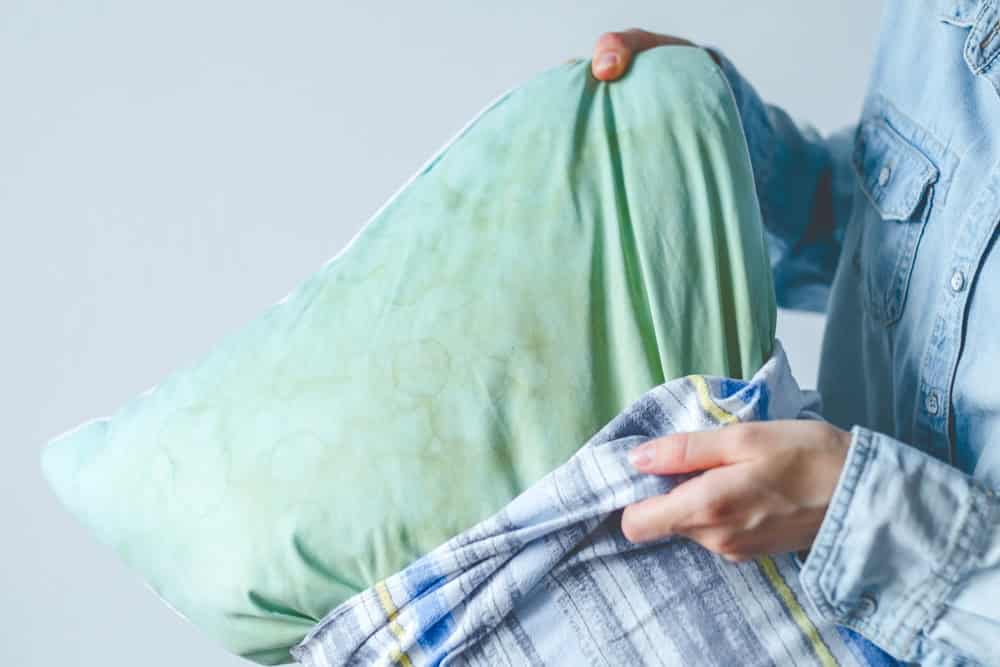
If you wake up with neck discomfort, your pillow might be to blame. Old pillows can lose their shape and support over time.
Signs that it’s time for a change include visible lumps, a lack of bounce, and noticeable wear. If your pillow is over two years old, consider replacing it.
Choosing a contour or orthopedic pillow can promote better neck alignment. This can significantly improve your sleep quality and reduce morning stiffness.
2. Frayed bath towels with mildew odor
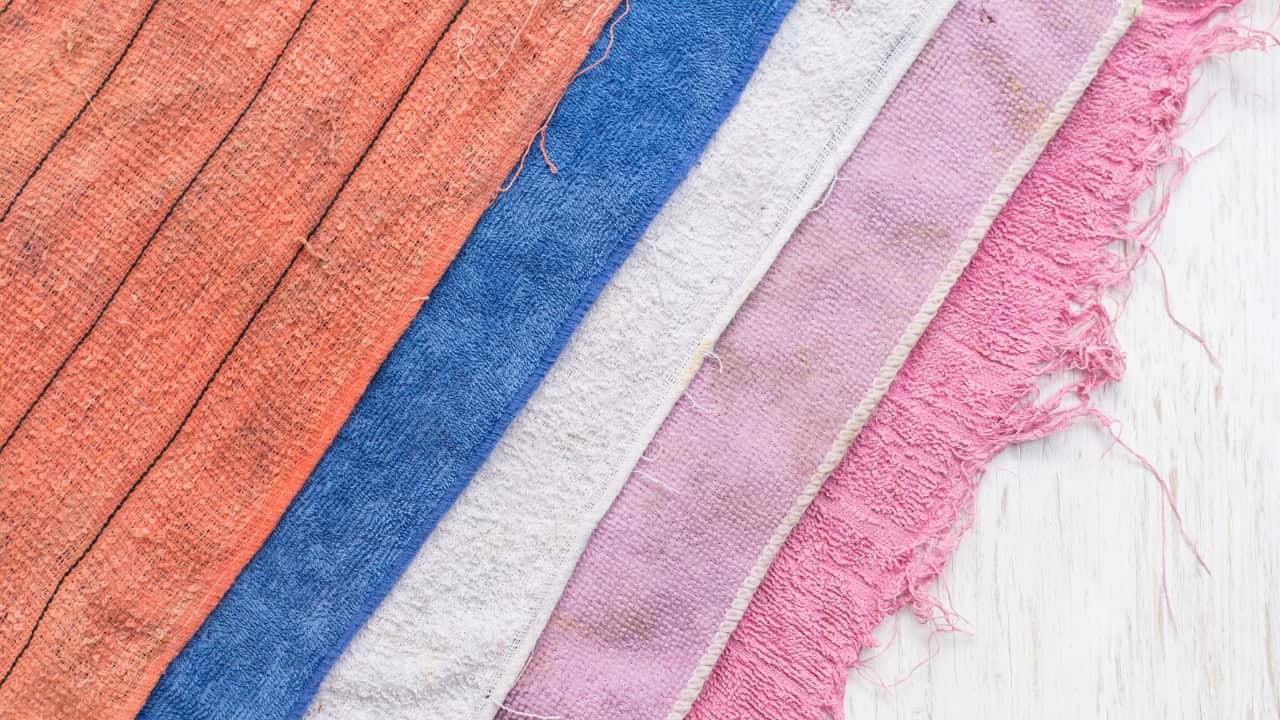
When your bath towels start to show frayed edges, it’s a clear sign that they’ve seen better days. Fraying can affect the towel’s absorbency and texture, making them less pleasant to use.
Additionally, if you notice a persistent mildew odor, it’s time to let them go. This smell often indicates a buildup of bacteria or moisture that regular washing can’t eliminate.
Replacing frayed towels with a mildew smell helps maintain hygiene in your bathroom. Fresh towels can significantly improve your daily routine and comfort.
3. Clogged air filters raising energy bills
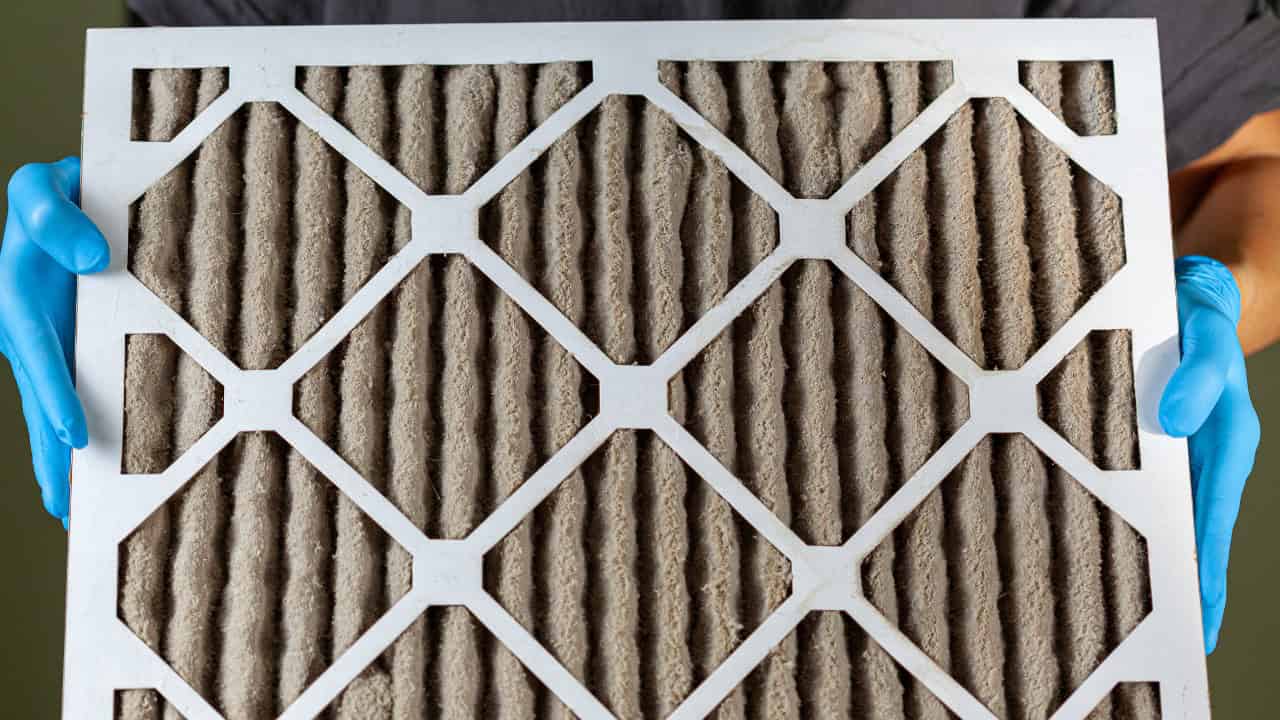
If your air filter is clogged, it can significantly impact your energy bills. A dirty filter restricts airflow, making your HVAC system work harder to maintain a comfortable temperature in your home.
This extra effort leads to increased energy consumption. You might notice a spike in your utility bills, signaling it’s time for a replacement.
Regularly checking and changing your air filter can help maintain efficiency and save you money. Keeping an eye on this simple household item is a smart move for your budget and comfort.
4. Worn-out carpets trapping allergens
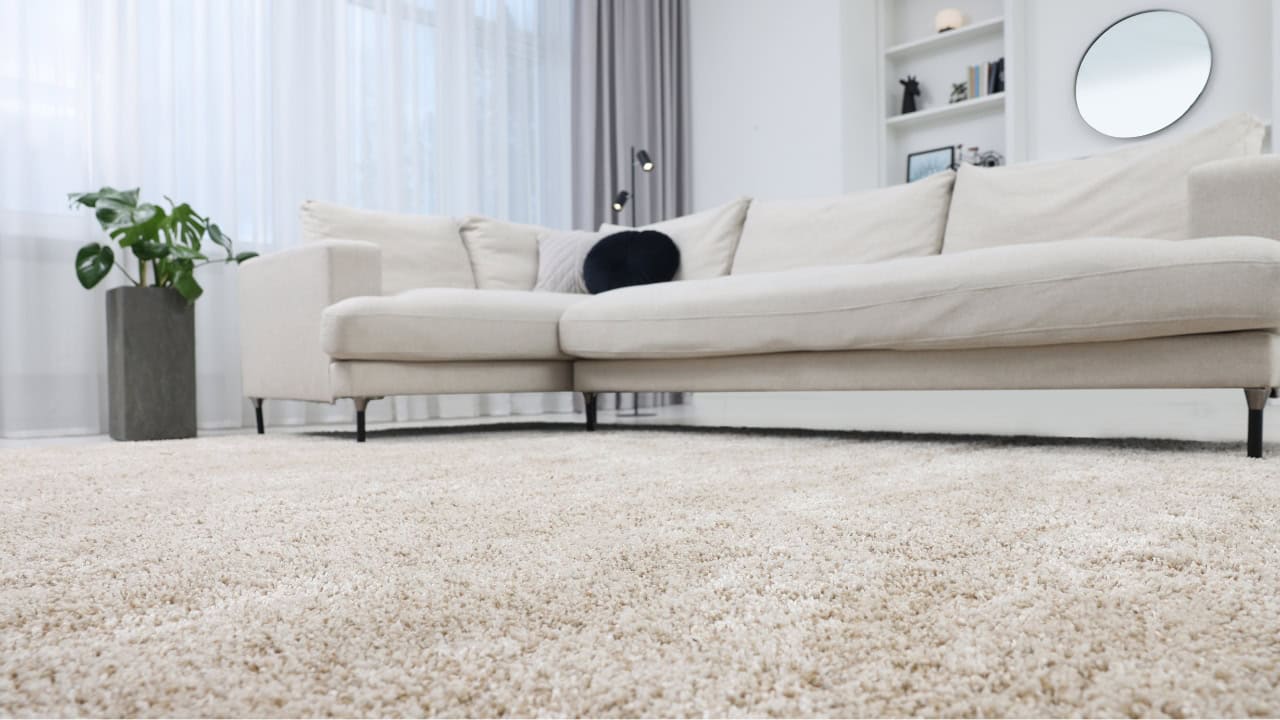
If your carpet is looking worn out, it might be time to consider a replacement. Old carpets can trap dust, pet dander, and allergens, which may affect your indoor air quality.
These particles can accumulate over time and become a barrier, making it harder to maintain a clean home environment.
You might notice increased allergy symptoms, especially if you have children or pets. Keeping your living space healthy is essential, and fresh carpets can help.
5. Stained kitchen sponges

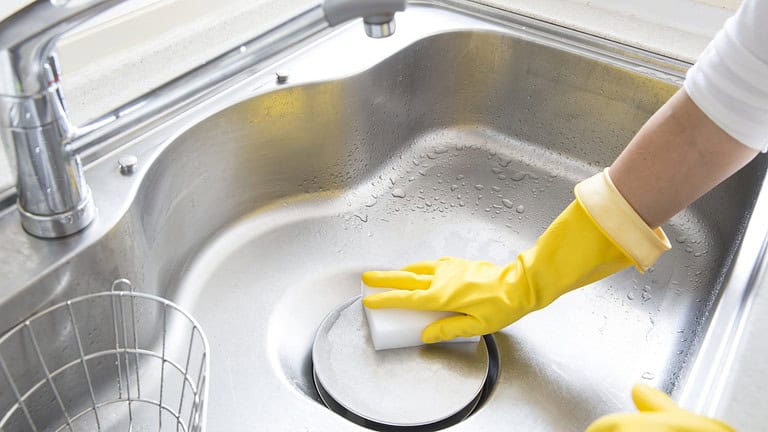
If your kitchen sponge shows signs of staining, it’s a clear indicator that it might be time for a replacement. Stains can harbor bacteria, which thrive in damp environments.
Sponges absorb food particles and liquids, making them breeding grounds for germs. If you notice any discoloration, it’s best to toss that sponge to keep your kitchen safe.
To maintain cleanliness, replace your sponge at least every two weeks. Regular changes help reduce the risk of cross-contamination in your cooking space.
6. Expired water filters
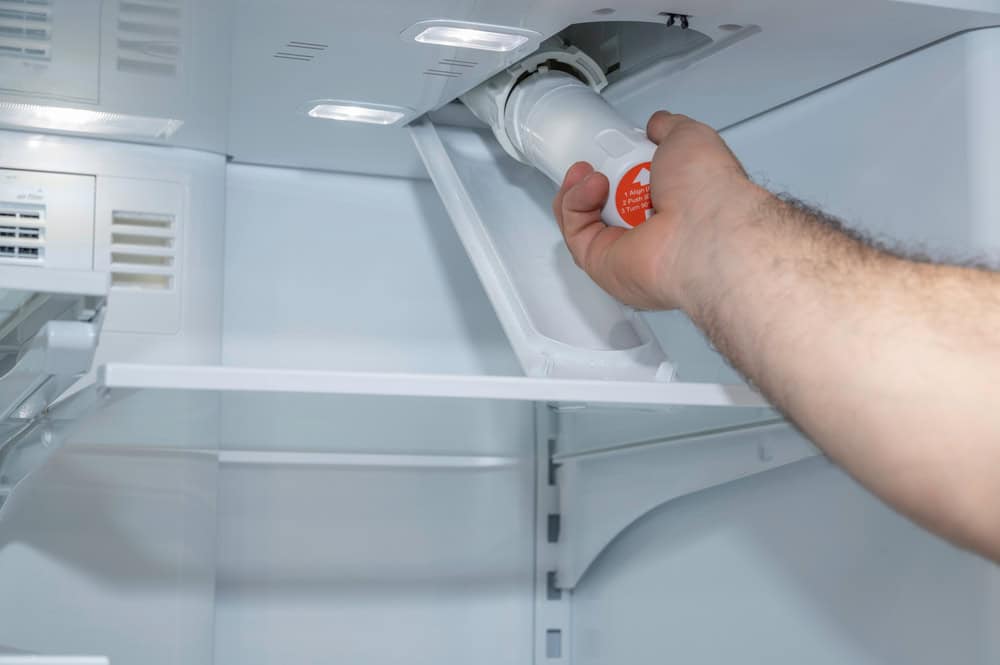
Water filters play a crucial role in ensuring that your drinking water is clean and safe. It’s important to keep an eye on their condition. If you notice a decreased water pressure when using your filter, this could mean it’s clogged and needs to be replaced.
An unpleasant taste or odor in your water often indicates that the filter is past its expiration. Additionally, check for any filter change indicators if your system has them; a color change usually suggests it’s time for a new one.
7. Damaged Curtains Fading Decor
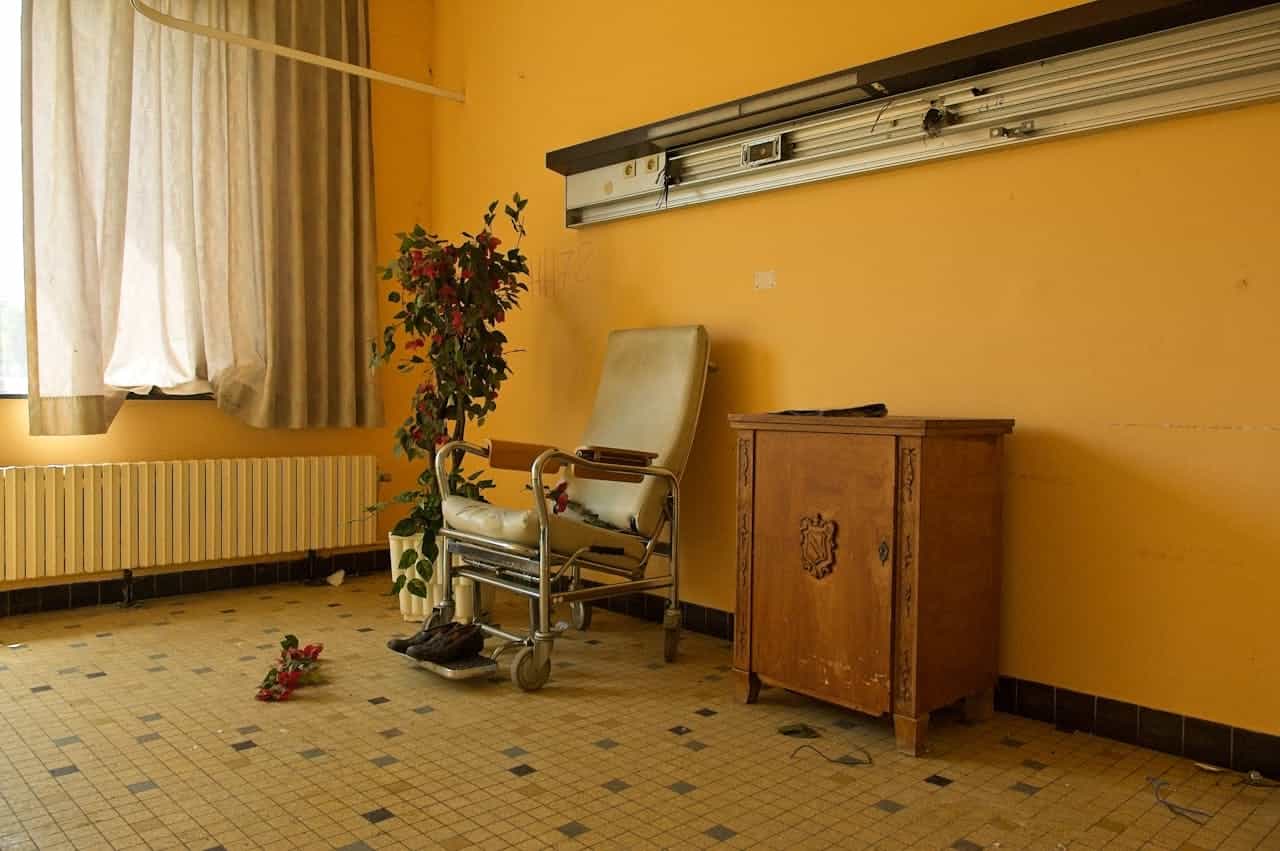
If your curtains are showing signs of damage, it’s time to take notice. Fading is a common issue caused by sun exposure, making your once-vibrant decor look dull.
When the color starts to wash out, the overall aesthetic of your room can suffer. You might notice uneven tones or fraying edges that draw attention away from your decor.
Replacing your curtains can instantly refresh your space. Choose new fabrics that complement your style and help bring life back into your home.
8. Lumpy mattress affecting sleep
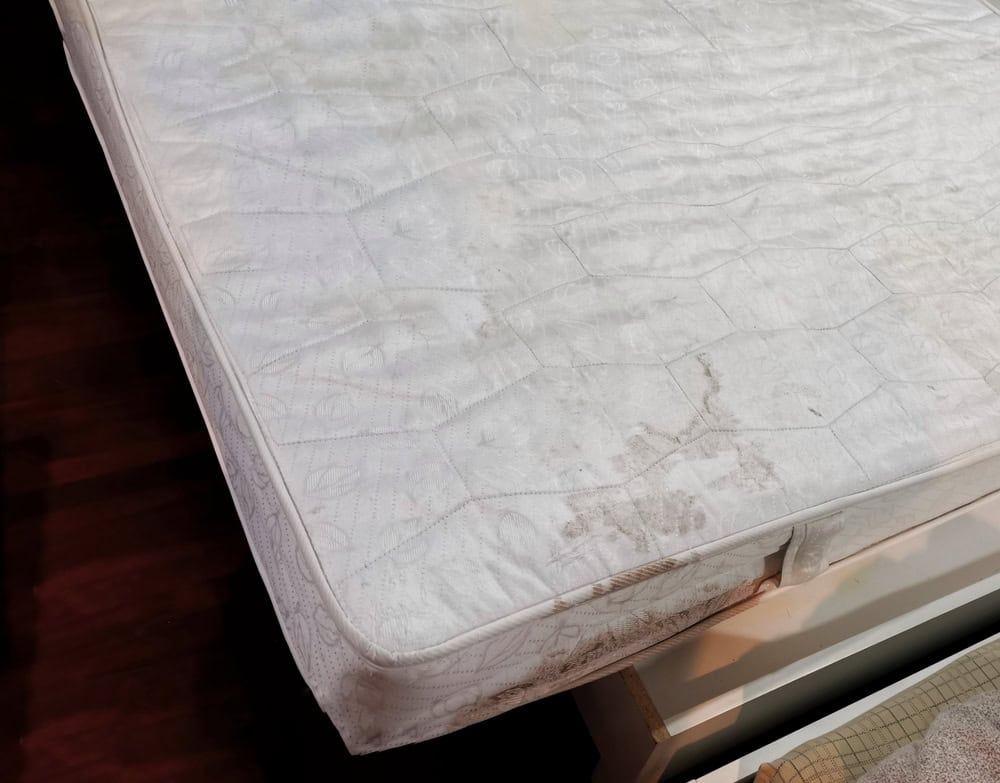
Noticing lumps in your mattress can be frustrating. Over time, wear and tear can cause uneven areas that disrupt your sleep quality.
If your mattress is older than eight years, check for these lumps. They can affect the support your body receives, leading to discomfort during the night.
In addition to being uncomfortable, a lumpy mattress can contribute to poor sleep hygiene. Accumulated dust and allergens may also worsen your health, particularly if you suffer from allergies.
Replacing a lumpy mattress can improve your sleep, making you feel rested and revitalized each morning.
9. Faded toothbrush bristles

You might not think much about your toothbrush, but faded bristles are a clear sign it’s time for a new one. Many toothbrushes come with colored bristles that fade with use.
Once the color changes, it’s an indication that the bristles have worn down and are less effective at cleaning your teeth. Keeping your toothbrush in good shape helps maintain your oral health.
If you notice the bristles have turned white or significantly faded, consider replacing your toothbrush to ensure a thorough clean.
10. Dull kitchen knives
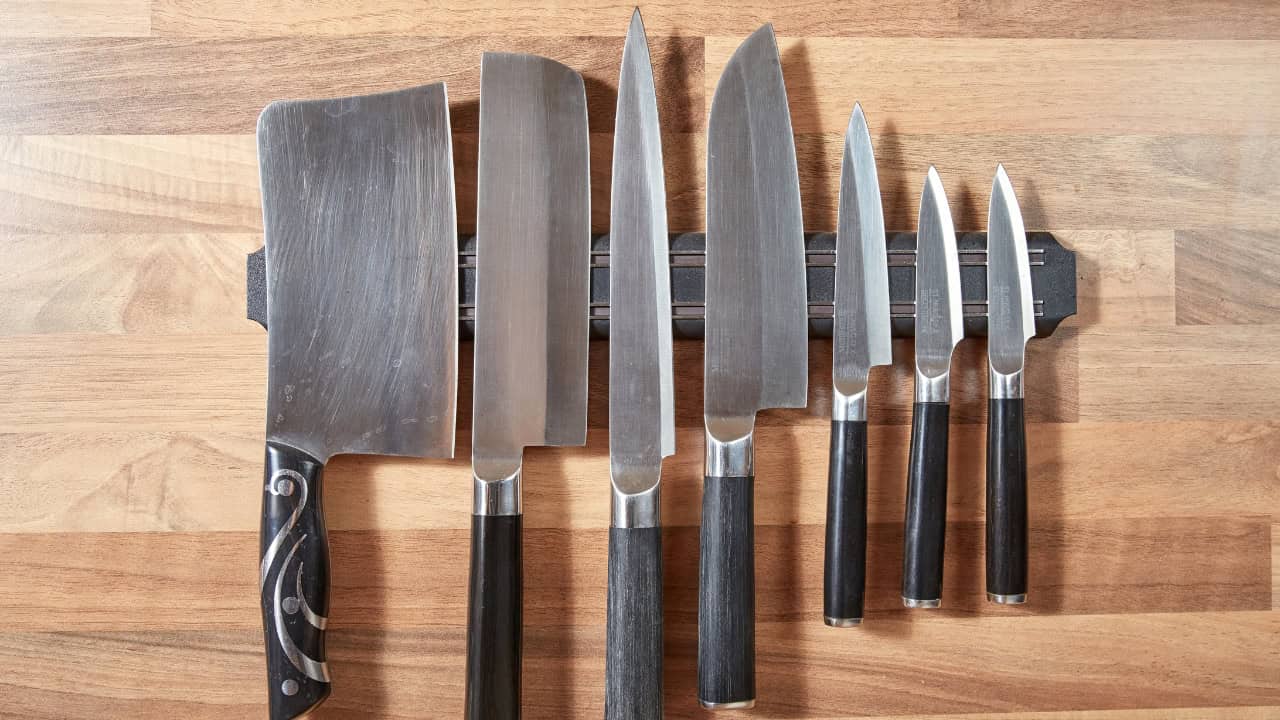
Dull kitchen knives can make cooking more challenging and even hazardous. When knives lose their sharpness, you may find yourself applying more pressure to cut through food. This increases the risk of slipping and may lead to accidents.
You should look for signs that indicate it’s time to replace your knives. If you notice rust, chips, or cracks on the blade, it’s a strong indicator that they need to go.
Quality kitchen knives should last years with proper care, but dullness can compromise their effectiveness. Keeping your kitchen safe and efficient starts with ensuring your knives are sharp and functional.
11. Worn-out non-stick pans

Your non-stick pan is a key player in the kitchen, but it has a lifespan. If you notice dark discoloration or a sticky surface, it might be time for a replacement.
Scratches on the surface can compromise its functionality and safety. Using a scratched pan could lead to food sticking or even chemical release.
Typically, non-stick pans should be replaced every three to five years. Check for signs like warping or difficulty in cleaning to know when it’s time to say goodbye.
*This article was created with the help of AI.