Your home is a sanctuary, a place where you should feel comfortable and safe. Yet, some everyday habits could be quietly causing damage without you even realizing it. Identifying these harmful practices can help you protect your investment and maintain a healthy living environment.
From cleaning routines to storage solutions, small choices can have a big impact on your home’s overall condition. Being aware of these habits allows you to make simple adjustments that can contribute to the longevity of your home. By taking a closer look, you can ensure your space remains a welcoming refuge for years to come.
Advertisement
1. Neglecting to clean gutters regularly
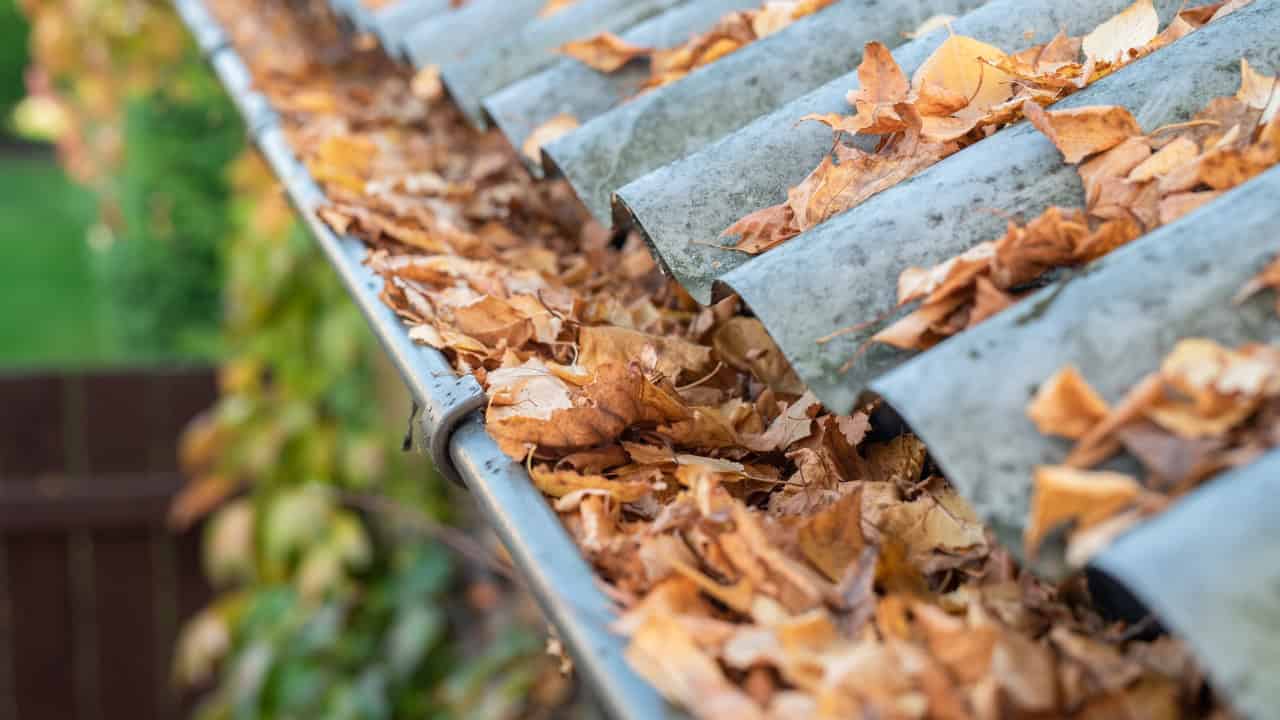
Neglecting to clean your gutters can lead to serious problems. Clogged gutters prevent rainwater from flowing properly, causing it to overflow and potentially damage your home’s foundation.
In winter, this can result in ice dams, which may harm your roof and siding. Regular cleaning helps keep your home safe from moisture-related issues.
Cleaning your gutters at least twice a year is a good practice. If you have many trees nearby, consider doing it more often to avoid clogging. Protect your home by staying on top of gutter maintenance.
2. Slamming doors can weaken frames

Slamming doors is often a habit many overlook. Each time a door slams, it puts pressure on the frame and hinges. Over time, this can lead to misalignment.
You might notice that your doors start to stick or don’t close properly. These issues arise because the door frame can become warped from repeated impact.
Taking a moment to close doors gently can help preserve their integrity. Simple actions can protect your home from unnecessary wear and tear.
3. Ignoring small leaks in plumbing
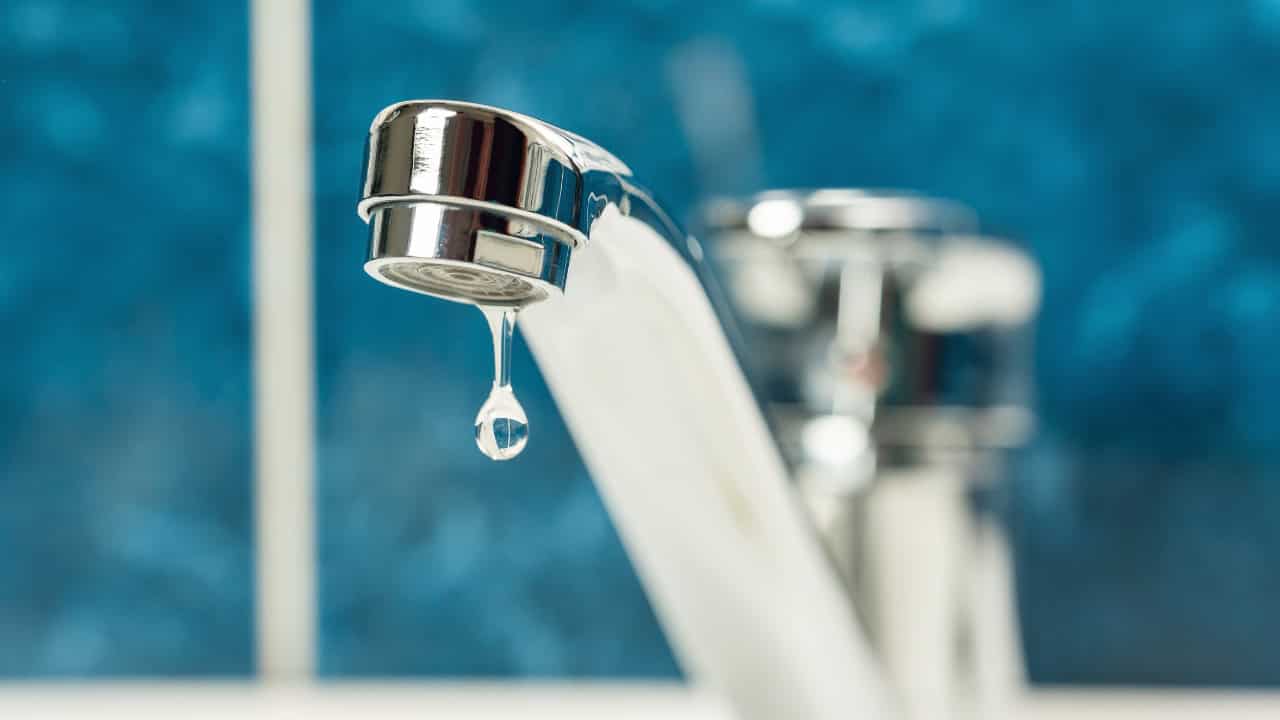
Small leaks might seem inconsequential, but they can lead to significant issues in your home. A dripping faucet or tiny leak under the sink may waste water and end up inflating your monthly bills.
Ignoring these minor problems can encourage mold growth and cause damage to walls or floors over time. Fixing leaks promptly is crucial in maintaining your plumbing system and preventing more extensive repairs later on. Take a moment to inspect your fixtures regularly; it can save you from unexpected headaches.
4. Using too much water pressure on hardwood floors
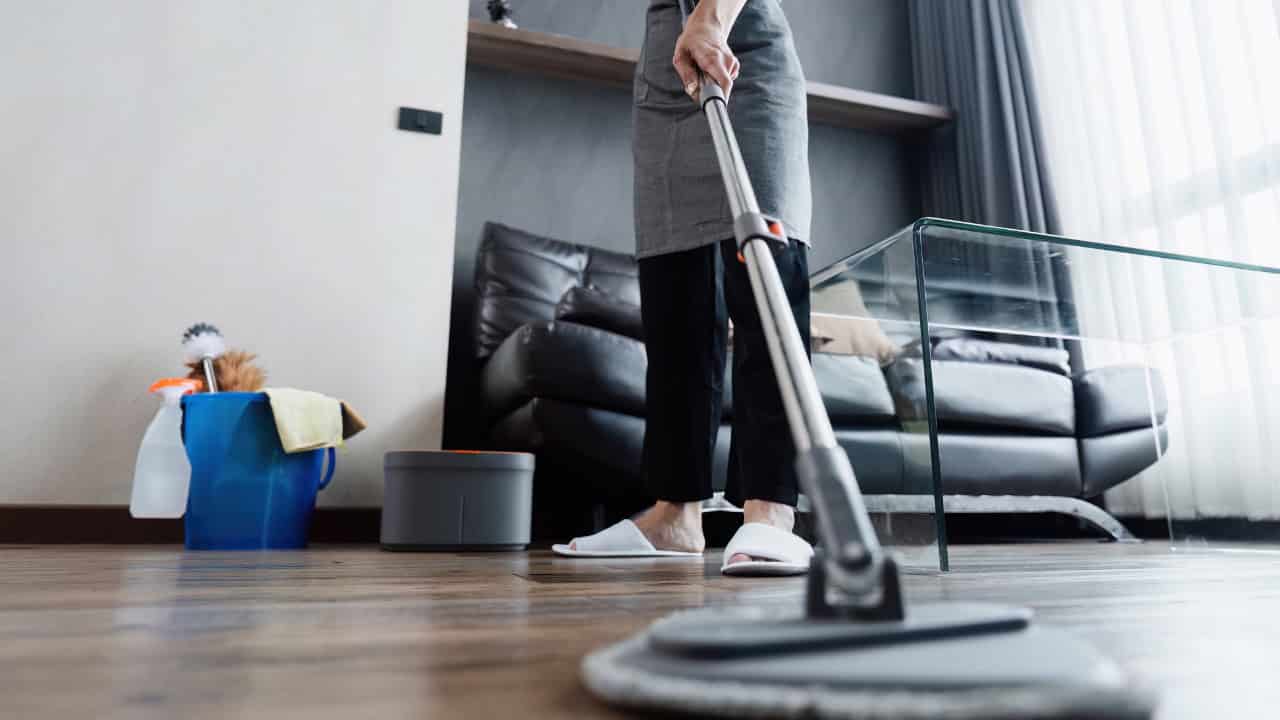
When cleaning hardwood floors, be mindful of the water pressure from your cleaning tools. High pressure can force water into seams, which may cause the wood to swell and warp over time.
Instead, opt for a gentle approach. A slightly damp mop is often enough to remove dirt without excess moisture.
Make it a point to keep your cleaning solution manageable to avoid damaging your beautiful floors. Taking these steps helps maintain their integrity and appearance.
5. Skipping HVAC filter changes
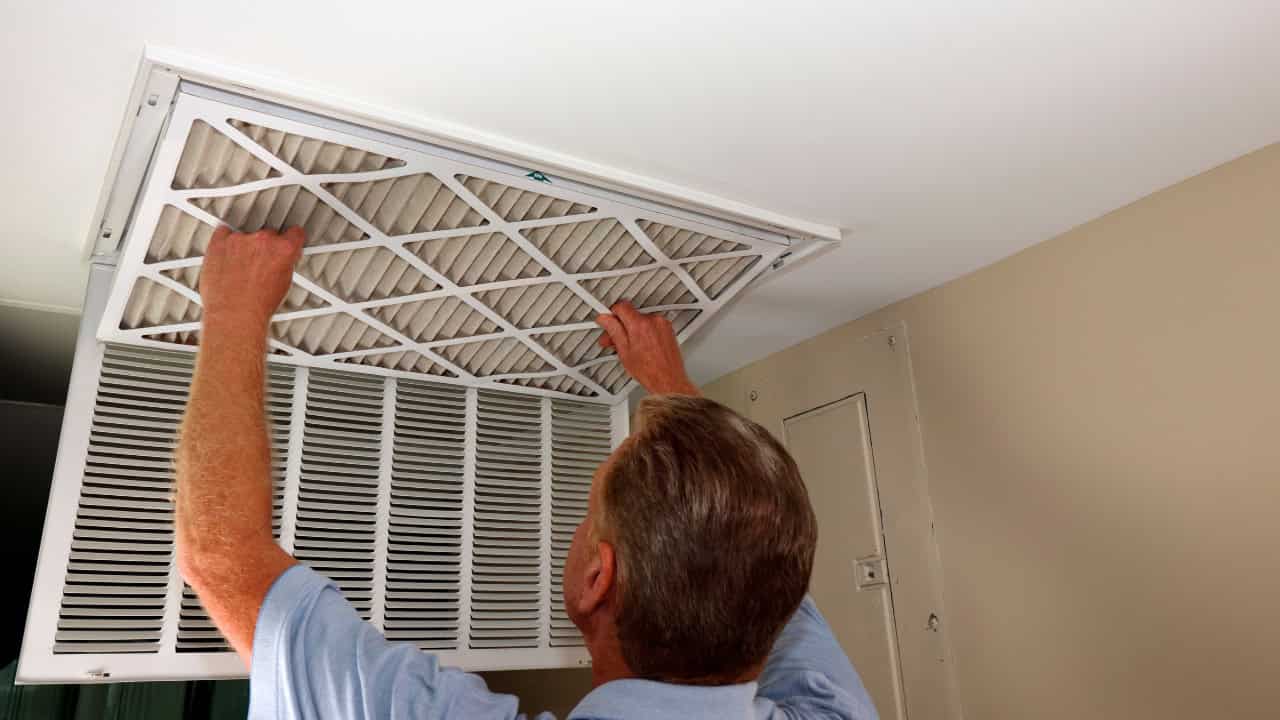
You might not realize it, but skipping HVAC filter changes can lead to significant problems in your home. When filters become clogged with dust and allergens, it restricts airflow and forces your HVAC system to work harder.
This increased strain can raise your energy bills and shorten the lifespan of your system. Experts recommend changing your air filter every 1-3 months to maintain good air quality and system efficiency.
A clean filter not only helps your HVAC run smoothly but also keeps your home smelling fresh. Stay proactive about filter changes to protect both your comfort and your investment.
6. Leaving electronics plugged in unnecessarily
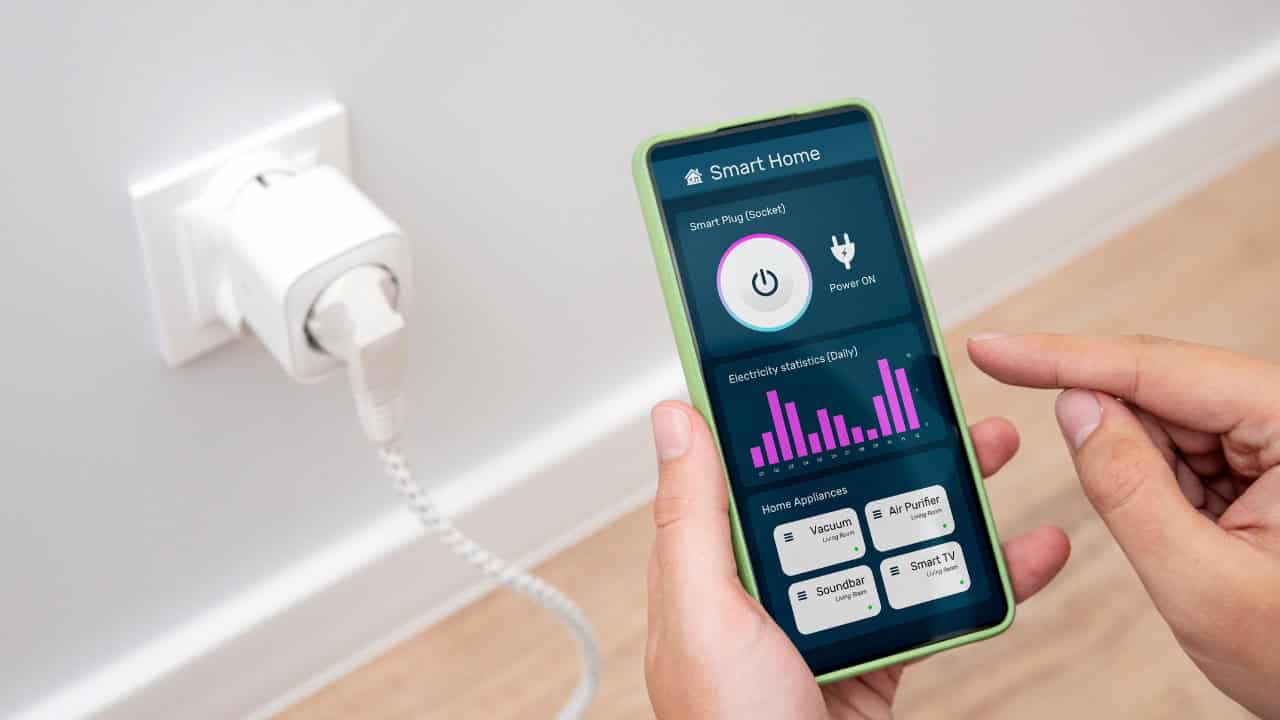
Leaving electronics plugged in when not in use can lead to unexpected costs. Many devices draw small amounts of power even when turned off, known as phantom or vampire energy.
This constant energy consumption can add up over time, potentially increasing your electric bill significantly. It’s a simple habit to break; just unplug devices like chargers, computers, and kitchen appliances when they’re not in use.
Additionally, keeping electronics unplugged can reduce the risk of power surges, which could damage your devices. Making this small change can be beneficial for both your wallet and your home.
7. Forgetting to clean out dryer lint traps
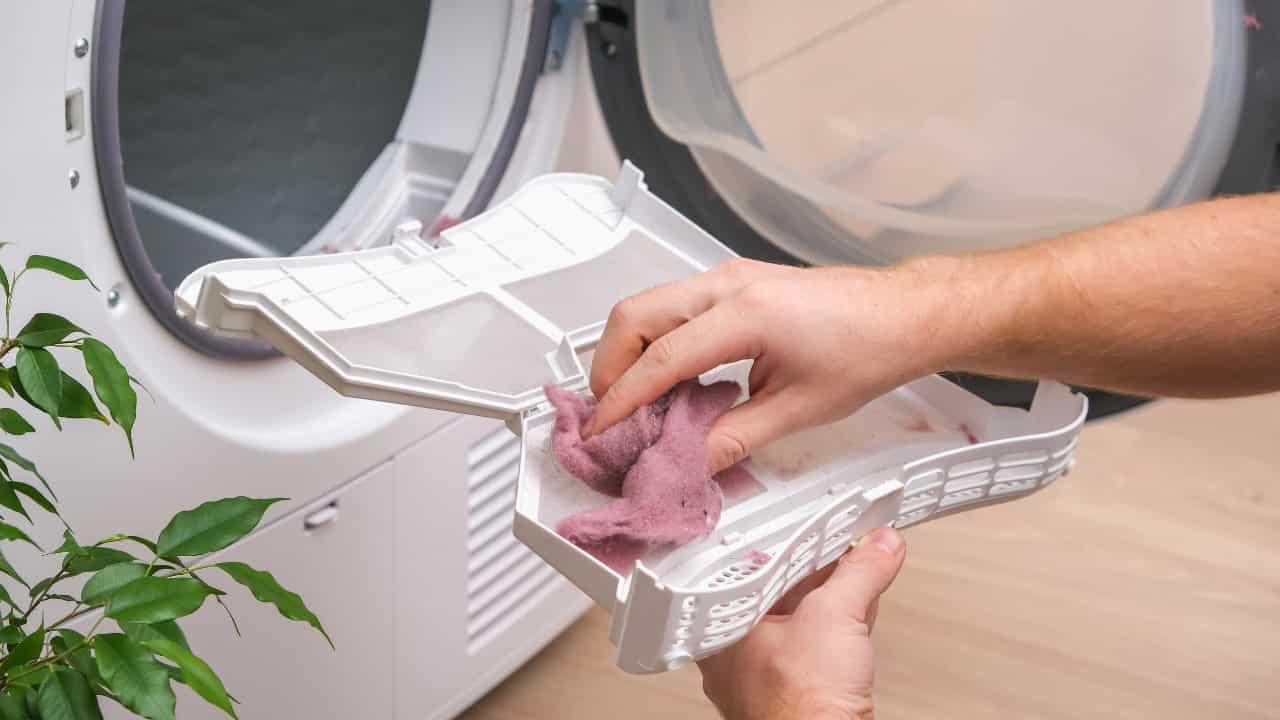
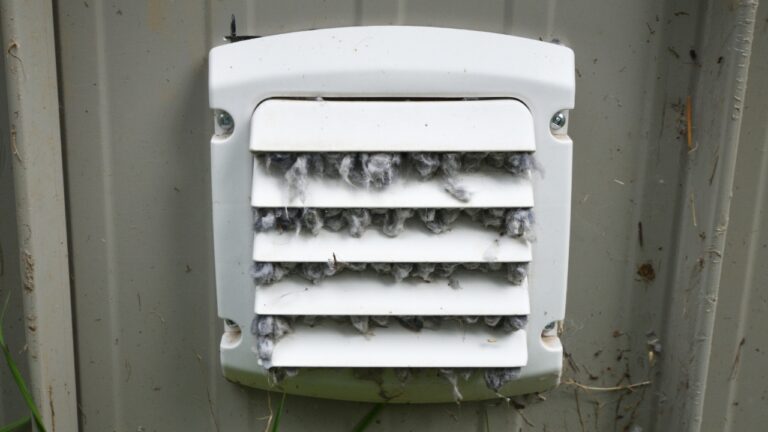
Neglecting to clean out your dryer lint trap can lead to serious issues. Lint buildup not only reduces your dryer’s efficiency, but it also poses a significant fire hazard.
Each time you use your dryer, remember to remove lint from the trap. This simple task can help prevent dangerous situations in your home.
In addition to cleaning the lint trap, check the venting system periodically. A blocked vent can cause overheating, escalating the risk of fire.
Keeping your dryer clean ensures it runs effectively and safely. Make this a regular habit for better peace of mind.
8. Ignoring mold growth in bathrooms

Mold in bathrooms is a common issue that can lead to serious health concerns. When you ignore mold, it can spread quickly and become harder to eliminate.
High moisture levels in bathrooms create an ideal environment for mold to thrive. Regularly check areas like grout, caulking, and behind the toilet for any signs of mold.
Ventilation plays a key role in preventing mold. Ensure your bathroom is well-ventilated by using exhaust fans or opening windows.
Taking proactive measures can help keep your bathroom safe and healthy.
9. Not ventilating kitchens during cooking
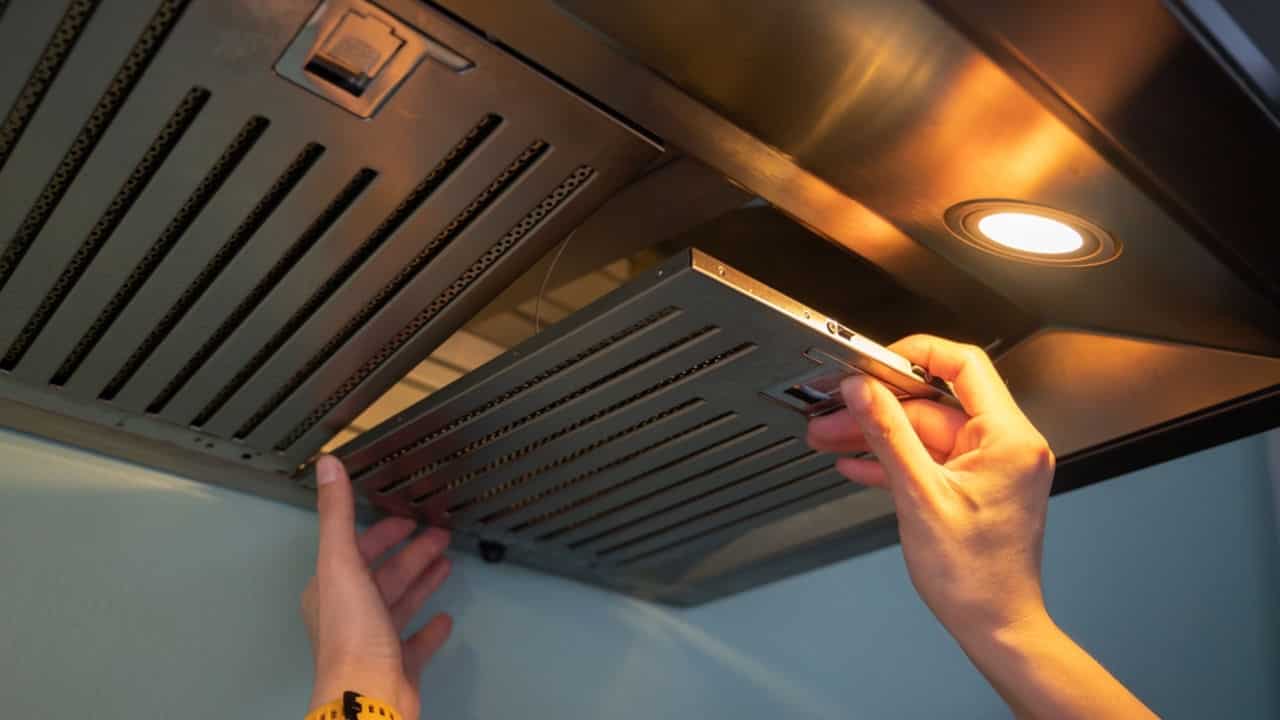
When you cook, it’s essential to ventilate your kitchen. Without proper airflow, smoke, steam, and harmful particles can linger in the air.
Ignoring ventilation can lead to eye irritation and headaches due to the buildup of fumes.
If you use non-stick pans, overheating them can release unhealthy chemicals.
Using a range hood or opening windows while cooking can significantly improve air quality. This simple habit not only protects your health but also helps maintain a clean environment in your kitchen.
10. Using improper cleaners on wood surfaces
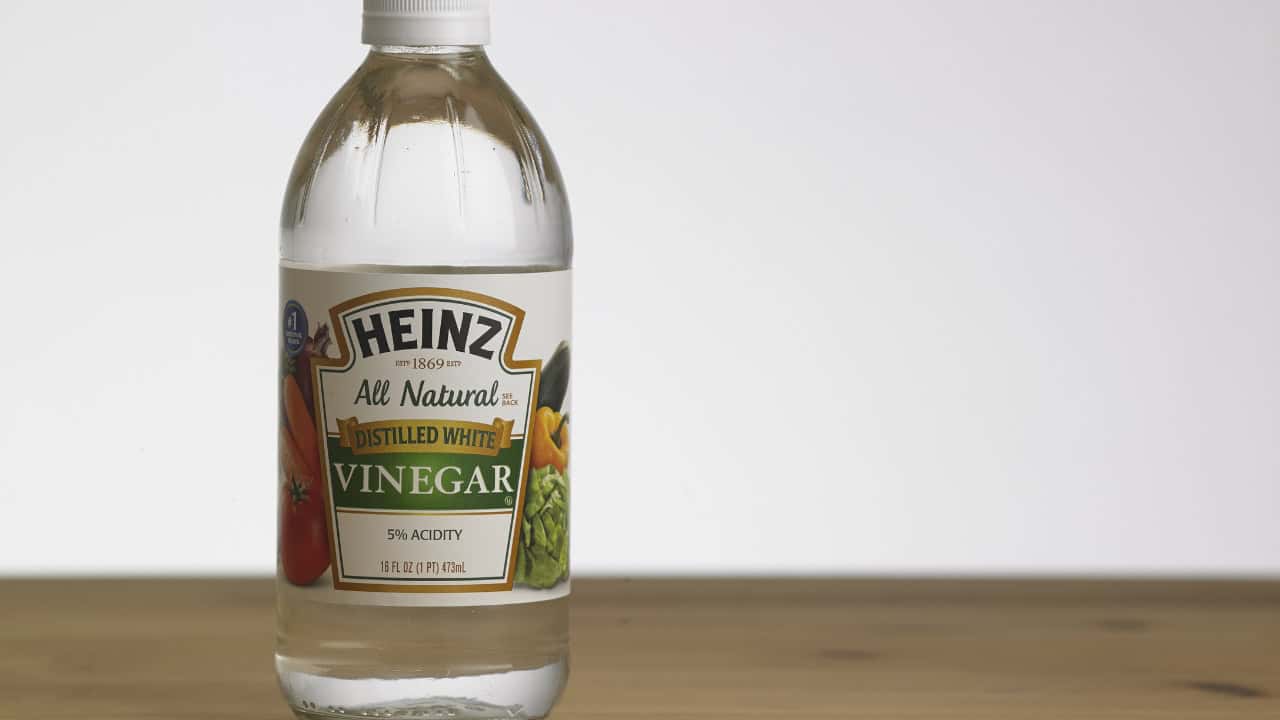
Using the wrong cleaners on wood surfaces can lead to noticeable damage. Many common household cleaners contain harsh chemicals that can strip away finishes or dull the wood’s natural beauty.
For instance, cleaners with vinegar can be acidic, causing the surface to lose its shine over time. Instead, opt for products specifically designed for wood.
A gentle, pH-balanced wood floor cleaner will help maintain both appearance and durability. Always read labels to ensure your chosen product is safe for your wooden surfaces.
11. Wearing shoes indoors
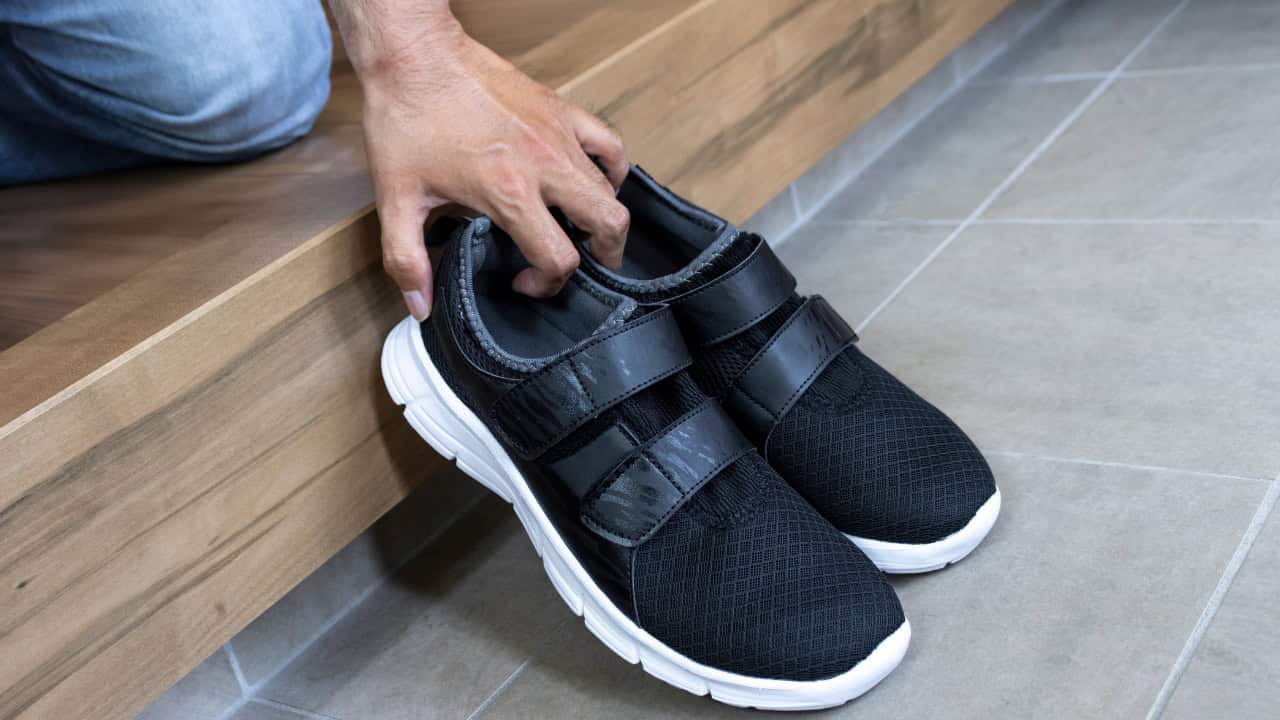
Wearing shoes in your home might seem harmless, but it can lead to unexpected issues.
Shoes can track in dirt, germs, and pollutants from outside. This includes bacteria and chemicals that can settle on your floors and surfaces.
Moreover, hard soles can scratch or damage your flooring over time.
If you enjoy the comfort of clean spaces, consider taking off your shoes at the door. It can help maintain a fresher and healthier environment in your home.
12. Not sealing granite countertops

If you have granite countertops, it’s essential to seal them regularly. Failing to do so can lead to staining and unwanted bacteria growth.
Granite is porous, meaning it can absorb liquids and spills. If not sealed, these substances can penetrate the stone, causing damage and discoloration.
To check if your countertop needs resealing, perform a simple water test. Pour a few drops of water on the surface. If it beads up, your seal is intact. If it soaks in, it’s time to reseal.
Regular sealing helps maintain the beauty and cleanliness of your countertops. Aim to seal them upon installation and then once a year for optimal protection.
*This article was created with the help of AI.