


Starting a garden is an exciting step toward growing your own food, flowers, or decorative plants. However, successful gardening is not only about seeds and soil. Having the right tools can make the process much easier and more enjoyable. When beginners try to garden without proper equipment, simple tasks such as digging, planting, and trimming can become difficult and time-consuming.
Fortunately, you do not need a large collection of tools to begin. A small set of reliable gardening tools can handle most basic tasks in a home garden. With the right equipment, you will be able to prepare soil, plant seeds, maintain plants, and keep your garden healthy throughout the growing season.
Why Gardening Tools Matter
Gardening tools are designed to make work more efficient and protect both plants and gardeners. Using the correct tool allows you to handle soil and plants gently without causing unnecessary damage. For example, sharp pruning tools help create clean cuts on plants, which encourages healthier growth and reduces the risk of disease. (Te Atualiza)
Tools also save time and effort. Instead of struggling with hard soil or weeds by hand, a simple tool can make the job quick and manageable. For beginners, investing in a few essential tools helps build confidence and makes gardening more enjoyable.
Hand Trowel
A hand trowel is often considered the most important tool for beginner gardeners. It is a small, handheld shovel that is perfect for digging holes, transplanting seedlings, and removing weeds. Because of its compact size, it is ideal for container gardening, flower beds, and raised garden beds. (Homes Garden Care)
Gardeners use trowels for many everyday tasks, such as planting bulbs, moving small plants, or mixing compost into the soil. When choosing a trowel, look for one made from stainless steel or durable metal. A comfortable handle is also important because it reduces strain on your hand during longer gardening sessions.
Since this tool is used so frequently, many gardeners consider it the first tool they purchase when starting their gardening journey.
Pruning Shears
Pruning shears, also called secateurs, are essential for trimming and maintaining plants. These sharp cutting tools are designed to remove dead branches, shape shrubs, and harvest fruits or vegetables from plants. Using pruning shears instead of regular scissors ensures clean cuts that help plants heal faster and grow stronger. (Te Atualiza)
There are two common types of pruning shears. Bypass pruners are best for cutting live plant stems because they slice cleanly through the material. Anvil pruners, on the other hand, are better suited for cutting dry or woody branches.
Regular pruning improves the health of plants by removing damaged growth and encouraging new branches to develop. For beginners who want to maintain neat and productive gardens, pruning shears quickly become one of the most useful tools.
Gardening Gloves
Gardening gloves may seem simple, but they are extremely important for protecting your hands. Working in the garden often involves handling soil, sharp tools, thorns, and rough plant stems. Gloves protect your skin from cuts, scratches, and blisters.
Another advantage of gardening gloves is that they improve grip. Wet soil or slippery tools can easily slip from bare hands, but gloves provide better control and safety.
Many gardeners prefer gloves made from breathable materials that allow flexibility while still offering strong protection. A good pair of gloves will last through many gardening seasons and make outdoor work much more comfortable.
Garden Fork
A garden fork is another valuable tool for beginners. It features strong metal tines that help loosen compacted soil, mix compost, and improve soil structure. When soil becomes hard and packed down, plant roots struggle to grow properly.
Using a garden fork helps break up the soil, allowing air, water, and nutrients to reach plant roots more easily. This process also improves drainage and encourages healthy plant development.
Garden forks are especially useful when preparing new garden beds or refreshing soil at the start of the growing season.
Watering Can or Garden Hose
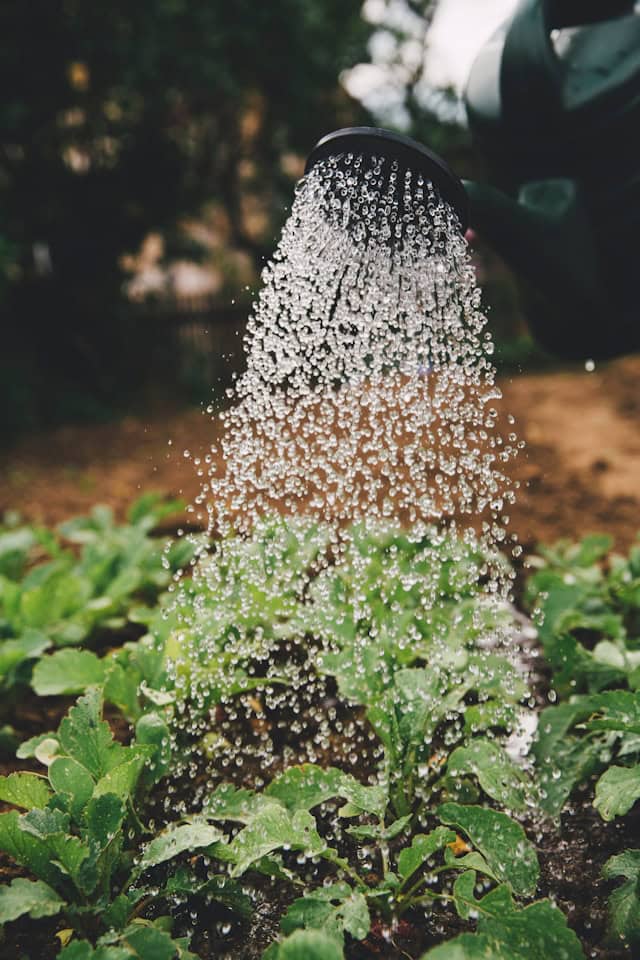
Watering plants is one of the most important parts of gardening, and the right watering tool helps deliver moisture evenly and efficiently. A watering can is ideal for small gardens, containers, and delicate seedlings because it provides gentle water flow that will not disturb the soil. (Homes Garden Care)
Most watering cans include a removable rose nozzle that spreads water evenly across plants. This prevents soil from washing away and protects fragile plants.
For larger gardens, a garden hose with an adjustable nozzle can make watering faster and more convenient. Many nozzles offer different spray patterns, allowing gardeners to control the water flow depending on the needs of their plants.
Garden Hoe
A garden hoe is commonly used for removing weeds and cultivating soil. Weeds compete with plants for sunlight, nutrients, and water, so controlling them is essential for maintaining a healthy garden.
The flat blade of a hoe allows gardeners to cut weeds just below the soil surface. It can also be used to create planting rows for seeds or loosen the top layer of soil.
For beginners, a lightweight hoe is usually the best choice because it is easier to control and requires less effort to use.
Garden Rake
A rake is a helpful tool for keeping your garden tidy and preparing planting beds. It can remove leaves, small rocks, and debris from the soil surface. Rakes are also used to level soil and spread mulch evenly across garden beds. (Homes Garden Care)
There are two main types of rakes. Leaf rakes have flexible tines and are best for collecting leaves or light debris. Garden rakes have stronger metal tines and are used for soil preparation and leveling.
Maintaining clean garden beds helps plants grow more effectively and prevents pests from hiding in debris.
Spade or Shovel
A spade or shovel is necessary for heavier digging tasks. While smaller tools like trowels are useful for planting, larger digging tools are needed when creating new garden beds or moving soil.
Spades have flat blades and are often used for edging garden beds, digging holes, or lifting plants from the soil. Shovels typically have curved blades and are better suited for moving soil, compost, or mulch.
Investing in a sturdy spade or shovel can make many gardening projects much easier.
Wheelbarrow or Garden Cart
Although not required for very small gardens, a wheelbarrow or garden cart can be extremely helpful when moving heavy materials. Soil, compost, mulch, and garden debris can be difficult to carry by hand.
Using a wheelbarrow allows gardeners to transport large amounts of material quickly and safely. It also reduces strain on the back and arms.
For beginners planning to expand their garden, this tool can become very useful as the garden grows.
Choosing Quality Tools
When buying gardening tools, quality should always be a priority. Well-made tools last longer and perform better than cheaper alternatives. Durable materials such as stainless steel and hardwood handles often provide better performance and reliability.
It is also important to choose tools that feel comfortable to use. Ergonomic handles reduce fatigue and make gardening tasks easier, especially during long sessions in the garden.
Taking care of your tools is just as important as choosing them. Cleaning tools after use and storing them in a dry place will prevent rust and extend their lifespan.
Building Your Gardening Toolkit Over Time
Many beginners feel they must purchase every gardening tool at once, but this is not necessary. In reality, most gardeners start with only a few basic tools and gradually expand their collection as their gardens grow.
A hand trowel, pruning shears, gloves, and a watering can are enough to begin many small gardens. As you gain experience, you may decide to add more specialized tools depending on the type of plants you grow.
Gardening is a journey of learning and discovery. With the right tools and a willingness to experiment, beginners can quickly develop the skills needed to maintain a thriving and beautiful garden.