
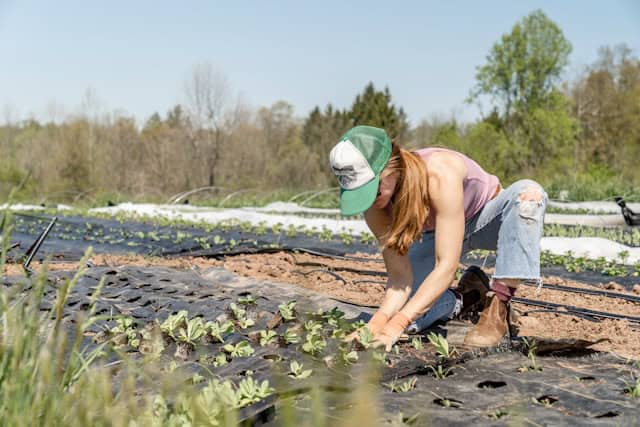
Gardening is not only a rewarding hobby but also an opportunity to contribute positively to the environment. Eco-friendly gardening focuses on sustainable practices that conserve resources, reduce waste, and support local ecosystems. By adopting sustainable gardening techniques, you can create a thriving, productive garden while minimizing your ecological footprint.
This guide outlines practical eco-friendly gardening tips to help you cultivate a sustainable, healthy, and environmentally conscious garden.
Why Eco-Friendly Gardening Matters
Sustainable gardening practices benefit both your garden and the environment:
- Conserves water: Reduces water usage and ensures efficient irrigation.
- Supports biodiversity: Encourages pollinators, beneficial insects, and native plants.
- Reduces chemical use: Minimizes synthetic fertilizers and pesticides, protecting soil and waterways.
- Improves soil health: Promotes nutrient-rich soil through composting and natural amendments.
- Reduces waste: Recycles organic material and garden scraps into compost.
By adopting eco-friendly methods, gardeners can enjoy a productive garden while promoting environmental stewardship.
1. Use Organic Fertilizers
Instead of chemical fertilizers, opt for natural alternatives:
- Compost: Recycles kitchen scraps and yard waste into nutrient-rich soil amendment.
- Vermicompost: Worm castings provide a slow-release, balanced source of nutrients.
- Manure: Properly composted animal waste adds nitrogen, phosphorus, and potassium.
- Seaweed or kelp extract: Supplies micronutrients and promotes strong root development.
Organic fertilizers enhance plant growth while maintaining soil health and reducing pollution.
2. Practice Water Conservation
Efficient watering techniques save water and promote healthier plants:
- Drip irrigation: Delivers water directly to roots, reducing evaporation and runoff.
- Mulching: Retains soil moisture, suppresses weeds, and reduces the need for frequent watering.
- Rainwater harvesting: Collect rainwater in barrels to irrigate your garden sustainably.
- Watering at the right time: Water early in the morning or late in the evening to reduce water loss.
Sustainable watering ensures plants receive sufficient hydration without wasting valuable resources.
3. Compost and Recycle Organic Waste
Turning garden and kitchen waste into compost is a cornerstone of eco-friendly gardening:
- Kitchen scraps: Fruit and vegetable peels, coffee grounds, and eggshells can be composted.
- Garden debris: Leaves, grass clippings, and plant trimmings enrich compost piles.
- Soil enrichment: Compost improves soil structure, fertility, and microbial life.
Recycling organic waste reduces landfill contributions and provides free, nutrient-rich fertilizer for your garden.
4. Plant Native and Drought-Tolerant Species
Native plants are well-adapted to local climates and require less maintenance:
- Water efficiency: Native and drought-tolerant plants need less irrigation once established.
- Support wildlife: Provide food and habitat for native birds, bees, and pollinators.
- Disease resistance: These plants are naturally resilient against pests and diseases.
Selecting native species reduces environmental impact while creating a thriving ecosystem in your garden.
5. Reduce Chemical Pesticides
Eco-friendly pest control protects beneficial insects and the environment:
- Companion planting: Use plants like marigolds, basil, and chives to naturally repel pests.
- Beneficial insects: Encourage ladybugs, lacewings, and predatory wasps to control harmful pests.
- Homemade sprays: Use neem oil, garlic, or mild soap solutions as safe alternatives to chemical pesticides.
- Physical barriers: Row covers, netting, and copper tape prevent damage from pests like slugs and caterpillars.
Reducing chemical use preserves soil health, pollinators, and water quality.
6. Minimize Lawn Space
Lawns often require excessive water, fertilizers, and mowing:
- Replace with native plants: Shrubs, groundcovers, and perennials provide habitat and conserve resources.
- Edible gardens: Grow vegetables and herbs instead of maintaining large grassy areas.
- Wildflower meadows: Promote biodiversity and reduce maintenance needs.
Reducing lawn space lowers environmental impact while enhancing garden productivity.
7. Encourage Biodiversity
A diverse garden is more resilient and sustainable:
- Plant variety: Include flowers, vegetables, shrubs, and herbs to attract beneficial insects.
- Create habitats: Add birdhouses, insect hotels, and small water features to support wildlife.
- Avoid monocultures: Growing a single plant type can encourage pests and soil depletion.
Biodiversity strengthens ecosystems and reduces reliance on chemical interventions.
8. Practice Crop Rotation and Polyculture
Rotating crops and growing multiple plant species together improves soil health and reduces pests:
- Crop rotation: Plant different families of crops in the same location each season to prevent nutrient depletion and disease buildup.
- Polyculture: Mixing crops creates a more resilient garden and naturally deters pests.
These methods sustain soil fertility and encourage long-term productivity.
9. Use Recycled and Sustainable Materials
Eco-friendly gardening extends beyond plants:
- Recycled containers: Use old pots, buckets, or crates for planting.
- Natural mulch: Shredded leaves, straw, or wood chips reduce waste and improve soil.
- Eco-friendly tools: Choose durable tools and avoid single-use plastics in garden care.
Sustainable materials reduce waste and make gardening environmentally responsible.
10. Monitor and Maintain Soil Health
Healthy soil is the foundation of sustainable gardening:
- Regular testing: Monitor pH and nutrient levels to adjust amendments as needed.
- Organic matter: Incorporate compost or mulch to support microbial life.
- Minimal disturbance: Avoid excessive tilling to preserve soil structure and beneficial organisms.
Well-maintained soil ensures plants thrive naturally, reducing the need for artificial inputs.
Conclusion
Eco-friendly gardening combines thoughtful planning, sustainable practices, and respect for nature. By using organic fertilizers, conserving water, composting, planting native species, reducing chemicals, promoting biodiversity, and maintaining healthy soil, gardeners can create thriving, sustainable gardens that benefit both plants and the environment.
Implementing these tips helps you cultivate a garden that is productive, low-maintenance, and environmentally responsible. Sustainable gardening practices ensure that your green space remains healthy, beautiful, and resilient for years to come.