
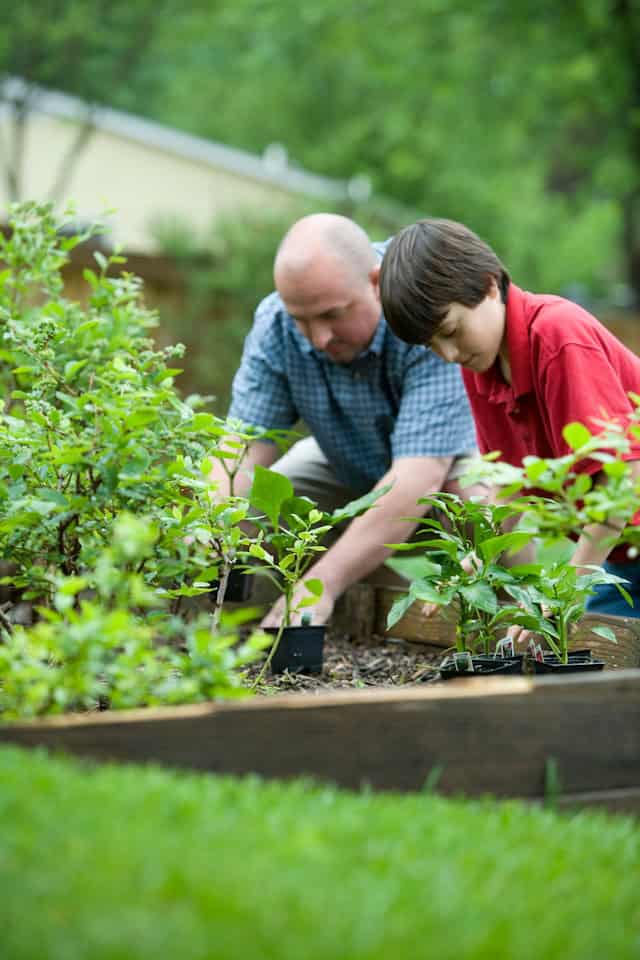
Starting a vegetable garden can be exciting but also intimidating for beginners. Choosing the right vegetables can make the process much simpler and more rewarding. Some vegetables are hardy, fast-growing, and forgiving of minor mistakes, making them ideal for new gardeners. By selecting easy-to-grow vegetables, beginners can enjoy a productive garden without feeling overwhelmed.
This guide highlights vegetables that thrive with minimal effort, offer reliable yields, and help new gardeners gain confidence while building their gardening skills.
Why Beginners Should Start with Easy Vegetables
New gardeners often struggle with soil preparation, watering schedules, pest management, and proper sunlight requirements. Starting with vegetables that are naturally resilient reduces frustration and ensures early success.
Easy-to-grow vegetables are forgiving of occasional mistakes such as inconsistent watering or minor neglect. They also tend to grow quickly, providing early harvests that encourage gardeners to continue learning and expanding their gardens.
Lettuce and Other Leafy Greens
Leafy greens like lettuce, spinach, kale, and arugula are some of the easiest vegetables to grow. They are fast-growing, often ready to harvest in just a few weeks.
- Planting: Lettuce and similar greens can be grown directly from seeds or seedlings. They tolerate partial shade and thrive in cool weather.
- Maintenance: These plants require regular watering but minimal fertilization. Harvest outer leaves to allow continuous growth.
- Benefits: Leafy greens provide a quick yield and are perfect for salads, sandwiches, and cooking.
Because they grow quickly and repeatedly, leafy greens are ideal for beginner gardeners looking for instant results.
Radishes
Radishes are one of the fastest-growing root vegetables, often ready to harvest in just three to four weeks.
- Planting: Sow seeds directly into well-drained soil. Radishes thrive in cooler temperatures, making them suitable for spring or fall gardens.
- Maintenance: Radishes require minimal care—just regular watering and occasional thinning to prevent overcrowding.
- Benefits: Radishes are excellent for small spaces and can be interplanted with other crops to maximize garden productivity.
Their quick growth and easy cultivation make radishes a beginner-friendly choice.
Carrots
Carrots are slightly slower than radishes but still easy for beginners, especially compact or small varieties like ‘Thumbelina’ or ‘Little Finger.’
- Planting: Sow seeds directly into loose, well-drained soil. Carrots prefer full sun but tolerate partial shade.
- Maintenance: Keep soil consistently moist, and thin seedlings to prevent overcrowding.
- Benefits: Carrots are nutritious, versatile in cooking, and can be harvested over several weeks as needed.
Carrots teach beginners about root crops and soil preparation, making them a valuable addition to any garden.
Bush Beans
Bush beans are compact and productive, making them ideal for small gardens and beginners.
- Planting: Sow seeds directly into the soil after the last frost. Bush beans do not require trellises or stakes.
- Maintenance: They need consistent watering and occasional fertilization. Harvest regularly to encourage continuous production.
- Benefits: Bush beans provide a generous yield, are resistant to many pests, and help improve soil fertility by fixing nitrogen.
Bush beans are simple to grow and highly rewarding for new gardeners.
Tomatoes (Compact Varieties)
Tomatoes are popular and relatively easy for beginners, especially determinate (bush) or cherry varieties.
- Planting: Start seeds indoors or purchase seedlings. Plant in full sun and provide well-drained soil enriched with compost.
- Maintenance: Stake or cage plants to support growth. Regular watering, pruning, and fertilization promote healthy development.
- Benefits: Tomatoes offer continuous harvests, flavorful fruits, and opportunities to experiment with different varieties.
Starting with compact tomato varieties reduces space requirements and simplifies care for beginners.
Cucumbers (Bush or Container Varieties)
Cucumbers grow quickly and can thrive in containers or small garden beds. Bush or dwarf varieties are particularly beginner-friendly.
- Planting: Sow seeds directly or transplant seedlings into sunny, well-drained soil.
- Maintenance: Water consistently and consider vertical supports for vining types to save space.
- Benefits: Cucumbers produce an abundant harvest and can be eaten fresh or pickled.
Their fast growth and minimal maintenance make cucumbers an excellent choice for new gardeners.
Zucchini and Summer Squash (Compact Varieties)
Zucchini and summer squash are easy to grow and highly productive. Compact or bush varieties are suitable for small gardens.
- Planting: Sow seeds after the last frost in sunny, fertile soil.
- Maintenance: Water regularly and remove any damaged leaves. Harvest fruits frequently to encourage continued production.
- Benefits: Zucchini grows quickly, requires minimal care, and produces abundant vegetables during the season.
Zucchini is a reliable crop that gives beginners confidence in their gardening abilities.
Herbs
Many culinary herbs are simple to grow and offer both flavor and convenience. Basil, chives, parsley, oregano, and mint are particularly easy for beginners.
- Planting: Sow seeds or transplant seedlings into containers or garden beds with well-drained soil.
- Maintenance: Water moderately and harvest leaves regularly to encourage bushy growth.
- Benefits: Fresh herbs enhance meals, repel some garden pests, and grow well in small spaces.
Herbs are perfect for beginners who want quick results and low-maintenance gardening.
Tips for Beginner Gardeners
- Start Small: Focus on a few vegetables at first to avoid being overwhelmed.
- Use Containers: Raised beds, pots, or window boxes can simplify soil management and space use.
- Observe and Adjust: Monitor plant growth, soil moisture, and sunlight exposure to make adjustments as needed.
- Succession Planting: Plant new crops as you harvest early vegetables to maintain a continuous yield.
- Mulch and Fertilize: Use mulch to retain moisture and organic fertilizers to support healthy growth.
Enjoying a Successful Beginner Garden
Growing vegetables as a beginner is both educational and rewarding. By choosing easy-to-grow vegetables such as leafy greens, radishes, carrots, bush beans, compact tomatoes, cucumbers, zucchini, and herbs, new gardeners can enjoy early successes and develop confidence.
With attention to sunlight, soil, watering, and harvesting, even small gardens can produce bountiful, nutritious, and flavorful vegetables. Starting with these beginner-friendly crops ensures a positive gardening experience and lays the foundation for expanding your garden in the future.