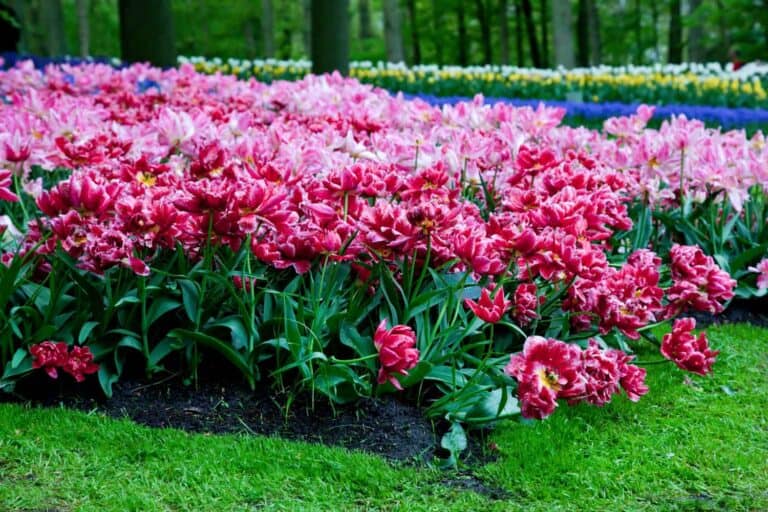
When spending time in nature, it’s easy to be captivated by the beauty of various plants. Yet, some of these seemingly innocent flora can pose serious risks to your skin and health. Being aware of which plants to avoid is crucial for a safe and enjoyable outdoor experience.
You may love exploring gardens or hiking trails, but it’s important to know that not all pretty plants are friendly. Familiarizing yourself with these specific plants can help you steer clear of painful reactions and ensure your adventures remain a pleasure.
Advertisement
Manchineel Tree
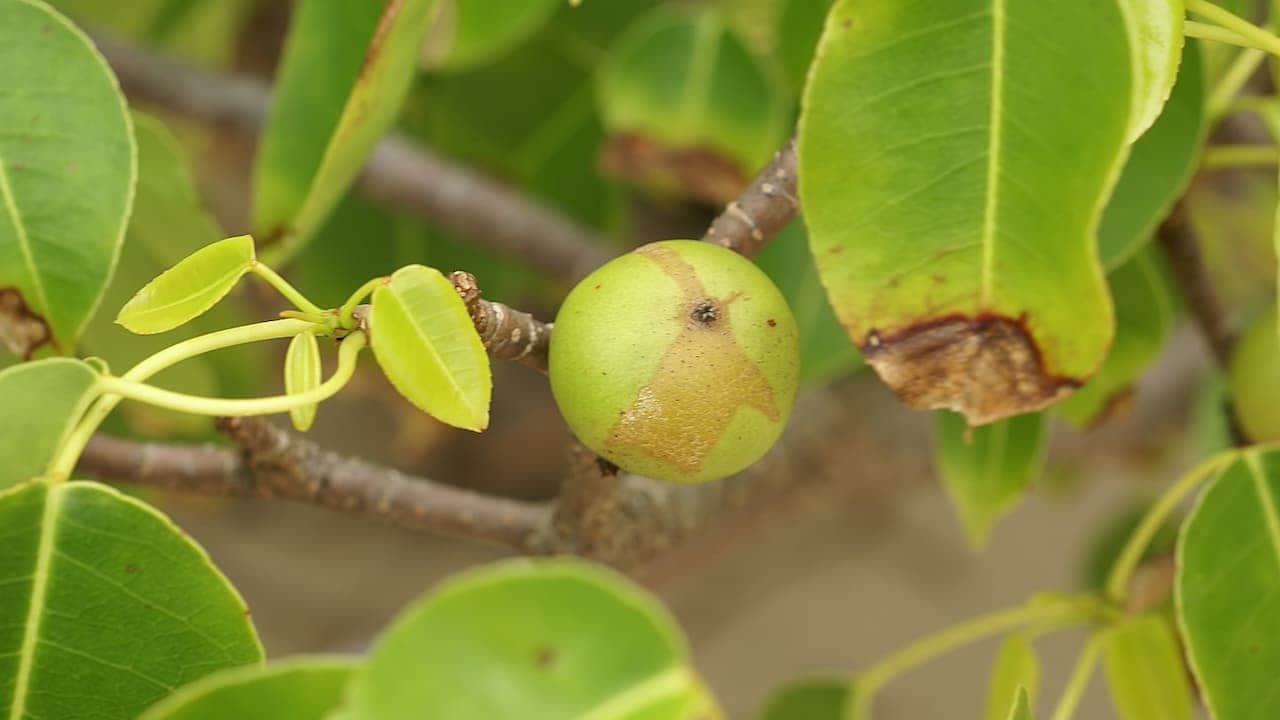
The manchineel tree is known as one of the most toxic trees in the world. Its milky-white sap can cause severe blistering upon contact with your skin.
Even standing under this tree during rain can be dangerous, as the water mixed with the sap can irritate your skin. If you encounter this tree, it’s best to admire it from a distance.
Poison Ivy
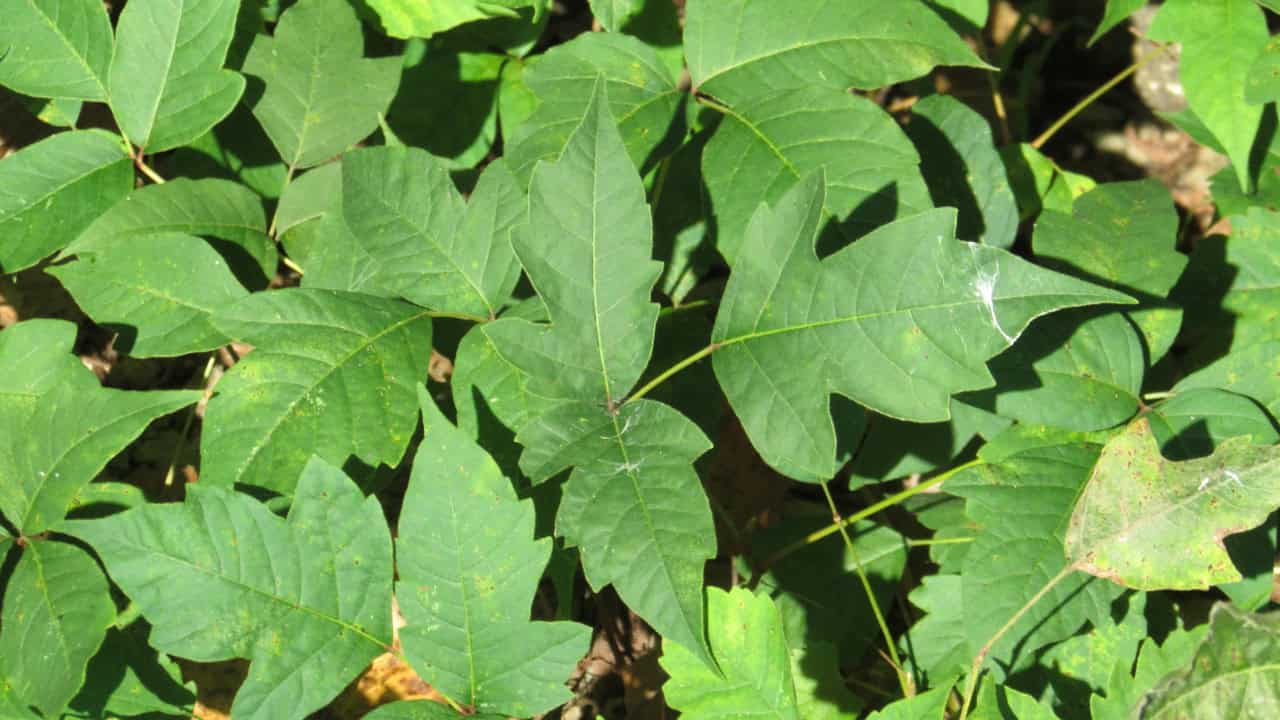
You’ll want to avoid poison ivy when exploring outdoors. This plant can cause a painful rash due to its oil, urushiol. The rash often appears as itchy, red blisters.
If you come into contact with it, wash your skin immediately with soap and water. Identifying poison ivy is key; remember, its leaves usually have three leaflets.
Stinging Nettle

Stinging nettle is a plant that can catch you off guard. When you brush against its leaves, tiny hairs release a painful sting. This sensation can last for a while, causing a burning feeling on your skin.
If you happen to get stung, don’t panic. Many people find that rubbing jewelweed on the area helps soothe the irritation. Just remember to admire stinging nettle from a safe distance!
Giant Hogweed
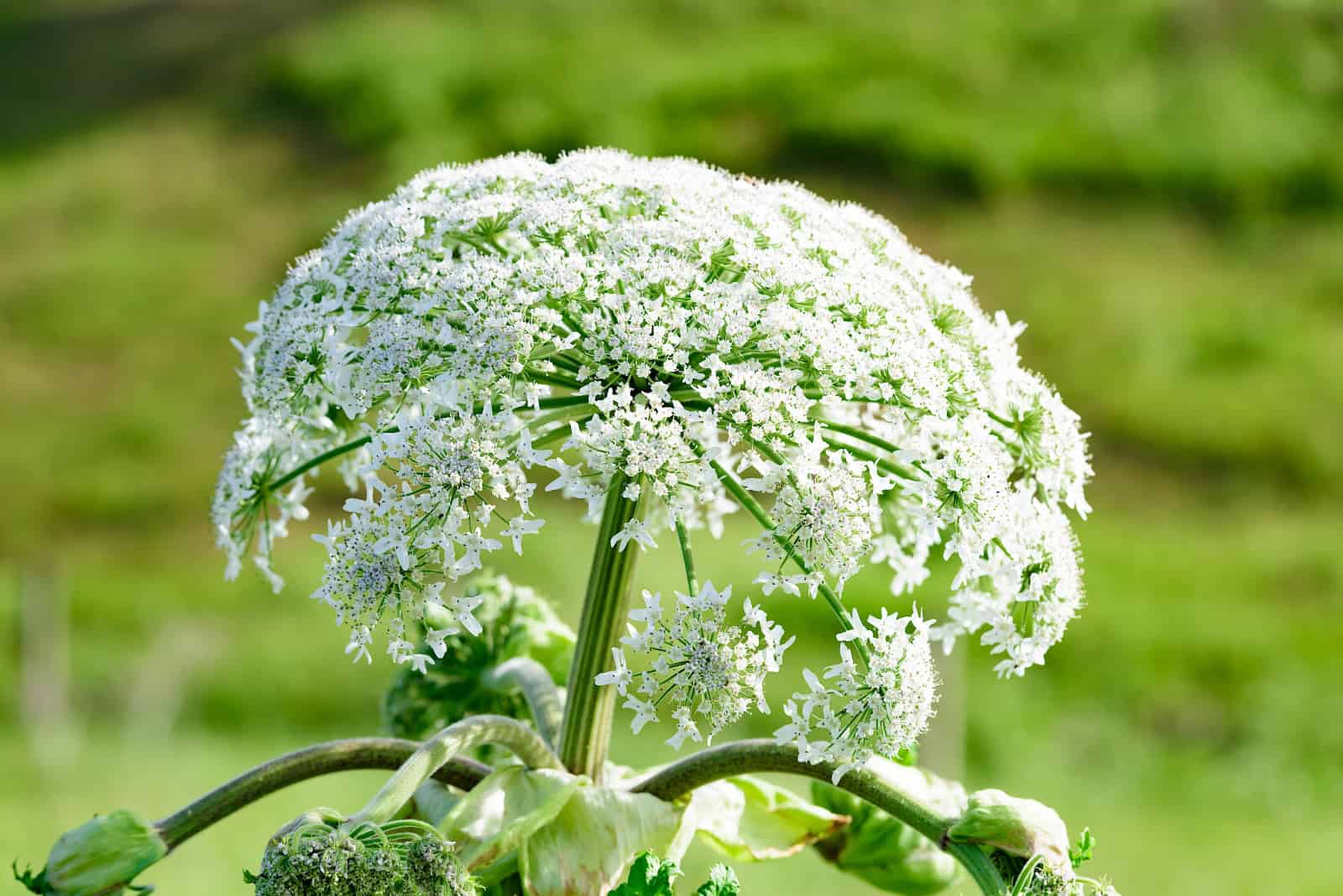
Giant hogweed is a striking plant, but it’s best to admire it from a distance. Contact with its sap can lead to severe skin irritation and even burns when exposed to sunlight.
If you’re near this plant, remember to avoid touching it entirely. Its effects can be quite serious, so it’s wise to stay cautious.
Gympie Gympie
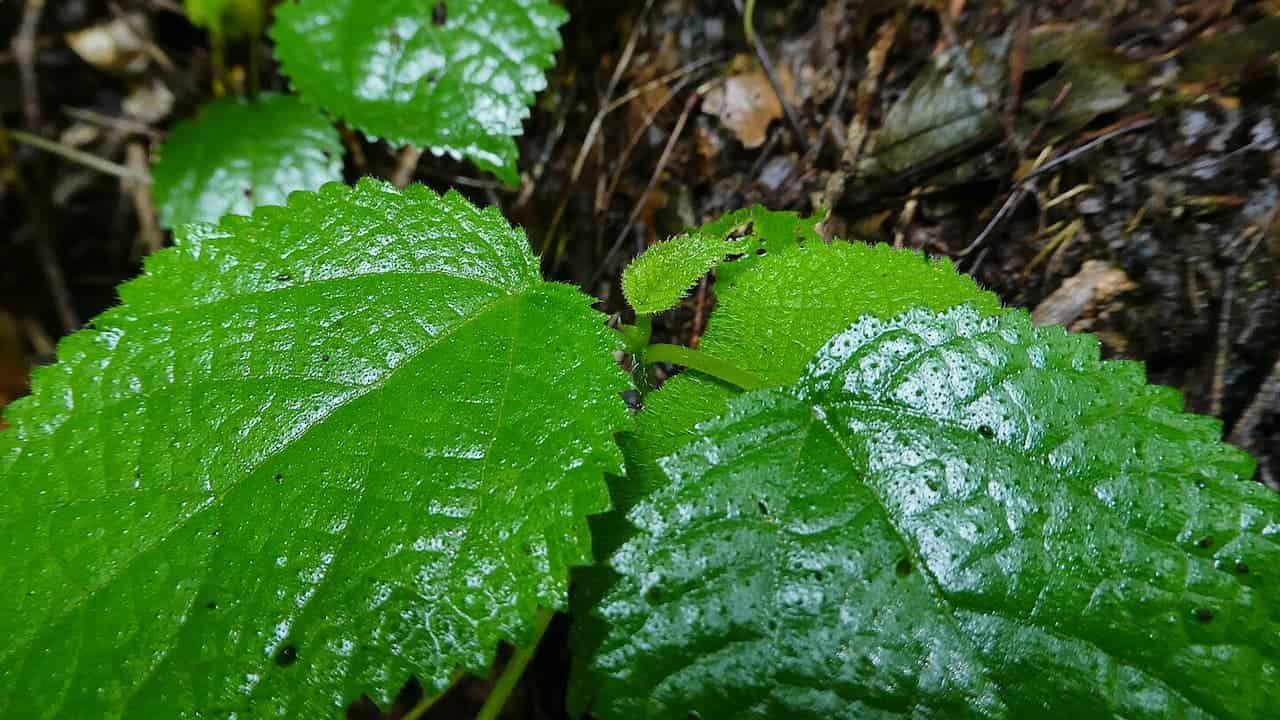
The Gympie Gympie is a beautiful yet dangerous plant. Its alluring leaves hide a painful sting that can last for months.
If you accidentally touch it, prepare for excruciating pain. Many people describe the experience as unforgettable, to say the least. Make sure to admire this plant from a safe distance!
Pain Bush
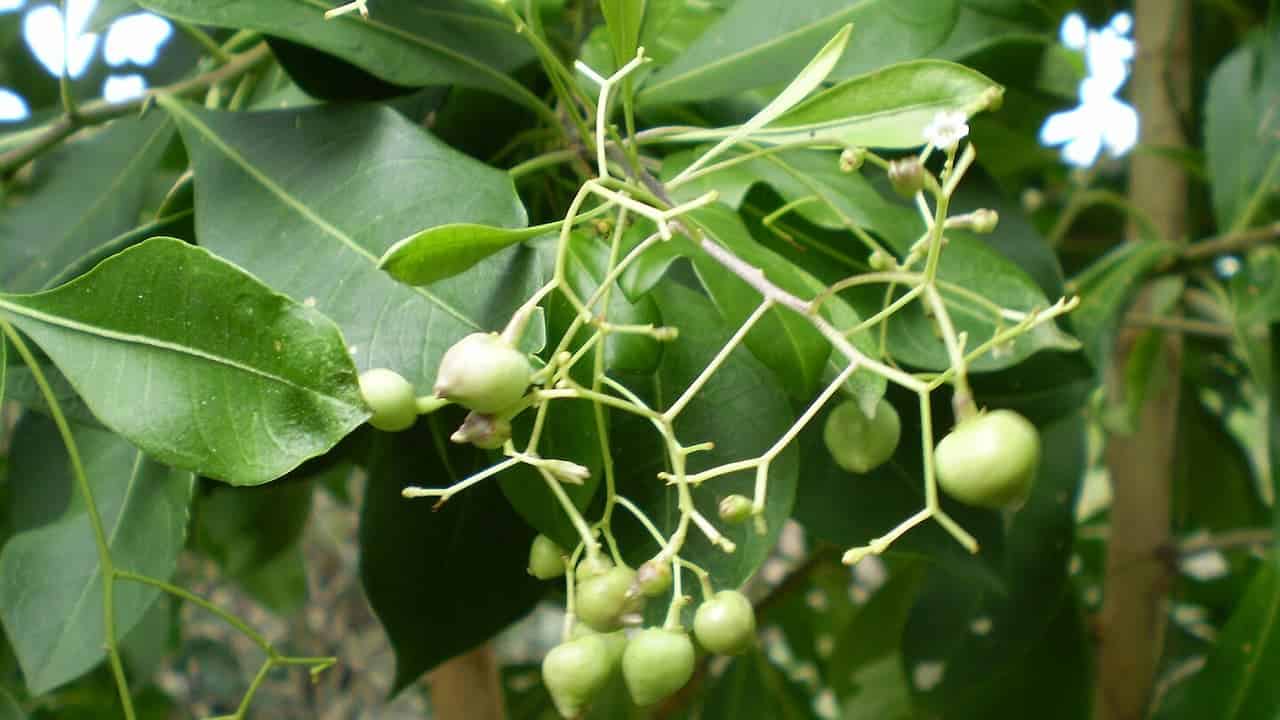
Pain Bush, known scientifically as Duboisia myoporoides, is a plant you definitely want to avoid. Its leaves contain toxins that can cause severe irritation to your skin.
If you happen to touch it, you may experience a burning sensation that lasts for days. Always admire this plant from a distance to stay safe!
Water Hemlock
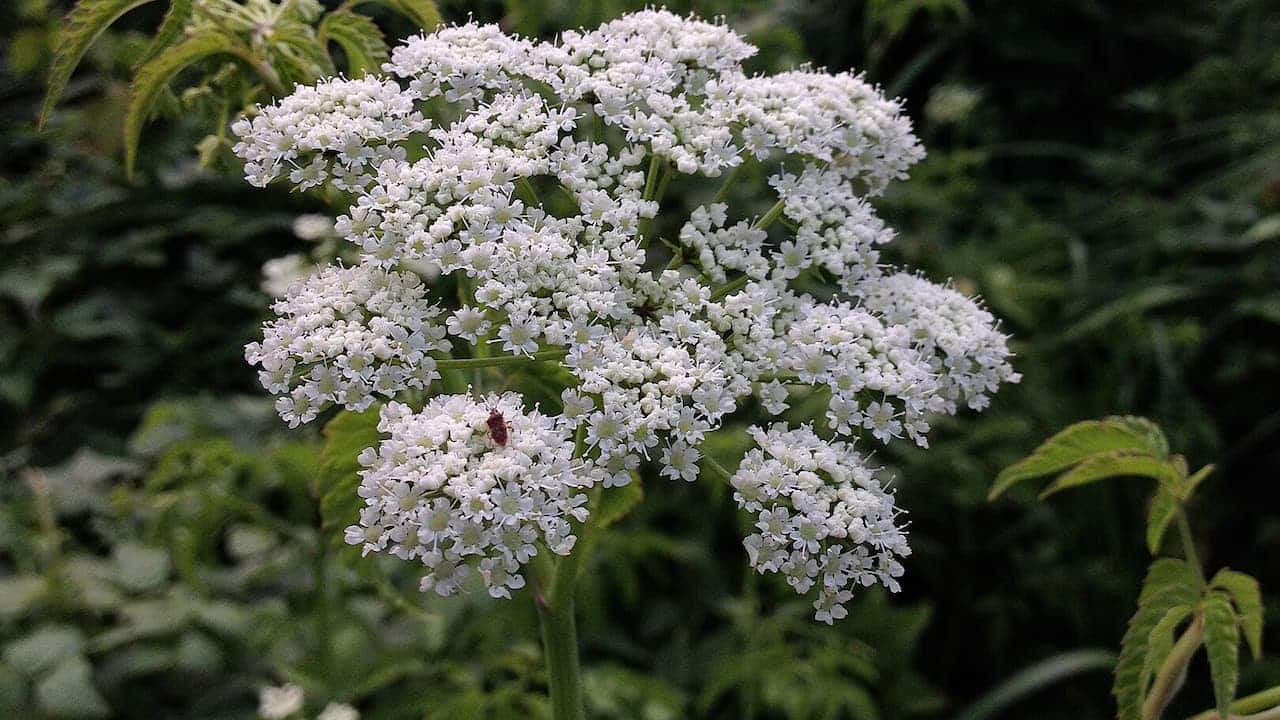
Water hemlock is one of the most toxic plants you may encounter. It contains potent alkaloids that can be harmful if ingested, affecting your nervous system.
If you come across this plant, admire it from a distance. Its appearance may be appealing, but touching or consuming any part of it can lead to serious health issues. Stay safe and avoid water hemlock!
Tread-softly
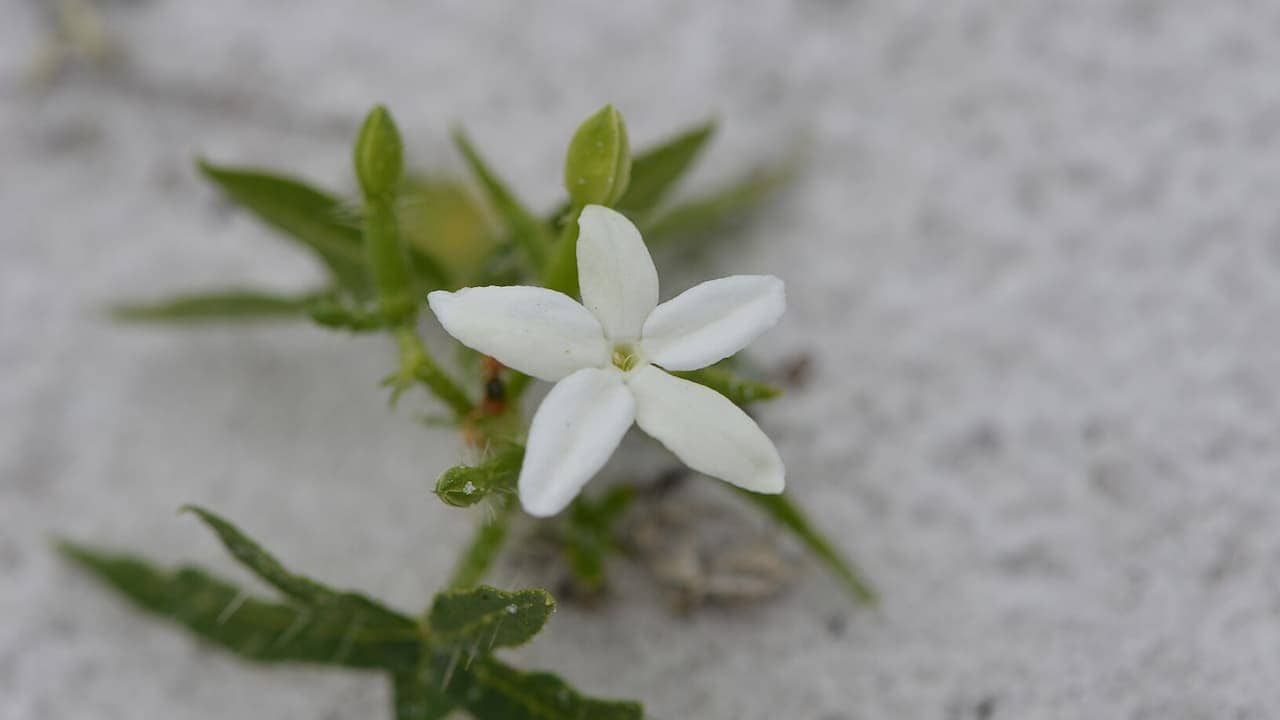
Tread-softly is a beautiful plant, but it comes with a warning. Its hairs can cause a painful rash and irritation if touched.
You might be tempted to admire its delicate appearance, but it’s best to appreciate it from a distance. Stay safe and avoid contact to keep your skin happy!
Dendrocnide Moroides
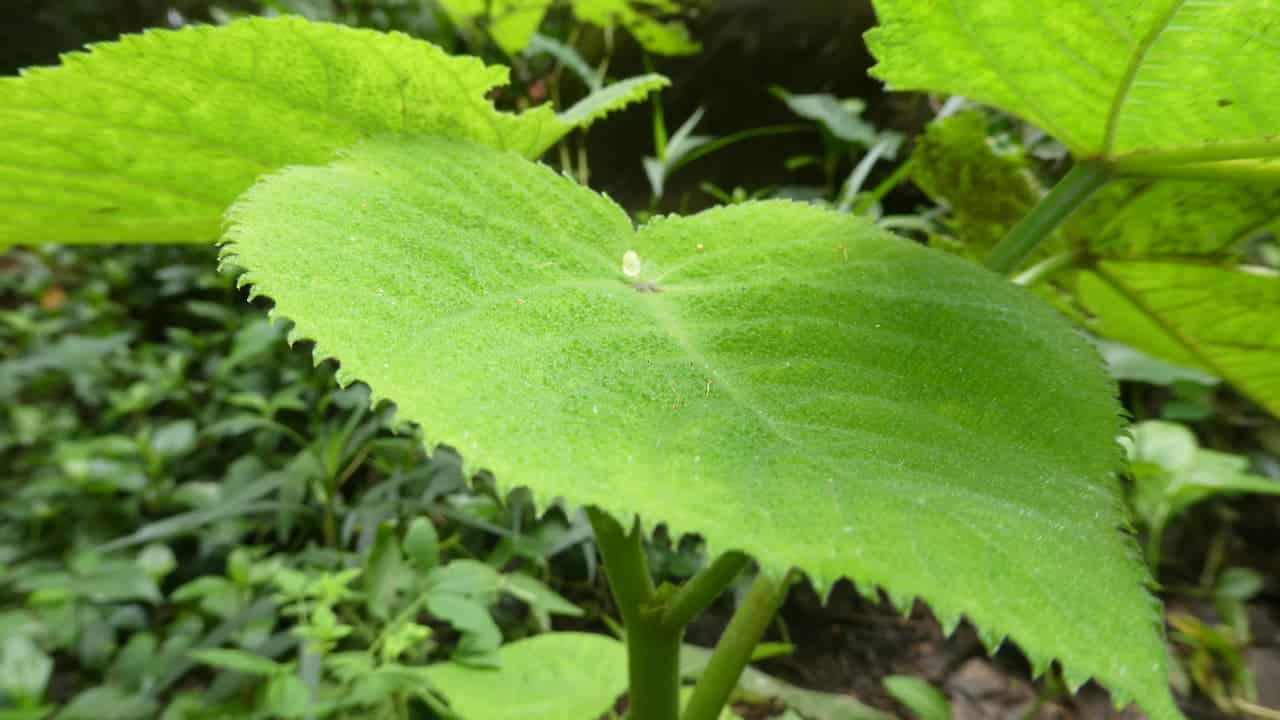
Dendrocnide moroides, commonly known as the gympie-gympie, is a plant you definitely want to avoid touching. Its leaves are covered in tiny, hair-like structures that deliver an incredibly painful sting.
This sting can cause severe discomfort and last for months. If you encounter this plant, appreciate its beauty from a distance!
Western Water Hemlock
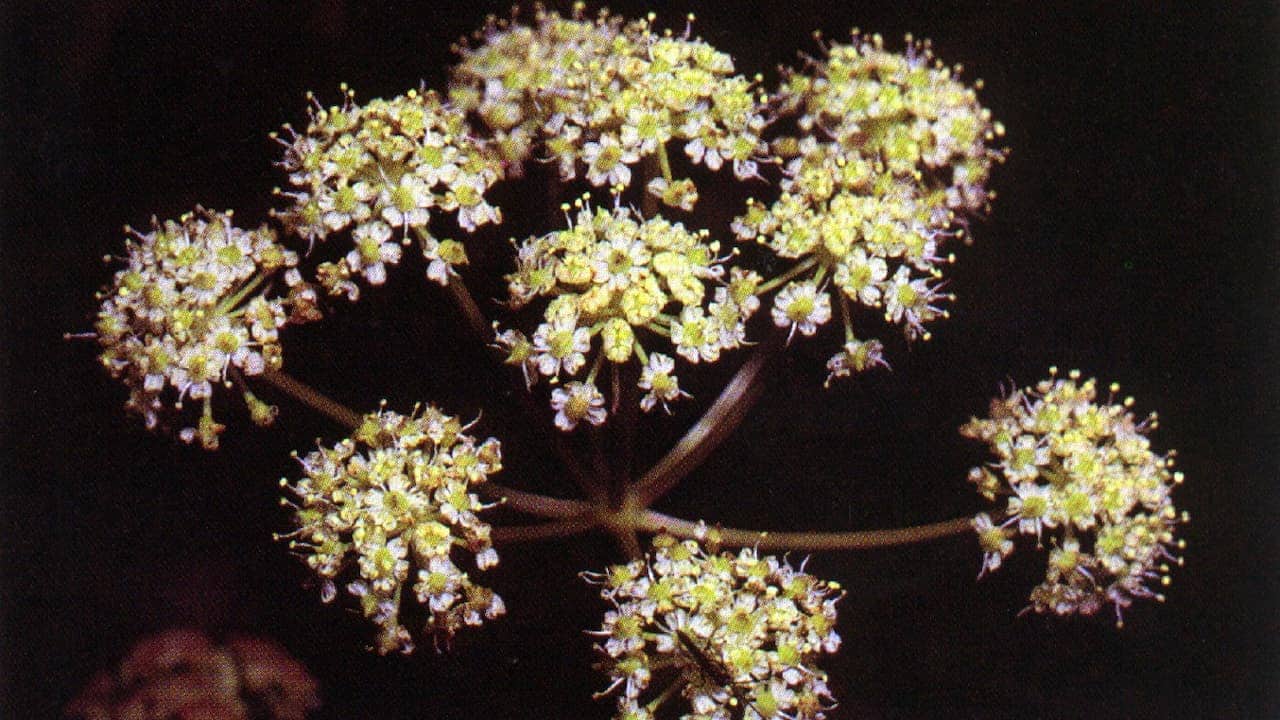
Western water hemlock is one of the most toxic plants in North America. If you come across it, keep your distance. Its toxins can be absorbed through the skin, causing serious health issues if ingested.
Always remember, even touching the plant can be risky, as the smoke from burning it can release harmful substances. Stay safe and admire this plant from afar!
Hairy Bittercress

Hairy bittercress is a plant that you may encounter in your garden or lawn. While its small white flowers might catch your eye, don’t get too close.
This weed is known for its explosive seed dispersal, launching seeds up to 16 feet away when disturbed. It’s edible, with a mild peppery flavor, but can quickly invade your space.
Bull Nettle
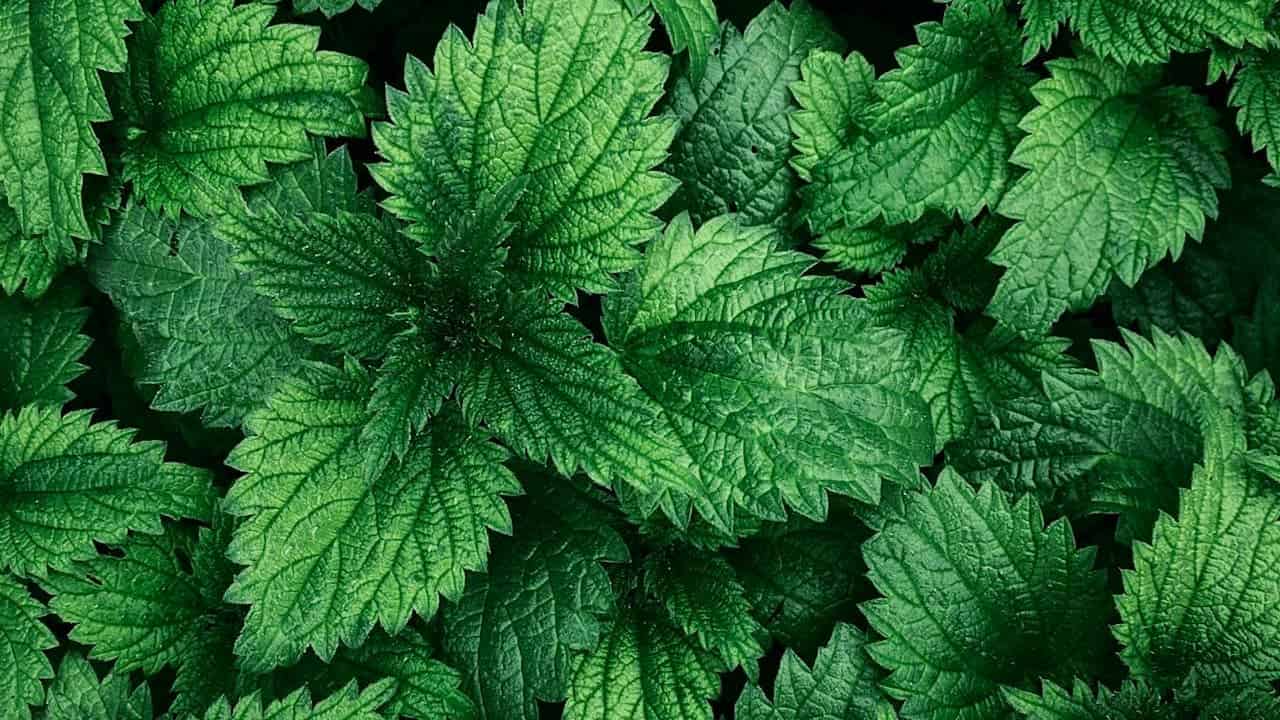
Bull Nettle is a plant you should definitely avoid. Its hairy leaves and stems can deliver a painful sting. If you brush against it, you may experience a burning sensation and itchy welts on your skin.
This plant is often found in open fields and along roadsides. Be cautious and keep your distance to enjoy nature without the discomfort.