Your garage might seem like the perfect catch-all storage space, but it’s important to know that not everything belongs there. Storing certain items in your garage can lead to damage or dangerous situations, so it’s essential to choose wisely about what you keep in this space.
In this article, you will discover the items that should never make their way into your garage. Understanding these guidelines will help you maintain a safe and organized environment while protecting your belongings from potential harm.
Advertisement
1. Propane tanks
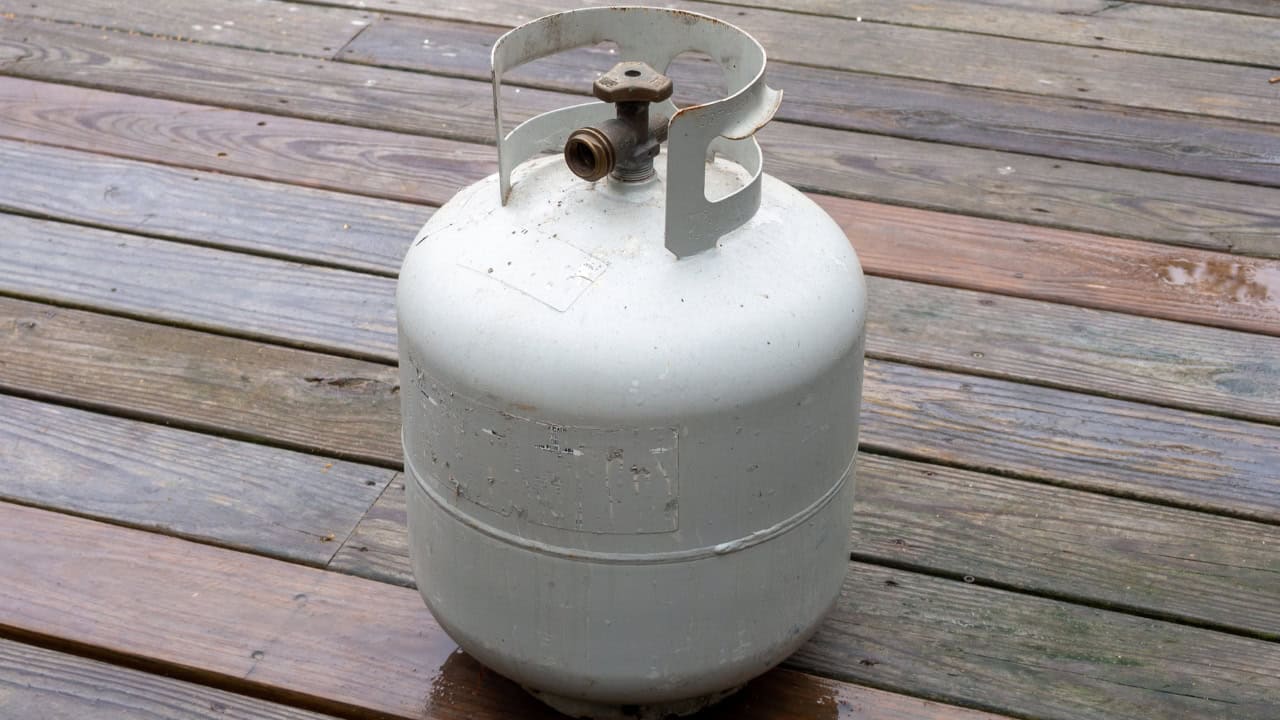
Storing propane tanks in your garage is not safe. Even a small leak can create a dangerous situation in an enclosed space.
You should always keep propane tanks outside, away from your home. Make sure to place them in a well-ventilated area. This reduces the risk of fire and keeps your family safe.
By doing this, you ensure that your garage remains a secure place for your other belongings.
2. Gasoline
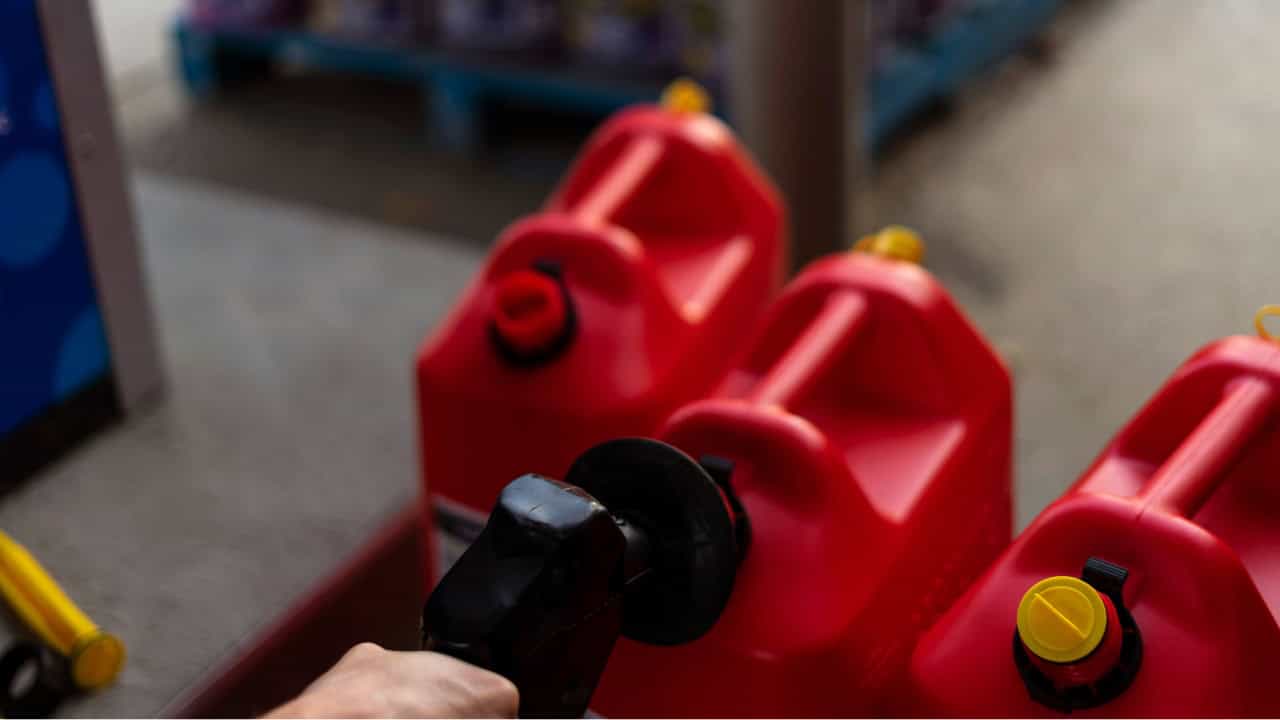
Storing gasoline in your garage may seem convenient, but it poses serious risks. Gasoline is highly flammable and can create a fire hazard if not handled properly.
Fumes can accumulate in enclosed spaces, increasing the chance of ignition from sparks or heat. If you must store gasoline, use an approved container and keep it sealed.
It’s advisable to place it outside, away from living areas. Keeping your home safe is always a priority.
3. Social Security Cards

Storing your Social Security card in your garage is not a good idea. It’s a highly sensitive document that can easily be lost or damaged.
If someone gains access to your card, they could use your information for identity theft. Instead, keep your Social Security card in a safe and secure location at home, away from potential thieves and environmental damage.
Memorizing your number is often enough for most situations. This way, you’re protected and won’t put your identity at risk.
4. Pet food

Storing pet food in your garage may seem convenient, but it can attract unwanted pests. Rodents and insects are often drawn to the scent of pet food, making your garage a target for these critters.
If you need to store pet food, choose a large, tightly sealed container. Keeping it indoors, such as in your pantry or kitchen, helps prevent contamination and keeps your furry friends safe from any hazards.
5. Passport

Storing your passport in the garage is not a good idea. Garages are often exposed to temperature fluctuations and humidity that can damage sensitive documents.
Your passport is essential for travel and identification. If it gets damaged, replacing it can be a hassle.
Instead, keep your passport in a controlled environment like a drawer or safe inside your home. This way, it stays secure and easily accessible when you need it.
6. Old electronics

Storing old electronics in your garage might seem convenient, but it can lead to issues. Fluctuating temperatures and humidity can damage devices, causing them to malfunction.
Instead, keep your electronics in a climate-controlled area of your home. This will help protect them from moisture and extreme heat or cold.
Remember, maintaining your old gadgets can save you money in the long run. They may still have value or can be useful later.
7. Car titles
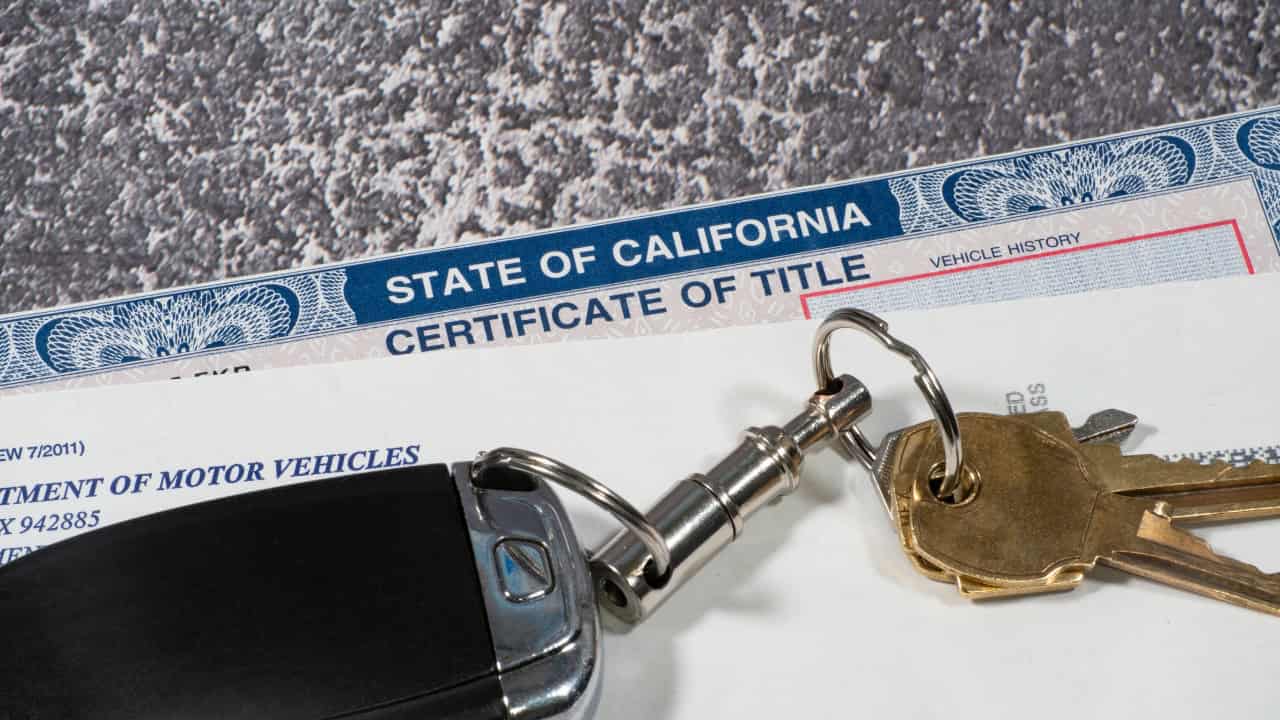
Storing your car title in the garage is not a good idea. Moisture and pests can damage this important document.
Your car title serves as proof of ownership and is essential for registration or selling your vehicle.
Consider keeping it with other important documents, like passports or birth certificates. This ensures that it remains safe and easily accessible when you need it.
8. Photographs

Storing photographs in your garage can lead to serious damage. The fluctuating temperatures and humidity levels can cause fading, sticking, or even mold growth on your treasured prints.
Instead, keep your photos in a climate-controlled area of your home. Use acid-free boxes or albums to preserve them. This way, you can enjoy your memories without worry.
9. Flammable paint cans

Storing flammable paint cans in your garage can pose serious risks. These paints can ignite easily when exposed to heat or sparks.
It’s best to keep them in a cool, dark place, like a basement, away from any potential fire hazards.
Ensure that the cans are tightly sealed to prevent leaks. This not only protects your home but also preserves the quality of the paint.
10. Wine collection

Storing your wine collection in the garage can lead to problems. Garages often experience temperature fluctuations and inconsistent humidity, which are not ideal for wine storage.
Exposure to light can also spoil your wine, affecting its taste over time. For the best results, keep your wines in a stable, cool environment.
Consider investing in a dedicated wine cellar or a climate-controlled wine fridge. This way, you can enjoy your collection at its best.
11. Important documents

Storing important documents in your garage can be risky. The environment is often too humid, which can lead to moisture damage.
Pests may also find their way in and ruin your papers. Important items like passports, titles, or insurance papers deserve a safer place.
Consider organizing them in a dedicated spot inside your home. This way, you ensure they are protected and easily accessible when you need them.
12. Wooden furniture

Storing wooden furniture in your garage can lead to several problems. Changes in humidity and temperature can cause the wood to warp or crack over time.
Additionally, garages are often subject to pests like termites. These insects can damage your furniture if left unchecked.
It’s best to keep your wooden pieces in a controlled indoor environment. This will help maintain their appearance and structural integrity for years to come.
13. Musical instruments

Your musical instruments are sensitive to environmental changes. Storing them in the garage exposes them to temperature fluctuations and humidity that can cause damage.
Guitars, pianos, and other instruments can suffer from warped wood, rusted strings, and compromised sound quality.
It’s best to keep your musical treasures in a climate-controlled room. This ensures they stay in optimal condition and are always ready for your next performance.
*This article was created with the help of AI.