When planning your garden, it’s easy to get drawn in by the vibrant colors and unique shapes of various plants. It’s essential to be aware that some common garden plants can pose serious health risks to you and your loved ones. Even those that appear harmless can carry hidden dangers, particularly for pets and small children.
Toxic plants may be prevalent in many gardens and landscapes, making it vital for you to identify them. By knowing which plants to avoid, you can create a safer outdoor space while still enjoying the beauty of nature. Understanding the risks associated with these plants can help you make informed choices for your garden.
Advertisement
Oleander

Oleander is a beautiful plant often found in gardens, but you should be cautious. All parts of this plant are highly toxic, containing a compound called oleandrin.
Even small amounts can cause serious health issues, including heart problems. It’s important to keep this plant away from children and pets to prevent accidental poisoning. Always enjoy its beauty from a safe distance.
Lily of the Valley

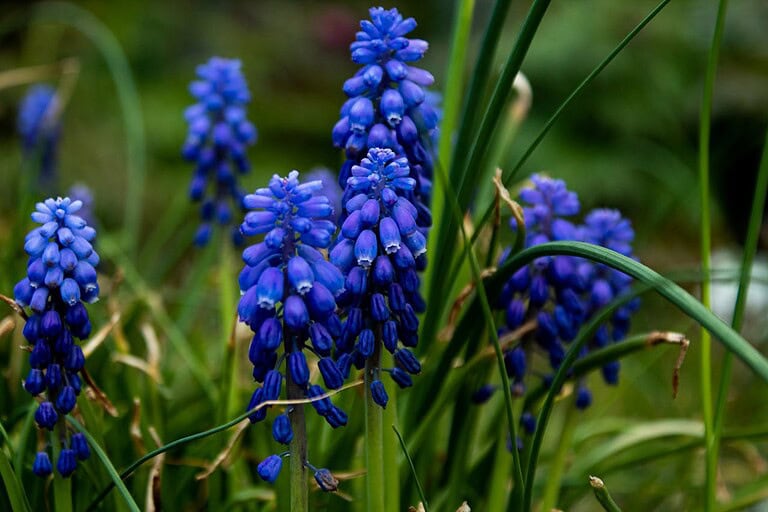
Lily of the Valley is a beautiful plant with bell-shaped flowers. While its scent is delightful, you should be cautious. The entire plant is toxic if ingested, causing symptoms such as nausea, vomiting, and even heart issues.
If you have pets or small children, consider keeping this plant out of reach. Enjoy its beauty from a distance for a safer garden experience.
Azaleas

Azaleas are beautiful, flowering shrubs that can add charm to your garden. However, you should be aware that all parts of the plant are toxic if ingested. Symptoms can include nausea, vomiting, and even serious health issues for both pets and humans. It’s best to admire these plants from a distance and keep them away from curious children and pets.
Mistletoe

Mistletoe is a plant often associated with holiday traditions, but it comes with risks. All parts of this plant, including its berries, are toxic if consumed.
Eating mistletoe can lead to symptoms such as nausea, vomiting, and even more serious issues. It’s best to keep this beautiful plant out of your home and garden for safety.
Daffodil Bulbs
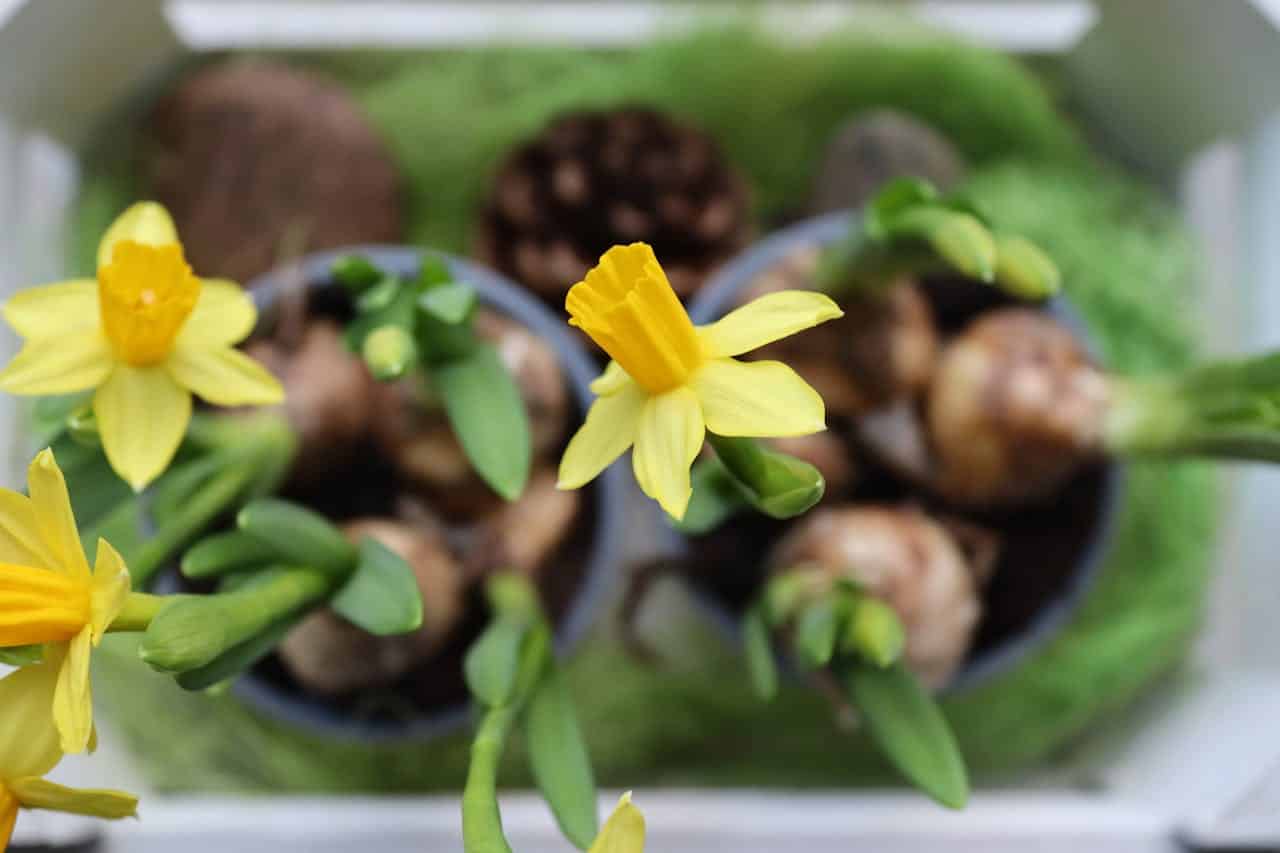
Daffodil bulbs are often cherished for their bright blooms, but they can be harmful. All parts of the daffodil contain a toxic compound called lycorine. The bulbs are especially potent, making them dangerous if ingested. It’s best to handle these beautiful plants with care and keep them away from pets and small children.
Hyacinth
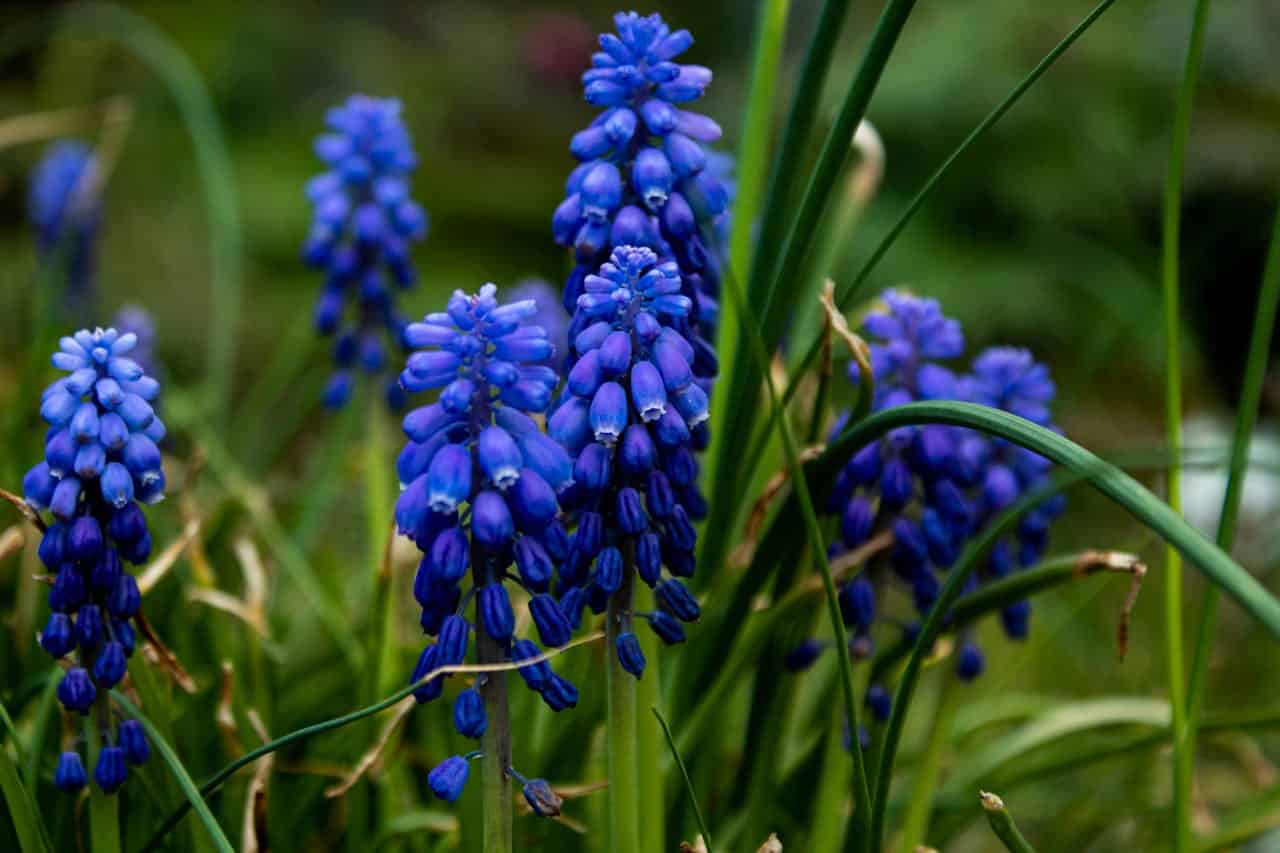
Hyacinths are beautiful flowers, but they can be harmful. The bulbs of hyacinths are particularly toxic to pets and humans alike. If ingested, they can cause symptoms like vomiting and diarrhea. Always ensure that these plants are kept out of reach to protect your furry friends and family.
Pigeonberry
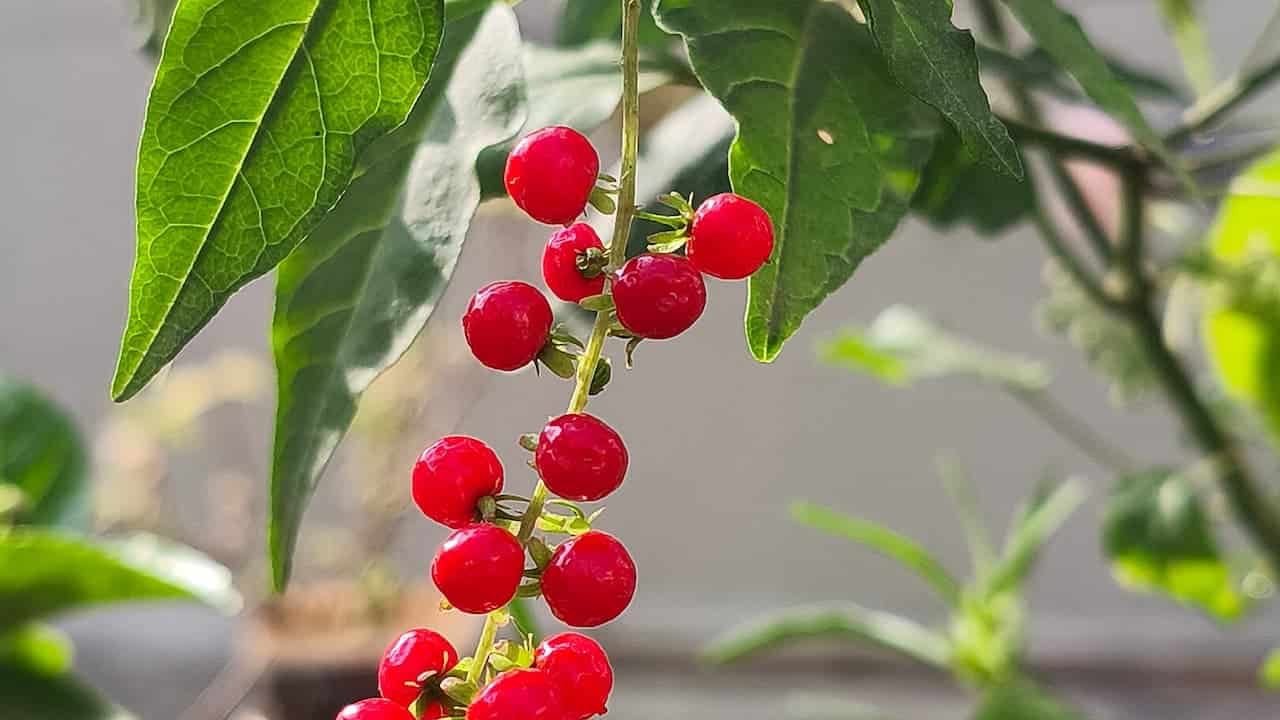
Pigeonberry, also known as Rivina humilis, is a plant that may catch your eye in the garden. While its berries are enjoyed by wildlife, they are toxic to humans if ingested. You should be cautious with this plant, as even small amounts can lead to harmful effects. Always handle it with care and keep it away from children and pets.
Angel’s Trumpet

Angel’s Trumpet, known for its stunning trumpet-shaped flowers, is a visually appealing choice for gardens. Yet, it’s important to remember that this plant is highly toxic.
The leaves and flowers contain potent chemicals that can cause serious health issues if ingested. Keep it away from children and pets to ensure a safe garden environment.
Peace Lilies
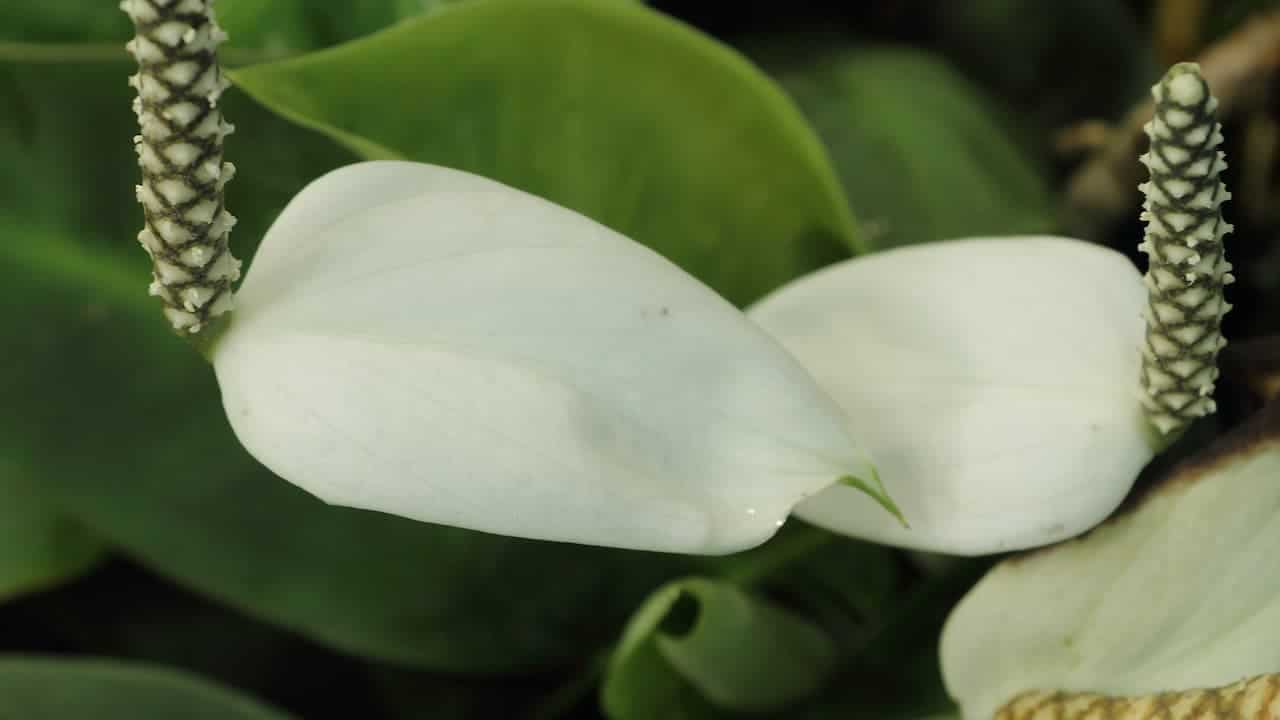
Peace lilies are popular houseplants known for their beautiful white flowers and lush green leaves. While they can brighten your space, you should be cautious. All parts of the plant contain calcium oxalate crystals, which may cause mild irritation if ingested. Keeping them out of reach of pets and young children is a good idea.
Narcissus
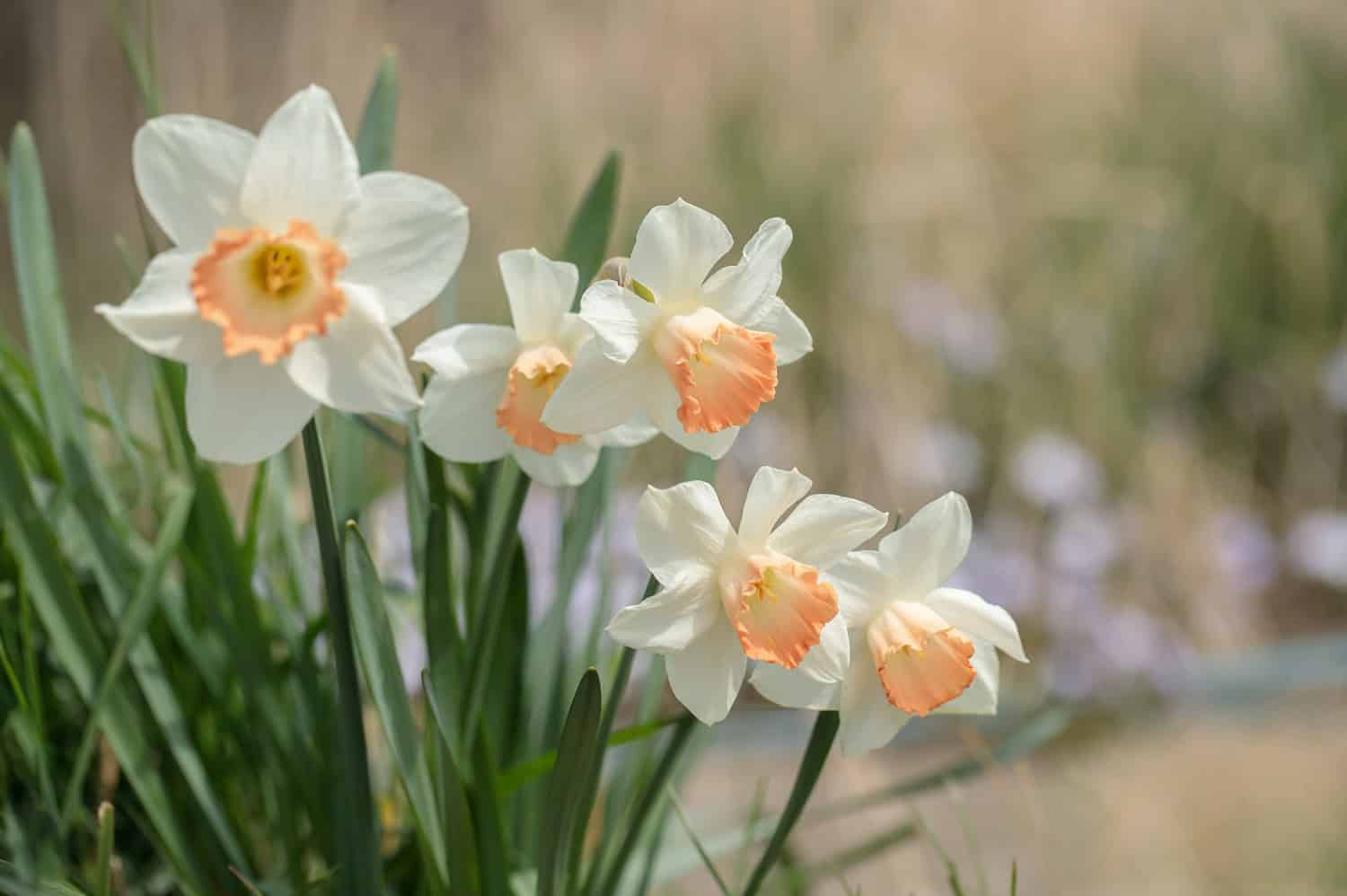
Narcissus, commonly known as daffodils, are beautiful flowers that signal the arrival of spring. While they might brighten up your garden, they contain lycorine, which is toxic to dogs and can cause various symptoms if ingested.
If you have pets, it’s essential to keep an eye on them around these plants. Enjoy their beauty, but be cautious of their potential risks.
Brugmansia
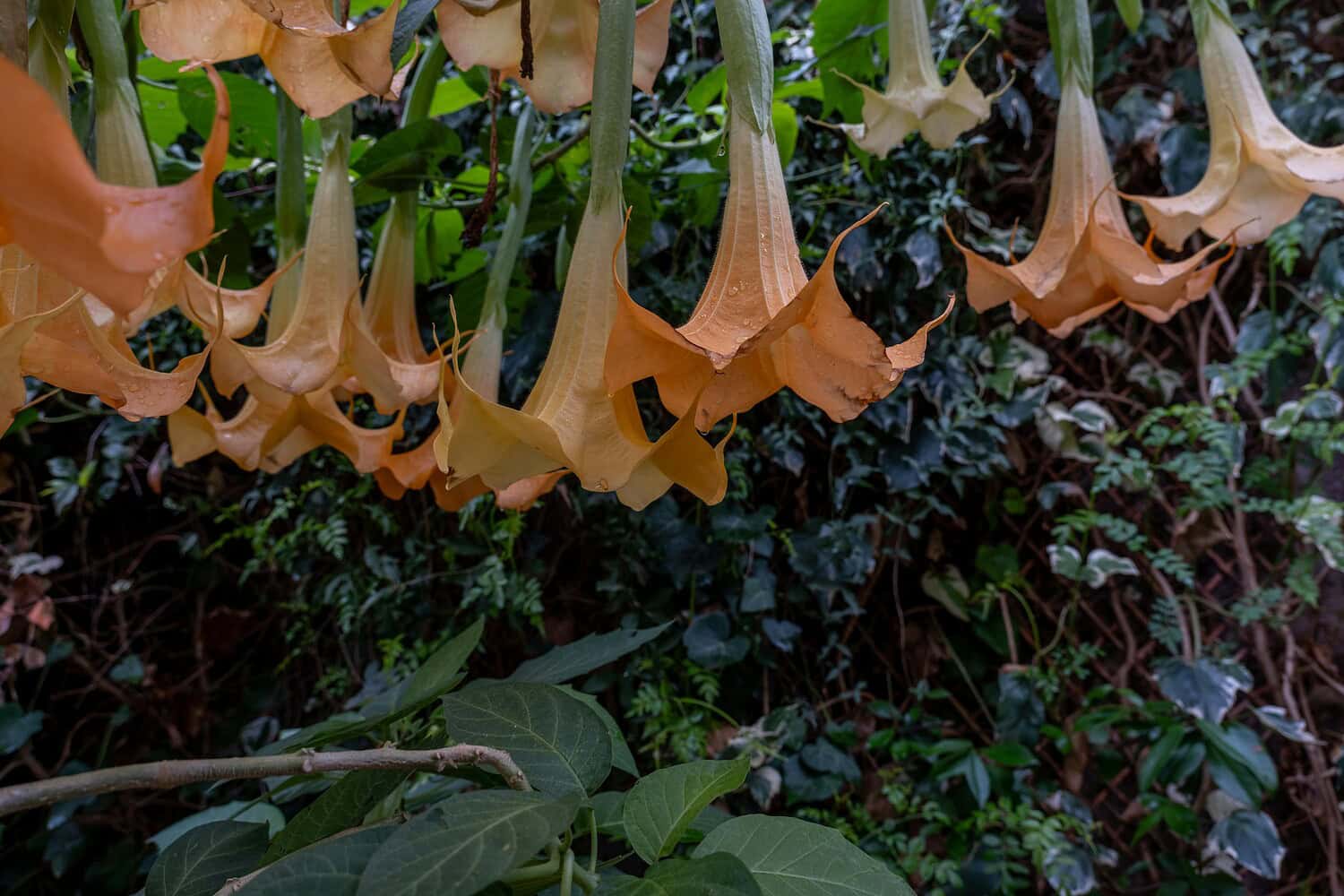
Brugmansia, also known as angel’s trumpet, is admired for its large, trumpet-shaped flowers. While beautiful, this plant contains potent toxins that can be harmful to both humans and pets.
Exposure can lead to serious symptoms, including hallucinations, rapid heart rates, and other distressing effects. Be cautious if you have this plant in your garden, especially with curious children or pets around.
Hydrangeas
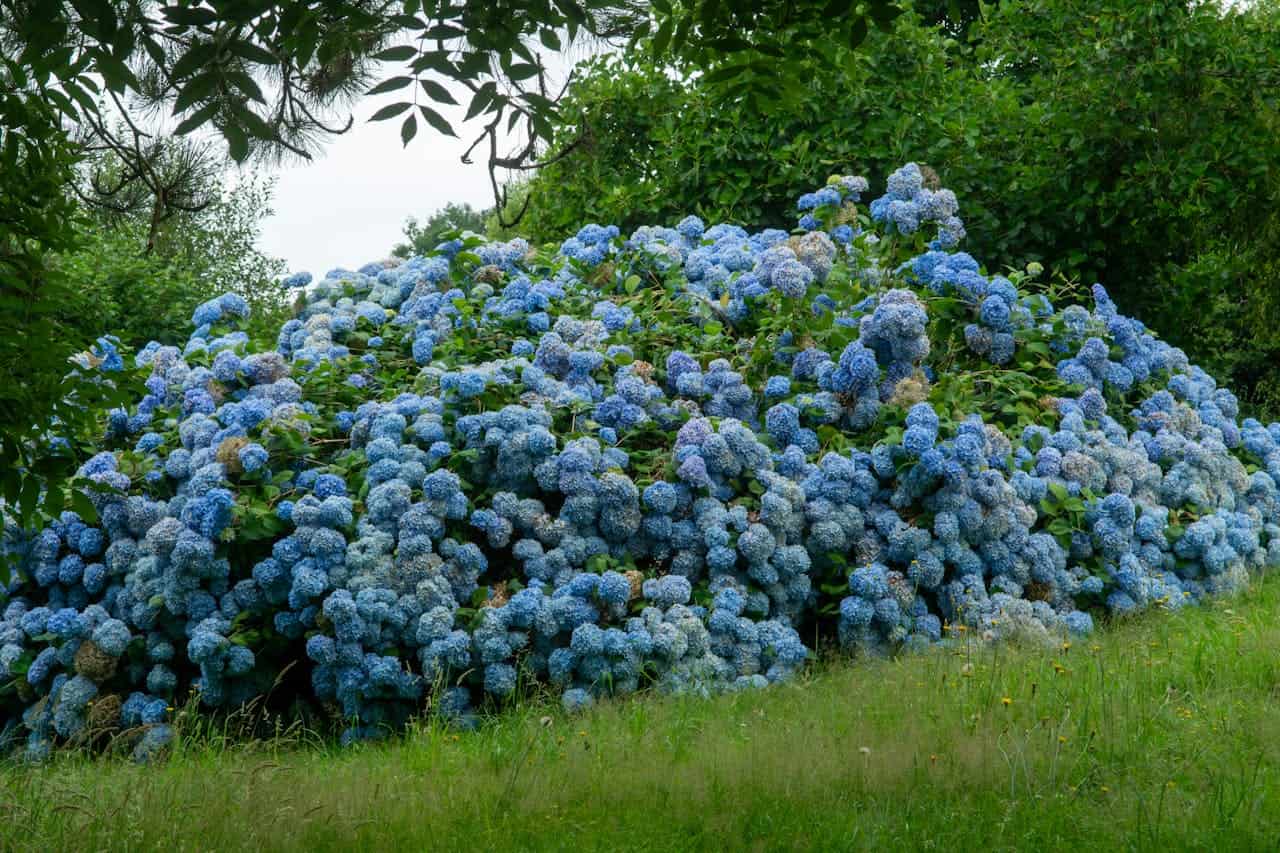
Hydrangeas are beautiful and popular garden plants, but they contain toxins that can be harmful. The amygdalin in their leaves and flowers can release cyanide when metabolized.
While they’re stunning additions to your garden, it’s wise to keep pets and children away to avoid any potential poisoning. Always handle them with care to ensure everyone’s safety.