I’ve tried to declutter my home dozens of times, and believe me, I know it can be overwhelming. But once you’ve got the right mindset and approach, it can be incredibly satisfying. While many of us try to get rid of the things we don’t need, there are some common decluttering mistakes that could be slowing down your progress or making your space feel cluttered again.
If you’re finding that your decluttering efforts aren’t as successful as you’d hoped, you’re not alone. Here’s a list of 12 decluttering mistakes you might be making right now—and how to fix them to make your home feel more organized and calm.
Advertisement
1. Trying to Tackle Everything at Once
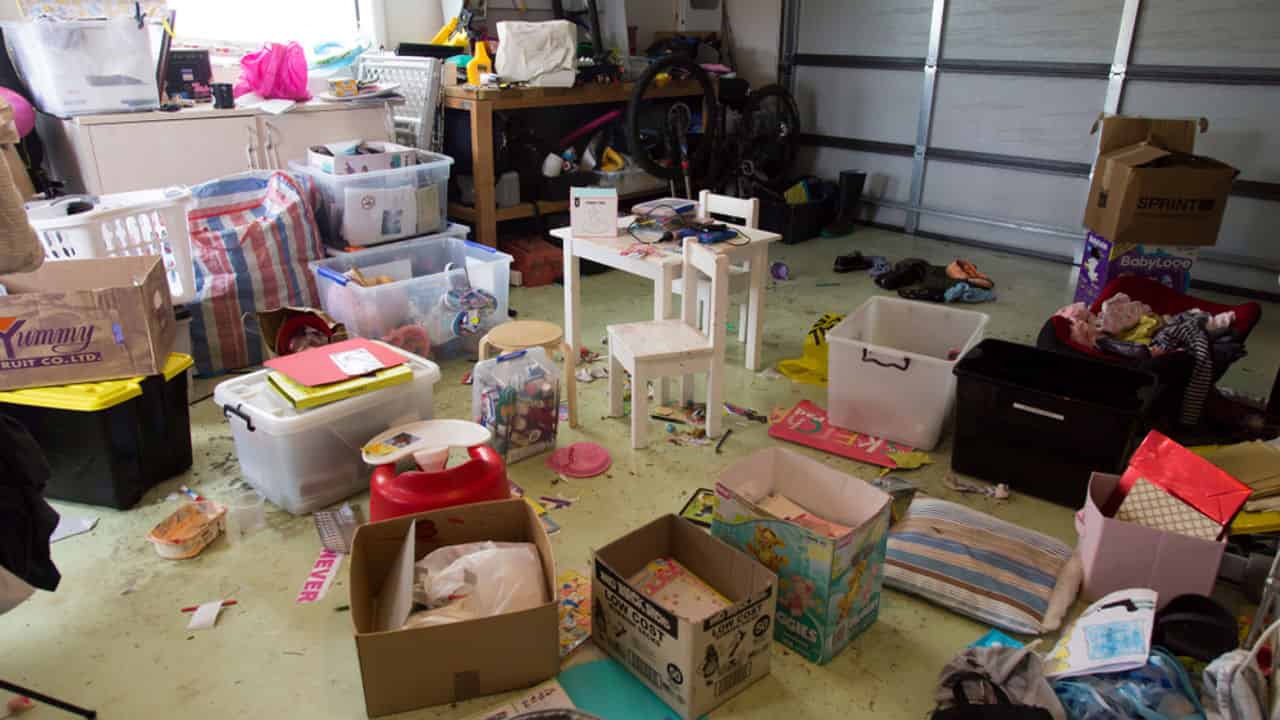
It’s easy to feel overwhelmed when you look at your whole house and think, “I need to declutter all of this!” But tackling everything at once can lead to burnout and leave you feeling defeated. Professional organizers recommend breaking your decluttering into smaller tasks and focusing on one area at a time—whether it’s a single room, drawer, or even a shelf.
Start small and celebrate the wins as you go! You’ll feel more accomplished and motivated as you check off each area.
2. Holding on to Items “Just In Case”
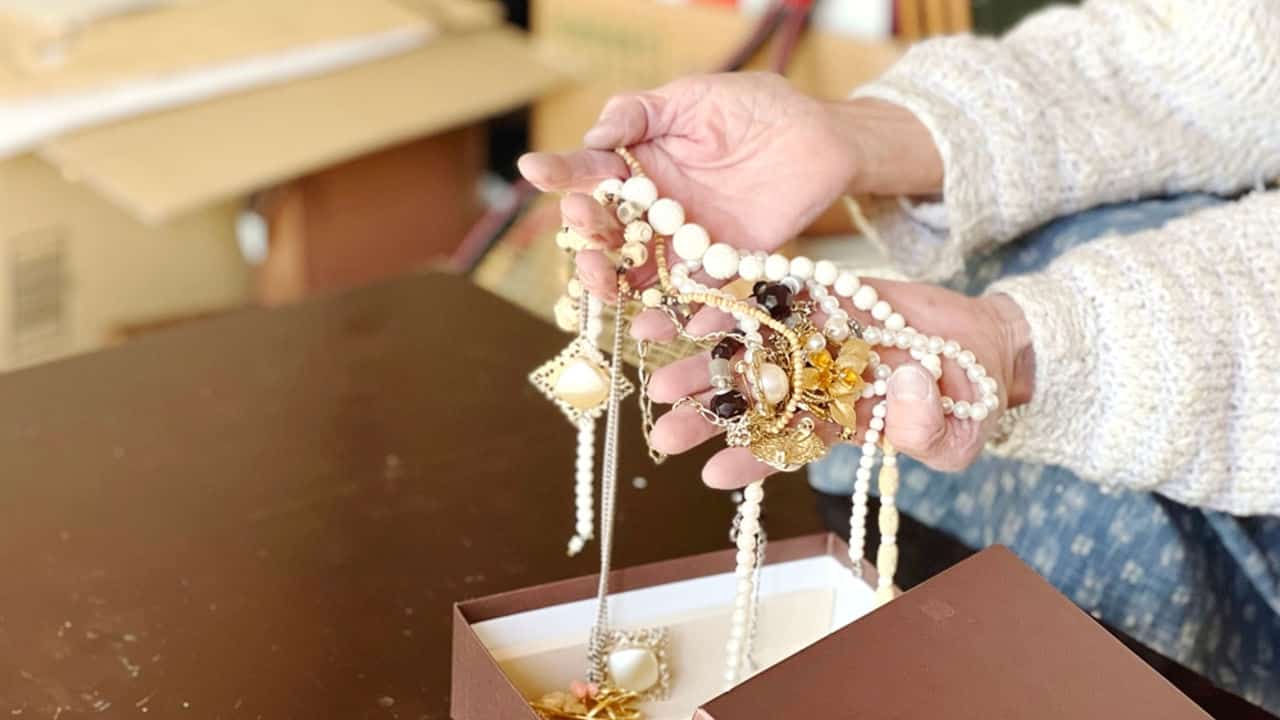
One of the most common decluttering mistakes is holding on to things “just in case.” This could be clothes you haven’t worn in years, kitchen gadgets that never get used, or random items that are “too good to throw away.” The problem is, holding on to these items for hypothetical future use just adds to the clutter.
Ask yourself if you’ve used the item in the last year. If not, it’s time to let go. Trust that if you truly need something later, you can always buy or borrow it.
3. Keeping Things Because They Were Gifts

Feeling guilty about getting rid of gifts is a big hurdle for many people. You might feel like you’re being ungrateful or disrespecting the person who gave you the item. But holding on to things just because they were gifts can create unnecessary clutter in your home.
Instead of feeling guilty, remember that the thought behind the gift is what matters most, not the physical object. If you truly don’t need or love the item, it’s okay to pass it along to someone who will appreciate it or donate it.
4. Not Having a Clear Sorting System

If you’re not sorting your items as you declutter, you might end up with piles of things to deal with later—and that later never comes. Having a clear sorting system in place (such as “keep,” “donate,” and “discard”) can help you stay on track and make decisions faster.
Set up bins or boxes for each category and stick to your system. Once you’ve made your decisions, immediately move items to their proper destination—whether it’s the donation box or the trash bin.
5. Focusing Too Much on Sentimental Items
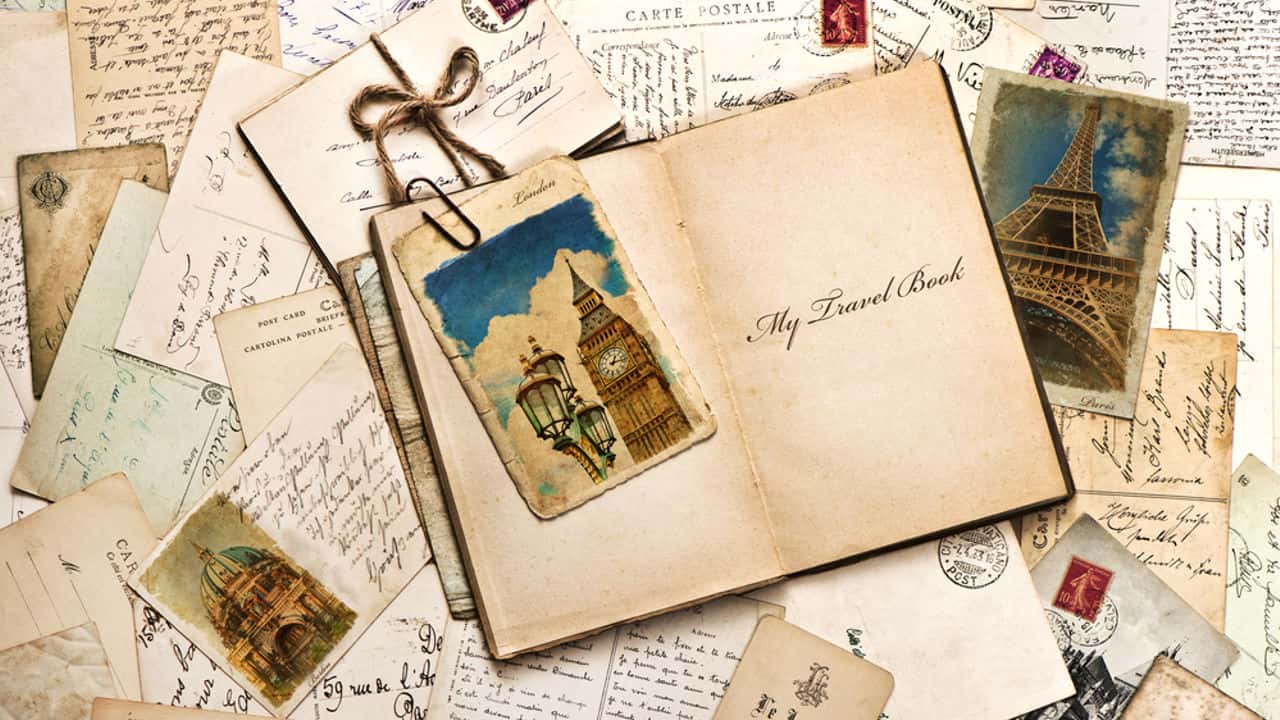
While it’s totally normal to have sentimental attachments to certain items, focusing too much on them during a decluttering session can slow you down. It’s easy to get sidetracked by memories and emotions, making it harder to part with things that might be taking up valuable space.
Try setting aside sentimental items for another day. You can give yourself permission to take your time with those things, but for now, focus on clearing out the easy-to-decide items first.
6. Decluttering Without a Plan for Organization
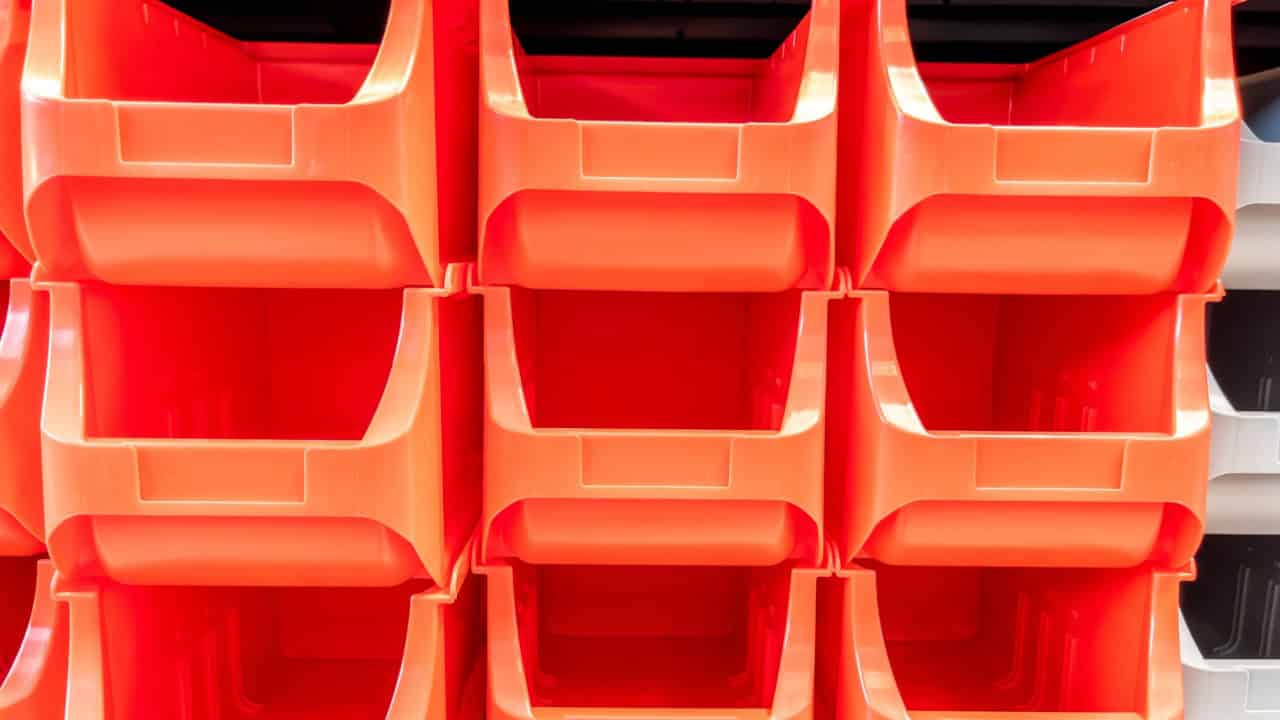
Decluttering is only half the battle—organization is the next step. After you’ve removed unnecessary items, make sure you have a plan in place for how to organize what’s left. If you don’t, you might find that your space gets cluttered again just a few weeks later.
Consider investing in storage solutions like bins, baskets, or drawer organizers to keep things tidy. Having a home for everything will help maintain your clean, decluttered space.
7. Being Too Quick to Throw Things Away
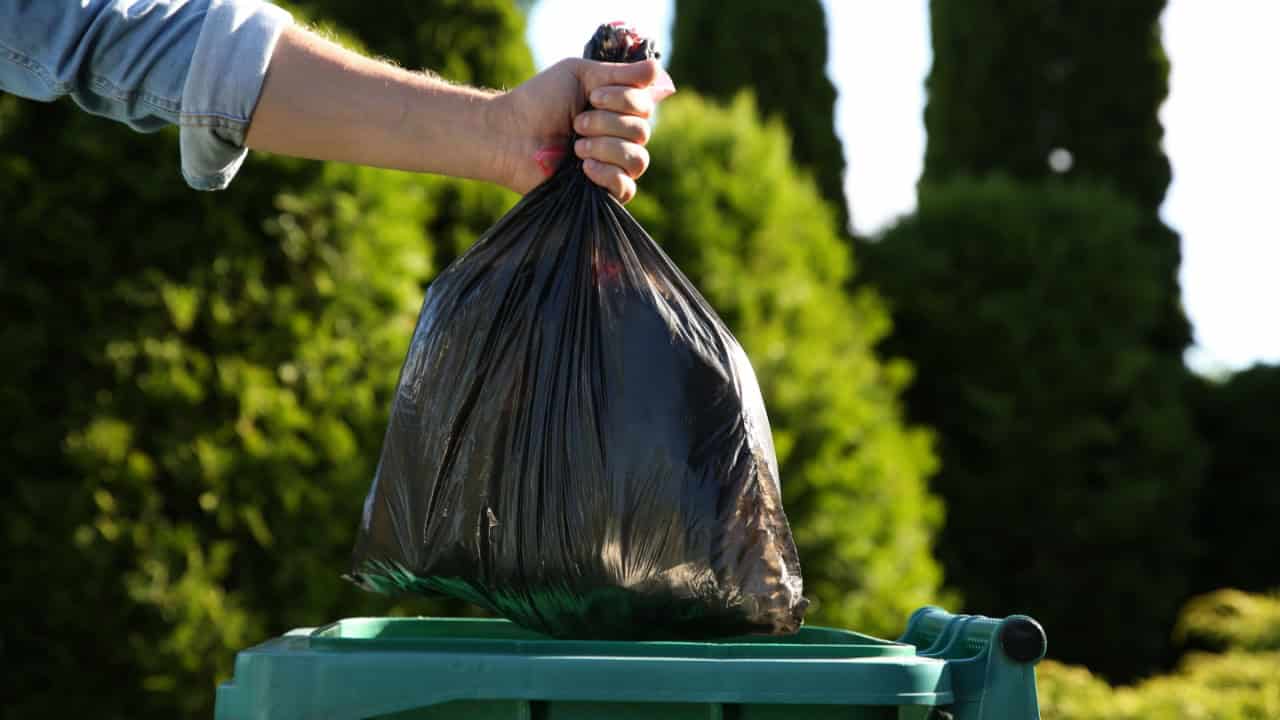
Not every item that’s cluttering up your home needs to be thrown away. Some things can be recycled, repurposed, or donated. Throwing everything out may feel like a quick fix, but it’s wasteful and might be making you feel more guilty than necessary.
Instead, think about whether the item can be reused in some way or given to someone who could use it. If it’s still in good condition, donating it to a charity is a great option.
8. Cluttering Up the “Maybe” Pile

The “maybe” pile is a sneaky culprit that can slow down the decluttering process. Putting things in the “maybe” pile means you’re avoiding making a decision about them, and that pile can quickly grow out of control.
Instead of putting off the decision, ask yourself: “Do I use this? Do I love this?” If you’re still unsure, consider taking a picture of the item to hold on to the memory, then let it go.
9. Not Setting a Realistic Timeline

Decluttering takes time, especially if you have a lot to go through. Trying to do it all in one day or weekend is unrealistic and will likely lead to frustration. Instead, break it down into manageable chunks and set a reasonable timeline.
Set aside a few hours each week or dedicate 30 minutes a day to tackling different areas. You’ll find that progress adds up over time, and you won’t feel overwhelmed by the process.
10. Not Involving the Whole Family

Decluttering can be a lot easier when everyone is on the same page. If you’re decluttering the family’s shared spaces, make sure everyone is involved and knows the importance of getting rid of things that are no longer needed. This is especially important if you’re tackling kids’ rooms or family storage areas.
Make decluttering a team effort—encourage your family members to go through their own things and ask them to make decisions about what they truly want to keep. This not only helps you declutter faster but also makes everyone feel responsible for maintaining the clean space.
11. Keeping Items That Aren’t Useful Anymore
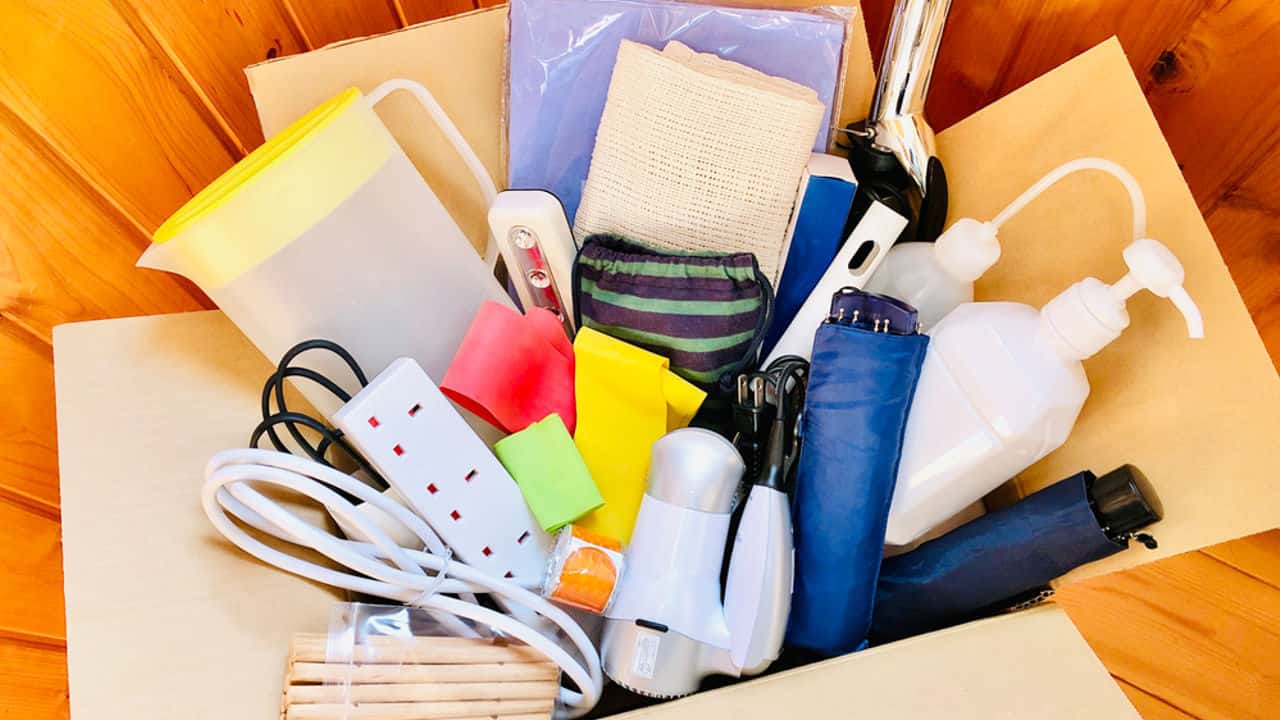
We all have items in our homes that we once used but no longer serve a purpose. Maybe it’s an old set of dishes you haven’t used in years, or a coffee maker that’s collecting dust. Holding on to things because they used to be useful is a common decluttering mistake.
Ask yourself: Does this item serve a purpose in my life now? If not, it’s time to let it go. If it’s in good condition, it can be donated to someone who will actually use it.
12. Overthinking It
Sometimes, decluttering becomes a mental game of overthinking—asking yourself whether each item really “sparks joy” or if it’s worth keeping. While it’s good to reflect on the value of things, overanalyzing every single item can bring progress to a halt.
Try to make quick decisions, especially for items that you don’t have strong feelings about. If you haven’t used something in the last year, it’s probably time to let it go.
*This article was created with the assistance of AI.