A few plants on a shelf look nice, but if you want that true indoor jungle feel, you’ve got to go all in. I’ve been there—starting with one or two, then suddenly trying to fit plants in every corner without it looking like a mess. The trick isn’t just buying more; it’s knowing how to arrange them, keeping them healthy, and making sure they actually work in your space.
Remember, a jungle setup isn’t about perfection. These steps will help you pull it all together.
Advertisement
Use Pots That Work for Your Space
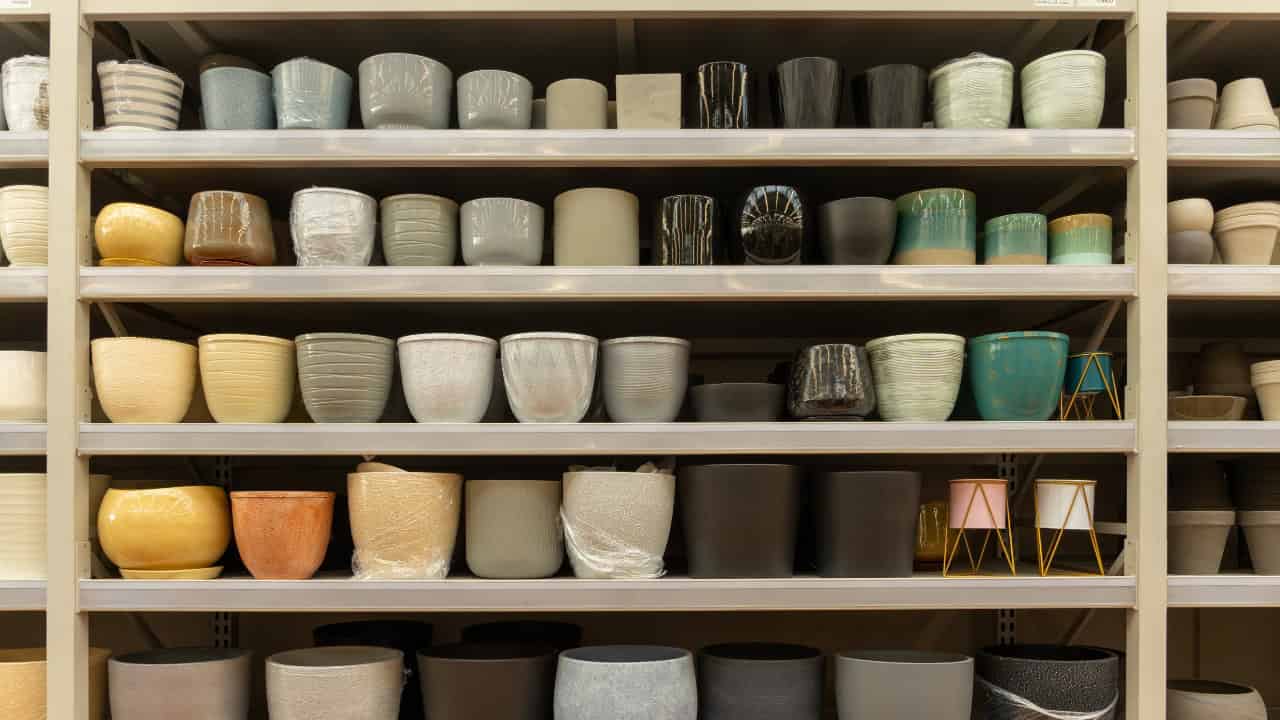
Matching planters make a plant collection feel intentional instead of messy, but function matters just as much as looks. Every pot needs drainage holes—otherwise, you’re just asking for root rot. If you have a decorative pot without drainage, keep your plant in a plastic nursery pot and slip it inside for easy watering.
Mixing different pot sizes and styles keeps your space from looking too uniform. Terra cotta pots help with airflow, while ceramic and plastic hold moisture longer. If you’re going for a true jungle look, stick with neutral or earthy tones so the plants stay the main focus.
Start with the Right Plants
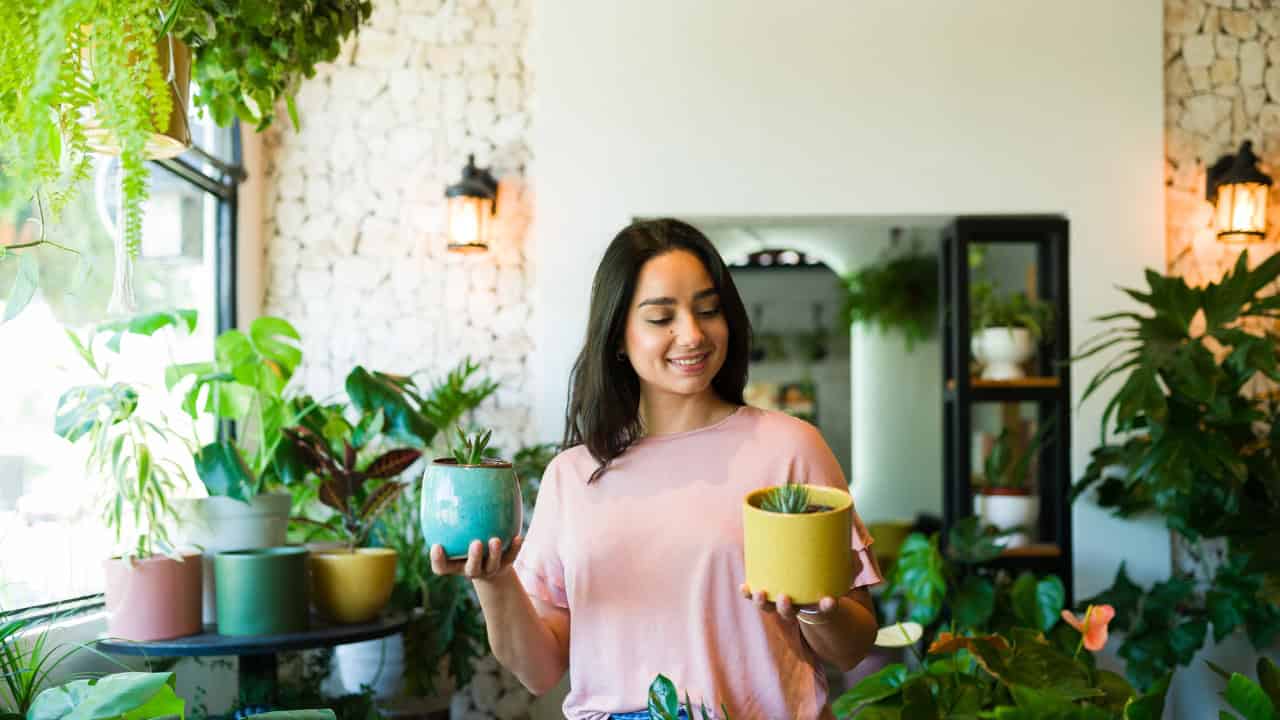
A jungle isn’t built in a day, and picking the right plants makes all the difference. Go for plants that thrive indoors and mix up the textures—big leafy ones like monstera, trailing plants like pothos, and compact ones like ferns to fill in gaps.
Choose plants that match your home’s light levels. If you’ve got bright windows, fiddle leaf figs and bird of paradise will love it. Low-light spaces? Snake plants and ZZ plants are practically indestructible. A mix of sizes, shapes, and growth patterns will make your space look lush instead of scattered.
Layer Your Greenery
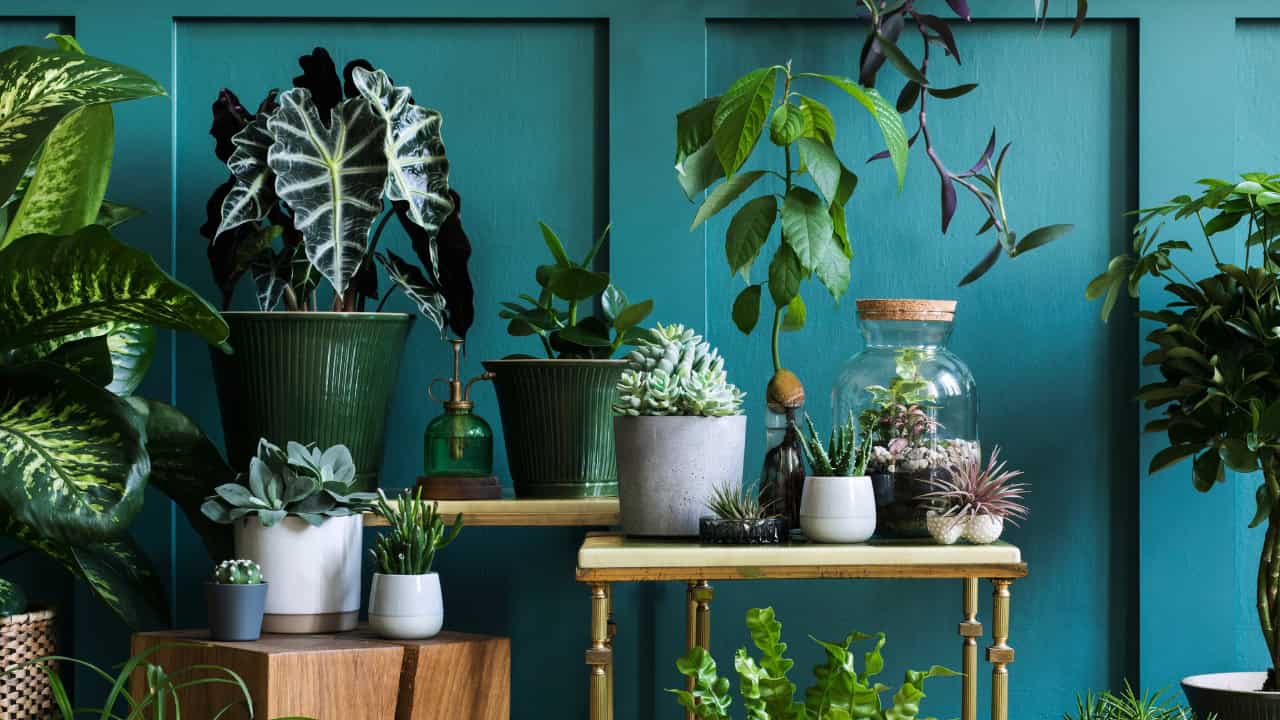
A true jungle look comes from layering plants at different heights. Use floor plants like rubber trees or palms for the base, medium-sized plants on stands or tables, and trailing plants up high. Shelves, hanging planters, and wall-mounted pots help fill in empty spaces without taking up floor space.
Think about how plants naturally grow in the wild—bigger plants create shade for smaller ones, and vines climb or drape down. Mixing heights and leaf shapes will keep your space looking full instead of cluttered.
Keep the Humidity Up
Most jungle plants don’t love dry air, and if your home has heating or air conditioning running, chances are it’s drier than they’d like. Grouping plants together helps trap moisture, and a small humidifier can make a big difference for ferns, calatheas, and other humidity-loving plants.
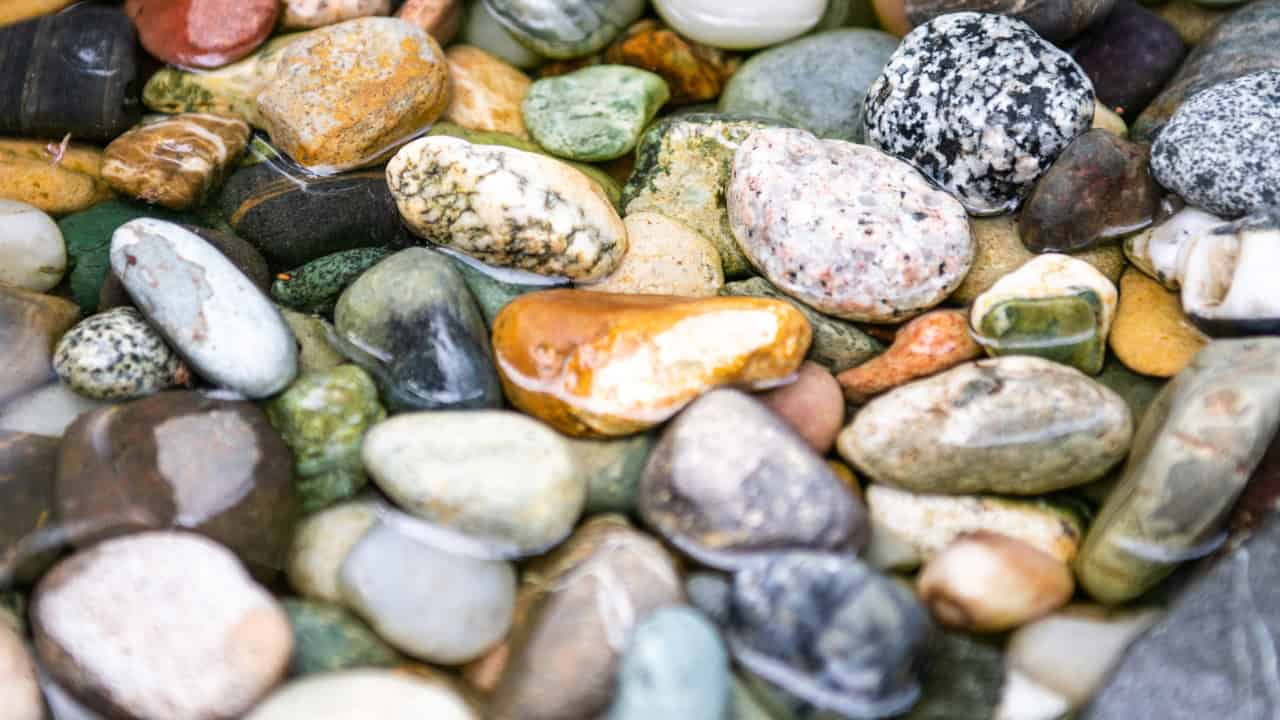
Misting might seem like a quick fix, but it doesn’t last long. A better trick is using a pebble tray—just set plants on a shallow dish filled with water and pebbles. As the water evaporates, it adds moisture to the air without soaking the roots.
Arrange for the Best Light
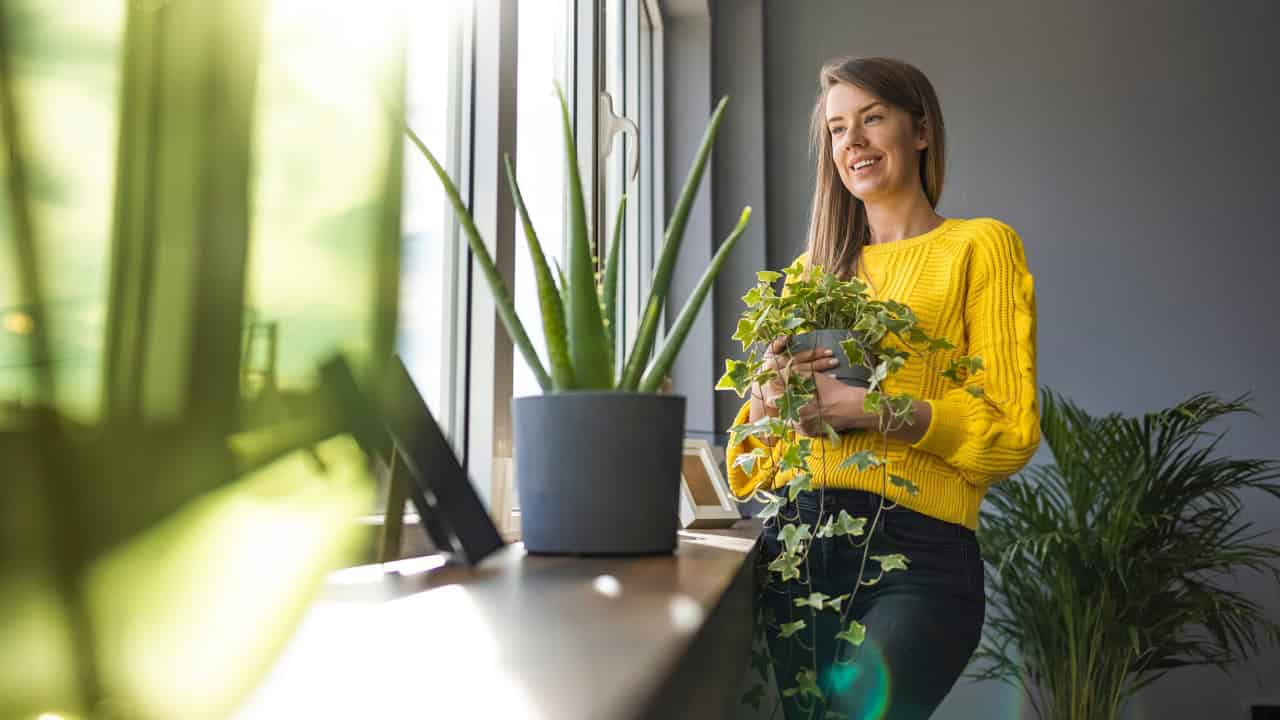
Even the most beautiful plants will struggle if they’re not in the right spot. Bright, indirect light is the sweet spot for most jungle plants, but that doesn’t mean every corner needs to be drenched in sunlight. Sun-loving plants like fiddle leaf figs do best near windows, while lower-light plants like philodendrons can go farther inside.
If you’re short on natural light, grow lights can help. A simple LED bulb in a regular lamp can work wonders, especially in darker corners. The key is paying attention to how much light each plant actually needs—too much or too little, and they’ll start looking rough.
Let Your Plants Grow Wild
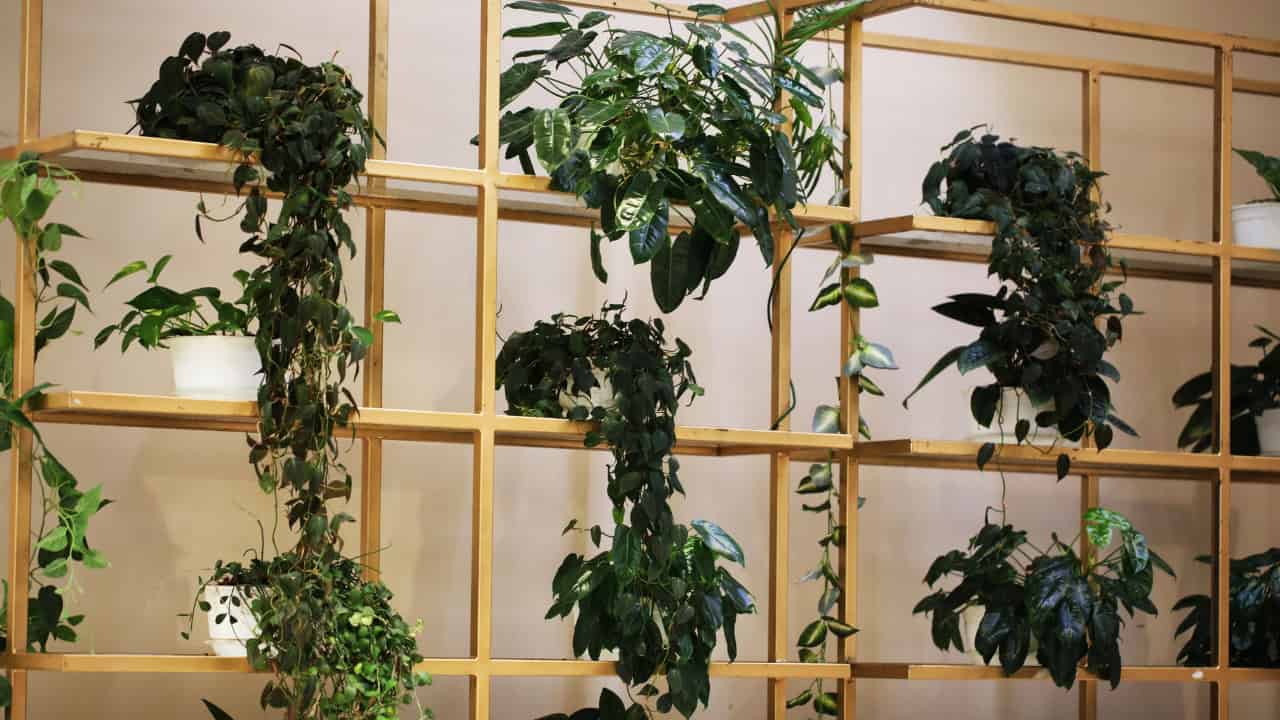
A jungle isn’t supposed to look perfect. Letting plants grow naturally—trailing, climbing, and spreading—adds to the lush feel. Give climbing plants like pothos or philodendrons something to grab onto, like a moss pole or trellis, and let trailing plants spill off shelves instead of trimming them back too much.
If a plant starts looking too overgrown, a little pruning keeps things balanced, but don’t be afraid to let them do their thing. A mix of structured and free-growing plants makes the space feel natural instead of staged.
Make It Easy to Maintain

A jungle is only fun if it’s easy to care for. Grouping plants with similar watering and light needs makes maintenance less of a hassle—put humidity lovers together and keep drought-tolerant plants separate. Setting up a simple watering system, like bottom-watering trays or a large watering can, helps too.
Keeping plant supplies nearby makes a difference. A small bin for soil, pruning shears, and fertilizer means you’re not hunting things down every time you need to care for your plants. The easier it is to maintain, the more you’ll enjoy the space instead of stressing over it.
*This article was created with the assistance of AI.