
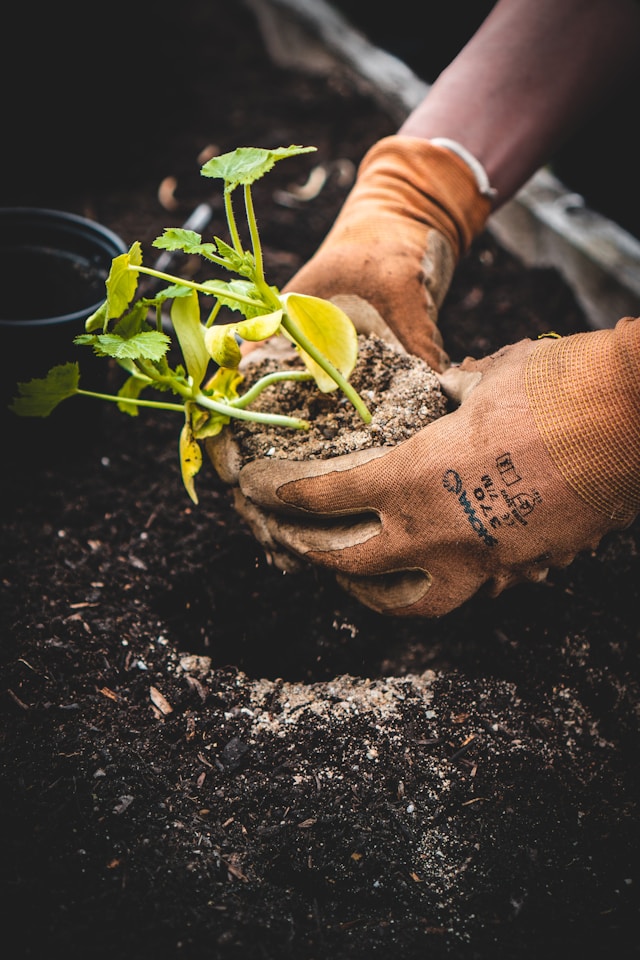
Container gardening is an ideal solution for people who live in apartments or have limited outdoor space. With the right containers, soil, and plants, you can create a thriving garden on a balcony, patio, or even a windowsill. Container gardening allows flexibility, control over soil quality, and the ability to grow a wide variety of plants, from vegetables and herbs to flowers and ornamental plants. This guide provides practical tips for successfully growing plants in small spaces.
Choosing the Right Containers
The foundation of container gardening is selecting appropriate containers. Containers can be pots, planters, window boxes, or even repurposed items like buckets and wooden crates. Consider the size of your plants when choosing containers: larger plants need deeper and wider pots to accommodate their root systems. Ensure that all containers have drainage holes to prevent waterlogging, which can lead to root rot. Lightweight containers are preferable for balconies and small spaces, making them easier to move when necessary.
Selecting the Right Soil
Using the right soil mix is crucial for container gardening success. Unlike in-ground gardens, container plants rely entirely on the soil you provide for nutrients and moisture retention. Use high-quality potting soil designed for containers rather than garden soil, which may compact and restrict root growth. Adding compost or organic matter improves soil fertility and drainage. For vegetables and herbs, a nutrient-rich mix ensures healthy growth and a bountiful harvest.
Choosing Plants for Container Gardening
Selecting plants that thrive in containers is essential. Compact or dwarf varieties work best in small spaces. Herbs like basil, mint, chives, and parsley are excellent choices, as they require minimal space and grow well in pots. Vegetables like tomatoes, peppers, lettuce, radishes, and spinach are also suitable for container gardening. Flowers such as marigolds, petunias, and pansies can add color and charm to your space. Consider plants that match your sunlight availability—some need full sun, while others do well in partial shade.
Proper Sunlight and Placement
Sunlight is one of the most important factors in container gardening. Most vegetables and flowering plants require at least six hours of sunlight daily. Observe your space to identify areas that receive adequate light throughout the day. South-facing balconies or windows typically provide the most sunlight, while shaded areas may require selecting shade-tolerant plants. Rotate containers periodically to ensure even growth and prevent plants from leaning toward the light source.
Watering Container Plants
Container plants dry out faster than those in the ground, so consistent watering is essential. Check the soil regularly and water when the top inch feels dry. Water thoroughly to ensure moisture reaches the roots, but avoid overwatering, which can cause root rot. Using mulch on top of the soil helps retain moisture and regulate temperature. Self-watering containers are a great option for busy individuals or those who travel frequently.
Fertilizing Container Plants
Because nutrients wash out of container soil more quickly than garden soil, regular fertilization is important. Use organic fertilizers or liquid plant food every few weeks, following the recommended dosage. Fertilizers supply essential nutrients like nitrogen, phosphorus, and potassium, which support healthy growth, flowering, and fruit production. Mixing slow-release fertilizers into the soil at planting time can also provide sustained nutrition.
Pruning and Maintenance
Regular maintenance keeps container gardens healthy and productive. Remove dead or yellowing leaves, spent flowers, and any diseased plant material. Pruning encourages bushy growth and can prevent overcrowding in small containers. Support taller plants like tomatoes or peppers with stakes or cages to maintain structure. Checking plants frequently helps you spot pests or diseases early and take action before they spread.
Creative Container Gardening Ideas
Small spaces offer opportunities for creative gardening solutions. Vertical gardening using wall planters, hanging baskets, or tiered shelves maximizes space while adding aesthetic appeal. Grouping containers of different heights and sizes creates visual interest and allows for efficient use of light. Indoor container gardens can also thrive on windowsills or under grow lights for herbs, leafy greens, and small flowering plants.
Overcoming Common Challenges
Container gardening comes with unique challenges, including limited root space, faster drying soil, and temperature fluctuations. To overcome these issues, select appropriately sized containers, monitor moisture levels, and use high-quality potting soil. Protect plants from extreme heat or cold by moving containers indoors or using shade cloth when necessary. Learning to adapt to these challenges ensures your container garden remains healthy and productive.
Conclusion
Container gardening is a versatile and rewarding way to grow plants in small spaces and apartments. With careful selection of containers, soil, and plants, you can create a flourishing garden even without a traditional yard. Proper sunlight, consistent watering, fertilization, and regular maintenance are key to success.
Whether growing vegetables, herbs, or flowers, container gardening allows urban dwellers and apartment residents to enjoy the benefits of gardening, including fresh produce, enhanced well-being, and a touch of nature at home. By starting small and experimenting with different plants and layouts, anyone can create a beautiful and productive container garden in limited space.