
Gardening is a rewarding and therapeutic hobby, but for beginners and even experienced gardeners, mistakes are common. While errors are part of the learning process, avoiding them can save time, effort, and frustration while ensuring a thriving garden. This guide highlights some of the most frequent gardening mistakes and provides practical advice on how to prevent them.
1. Choosing the Wrong Location
One of the most common mistakes is planting in an unsuitable location. Plants require specific amounts of sunlight, good drainage, and protection from harsh winds. Planting in too much shade or in poorly drained soil can stunt growth or even kill plants.
How to Avoid It: Observe your garden space throughout the day to identify areas with adequate sunlight. Ensure proper drainage and select plant species that match your location’s conditions. Raised beds or containers can help improve drainage and offer flexibility in challenging areas.
2. Overwatering or Underwatering
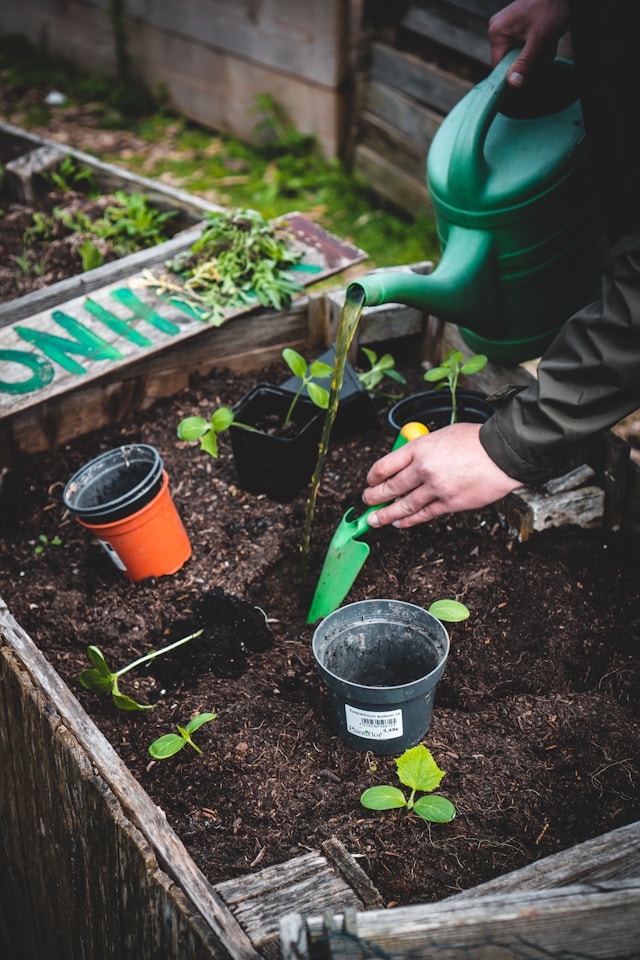
Watering is essential for healthy plants, but too much or too little water is a frequent problem. Overwatering can lead to root rot, while underwatering causes wilting and poor growth. Different plants have varying water needs, and soil types also affect moisture retention.
How to Avoid It: Check the soil regularly; the top inch should feel slightly dry before watering. Use mulch to retain moisture and reduce evaporation. For container plants, make sure water drains freely to avoid waterlogged roots. Consistent, measured watering is key.
3. Poor Soil Preparation
Planting directly into poor-quality soil can hinder growth. Soil lacking nutrients or compacted soil can prevent roots from spreading, leading to weak plants. Gardeners often underestimate the importance of soil quality.
How to Avoid It: Test your soil for pH and nutrient content. Amend it with compost, organic matter, or fertilizers to improve fertility and structure. Loosen compacted soil and remove rocks or debris to create an ideal root environment. Healthy soil is the foundation of a successful garden.
4. Planting at the Wrong Time
Timing is critical in gardening. Planting too early or too late can expose plants to frost, heat stress, or short growing seasons, affecting their development. Beginners often plant seeds or seedlings without considering the seasonal requirements.
How to Avoid It: Research the best planting times for each species in your region. Follow local planting guides or seed packet instructions. Starting seeds indoors can give a head start for vegetables that need a longer growing season.
5. Ignoring Plant Spacing
Crowding plants is a frequent mistake that leads to competition for sunlight, water, and nutrients. Overcrowded plants are also more prone to disease because air circulation is restricted.
How to Avoid It: Follow recommended spacing guidelines for each plant. Use trellises or vertical supports for climbing plants to save space. Proper spacing encourages healthy growth, larger yields, and reduces disease risk.
6. Neglecting Fertilization
Many gardeners assume that once plants are in the ground, they will thrive without additional nutrients. While some plants are low-maintenance, most benefit from periodic feeding. Lack of nutrients can result in poor growth, small yields, or yellowing leaves.
How to Avoid It: Use organic compost or balanced fertilizers according to the plant’s requirements. Regularly feed plants during their growing season, and avoid over-fertilizing, which can burn roots and damage plants.
7. Failing to Control Pests and Diseases
Pests and diseases can quickly ruin a garden if not managed. Beginners often overlook signs of infestation or attempt to plant without preventive measures.
How to Avoid It: Inspect plants regularly for pests, holes in leaves, or unusual discoloration. Encourage beneficial insects like ladybugs and bees, use natural remedies, and remove infected plant parts promptly. Companion planting can also help deter pests.
8. Not Mulching
Skipping mulch is a common oversight that leads to increased weed growth, soil drying, and temperature fluctuations. Mulch provides protection, conserves moisture, and improves soil health.
How to Avoid It: Apply a layer of organic mulch, such as straw, bark, or compost, around plants. Keep mulch a few inches away from stems to prevent rot. Mulching reduces the need for frequent watering and suppresses weeds effectively.
9. Impatience and Overhandling Plants
Gardening requires patience. Many beginners check seedlings constantly, move plants around, or dig up seeds prematurely, which can stress or damage plants.
How to Avoid It: Allow plants time to establish. Handle roots and stems gently, and avoid excessive movement. Learning to observe rather than intervene constantly helps plants grow stronger and healthier.
10. Not Keeping a Garden Journal
Forgetting what was planted where, when it was watered, or what issues occurred is common among gardeners. Without records, mistakes are repeated, and successes are hard to replicate.
How to Avoid It: Keep a simple garden journal. Note planting dates, fertilization schedules, watering routines, pests, and harvests. This record helps plan future seasons more effectively and track progress over time.
Conclusion
Gardening is a learning process, and even experienced gardeners make mistakes. However, being aware of common errors and taking preventive measures can significantly improve your success. Choosing the right location, watering properly, preparing soil, planting at the correct time, and maintaining adequate spacing are fundamental practices. Fertilizing, controlling pests, mulching, exercising patience, and keeping records further enhance your garden’s health and productivity.
By avoiding these common gardening mistakes, you can enjoy a thriving, beautiful, and productive garden. With careful planning, attention, and consistent care, gardening becomes not only a rewarding hobby but also a source of fresh produce, relaxation, and personal satisfaction. Start small, learn from each season, and watch your garden flourish year after year.