Cleaning your home can often feel like a never-ending chore. With so many products and techniques available, it’s easy to make some costly mistakes that not only waste your time but also your money. Avoiding these common cleaning pitfalls can help you maintain a spotless home while saving you from unnecessary expenses.
From using the wrong cleaning agents to skipping essential steps, many of us unknowingly sabotage our efforts. Learning the right approaches can transform your cleaning routine into a more efficient process, making the task less overwhelming.
Advertisement
1. Using vinegar on all surfaces
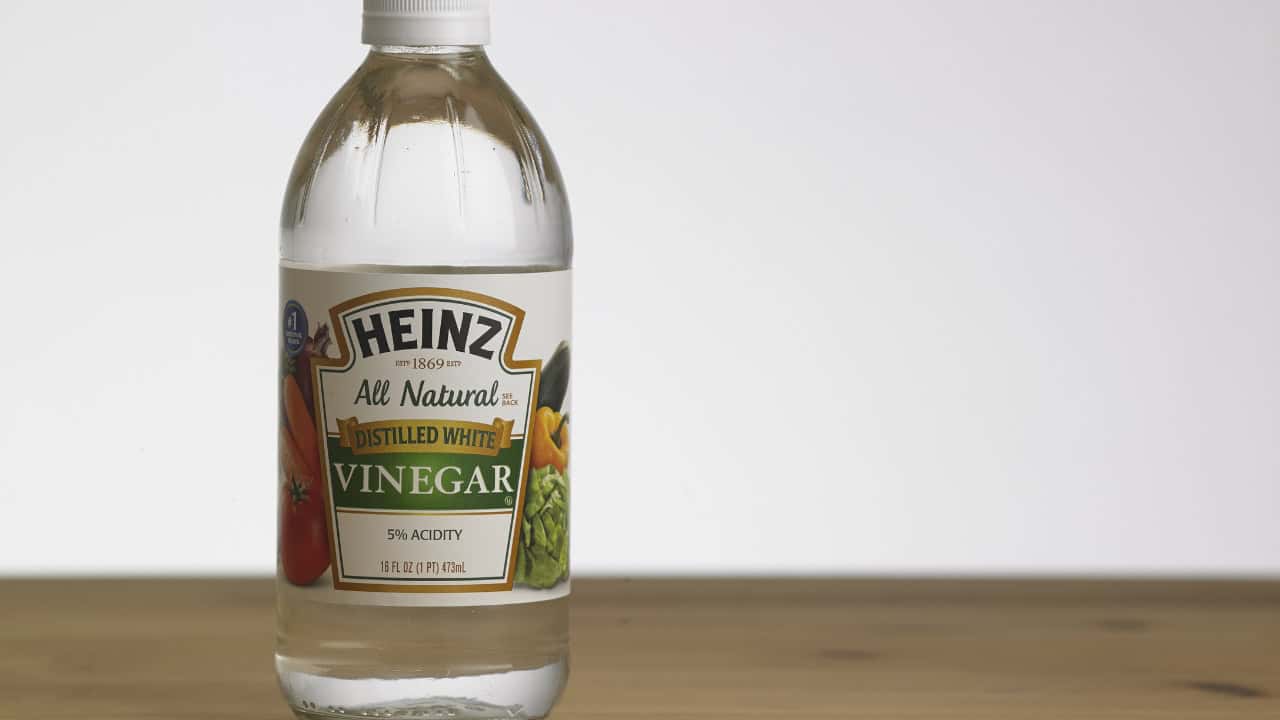
You may think vinegar is a miracle cleaner for every surface, but that’s not the case. Using vinegar on natural stone surfaces like granite or marble can cause etching and dull spots.
It’s also not suitable for metals like aluminum and copper, as it can lead to corrosion. Stick to using vinegar on safe surfaces, such as glass or certain fabrics, to avoid damage.
2. Spraying control panels directly

When cleaning your appliances, it’s easy to forget how delicate control panels can be. Spraying them directly with cleaner might seem like a quick fix, but it can lead to moisture getting inside.
This moisture can cause malfunctions or even permanent damage. Instead, try applying the cleaner to a cloth and wiping the panel gently. This simple adjustment can save you from costly repairs down the line. Keeping your appliances in good shape is all about those little habits!
3. Cleaning with inappropriate chemicals
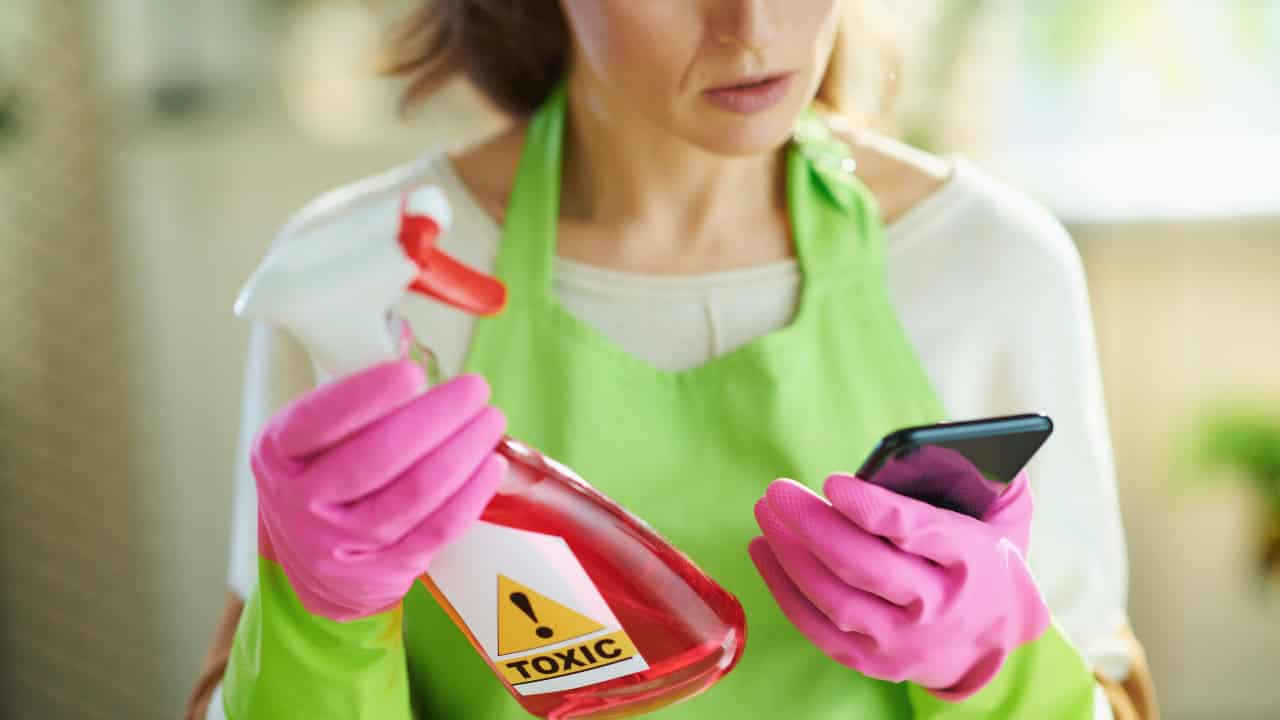
Using the wrong cleaning chemicals can lead to damage. For instance, mixing bleach with ammonia creates toxic fumes that can be harmful.
You might think that a strong cleaner is always better, but that’s not true. Some surfaces, like wood or vinyl, can be ruined with harsh chemicals. Always read labels and follow recommended uses. If you’re unsure, opt for milder options or do a spot test first. Keeping your home safe should be your priority!
4. Forgetting to dry wet areas
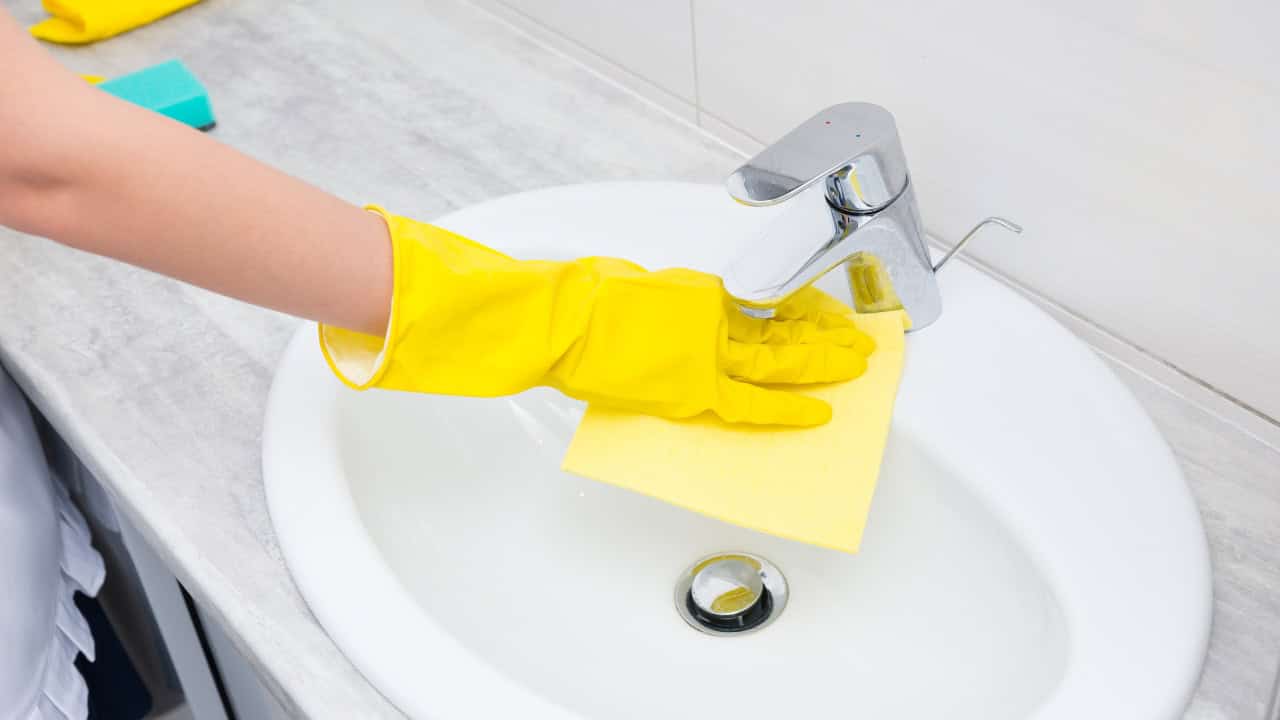
It’s easy to overlook drying wet areas after cleaning. Leaving surfaces damp can foster mold and mildew growth over time, especially in bathrooms and kitchens.
Make it a habit to wipe down wet surfaces after you finish cleaning. This simple step can significantly improve your home’s hygiene.
Pay special attention to areas like shower stalls, sinks, and countertops. A quick dry can prevent future cleaning headaches and keep your space looking fresh.
5. Overloading the dishwasher
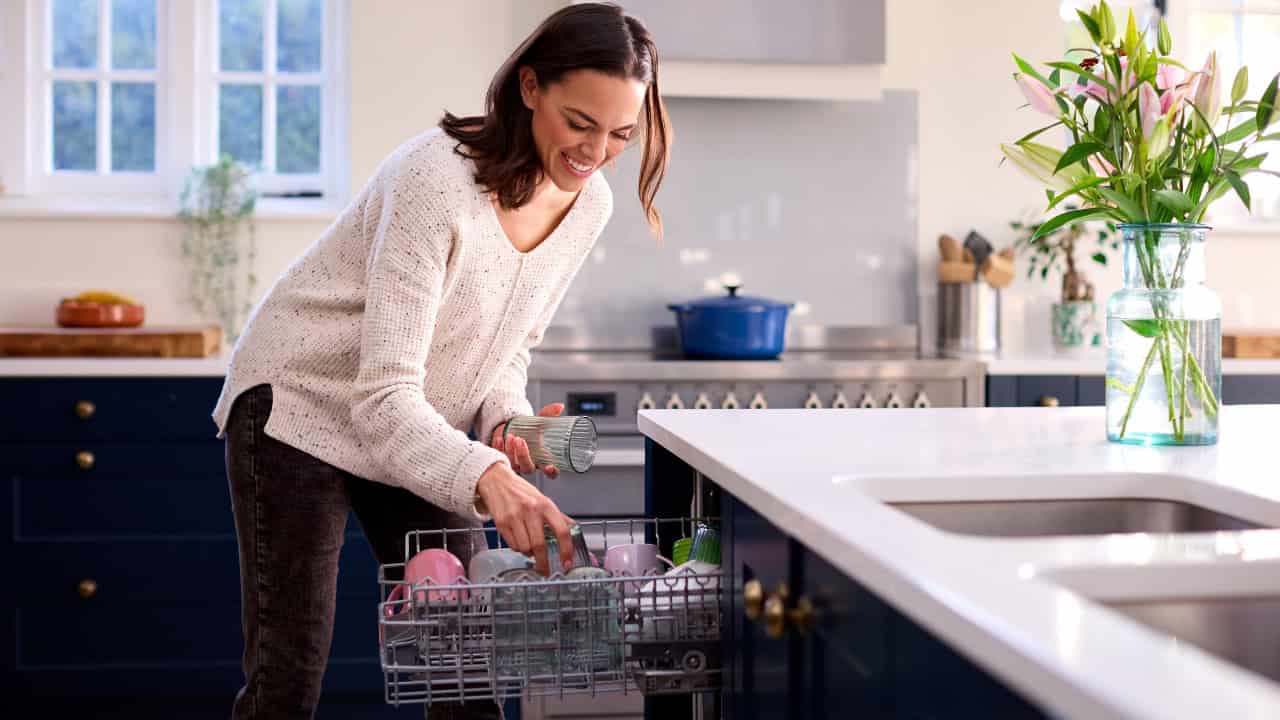
Overloading your dishwasher can cause more harm than good. When you cram too many dishes in, water can’t reach all surfaces properly. This means food particles might get left behind.
Instead of saving time, you may end up with dirty dishes. It’s better to load your dishwasher in a way that allows for proper cleaning. Leave enough space so the spray arms can move freely.
Remember, a clean dishwasher results in cleaner dishes. Take a moment to load it properly for the best results.
6. Using abrasive products on delicate surfaces
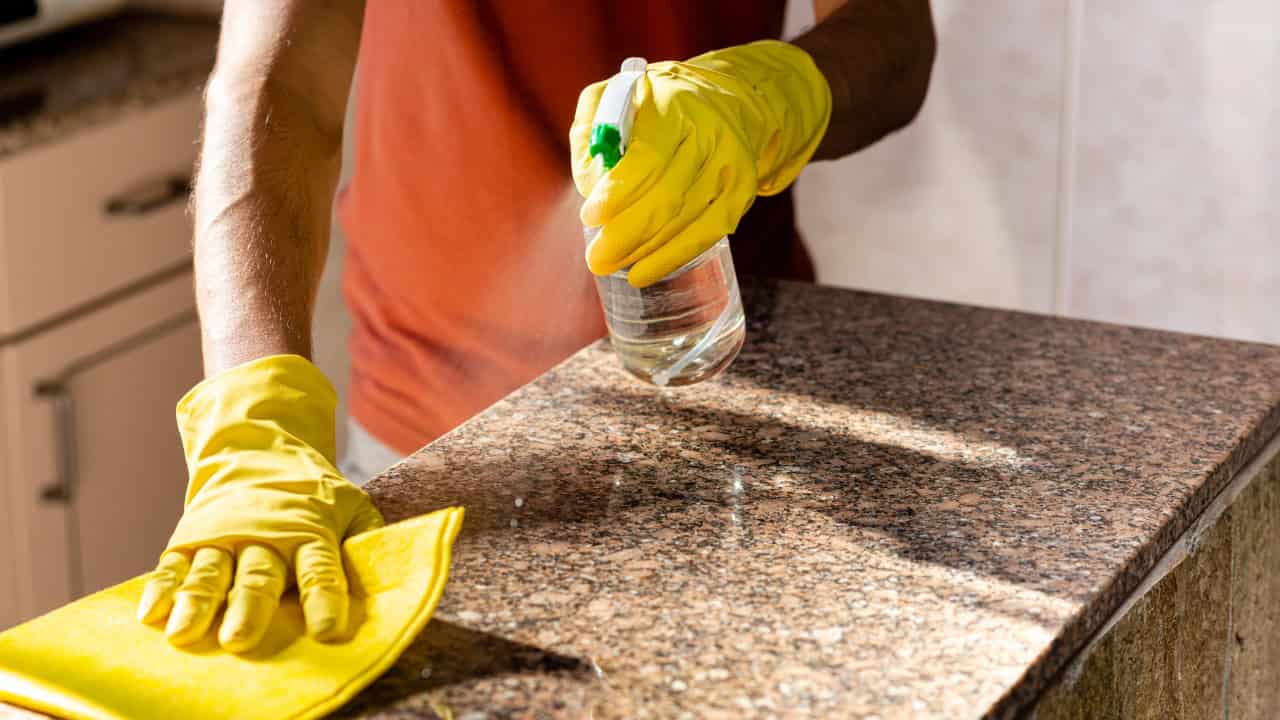
You might think abrasive cleaners give a better scrub, but they can actually do more harm than good. If you use them on surfaces like granite or marble, you’re risking scratches that could ruin the finish.
Always opt for gentle, non-abrasive options when tackling these materials. A soft cloth and a mild cleaner can keep your surfaces looking sharp without any damage. Treat your delicate surfaces right, and they’ll thank you for it!
7. Not planning cleaning tasks ahead
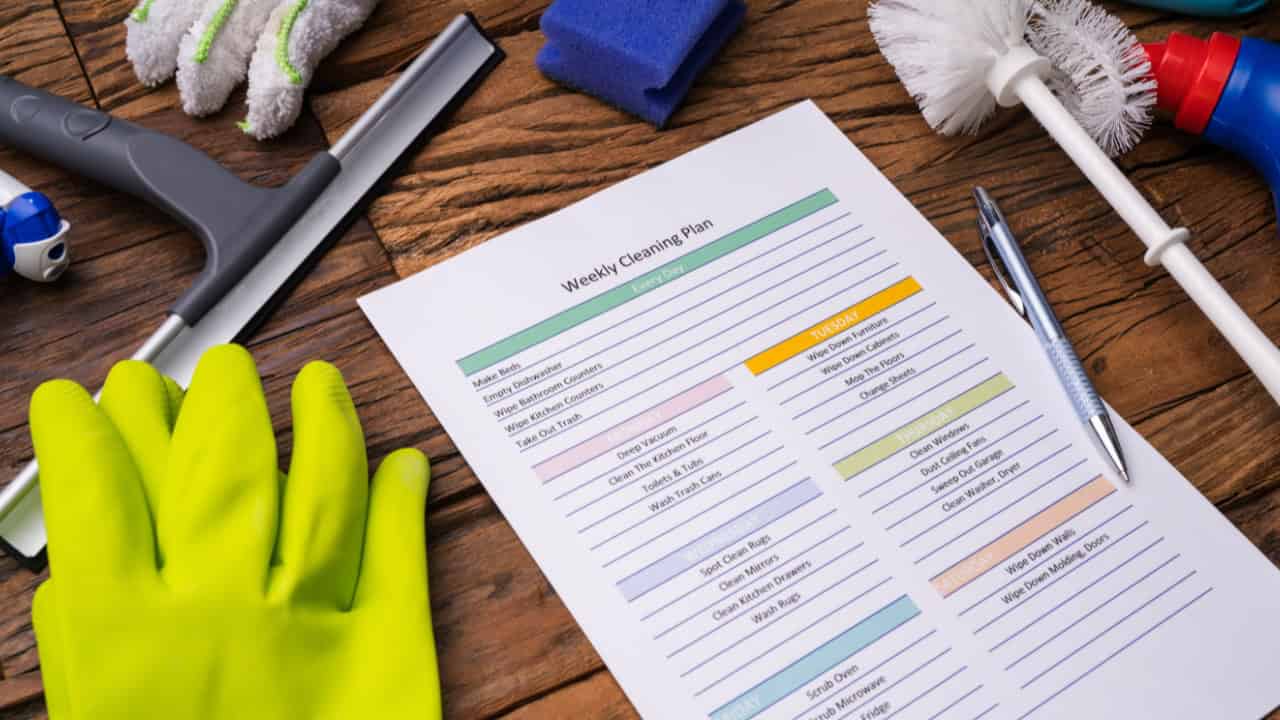
Not planning your cleaning tasks can lead to chaos. You might find yourself scrambling at the last minute, which makes the job feel overwhelming.
Take a few minutes to create a simple cleaning schedule. This way, you can tackle specific areas on certain days, making it less stressful. When you plan ahead, you can also gather the necessary supplies, saving you time and effort. You’ll thank yourself later for keeping things organized!
8. Cleaning without removing dust first

When you clean without dusting first, you might be just moving dirt around. Dust can settle on surfaces, making it harder to clean effectively. Start from the top down. This way, any dirt or dust that falls will be cleaned up later.
Using a microfiber cloth or duster can help capture that dust, preventing it from spreading. Remember, a little prep makes your cleaning more efficient!
9. Using lemon juice on stone surfaces

Using lemon juice on stone surfaces is a common mistake. The acidity can damage materials like granite and marble. You might think lemon is a natural cleaner, but it can cause etching and dull spots. This leaves your countertops looking worse than before.
If you accidentally spill lemon juice, it’s important to clean it up immediately. Consider using pH-balanced cleaners specifically designed for stone. Your stone surfaces will thank you for it!
10. Reusing dirty rags

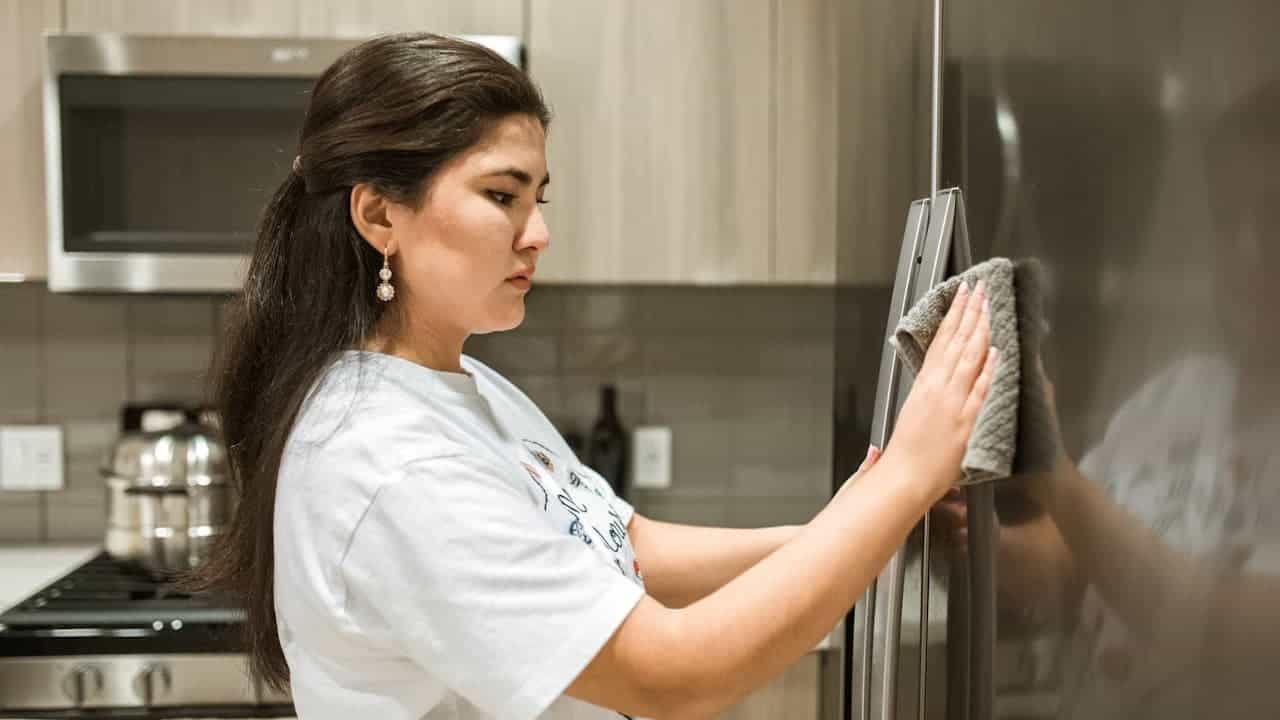
Using the same rag multiple times without washing it can spread dirt and germs around your home. Even when you spritz it with a cleaning solution, old grime can linger.
It’s tempting to keep using that same rag, especially if it seems “clean enough.” However, switching to fresh cloths can make a big difference in the cleanliness of your surfaces.
To save time, consider designating specific rags for certain tasks. This way, you won’t accidentally mix up the dirty and the clean.
11. Not cleaning high-touch surfaces regularly
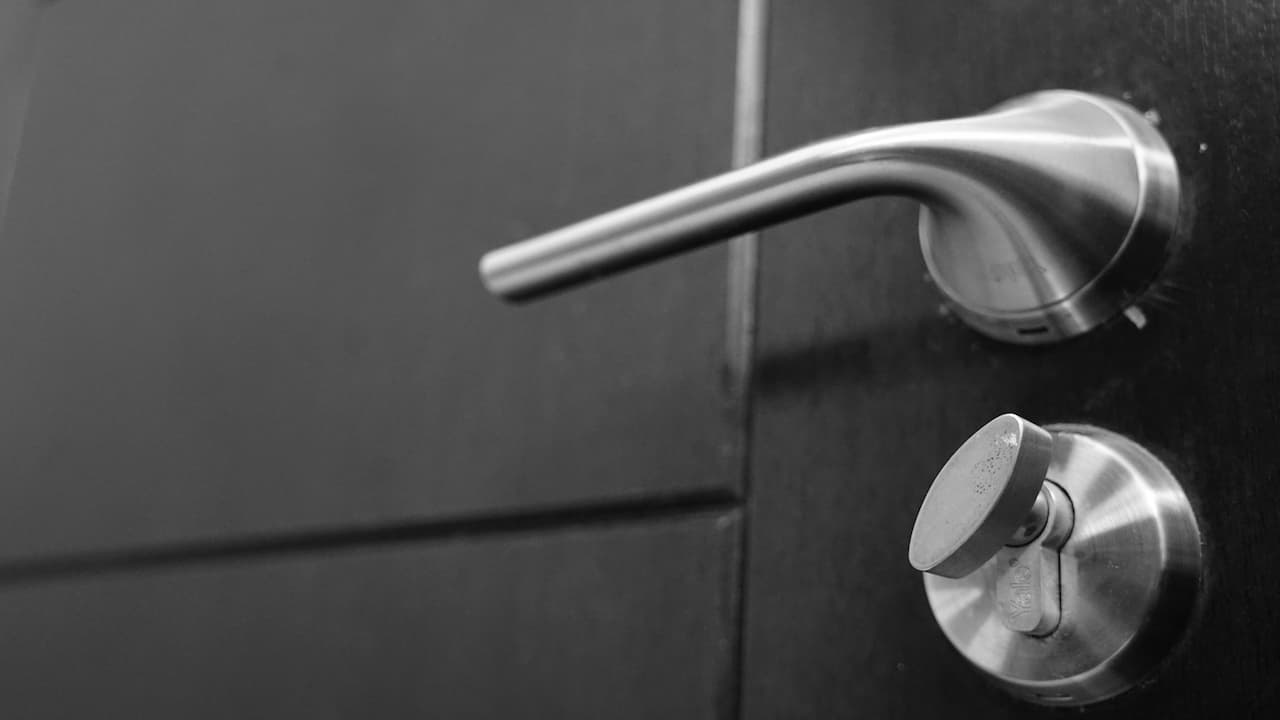
It’s easy to overlook those spots you touch all the time. Door knobs, light switches, and remote controls are prime candidates for neglect.
These surfaces gather germs quickly, especially in shared spaces. A quick wipe with a disinfectant can help keep your home healthier. Make it a habit to clean these areas at least once a week. A little effort goes a long way in preventing the spread of illness.
12. Allowing moisture to seep into electronics
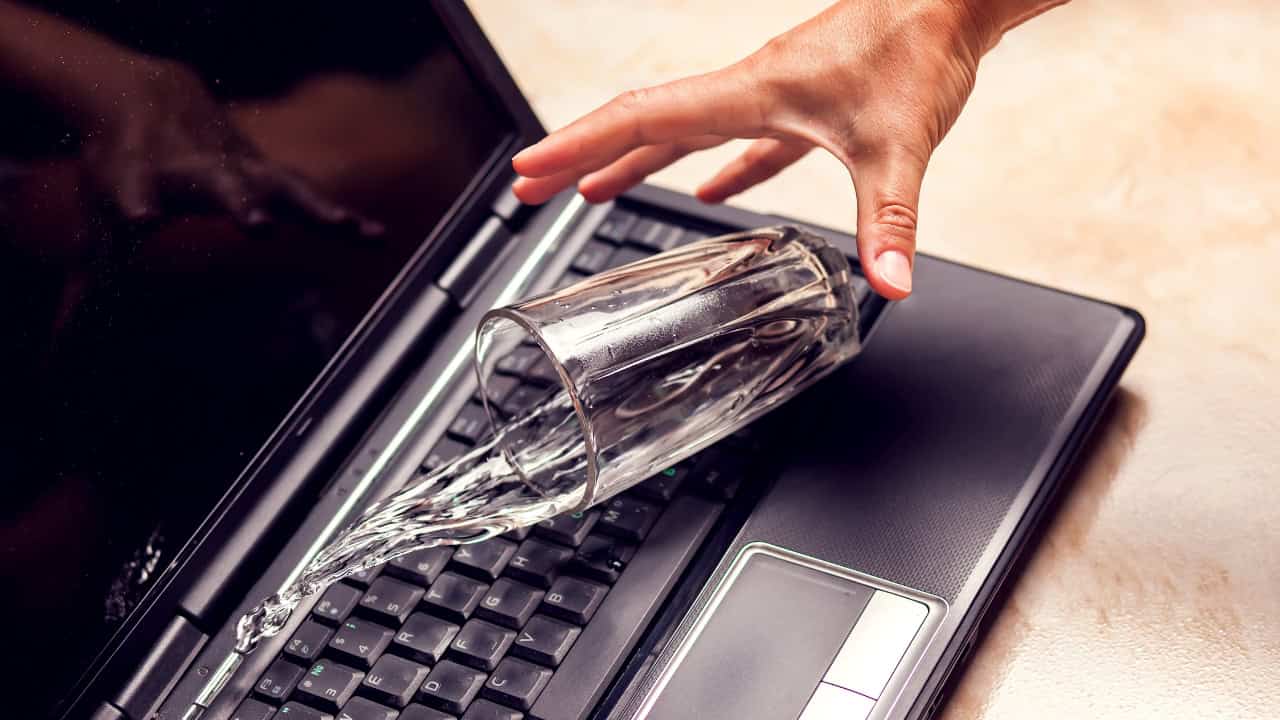
Moisture can be a real enemy to your electronics. When water gets into devices, it can lead to corrosion and damage over time.
You might think a little spill won’t hurt, but even small amounts can cause problems. Always keep electronics away from wet areas, and be cautious with cleaning products that can splash.
If you suspect moisture has seeped in, act quickly. Disconnect the device and allow it to dry completely before using it again. Taking these simple steps can save you from costly repairs down the line.
13. Using too much cleaning product
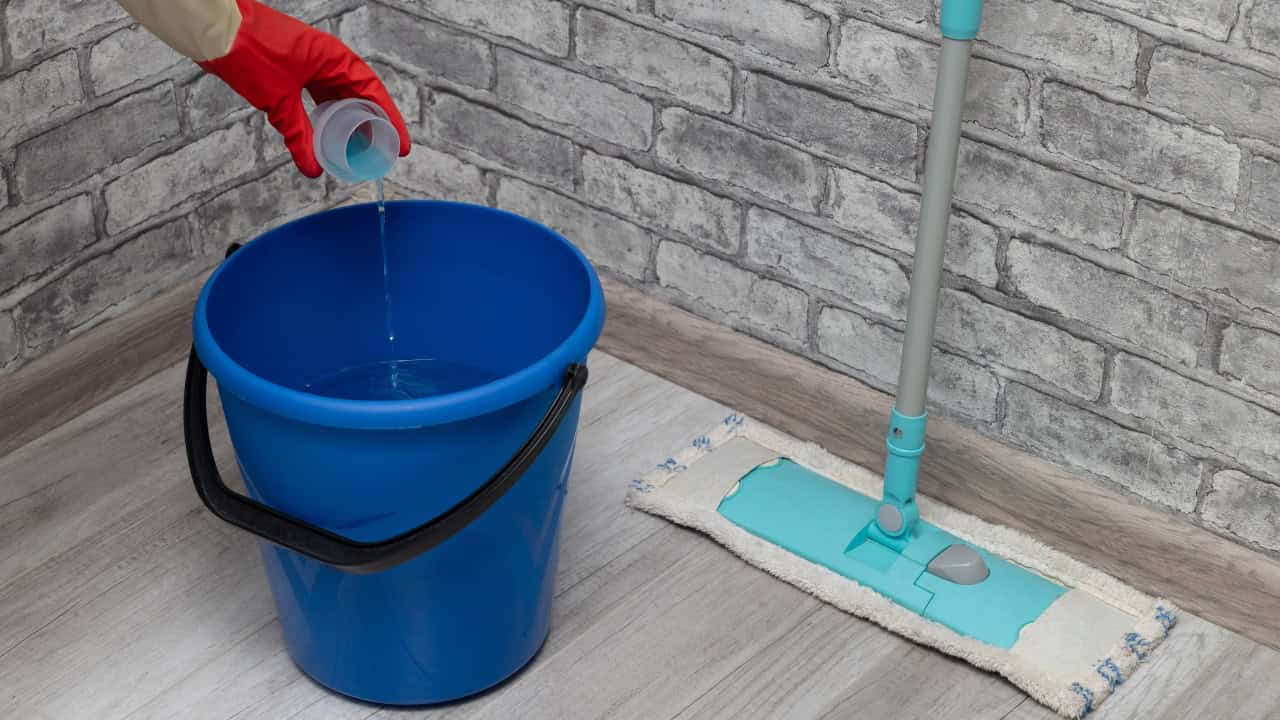
When it comes to cleaning, less can often be more. Using too much cleaning product can lead to streaks, residue, or even damage to surfaces.
It’s important to follow the guidelines on the label for the right amount to use. Overloading your cloth or sponge just wastes product and money. If you’re unsure, start with a small amount. You can always add more if needed. Striking the right balance makes your cleaning routine easier and more effective!
14. Cleaning windows on sunny days

Cleaning your windows on a sunny day might seem like a good idea, but it’s not. The sun causes the cleaning solution to dry too quickly. This can lead to streaks and residue that are hard to wipe away.
Instead, choose a cooler, overcast day. This way, your cleaning solution has enough time to work without drying out. You’ll end up with clearer, streak-free windows that look great.
Avoid the hassle and save time by planning your window cleaning for the right weather. Your windows will thank you!
15. Neglecting to clean hidden areas
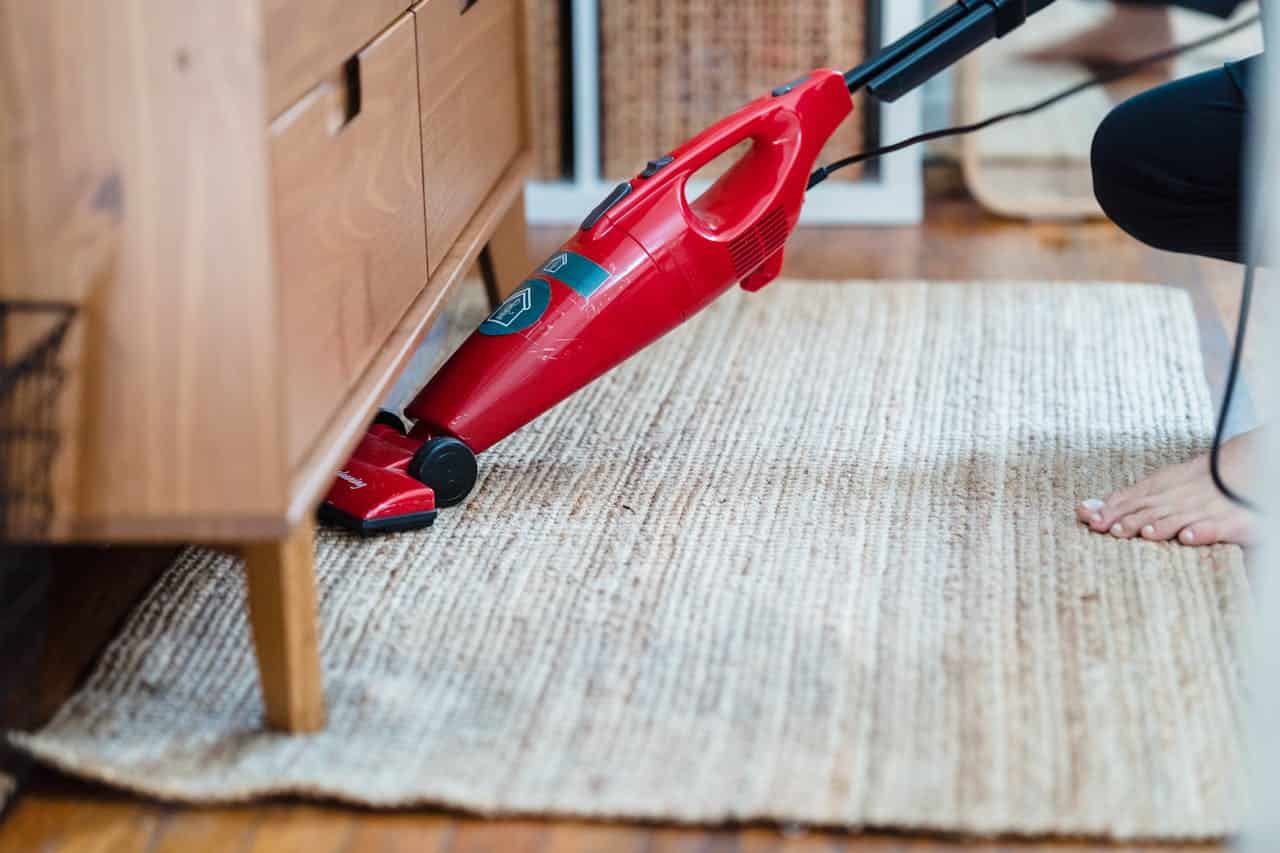
When you clean your home, it’s easy to focus on visible surfaces. Don’t forget those hidden spots where dust and grime like to hide.
Think about areas like behind appliances, under furniture, and inside cabinets. These places often collect dirt and are overlooked during your routine cleaning.
Make it a habit to check these hidden areas regularly. A quick clean can prevent bigger buildup issues down the line. Your home will feel fresher and healthier with just a little extra effort!
*This article was created with the help of AI.