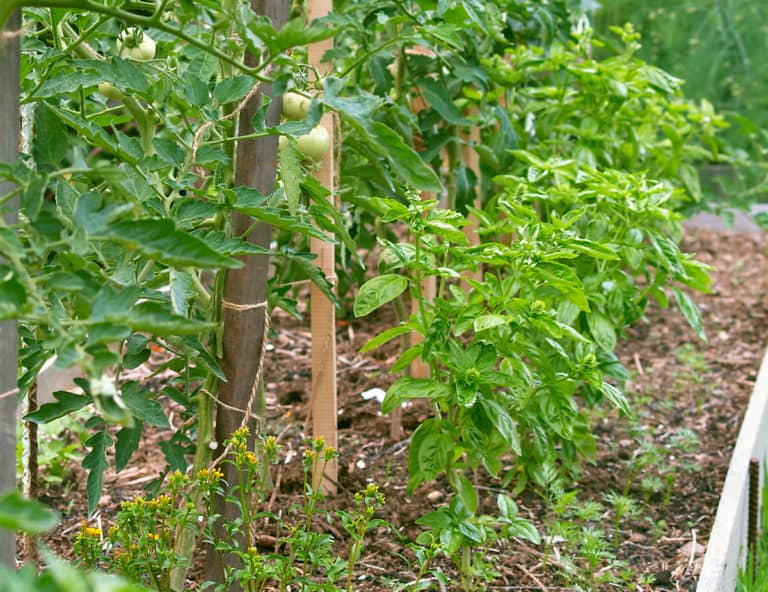
Companion Planting Deters Insects, Mice, Rabbits, and Moles
You hear a lot about companion planting to deter rodents and pests. But is there any truth to it? Yes, especially in deterring insect pests.
You hear a lot about companion planting to deter rodents and pests. But is there any truth to it? Yes, especially in deterring insect pests.
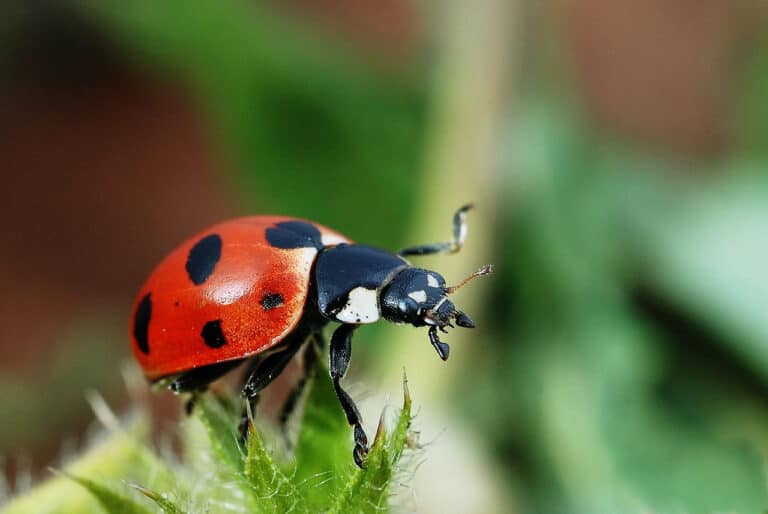
Use “good bugs” to prey on the “bad bugs” in your garden to devour enough of them so that your plants will have a chance to recover.
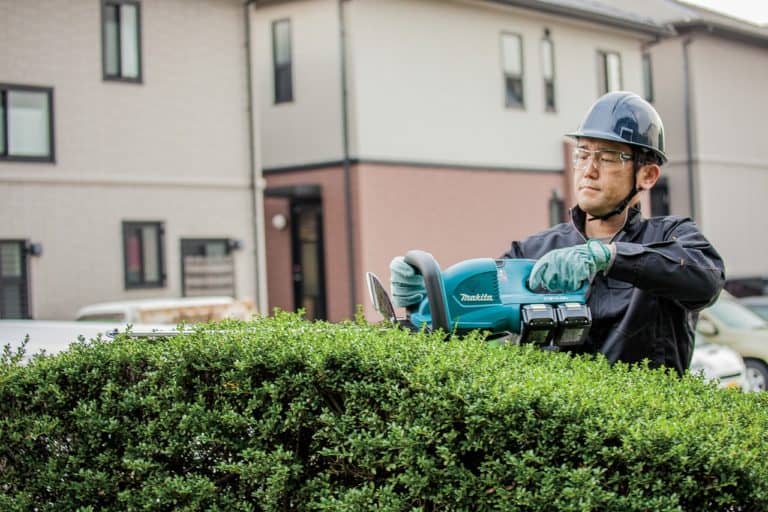
Traditional fencing can feel very restrictive, especially for smaller spaces. But there are many alternatives to fencing, one of which is a living fence.
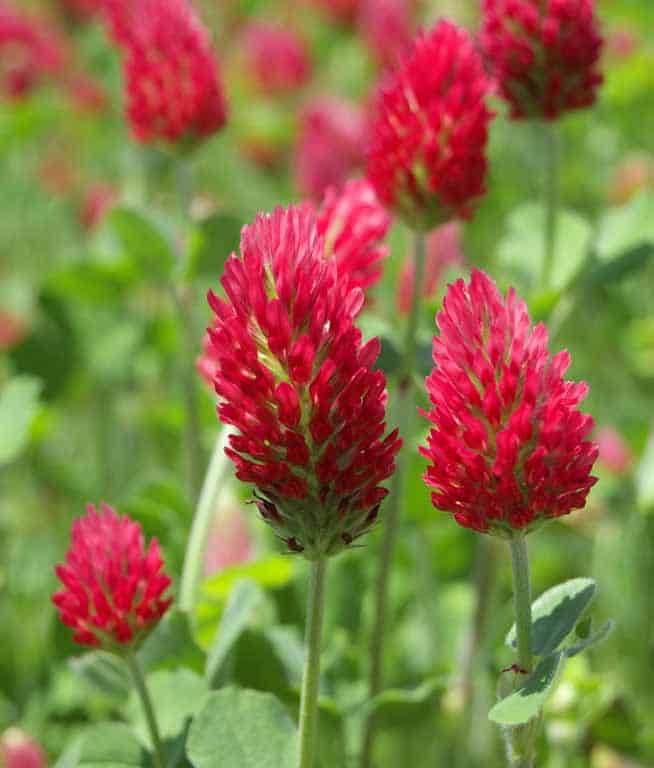
Cover crops protect soil from weather extremes, are used between crops to restore fertility and suppress weeds, and to protect garden beds left unplanted.
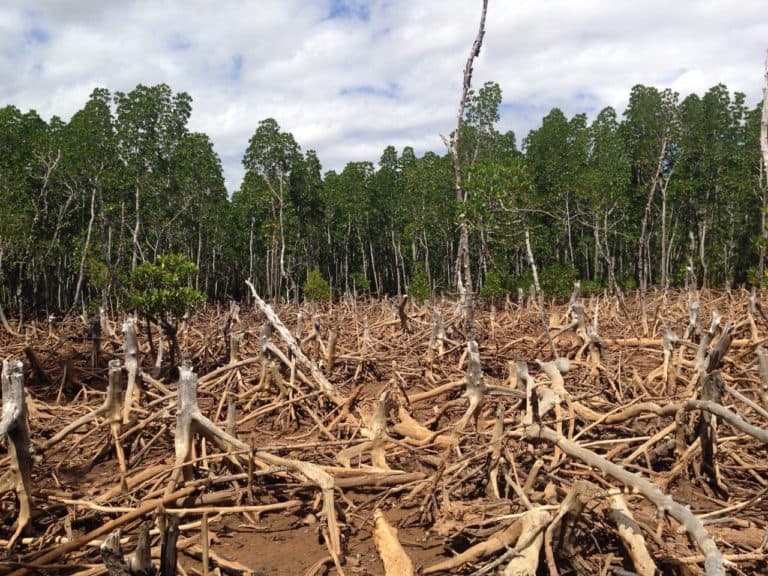
Modern development has resulted in rapid deforestation resulting in climate change. The devastating effects of deforestation are long-lasting with the power to impact all living things.
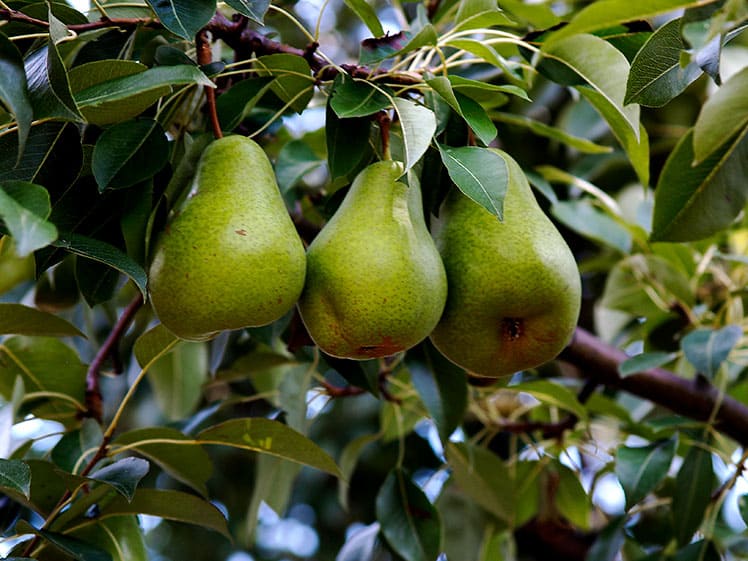
Of all things necessary to grow fruit trees, soil is the most overlooked. It plays a key role in the health of fruit trees and in how much fruit they bear.
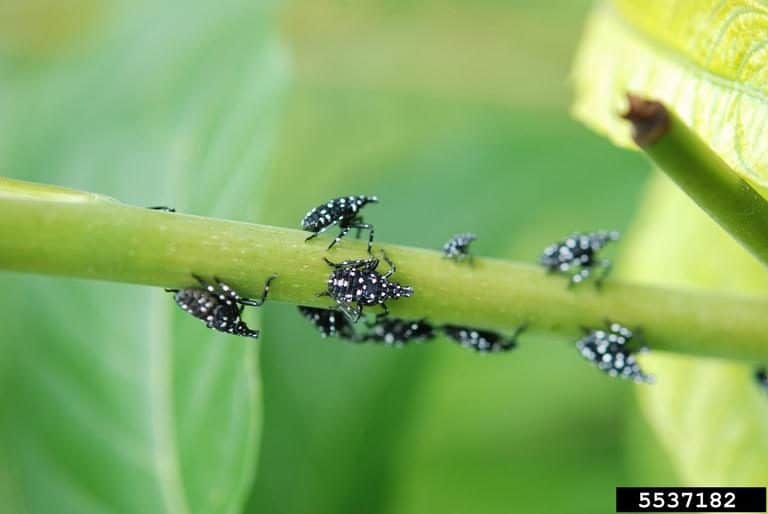
Spotted Lanternfly (SLF) is an invasive species from Asia, first spotted in the U.S. in 2014. It is very destructive to fruit crops and landscape plants.
It’s not always easy to define a native plant. A plant is not native to a particular state, as nature knows no political boundaries. But nature does know geographic boundaries.
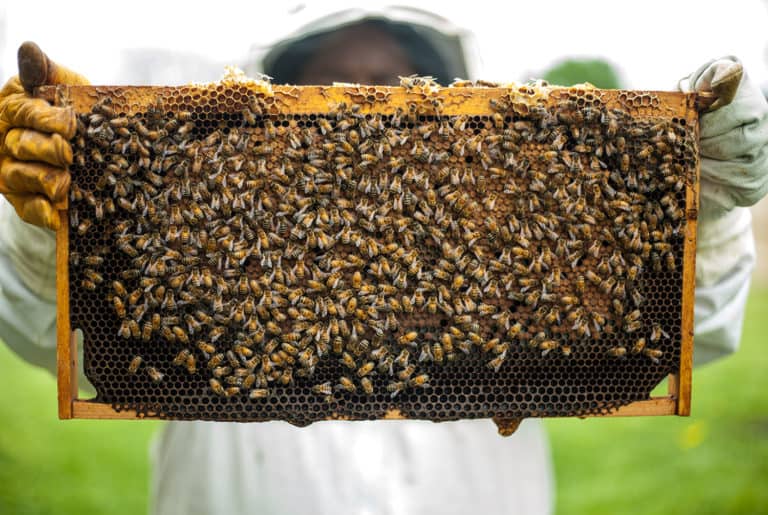
Keeping bees in a town or city may seem like a strange idea, as our first thought may be that bees would thrive best in the countryside. But it’s a fact that bees in an urban environment are more healthy and productive than bees found in the country.
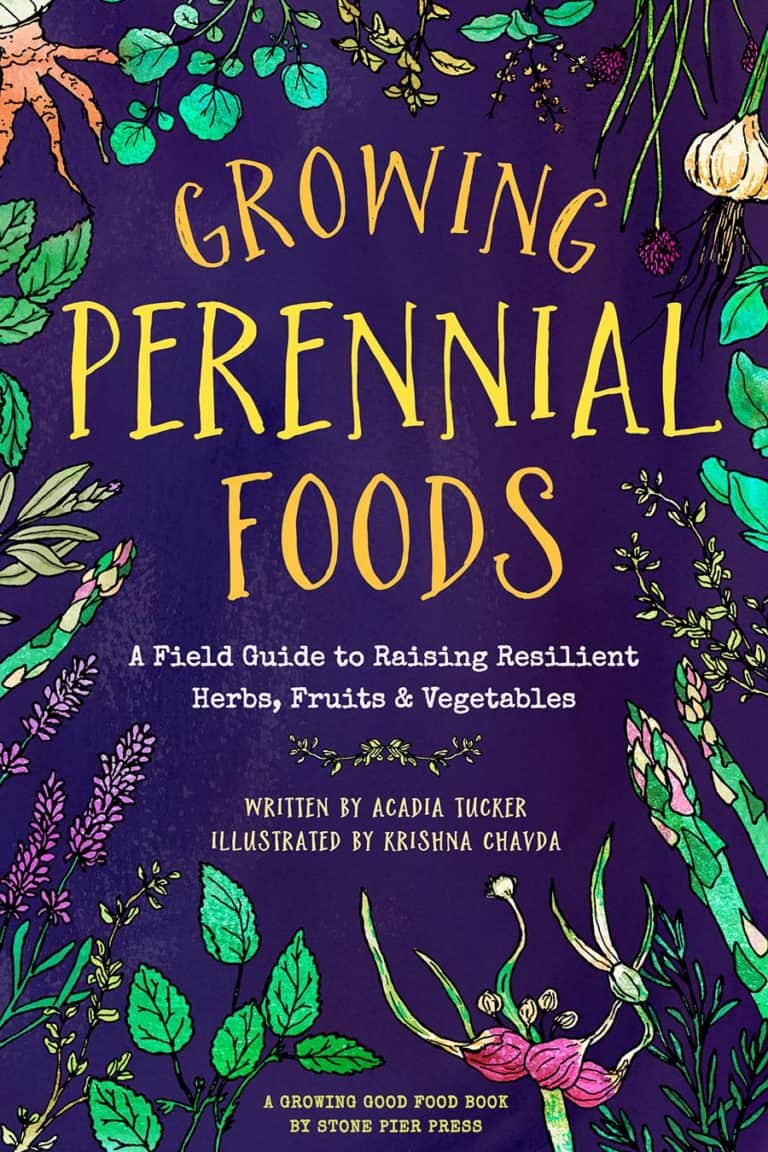
Growing Perennial Foods is squarely aimed at the beginning gardener with the basics on how to grow the most common perennial vegetables, fruits and herbs, many of which we think of as annuals.