
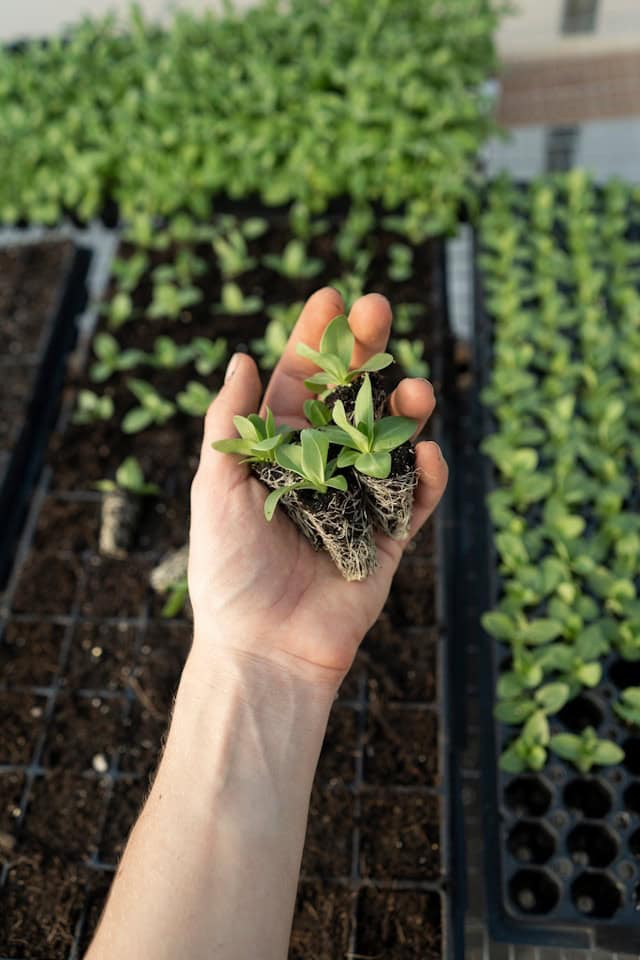
Gardening in a small space can feel challenging, but with careful planning and the right plant selection, even a compact garden can yield a bountiful harvest. Small gardens often require creative use of space, vertical gardening techniques, and choosing vegetables that grow well in limited areas. By focusing on high-yield, space-efficient vegetables, gardeners can enjoy fresh produce without needing a large backyard.
Selecting the right vegetables for a small garden ensures that every square foot is productive. Some vegetables thrive in containers, raised beds, or vertical structures, making them ideal for gardeners with limited space.
Why Choosing the Right Vegetables Matters
In a small garden, maximizing space and productivity is key. Planting vegetables that are suited for compact areas ensures that your garden remains manageable while still producing plenty of food.
Some vegetables grow tall, spread widely, or require extensive care, which can overwhelm a small garden. In contrast, compact or fast-growing vegetables make efficient use of limited space and can provide multiple harvests in a season.
Choosing vegetables with complementary growth habits can also help create a balanced, thriving garden that remains healthy and productive throughout the year.
Lettuce and Leafy Greens
Lettuce, spinach, kale, and arugula are perfect for small gardens because they grow quickly and do not require deep soil. These leafy greens thrive in containers, raised beds, or even window boxes, making them versatile for limited spaces.
Many leafy greens can be harvested multiple times by picking outer leaves, allowing the plant to continue growing. This “cut-and-come-again” method maximizes yields without requiring additional planting space.
Leafy greens also grow well in partial shade, making them ideal for gardens where sunlight is limited during part of the day.
Radishes
Radishes are one of the fastest-growing vegetables and are perfect for small gardens. They mature in as little as three to four weeks, allowing for multiple plantings throughout the season.
Radishes require very little space and can even be interplanted with slower-growing crops to make efficient use of garden beds. Their small root system means they do not compete heavily with other plants, making them excellent companions for larger vegetables.
The quick harvest of radishes keeps small garden beds productive and constantly refreshed.
Tomatoes (Determinate Varieties)
Tomatoes are a popular choice for small gardens, especially determinate varieties, which grow to a compact size and produce fruit all at once.
These tomatoes are well suited for containers, raised beds, or vertical gardening with stakes, cages, or trellises. By growing tomatoes vertically, gardeners can save horizontal space while still enjoying a generous harvest.
Cherry and grape tomato varieties are particularly suitable for small gardens because they produce abundant fruit and thrive in confined spaces. Regular pruning helps maintain plant health and encourages better fruit production.
Peppers
Peppers, both sweet and hot varieties, are compact plants that grow well in containers or small garden beds.
These vegetables prefer full sun and well-drained soil but do not require a lot of space. Peppers also benefit from vertical support, which helps keep fruit off the ground and reduces disease risk.
Peppers are long-bearing plants, providing harvests over an extended period, making them highly productive in limited garden space.
Green Beans (Bush Varieties)
Bush beans are excellent for small gardens because they grow upright without sprawling vines. Unlike pole beans, bush varieties do not require trellises, which saves additional space.
These plants produce a high yield of beans in a compact area and can be planted in succession to provide a continuous harvest. Bush beans thrive in full sun and benefit from regular watering to maintain productivity.
Carrots
Carrots are ideal for small gardens, especially when grown in raised beds or deep containers. They require loose, well-drained soil to grow straight and healthy roots.
Compact varieties such as ‘Thumbelina’ or ‘Little Finger’ are perfect for limited space. Carrots can be interplanted with shallow-rooted vegetables like lettuce to make efficient use of garden beds.
Regular thinning of seedlings helps prevent overcrowding and ensures that carrots grow to a desirable size.
Zucchini and Summer Squash (Compact Varieties)
While zucchini and summer squash can grow large, selecting compact or bush varieties makes them suitable for small gardens.
These plants produce abundant fruit in a limited area and thrive in sunny locations. Vertical support, such as cages or trellises, can further maximize space and prevent sprawling vines from taking over the garden.
Harvesting squash regularly encourages continued production throughout the growing season.
Herbs
Many herbs are perfect for small gardens because they grow well in containers and require minimal space. Basil, parsley, chives, oregano, thyme, and mint can be grown in pots, raised beds, or along garden edges.
Herbs can also be interplanted with vegetables to save space and even serve as companion plants that help deter pests. Regular harvesting encourages bushy growth and provides a steady supply for cooking and fresh use.
Cucumbers (Bush Varieties or Vertical Growing)
Cucumbers are fast-growing and can yield abundantly, making them ideal for small gardens when grown vertically. Bush cucumber varieties are compact and suitable for container gardening.
Using trellises or fences allows vining cucumber varieties to grow upward, saving horizontal space and improving air circulation around the plants. Regular harvesting of cucumbers encourages continued production throughout the season.
Tips for Maximizing Space in a Small Garden
- Vertical Gardening: Use trellises, cages, or wall-mounted planters to grow climbing plants and save ground space.
- Succession Planting: Plant quick-growing vegetables like radishes or lettuce after harvesting a previous crop to maintain continuous production.
- Interplanting: Combine shallow-rooted and deep-rooted plants to make the most of available soil and sunlight.
- Container Gardening: Many vegetables, including tomatoes, peppers, and herbs, thrive in pots or raised beds, allowing flexible use of limited space.
- Companion Planting: Strategically place plants together to enhance growth, deter pests, and maximize space efficiency.
Creating a Productive Small Garden
Even in a compact garden, choosing the right vegetables and planning carefully can lead to a productive and enjoyable gardening experience. By focusing on fast-growing, space-efficient crops such as lettuce, radishes, bush beans, compact tomatoes, and herbs, gardeners can enjoy fresh, homegrown produce without requiring a large backyard.
With thoughtful placement, vertical gardening, and succession planting, small garden spaces can be transformed into thriving vegetable gardens that provide abundant harvests throughout the growing season.