
Gardening is one of the most rewarding hobbies you can take up. It not only brings beauty to your home but also promotes mental well-being, physical activity, and even the joy of growing your own food. If you’re new to gardening, starting your first garden might seem overwhelming. However, with some planning and guidance, you can cultivate a thriving garden that brings satisfaction for years to come. This guide will walk you through the essential steps to get started.
Understanding Your Gardening Goals
Before planting a single seed, it’s important to define your gardening goals. Ask yourself why you want a garden. Do you want fresh vegetables and herbs? Are you looking to create a colorful flower garden? Or are you simply interested in adding greenery to your outdoor space? Knowing your goals will help determine the type of garden, the plants you choose, and the space you’ll need.
Choosing the Right Location
One of the most crucial factors in successful gardening is location. Most plants need sunlight to grow, so choose a spot that receives at least six hours of direct sunlight daily. Ensure the area has good drainage to prevent waterlogging, which can harm plant roots. Additionally, consider the proximity to water sources and ease of access for maintenance tasks like watering and weeding.
Preparing the Soil
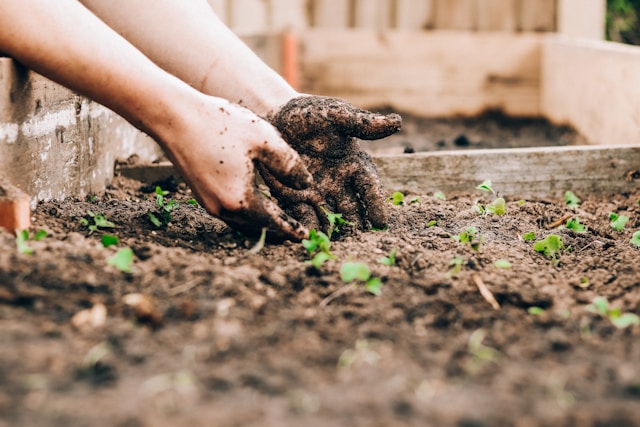
Healthy soil is the foundation of a thriving garden. Start by testing your soil’s pH and nutrient levels, which can help you determine if amendments are needed. Most garden plants prefer slightly acidic to neutral soil, with a pH between 6 and 7. Incorporate organic matter such as compost or well-rotted manure to improve soil texture, fertility, and drainage. Loosen compacted soil with a garden fork or tiller to create an ideal environment for roots to grow.
Selecting Your Plants
Choosing the right plants is essential, especially for beginners. Consider plants that are easy to grow, resilient, and suited to your climate. For vegetables, options like lettuce, tomatoes, radishes, and herbs such as basil or parsley are excellent starter choices. For flowers, marigolds, sunflowers, and zinnias are hardy and low-maintenance. Research the growing season and sunlight requirements of each plant to ensure they thrive in your garden.
Planning Your Garden Layout
A well-planned layout makes gardening easier and more enjoyable. Decide whether you want raised beds, containers, or in-ground planting. Raised beds are excellent for beginners because they provide better drainage and soil control. Organize plants according to their sunlight and spacing requirements, and consider companion planting, which can naturally deter pests and promote growth. Leave enough space between plants for air circulation and future growth.
Planting Your Garden
Once your soil is prepared and plants are selected, it’s time to plant. Follow the recommended planting depth and spacing for each species. Water gently but thoroughly after planting to help roots establish. If you’re starting with seeds, use seed trays or small containers indoors to germinate them before transplanting outside. Be patient, as seedlings may take a few weeks to grow strong enough for outdoor planting.
Watering and Maintenance
Consistent care is vital for a healthy garden. Water plants early in the morning or late in the evening to minimize evaporation. Avoid overwatering, as soggy soil can lead to root rot. Mulching around plants helps retain moisture, regulate soil temperature, and reduce weed growth. Regularly remove weeds, check for pests, and prune dead or damaged leaves to keep your garden thriving.
Understanding Fertilization
Plants require nutrients to grow well. Fertilizers can provide essential nutrients like nitrogen, phosphorus, and potassium. Use organic fertilizers whenever possible to maintain soil health and avoid harmful chemicals. Follow package instructions carefully to prevent over-fertilizing, which can damage plants. Incorporate compost regularly to naturally enrich your soil and support long-term growth.
Dealing with Pests and Diseases
Gardens often attract insects and other pests, but most issues can be managed naturally. Encourage beneficial insects like ladybugs and bees, which help control harmful pests. Use barriers like nets or row covers to protect delicate plants. For disease prevention, avoid overwatering, provide adequate spacing, and remove infected leaves promptly. Learning to recognize common garden pests and diseases early can save your plants from serious damage.
Harvesting Your Garden
One of the most rewarding parts of gardening is harvesting your produce or enjoying the full bloom of your flowers. Harvest vegetables when they are ripe, and flowers when they reach peak bloom. Regular harvesting encourages continued growth and keeps your garden productive. Remember to handle plants gently to avoid damaging leaves, stems, or fruits.
Tips for Long-Term Success
Gardening is a journey, and every season brings new lessons. Keep a gardening journal to track planting dates, growth patterns, and successes or challenges. Experiment with different plants and techniques to see what works best for your space. Join local gardening groups or online communities for advice, inspiration, and support. Most importantly, enjoy the process, as gardening is not just about results but also about connecting with nature and finding personal fulfillment.
Conclusion
Starting your first garden may seem challenging, but with preparation, patience, and consistent care, it can be a deeply rewarding experience. By understanding your goals, choosing the right location, preparing healthy soil, selecting suitable plants, and maintaining proper care, you can create a thriving garden that brings joy and satisfaction. Whether growing fresh vegetables, aromatic herbs, or colorful flowers, gardening offers endless opportunities to connect with nature and improve your well-being. Begin today, and watch your garden flourish season after season.