Indoor plants can add a refreshing pop of green to your bedroom, improve air quality, and create a calm atmosphere conducive to a good night’s sleep. Whether you have a sunny spot by the window or a dimly lit corner, a variety of low-maintenance plants can thrive in your bedroom. Read on to learn about the top 15 plants that transform your bedroom into a tranquil oasis.
Aloe Vera

Aloe Vera is the right plant for your bedroom, as NASA has recognized it for its air-purifying qualities. This beneficial succulent grows well in indirect light, making it suitable for spots that don’t receive direct sunlight. It improves air quality by releasing oxygen at night, making your sleep environment healthier. Aloe Vera is drought-tolerant, so it doesn’t require frequent watering. With its resilience and health benefits, Aloe Vera is a top pick for creating a restful and healthy bedroom environment.
Advertisement
Scented Geranium

Scented Geraniums bring a delightful fragrance to your bedroom. Though they flower less frequently, their leaves offer a range of scents, from apricot, rose, peppermint, cinnamon, and lemon. These plants prosper in moist but well-drained potting soil and like bright to medium light conditions. Removing faded flowers and leaves regularly helps create a bushier plant.
Bromeliads
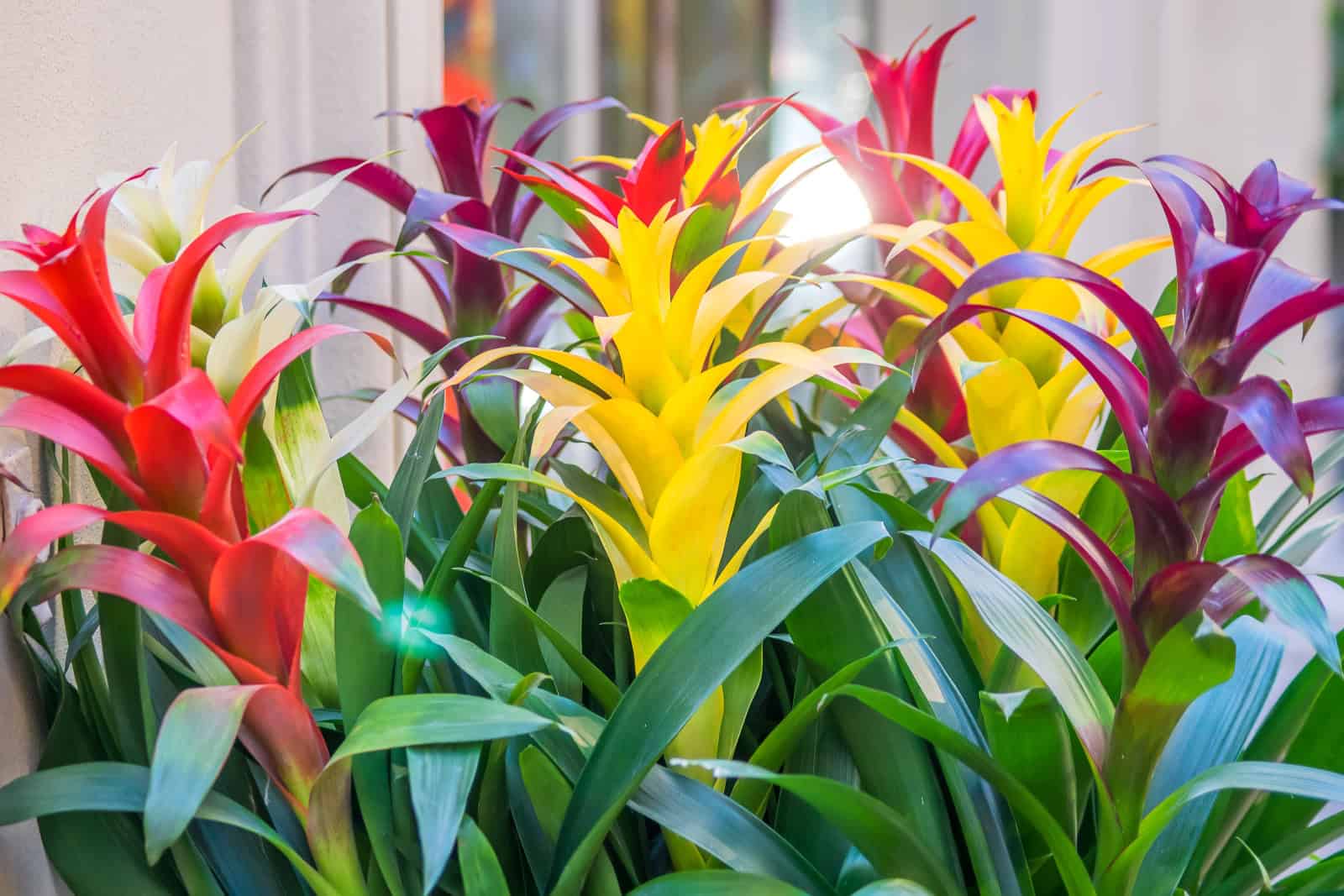
Bromeliads are not only vibrant and colorful but also effective air purifiers. These CAM plants absorb CO2 and release oxygen at night, enhancing air quality and creating a more restful sleep environment. Bromeliads have adapted to thrive in the understory of tropical forests, growing well even with minimal direct sunlight. If your bedroom lacks natural light, bromeliads are a perfect choice to add greenery and improve the atmosphere.
Jade Plant

The Jade Plant is a superb choice for improving bedroom air quality. It effectively removes harmful VOCs like acetone, benzene, formaldehyde, and toluene emitted by everyday household items like paints, glues, and fire retardants. Research from New York State University highlights its proficiency in eliminating these pollutants. Jade Plant also thrives in low light and can endure neglect, making it low-maintenance. It also helps to increase indoor humidity, which can alleviate issues like dry skin, allergies, and static electricity.
Snake Plant

Snake Plants thrive in low light conditions and effectively remove toxins like formaldehyde and nitrogen oxides from the air. Unlike most plants, Sansevieria continues to produce oxygen at night, which enhances air quality and promotes better sleep. Its striking green swordlike leaves adorned with silvery striations make the Snake Plant visually appealing and low-maintenance.
Peace Lily

The Peace Lily can bring a tropical feel to any room. It thrives in low-light conditions, and its elegant white flowers, which bloom in the spring, need little maintenance. Peace Lilies are natural air purifiers that absorb mold spores and VOCs, thus enhancing air quality. Their beauty, low maintenance, and health benefits make Peace Lilies a perfect addition to any bedroom.
White Jasmine
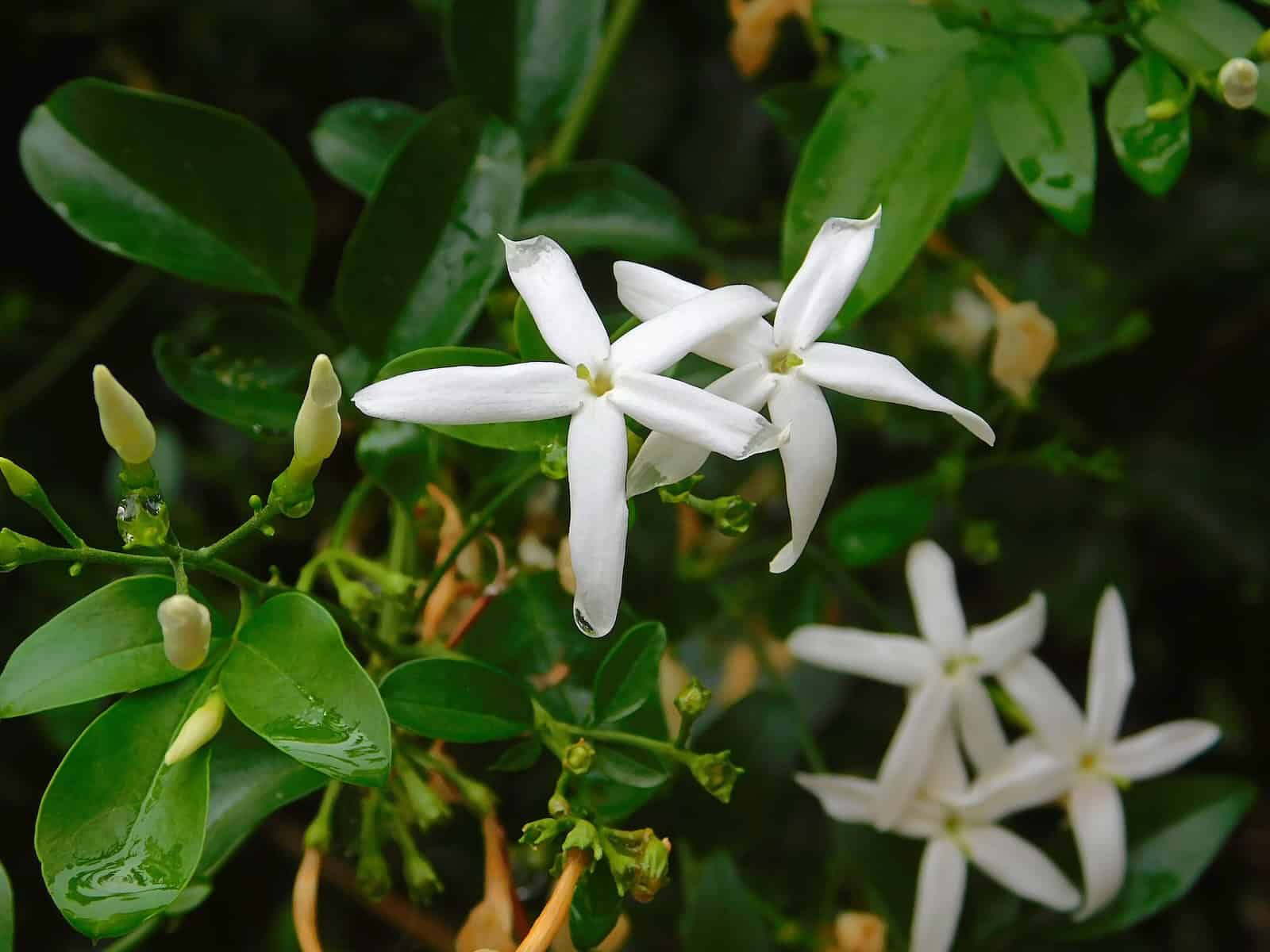
The lovely flowers and fragrant aroma of White Jasmine promote calm and restful sleep. A Japanese study found that jasmine’s scent has sedative qualities, making it ideal for a stress-free night. White Jasmine looks elegant, with its pink-tinged buds turning into star-shaped blooms. It is perfect for indoor growth due to its manageable size. Place it near a south or west-facing window with ample sunlight, and with regular pruning, it can grow up to 4-6 feet long.
Gardenia

Gardenia is a highly aromatic evergreen shrub celebrated for its beautiful white flowers and intoxicating fragrance. This plant is an excellent choice for improving sleep quality and adding elegance to your space. A 2010 study demonstrated that the sweet scent of gardenia flowers has sedative effects similar to valium, promoting better sleep by calming the body and mind. For optimal care, use drip irrigation to avoid leaf spots.
Weeping Fig

The Weeping Fig is an excellent air-purifying plant for your bedroom. This tree-like houseplant can grow quite tall, so ensure you have enough space for it. It prefers bright and indirect light, and you should water it when the top of the soil feels dry. Weeping Figs effectively remove harmful chemicals from the air, helping you breathe easier while you sleep. Keeping their environment stable is essential, as they don’t respond well to sudden changes.
Lavender

Lavender is an ideal bedroom plant due to its stress-relieving aroma, which promotes deeper, more restorative sleep. Not only does it help treat insomnia and enhance sleep quality, but it also effectively lowers reduced anxiety, heart rate, blood pressure, and serum cortisol. For best results, ensure your lavender plant receives plenty of bright light and is planted in a large enough pot with well-drained soil.
Areca Palm

The Areca Palm is known for relieving dry skin and soothing sinuses by humidifying the air, especially during winter. This pet-friendly plant not only purifies the air but is also easy to care for. As an effective humidifier, the Areca Palm helps control the drying effects of central heating, making your sleep environment comfortable. Given its size, ensure you have enough space in your bedroom for this beautiful and beneficial plant.
Chamomile

Chamomile is known for its numerous health benefits, including relief from muscle spasms, ulcers, inflammation, and insomnia. A study has shown that chamomile extract has sedative effects when consumed as tea or inhaled via aromatherapy. Growing a pot of chamomile on your bedroom windowsill provides the added benefit of its sweet, apple-like scent. Chamomile needs at least 6 hours of sunlight each day for optimal growth.
Spider Plant
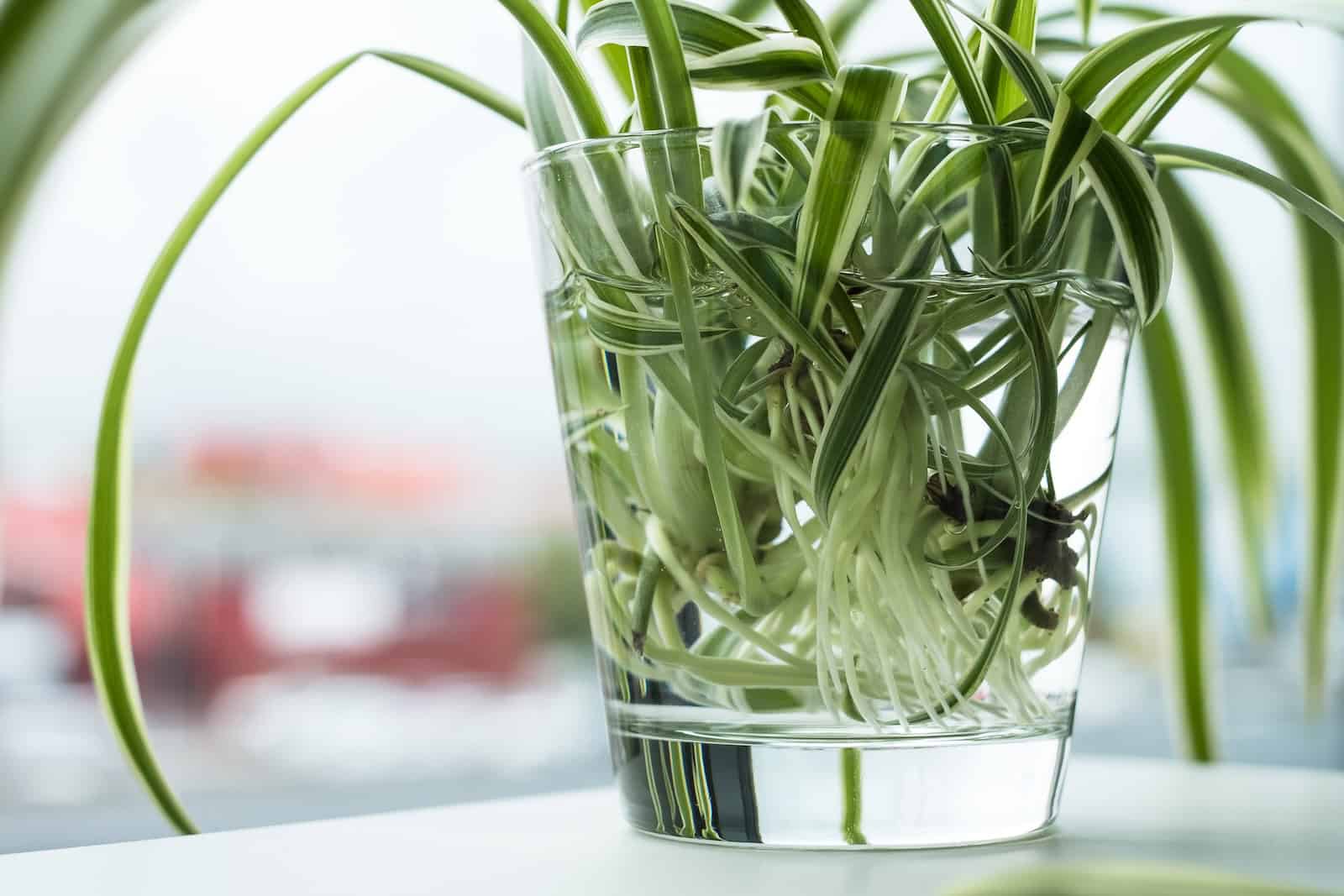
Spider Plants are ideal for bedrooms, especially if space is limited. These hardy plants thrive in dappled light and can tolerate some shade, making them versatile for various indoor environments. They require minimal care—light, regular watering, and occasional feeding. Suitable for tables, nightstands, or hanging displays, Spider Plants add vertical interest to your room.
Gerbera Daisies
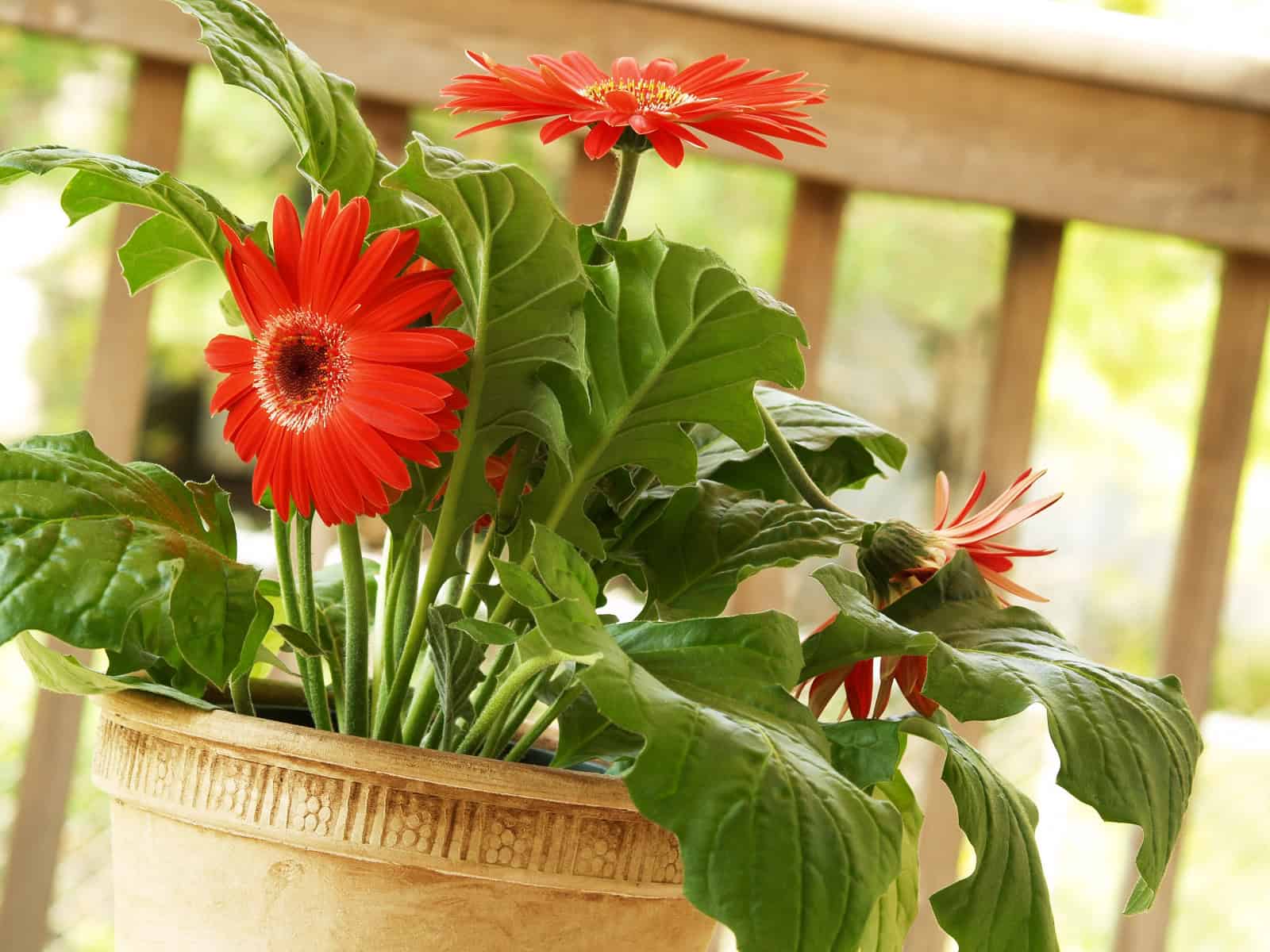
Gerbera Daisies add color to your bedroom while purifying the air. These cheerful flowers effectively remove toxins like formaldehyde, benzene, and trichloroethylene. Ideal for individuals suffering from sleep apnea, Gerbera Daisies absorb CO2 and other pollutants at night, enhancing the air quality. Place them in bright, indirect light for optimal care, moisten the soil, and fertilize monthly during the blooming season with water-soluble plant food.
Lemon Balm

Lemon Balm promotes relaxation with its fresh, citrusy scent. This plant helps you unwind and also cleans the air. It can thrive in a pot on your windowsill, as it enjoys sunlight but can also handle some shade. Water it when the soil feels dry, making it easy to care for. The leaves can be used to make tea or added to salads, making Lemon Balm a valuable and attractive addition to your bedroom.