Raccoons may look adorable with their little bandit faces, but when they invade your garden, they can quickly become a major nuisance. These nocturnal visitors are notorious for digging up plants, stealing fruits and vegetables, and creating chaos in compost bins and trash cans.
Because raccoons are intelligent and resourceful, keeping them out requires a combination of smart strategies. Thankfully, with a little effort and creativity, you can protect your garden in a humane and eco-friendly way. Here are 9 effective methods to keep raccoons out of your garden for good.
Advertisement
1. Install Motion-Activated Sprinklers

Raccoons hate surprises, and a sudden burst of water is often enough to send them running. Motion-activated sprinklers are one of the most effective tools for deterring raccoons because they react to movement and deliver an unexpected spray of water. Place these sprinklers near high-traffic areas, such as vegetable beds, compost piles, or trash bins. Many models allow you to adjust the sensitivity and range, so you can target specific areas without wasting water.
I once had a persistent raccoon problem around my tomatoes, and after installing a motion-activated sprinkler, the nightly raids stopped almost immediately. The best part? It’s completely harmless to raccoons, pets, and plants, making it an eco-friendly solution that also keeps your garden hydrated.
2. Secure Your Trash Bins
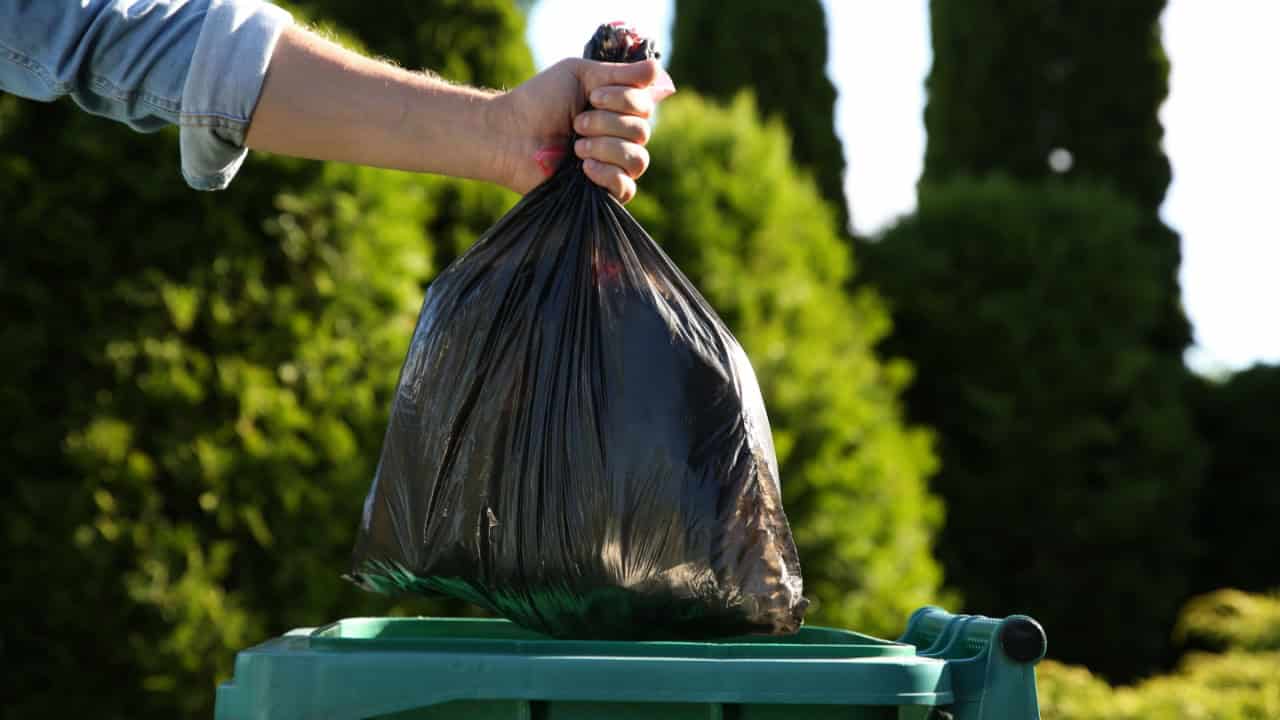
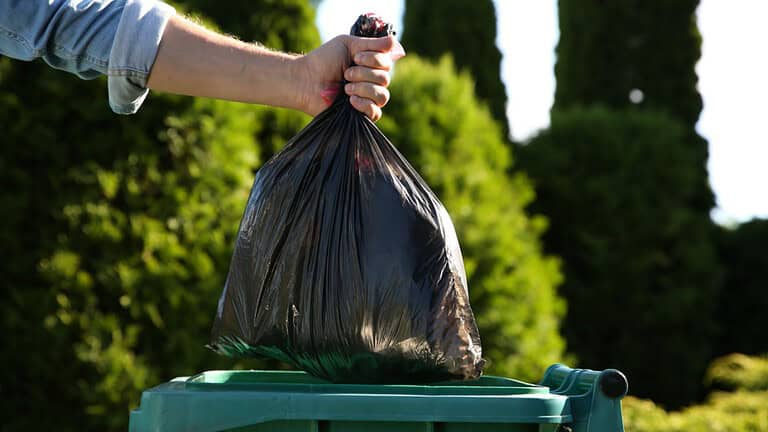
Raccoons are opportunistic feeders, and unsecured trash bins are practically an open invitation. To keep raccoons from rummaging through your garbage, invest in heavy-duty bins with tight-fitting lids or raccoon-proof locks. If you don’t want to replace your bins, try securing the lids with bungee cords or heavy rocks.
For added protection, store your trash bins in a shed or garage whenever possible. Even the smell of food scraps can attract raccoons to your garden, so double-bag strong-smelling trash and avoid putting out bins until the morning of collection day. I learned this lesson the hard way after finding my trash strewn across the yard—once I started securing the lids, the problem disappeared.
3. Use Strong-Smelling Natural Repellents
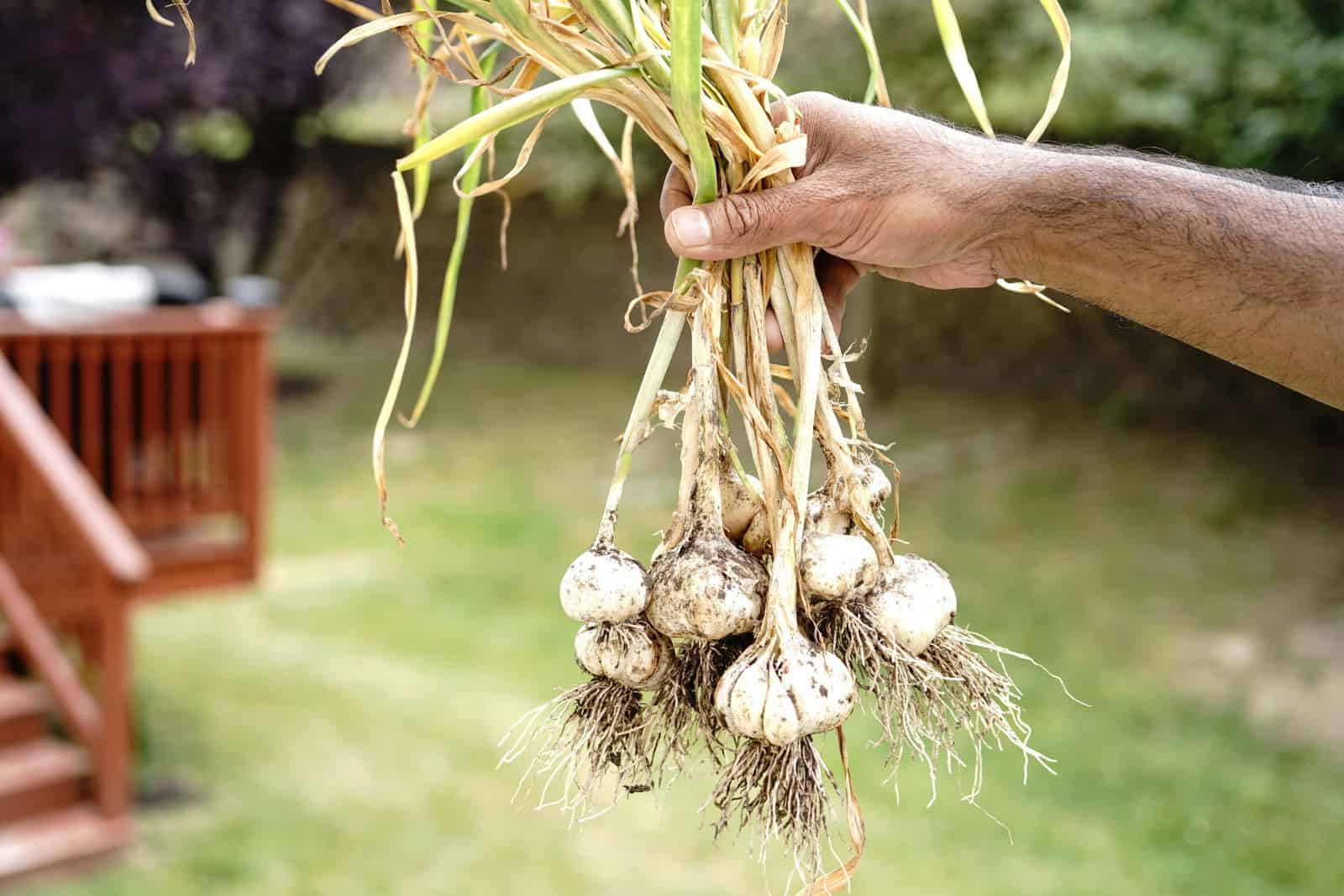
Raccoons have an excellent sense of smell, and certain scents can deter them from hanging around. Substances like ammonia, vinegar, garlic, and peppermint oil are all effective natural repellents. Soak cotton balls in one of these substances and place them near entry points, garden beds, or compost piles. Reapply the repellents every few days or after rain to maintain their effectiveness.
I’ve found that peppermint oil works especially well—it not only keeps raccoons away but also deters insects like ants and spiders. Bonus: It leaves your garden smelling fresh and minty!
4. Build a Raccoon-Proof Fence
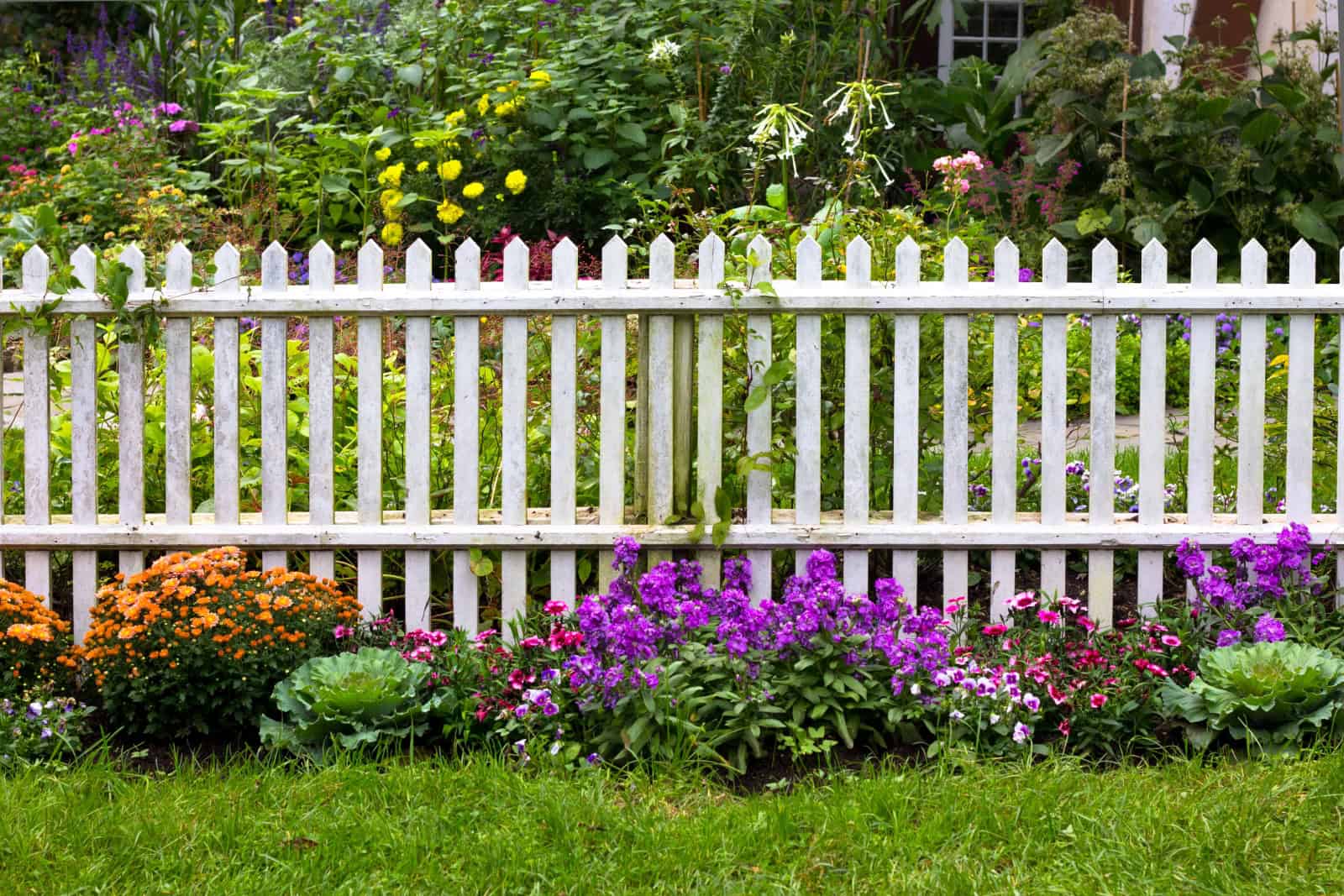
A sturdy fence can be one of the most reliable ways to keep raccoons out of your garden, but it needs to be designed with their climbing and digging abilities in mind. Raccoons are excellent climbers, so opt for a fence that’s at least four feet high with the top angled outward at a 45-degree angle to prevent them from climbing over. To stop them from digging underneath, bury the bottom of the fence at least 6–12 inches deep and consider using hardware cloth or chicken wire for added durability.
While installing a fence can be a significant investment of time and effort, the payoff is a garden that’s protected not only from raccoons but also from other pests like rabbits and deer. I added a hardware cloth barrier around my raised beds, and it’s been a game-changer for keeping all kinds of critters out.
5. Eliminate Food Sources

One of the easiest ways to discourage raccoons is to remove the food sources that attract them in the first place. Fallen fruit, uncovered compost, and leftover pet food are all magnets for raccoons. Make it a habit to clean up your garden regularly, picking up any fruit that’s fallen to the ground and storing pet food indoors. If you have a compost pile, avoid adding meat, dairy, or oily foods, as these are particularly appealing to raccoons.
After one too many nights of finding my compost bin raided, I switched to a sealed compost tumbler. Not only did it keep the raccoons out, but it also sped up the composting process!
6. Light Up Your Garden

Raccoons are nocturnal and prefer to operate under cover of darkness. Installing motion-activated lights in your garden can disrupt their nighttime activities and make them feel exposed. Solar-powered lights are an energy-efficient option that’s easy to set up, and many models are designed to activate only when motion is detected, conserving energy while still keeping raccoons at bay.
I installed solar lights around my compost bin and garden beds, and the difference was immediate. The raccoons, startled by the sudden brightness, stopped visiting altogether. Just be sure to position the lights strategically near areas where raccoons are most active.
7. Set Up Physical Barriers
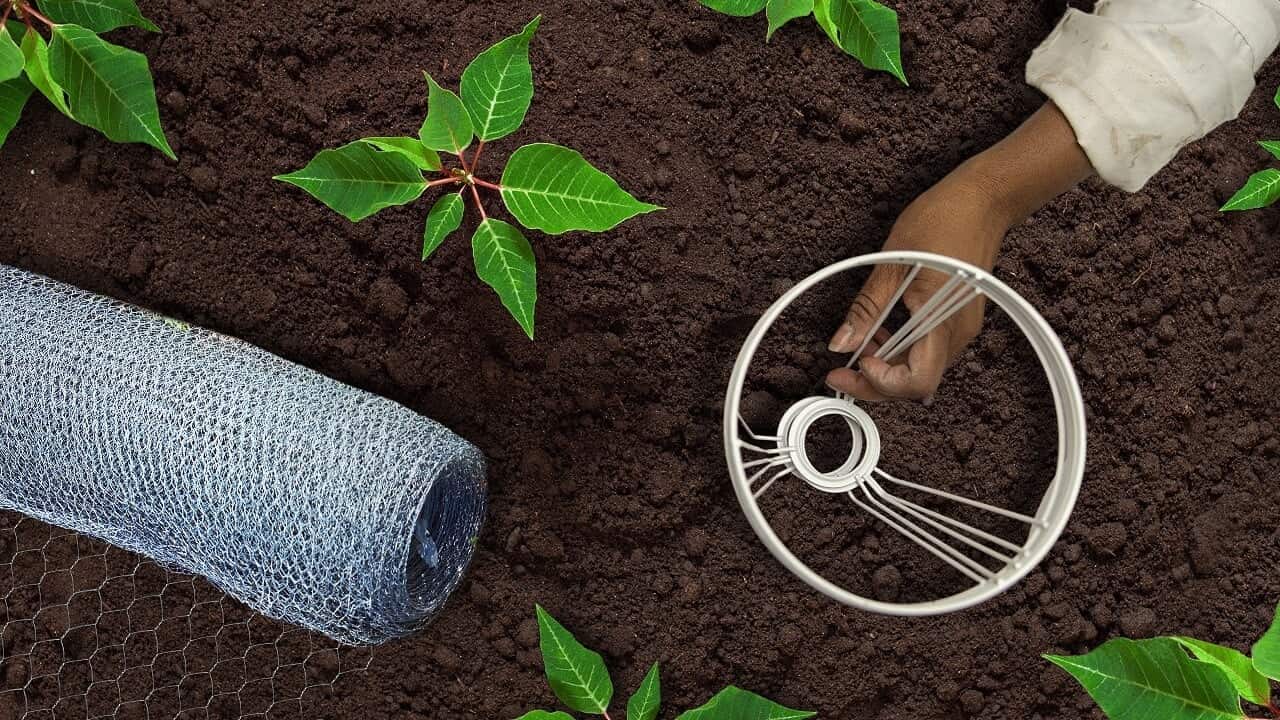
For specific plants or small garden beds, physical barriers like garden netting, row covers, or chicken wire can provide an added layer of protection. These materials make it difficult for raccoons to access your fruits and vegetables while still allowing sunlight and water to reach the plants. Secure the edges tightly to prevent raccoons from slipping underneath or tearing through the material.
I used lightweight netting to cover my strawberry plants during their peak season, and it worked wonders. The raccoons gave up after a few failed attempts, and I enjoyed a full harvest for the first time in years!
8. Encourage Natural Predators
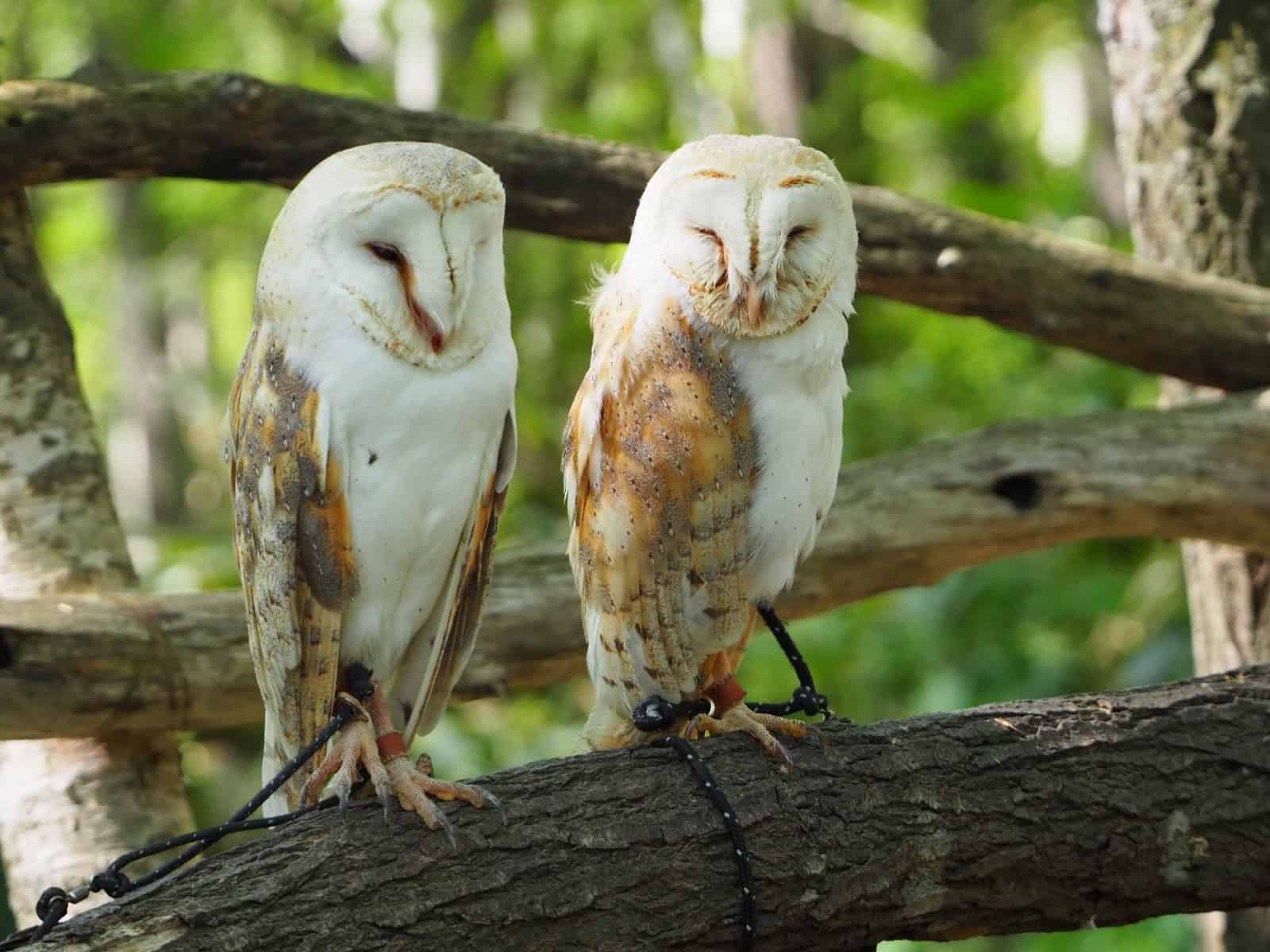
Raccoons are naturally wary of predators like owls, hawks, and coyotes. Attracting these predators to your garden can help keep raccoons at bay. For example, installing an owl box or creating a bird-friendly habitat can encourage owls to take up residence near your garden.
If attracting actual predators isn’t feasible, consider placing predator decoys like fake owls or hawks in your garden. Move them around periodically to maintain the illusion of activity, as raccoons are smart enough to figure out if a decoy isn’t real.
9. Plant Repellent Flowers
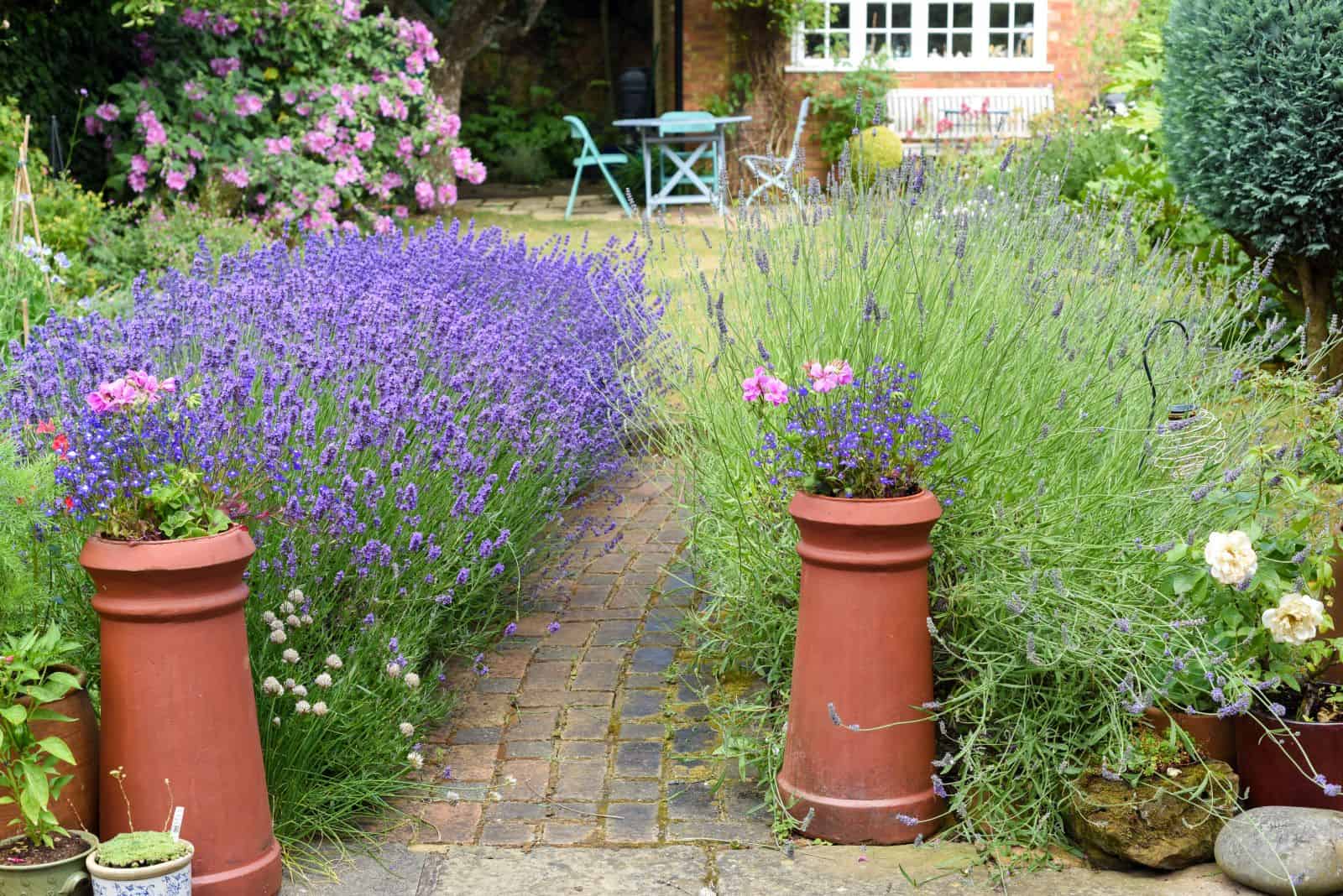
Certain plants, like marigolds and lavender, naturally repel raccoons due to their strong scents. Planting these flowers around the perimeter of your garden can act as a natural barrier, keeping raccoons from venturing further inside. Not only are these plants effective deterrents, but they also add beauty and color to your garden.
You could plant marigolds around your vegetable beds this summer, and they will keep both raccoons and rabbits at bay while brightening up the space.
*This article was created with the assistance of AI.