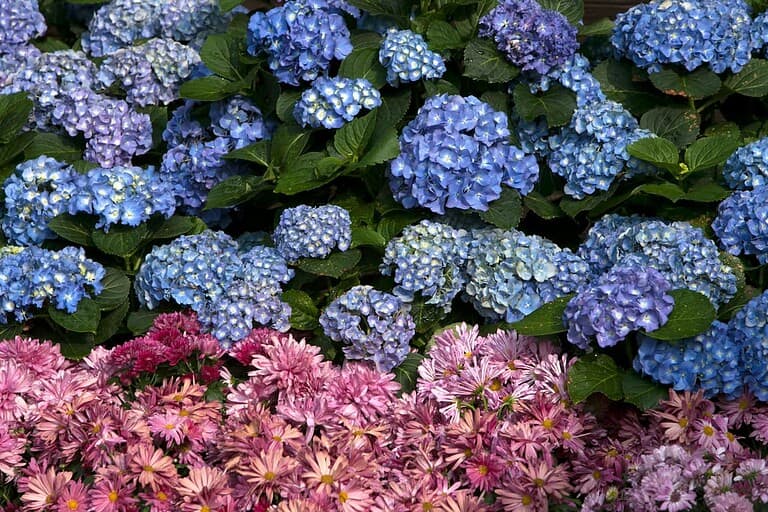
Nothing breathes life into a home or garden quite like a vibrant assortment of thriving flowers. However, maintaining these botanical beauties requires more than just a green thumb. Proper watering and fertilizing practices are essential to ensure your floral friends not only survive but flourish. Whether you’re a novice gardener or a seasoned horticulturalist, these tips can help you cultivate gorgeous, thriving flowers that are sure to be the envy of your neighborhood.
1. Know Your Flowers’ Watering Needs

Every flower is different and so are their watering needs. Some flowers thrive in moist soil, while others prefer their soil to dry out between watering. For example, roses require more water than lavender, which is adapted to a Mediterranean, drought-like climate. Make sure to research the watering needs of your flowers to avoid over or under watering them.
Advertisement
Take note of the time of day when you water your flowers. It’s best to water early in the morning or late in the evening, when temperatures are lower. This reduces evaporation and ensures that your flowers have enough moisture during the hottest part of the day.
2. Use the Right Type of Fertilizer
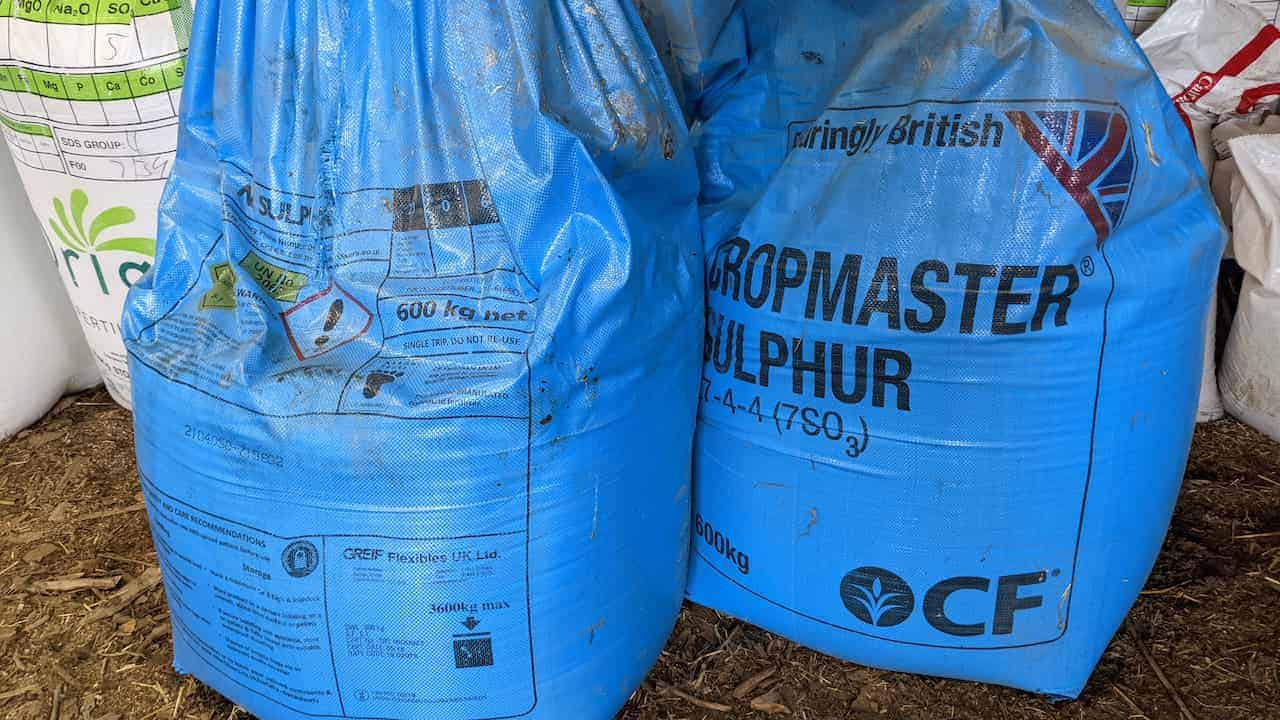
Not all fertilizers are created equal. Some are high in nitrogen, which promotes leaf growth but can discourage blooming. Others have a balanced mix of nutrients, suitable for most flowering plants.
For example, a fertilizer with a ratio of 10-10-10 (nitrogen-phosphorus-potassium) is generally a good choice for flowers. On the other hand, if you’re growing roses, a 5-10-5 fertilizer would be a better choice as roses benefit from more phosphorus, which encourages bloom development. Always read the label carefully and choose a fertilizer that fits your flowers’ needs.
3. Water Deeply, Not Frequently
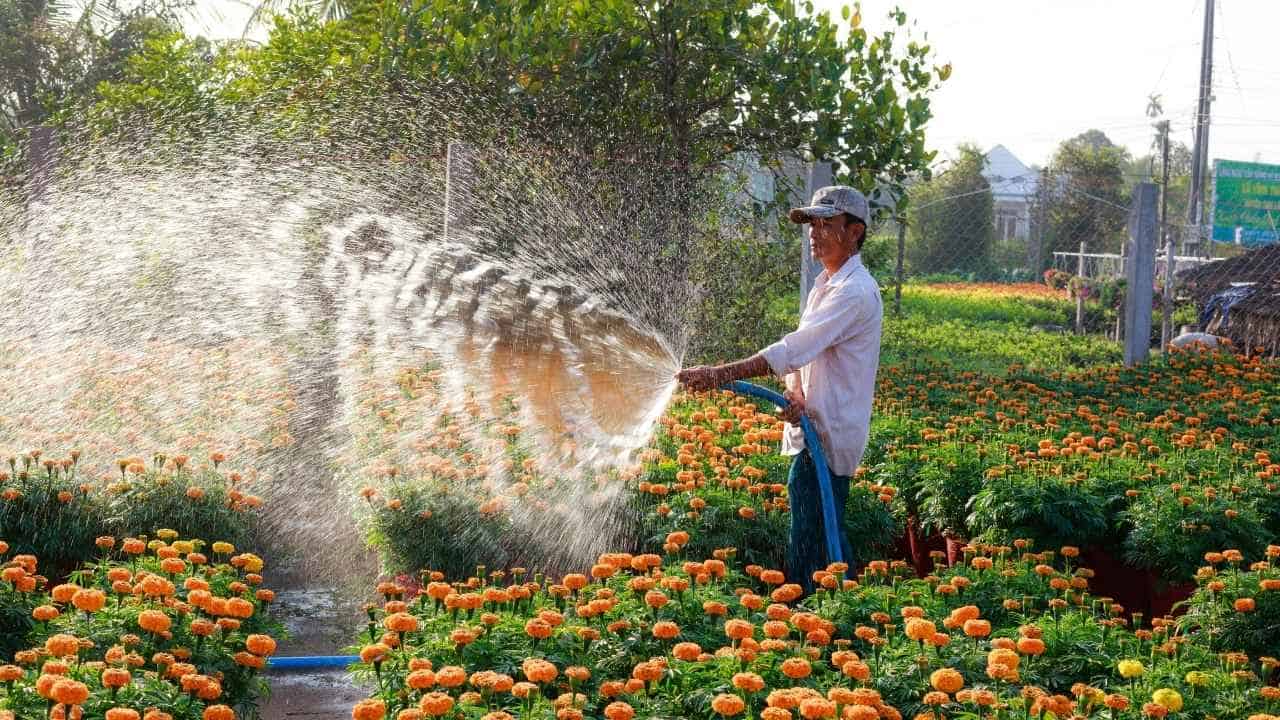
Instead of watering a little bit every day, it’s better to water deeply less frequently. This encourages the roots to grow deeper into the soil, making the plants more drought-resistant.
For example, instead of watering your flowers for 10 minutes every day, water them for an hour once a week. This will ensure the water penetrates deep into the soil, reaching the root zone of the plants. However, make sure the soil doesn’t become waterlogged as this can lead to root rot.
4. Apply Fertilizer Correctly
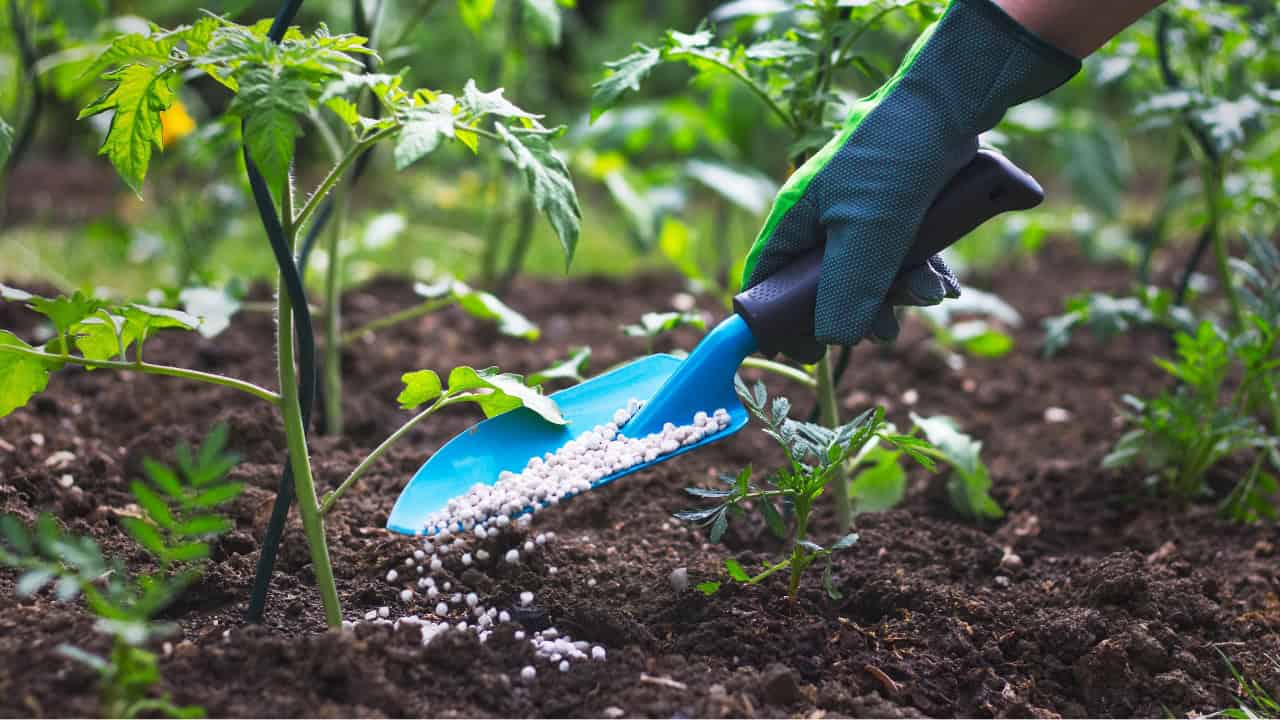
Applying fertilizer correctly is just as important as choosing the right one. Always follow the package instructions regarding how much to use and when to apply it.
Generally, it’s best to apply fertilizer at the beginning of the growing season when plants are actively growing. Also, remember to water the soil before and after applying fertilizer to prevent root burn and to help the nutrients penetrate the soil.
5. Use Mulch to Retain Moisture

Mulch is a gardener’s best friend. It not only inhibits weed growth but also helps retain soil moisture, reducing the need for frequent watering.
Organic mulches like shredded bark, straw, or compost not only help retain moisture, but also slowly decompose, adding nutrients to the soil. Apply a 2-3 inch layer of mulch around your flowers, making sure not to pile it up against the stems as this can lead to rot.
6. Avoid Over-Fertilizing
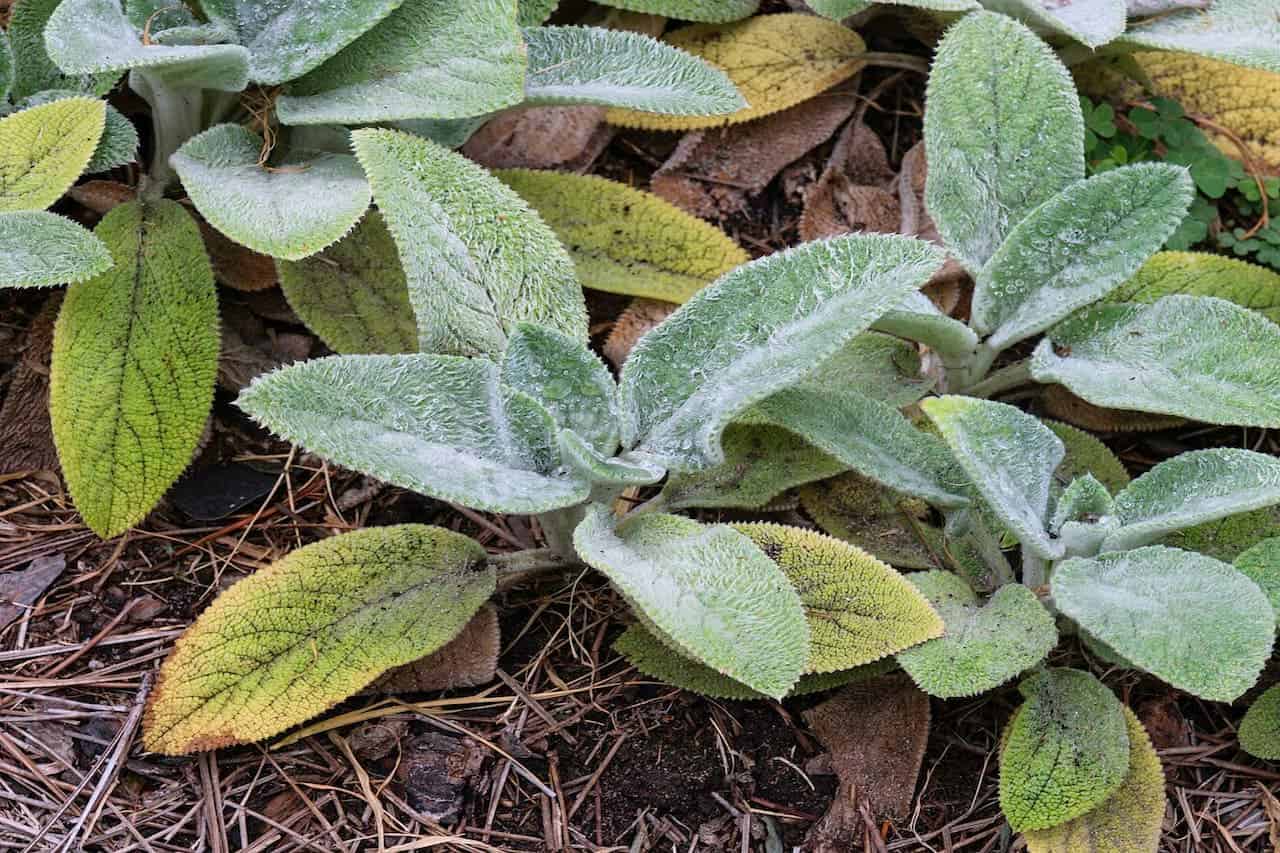
While fertilizing is essential for flower growth, over-fertilizing can be harmful. Excess fertilizer can cause salt build up in the soil, which can damage the roots and prevent water uptake.
If your flowers start to show signs of over-fertilization, such as yellowing leaves or stunted growth, stop fertilizing immediately and water thoroughly to wash away excess fertilizer. It’s always better to err on the side of under-fertilizing than overdoing it.
7. Water According to the Weather
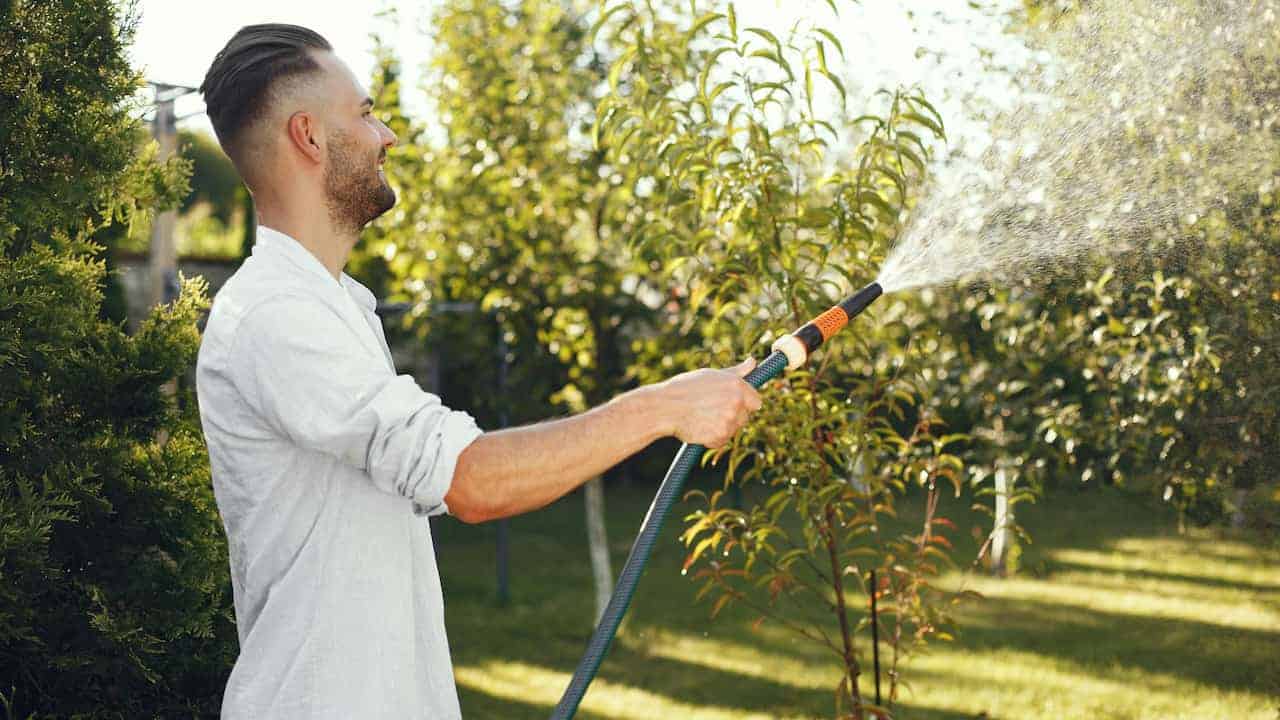
The weather plays a crucial role in determining how much to water your flowers. On hot, dry, or windy days, your flowers will need more water. On cooler or rainy days, you can reduce the amount of water.
Always check the soil moisture levels before watering. If the soil still feels moist an inch below the surface, wait for another day before watering. Remember that overwatering is just as harmful as underwatering.
8. Know When to Fertilize
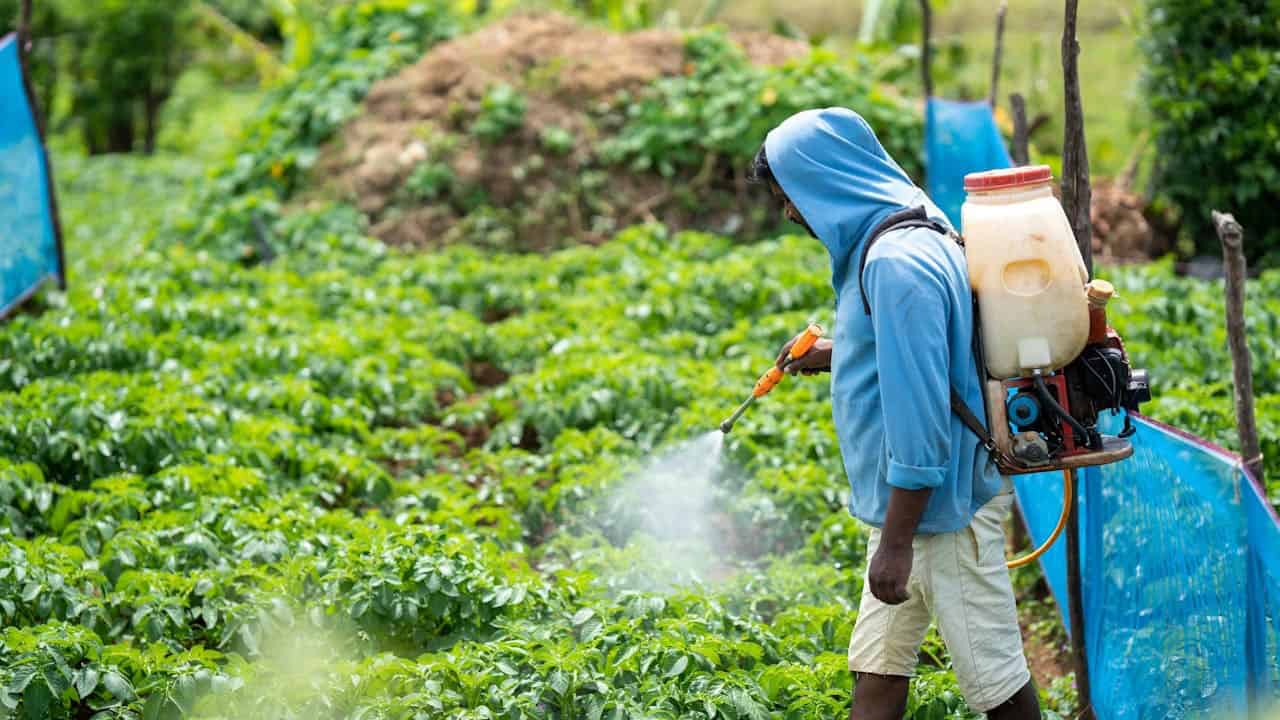
Most flowers benefit from regular fertilization during the growing season. However, fertilizing should be reduced or stopped entirely during the dormant season (usually winter) as most flowers are not actively growing during this time.
Fertilizing at the wrong time can lead to soft, sappy growth that’s vulnerable to pests and diseases. Follow the specific fertilizing recommendations for each type of flower in your garden.
9. Test Your Soil

Finally, it’s a good idea to test your soil every few years to determine its nutrient and pH levels. Some flowers, like azaleas or rhododendrons, prefer acidic soil. Others, like geraniums, prefer alkaline soil.
Knowing your soil’s pH and nutrient levels can help you choose the right fertilizer and amendments. You can buy a soil test kit at your local garden center or online, or send a soil sample to a professional lab for testing.