# 9 Tips for Starting Vegetables from Seeds Indoors and Outdoors
Getting your hands dirty, watching a seed grow into a plant, and finally harvesting vegetables you’ve nurtured from scratch, is an incredibly rewarding experience. But it isn’t always as simple as just planting a seed and watching it grow. There are many factors to consider if you want to successfully start vegetables from seeds, whether indoors or outdoors. This blog post aims to simplify the process and provide tips to help you start your gardening journey on the right footing.
Advertisement
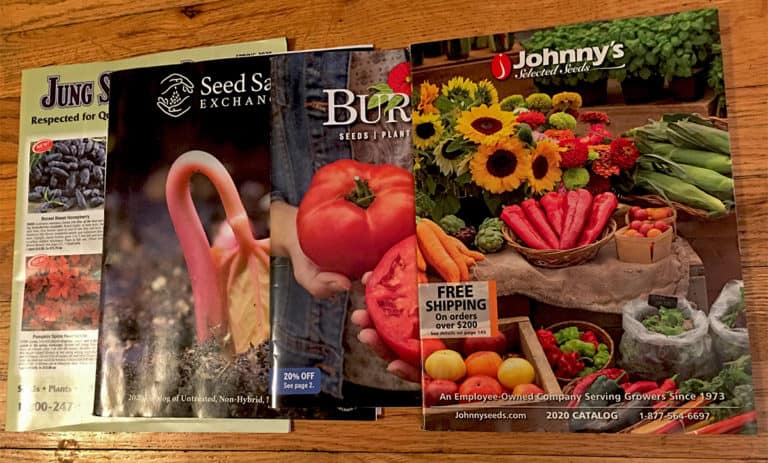
1. Choose the Right Seeds
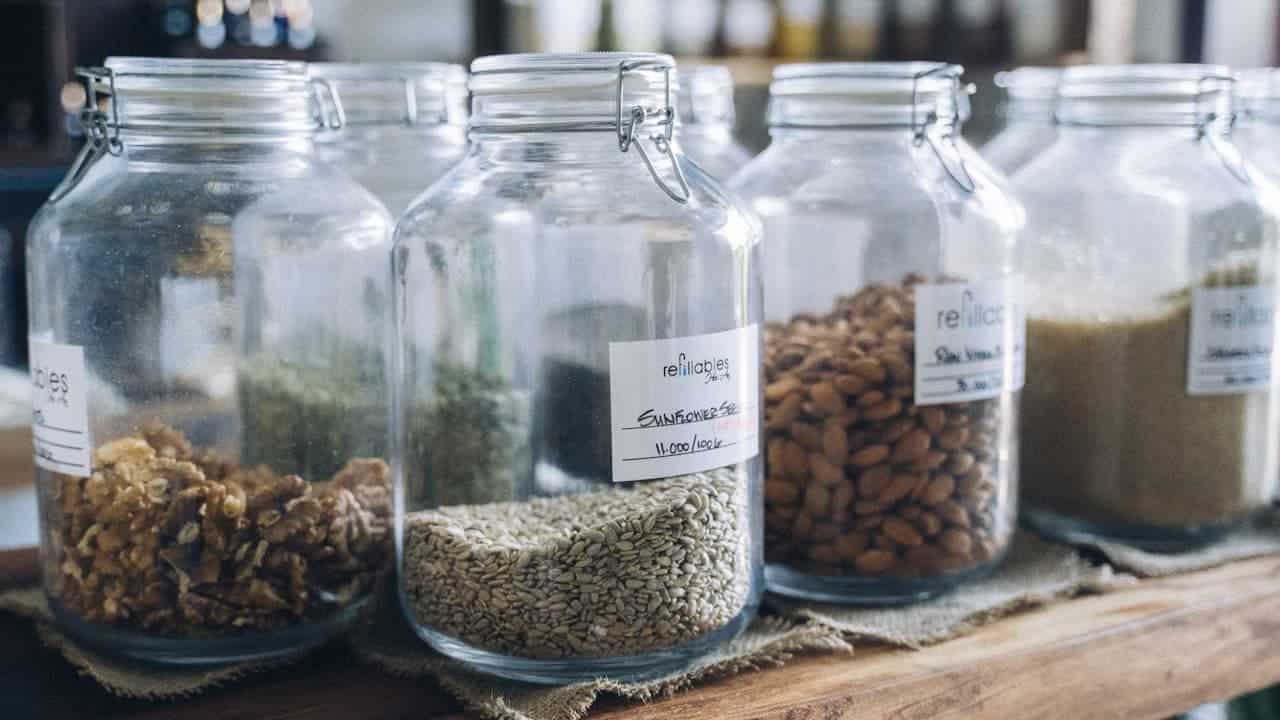
Choosing the right seeds is the first step towards a successful gardening endeavor. Research on the specific vegetables you want to grow, considering factors like your local climate, the amount of sunlight your garden gets, and the quality of your soil.
For instance, tomatoes, peppers, and eggplants are great for starting indoors as they need a long growing season. Hardy plants like peas and spinach can be started outdoors directly, even in cooler weather. Be sure to buy high-quality seeds from a reputable supplier. The quality of the seeds can greatly affect your plants’ growth and yield.
2. Start at the Right Time
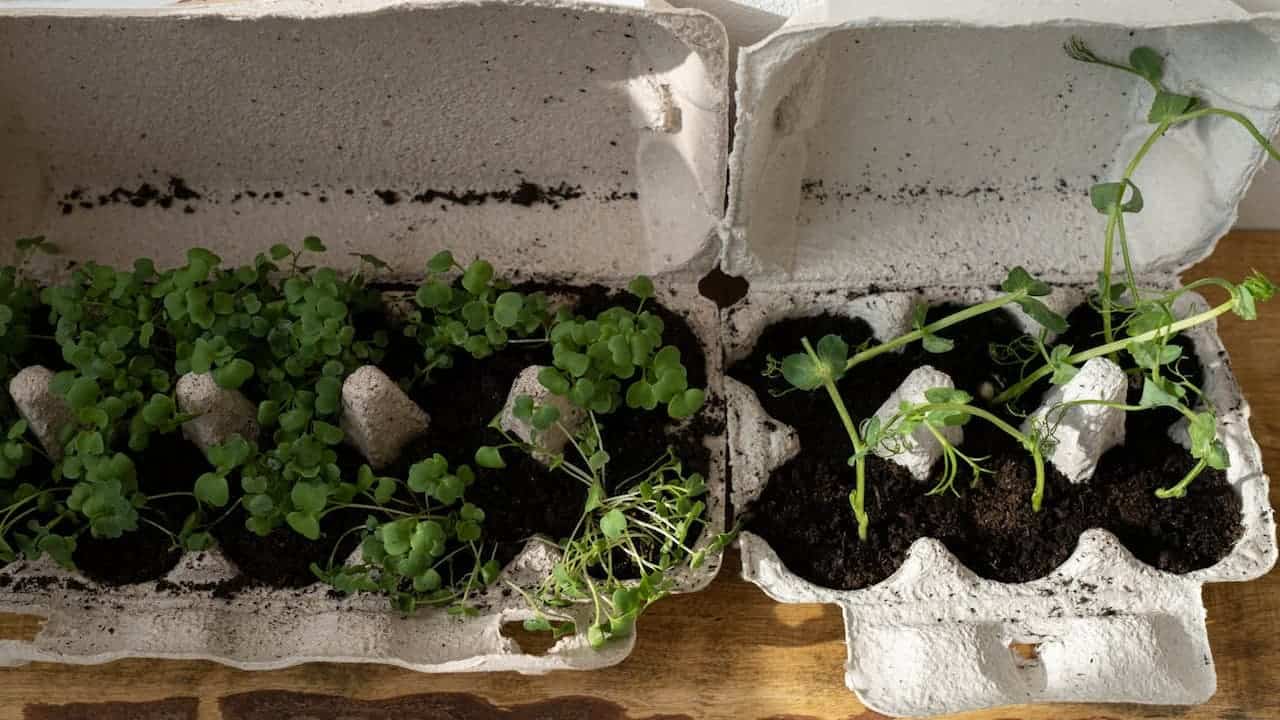
Timing is everything when it comes to starting seeds. Start too early, and your seedlings might become leggy and weak due to lack of sunlight. Start too late, and they might not have enough time to mature before the end of the growing season.
Check the seed packet for the recommended planting time. For starting seeds indoors, this is usually 6–8 weeks before the last expected frost in your area. For direct sowing outdoors, this is typically after the last expected frost when the soil has warmed up. Use a gardening calendar or online tool to help you determine the ideal planting time in your region.
3. Provide Proper Lighting

Proper lighting is crucial for seed starting, especially if you’re doing it indoors. Seedlings need plenty of light to grow strong and healthy.
Place your seed trays near a south-facing window where they can get at least 6–8 hours of direct sunlight each day. If you don’t have a suitable window, consider investing in grow lights. Keep the lights just a few inches above the seedlings and adjust the height as they grow. Too little light can cause your seedlings to become leggy and weak.
4. Keep the Soil Moist

Keeping the soil consistently moist is key to successful seed germination. However, it’s equally important to avoid overwatering, which can lead to damping off, a fungal disease that can kill seedlings.
Water your seeds gently using a spray bottle or a watering can with a fine rose to avoid disturbing the seeds. The soil should be moist but not waterlogged. Cover your seed trays with a plastic dome or wrap to maintain humidity until the seeds germinate. After that, reduce watering to prevent damping off.
5. Maintain the Right Temperature

Seeds need the right temperature to germinate effectively. Most vegetable seeds germinate best at temperatures between 60°F and 80°F.
Use a seedling heat mat to maintain consistent soil temperature, especially if you’re starting seeds indoors in a cool house. Check the seed packet for the optimal germination temperature for each vegetable. Some seeds, like lettuce and peas, prefer cooler temperatures, while others, like tomatoes and peppers, need warmer conditions.
6. Use Quality Soil
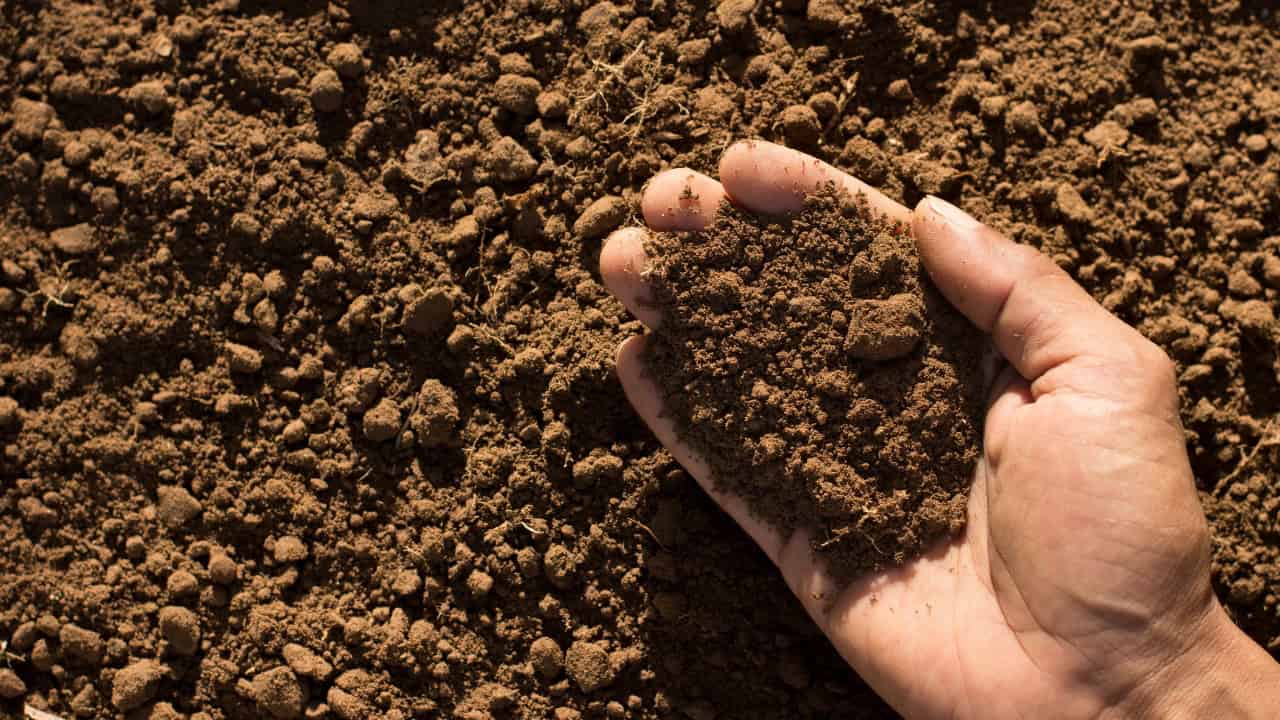
The quality of your soil can greatly affect the success of your seed starting. It should be rich in nutrients, well-draining, and free from disease and weed seeds.
For starting seeds indoors, use a seed starting mix or make your own by combining equal parts peat moss or coconut coir, vermiculite or perlite, and compost. Avoid using garden soil as it can contain disease organisms and may not drain well. For sowing seeds outdoors, amend your garden soil with plenty of compost or well-rotted manure to improve its fertility and structure.
7. Provide Adequate Air Circulation

Good air circulation is essential for preventing fungal diseases and promoting sturdy growth in seedlings.
If you’re starting seeds indoors, place a small fan near your seedlings to provide a gentle breeze. This helps to strengthen their stems and prevent damping off. For outdoor seed starting, ensure your seeds are not overly crowded and there’s enough space between rows for air to circulate freely.
8. Harden Off Seedlings Before Transplanting
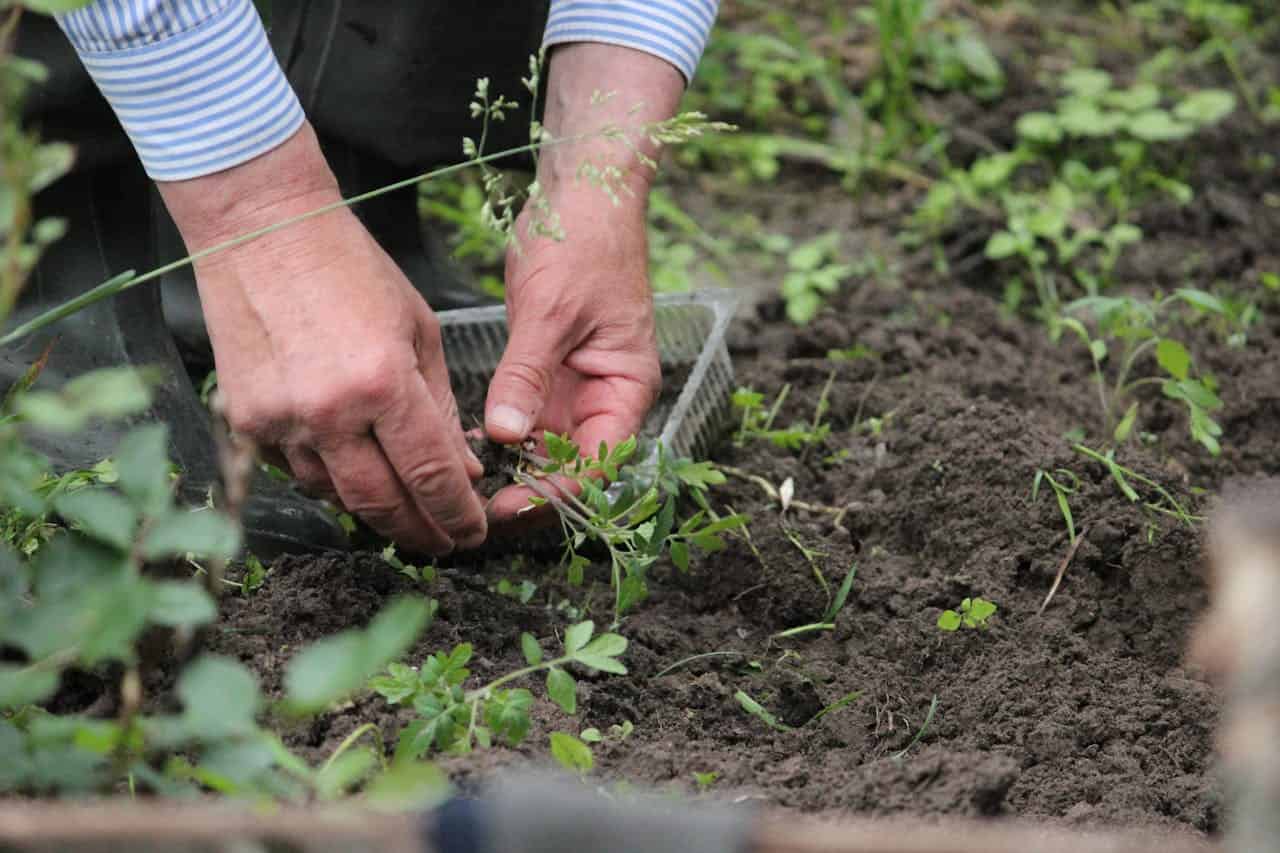
Hardening off is the process of gradually acclimating indoor-grown seedlings to outdoor conditions. This is crucial to prevent transplant shock, which can stunt growth or even kill your plants.
Start by placing your seedlings outdoors in a sheltered spot for a few hours each day, gradually increasing the time and exposure to sun and wind over a week or two. Avoid exposing them to strong winds or intense sunlight at first. Be sure to bring them indoors or cover them if frost is predicted.
9. Nurture and Monitor Your Plants
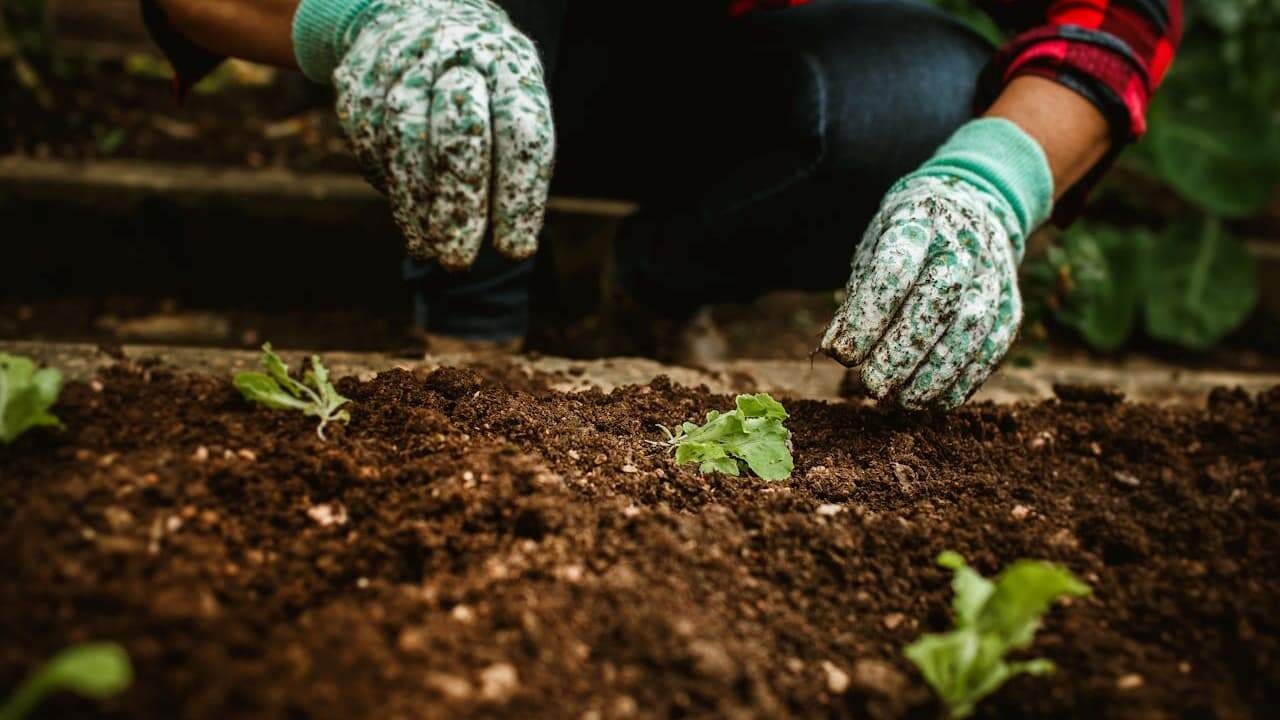
Once your seeds have germinated and grown into young plants, they need ongoing care to thrive. This includes regular watering, feeding with a balanced fertilizer, and monitoring for pests and diseases.
Check your plants daily and deal with any issues promptly to prevent them from spreading. Regularly thin out crowded seedlings to ensure each plant has enough space to grow. Nurture your plants and enjoy the process. Remember, gardening is as much about the journey as it is about the harvest.